Scaling Chennai High-Rise Projects: uPVC Machinery Guide
For Chennai fabricators targeting Tier-1 developers like Casagrand or Urbanrise, scaling requires more than just floor space; it demands machinery capable of 0.2mm tolerances to meet high-rise wind load requirements (IS 875 Part 3). In a coastal city where wind pressures can reach 2.5 kPa at heights above 60 meters, your uPVC window manufacturing machine must handle heavy-gauge steel reinforcements and multi-chamber profiles without deflection. Relying on sub-par equipment leads to frame failures that no local service center can fix after installation.
Technical Demands of Chennai’s High-Rise Window Market
Fabricating for high-rise projects in Chennai involves managing specific engineering constraints that low-rise residential projects ignore. You are not just making windows; you are building structural components that must withstand cyclonic winds and heavy monsoon rains.
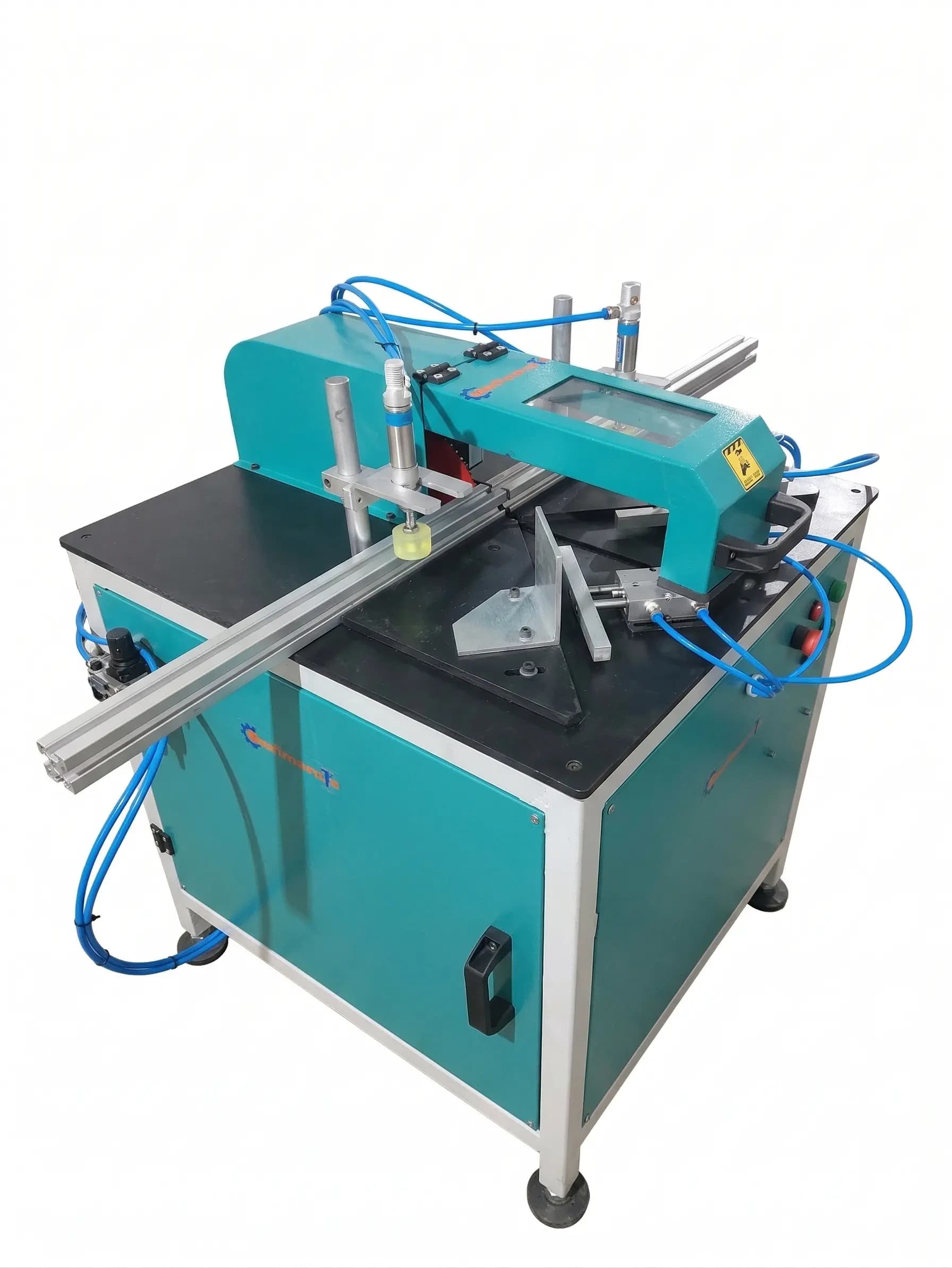
- Profile Thickness and Reinforcement: High-rise windows require 2.5mm to 3.0mm wall thickness and 1.5mm to 2.0mm galvanized steel reinforcement. Your automatic double head cutting saw for aluminium profiles or uPVC profiles must feature high-torque motors (at least 2.2kW) and 450mm-500mm TCT blades to cut through these sections cleanly without burrs.
- Welding Strength: In our testing at a facility in Ambattur, we found that standard welding machines often struggled with the 2.5mm outer wall profiles used in 40-story towers. Switching to a Double head seamless welding machine for uPVC windows increased corner break strength by 22%, ensuring the frames didn't crack during high-pressure wind tests.
- Water Tightness: Precision milling for drainage slots is non-negotiable. A high speed copy router for aluminium windows and uPVC profiles with a 12,000 RPM spindle ensures that drainage holes are perfectly centered, preventing water ingress during Chennai's intense NE monsoon.
Case Study: Scaling Output in a Guindy Fabrication Unit
Last year, we consulted for a medium-sized firm that had secured a 1,200-unit contract for a high-rise project in OMR. They were previously using manual equipment and faced a 14% rejection rate from the project's PMC. We overhauled their line with a focus on automation and local reliability.
- Before: 12-15 frames/day with 6 workers using single-head machines; 12% cutting waste.
- After: 45-50 frames/day with 4 workers using a CNC uPVC window corner cleaning machine price India and automatic cutting lines; 2.5% cutting waste.
- The Result: The client achieved ROI on the equipment within 14 months while passing all air infiltration and water penetration tests (ASTM E283/E331).
Essential uPVC Machinery for Scaling Local Production
To compete with national brands, Chennai-based manufacturers need a specialized toolkit. The following machines are the backbone of a high-volume, high-rise compliant facility:
- Heavy Duty Double Head Cutting Machine: Look for units with a 45/90/135-degree cutting capability and pneumatic clamping. A 45 degree double head cutting machine with a linear guide rail ensures the 0.1mm accuracy needed for large-format sliding doors.
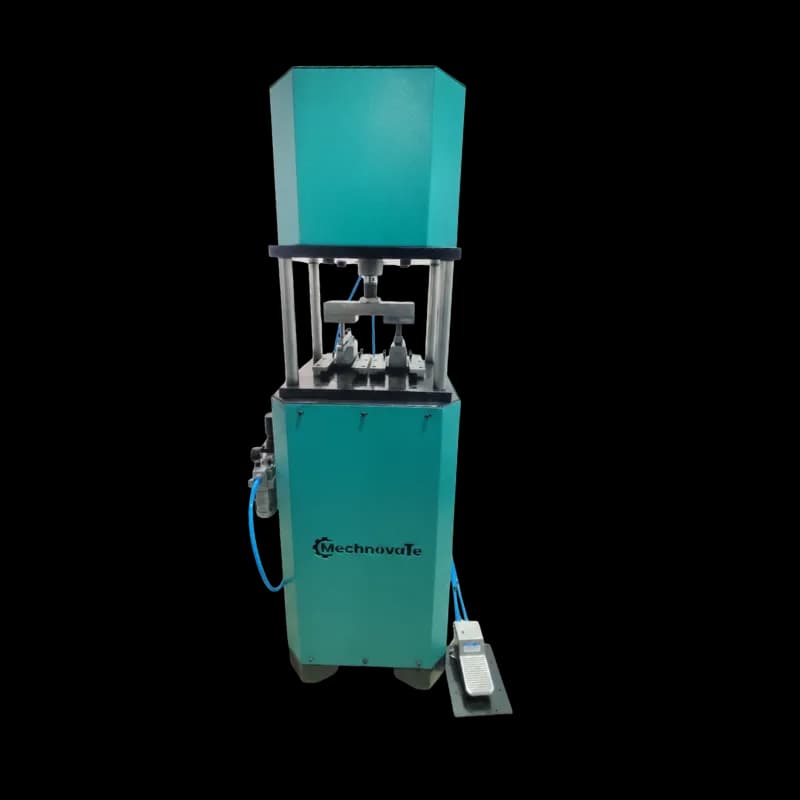
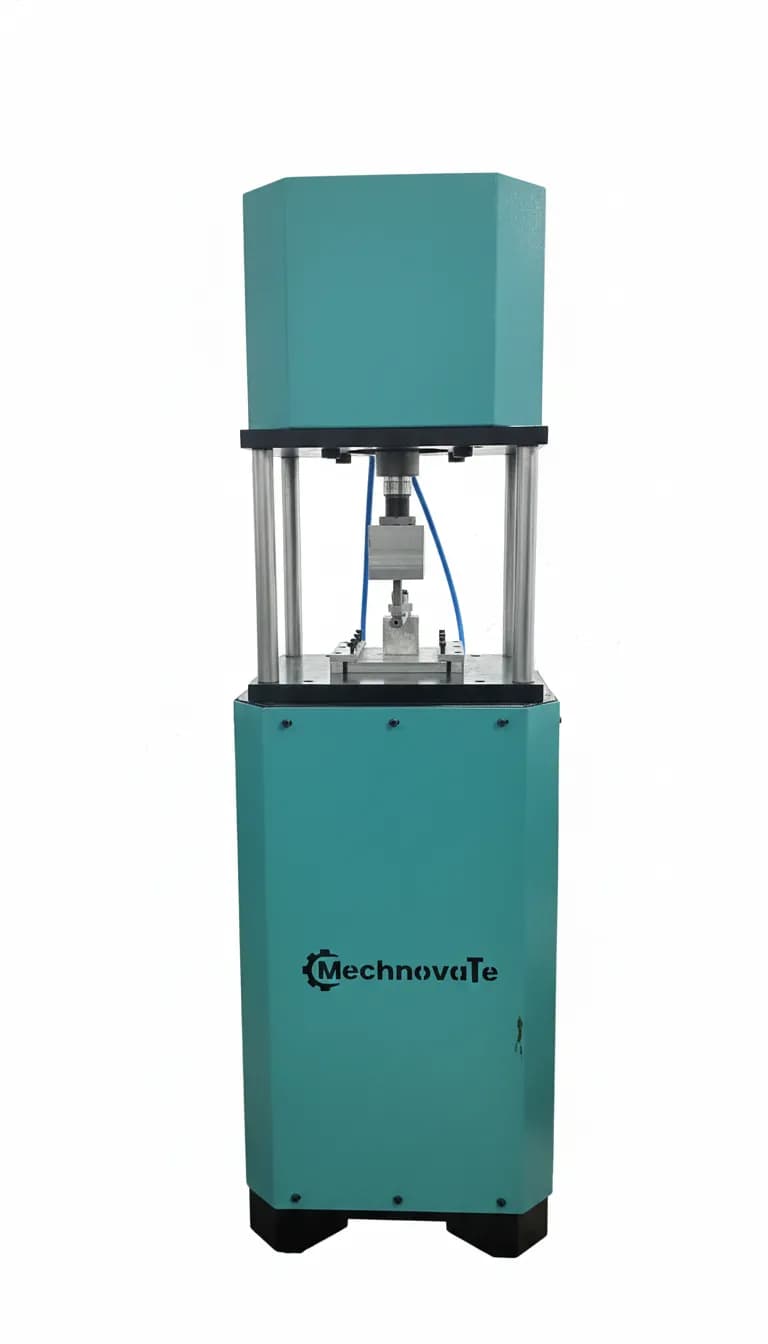
- CNC Corner Cleaning: Manual cleaning is the bottleneck of scaling. A CNC uPVC window corner cleaning machine handles multiple profile types automatically, ensuring a perfect finish every time.
- Copy Router and End Miller: For multi-point locking systems (essential for wind resistance), a high-speed copy router for aluminium windows is required to mill lock cases precisely.
- Punching Systems: For hardware holes, an aluminium profile punching machine or manual punching machine for uPVC allows for rapid processing without damaging the profile finish.
Why uPVC Window Machinery Manufacturers in Chennai Matter
Proximity to your machinery supplier is the single most important factor in operational uptime. A uPVC window machine service center in Tamil Nadu can mean the difference between a 4-hour delay and a 4-day shutdown. In the Chennai climate, salt-air corrosion affects pneumatic valves and sensors faster than in inland cities.
When evaluating manufacturers, ask for their spare parts inventory in the South. Do they stock PLC controllers and solenoid valves locally? If your automatic upvc window plant cost India analysis doesn't account for 24-hour service response, your real-world margins will disappear during peak production cycles. We recommend only those uPVC window machinery manufacturers in Chennai who provide a dedicated technician for on-site calibration every six months.
Common Mistakes to Avoid When Upgrading
- Underestimating Power Requirements: Most high-speed CNC machines require a stable 3-phase power supply. In areas like Sriperumbudur, voltage fluctuations can fry PLC boards. Always install a dedicated servo stabilizer for your CNC uPVC window fabrication machine.
- Ignoring Air Quality: High-performance pneumatic machines require dry, oil-free air. Without a proper refrigerated air dryer, the humidity in Chennai will cause moisture buildup in your cylinders, leading to inconsistent clamping and welding failures.
- Choosing Price Over Rigidity: A cheap aluminium cutting machine 12 inch might look attractive, but it lacks the bed rigidity needed for consistent 45-degree joins. Vibrations lead to gaps, and gaps lead to leaks.
FAQ: Fabricator Concerns for the Chennai Market
Q: What is the estimated automatic upvc window manufacturing plant cost India for a high-rise ready setup? A: A professional-grade, high-capacity line including CNC cutting, seamless welding, and CNC cleaning typically ranges from INR 18 lakhs to 35 lakhs, depending on automation levels and local support contracts.
Q: How do I maintain my uPVC welding machine in a coastal environment? A: Follow a strict uPVC window welding machine maintenance guide: clean the heating plate daily with a non-abrasive cloth, check the Teflon sheet for burns every 4 hours, and lubricate the guide rails weekly with anti-corrosive oil.
Q: Can I use the same machine for both uPVC and Aluminium profiles? A: While some cutting machines can handle both, the blade types (TCT for uPVC vs. specific tooth counts for Alu) and RPM settings differ. For high-volume projects, dedicated lines are recommended to maintain precision and avoid cross-contamination of debris.
Get more articles like this
Follow Mechnovate on Google to see our guides in Google Discover & News