Scaling Chennai High-Rise Projects: Automatic Production Guide
Direct Answer: Scaling Aluminium Production for Chennai’s Vertical Growth
For Chennai-based fabricators looking to secure contracts for 30-story towers in OMR or Porur, manual manufacturing is no longer a viable option. To meet the rigorous wind-load and safety standards of coastal high-rises, an investment in automation is mandatory. An automatic aluminium window production line price in the Indian market currently starts at approximately ₹18 Lakhs for a basic configuration and can scale up to ₹65 Lakhs for fully CNC-integrated lines. Based on our 15 years of factory installations at Mechnovate, the transition from manual cutting to an Automatic Double Head Cutting Machine typically reduces material waste from 14% to less than 3% while ensuring a tolerance of ±0.1mm, which is non-negotiable for high-pressure structural glazing and high-rise casement windows.
The Technical Reality: Why Manual Setups Fail in Chennai
In Chennai’s coastal environment, windows must withstand high wind pressures (Zone 3/4) and prevent salt-spray corrosion. We have seen many workshops attempt to use a standard aluminium cutter machine 12 inch for large-scale projects. The result is invariably joint failure. A manual upvc window making machine or a standard aluminium cutter lacks the torque and clamping stability to process the thick-walled (2.0mm to 2.5mm) architectural profiles required for height.
When we audited a facility in Guindy last year, they were using a single cutting manual saw. Their output was stuck at 15 frames per shift. By upgrading to a degree cutting machine with automatic pneumatic feed, they increased output to 55 frames per shift. More importantly, they achieved the airtight seals required by ISO 9001 and IS 1285 standards. For high-rises, the upvc windows machine or aluminium line must ensure that every 45-degree miter is perfectly flush; otherwise, the window will whistle and leak during monsoon season.
Step-by-Step Workshop Setup: Engineering for Efficiency
To build a world-class production unit, your layout must follow a linear 'U' or 'L' flow to minimize profile handling. Scratches on powder-coated or anodized profiles are a major cause of rejection in premium Chennai projects.
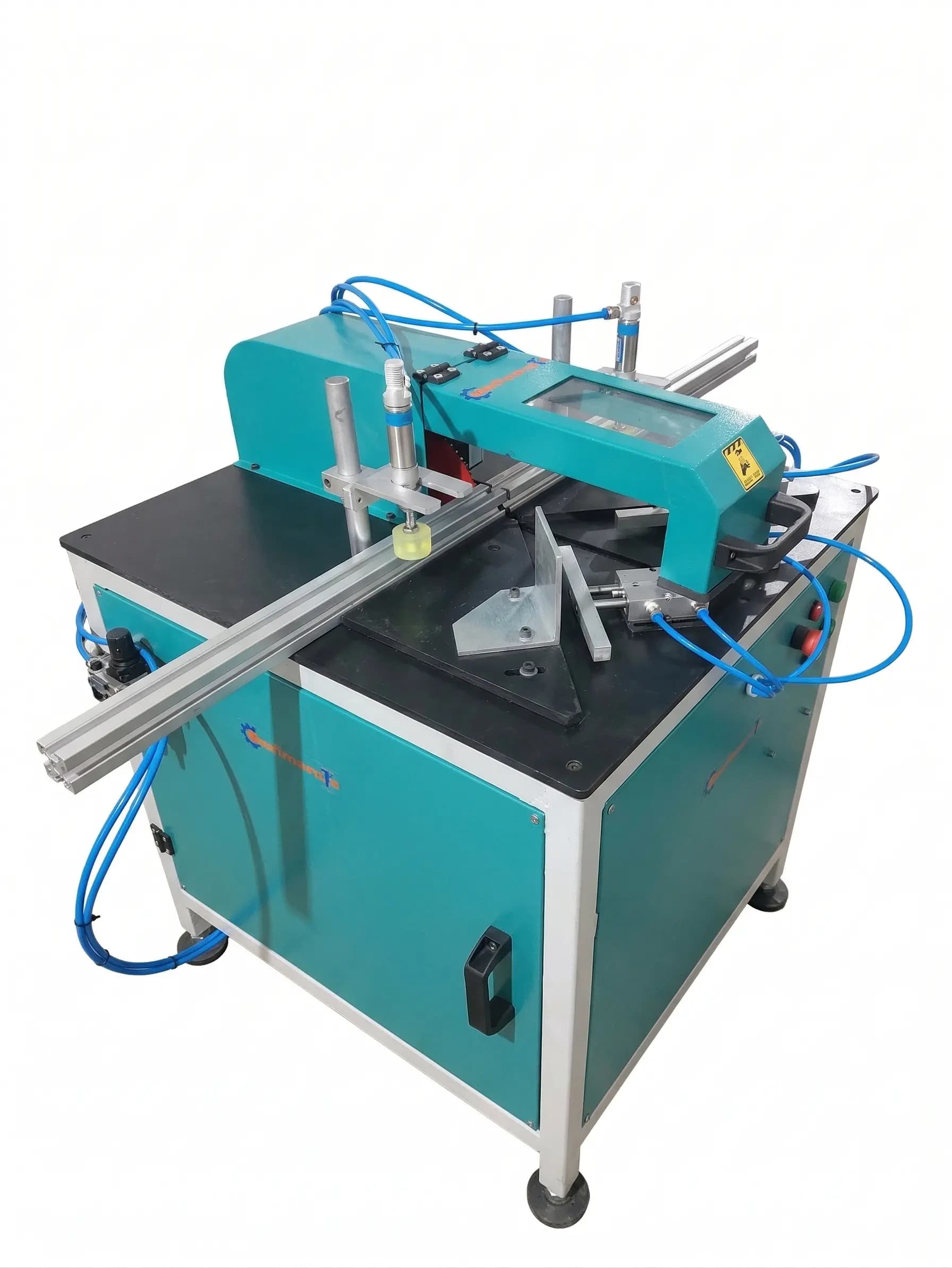
- The Cutting Station: Centralize your workflow around a 45 degree double head cutting machine. This machine must feature carbide-tipped blades (500mm or 600mm) with a 2800-3200 RPM motor. High-speed cutting reduces burrs, which in turn reduces the time spent on manual filing.
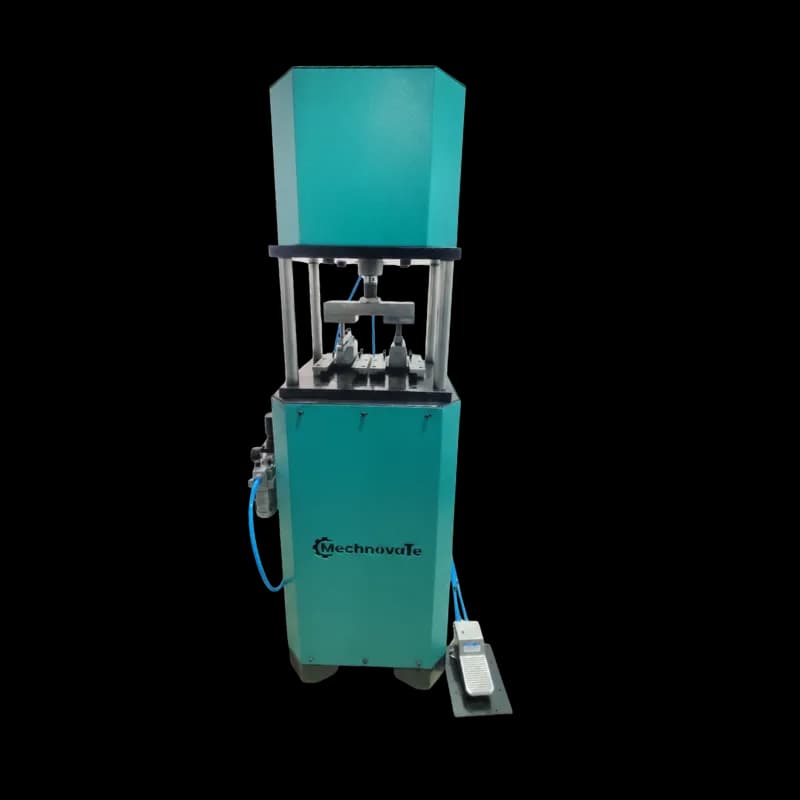
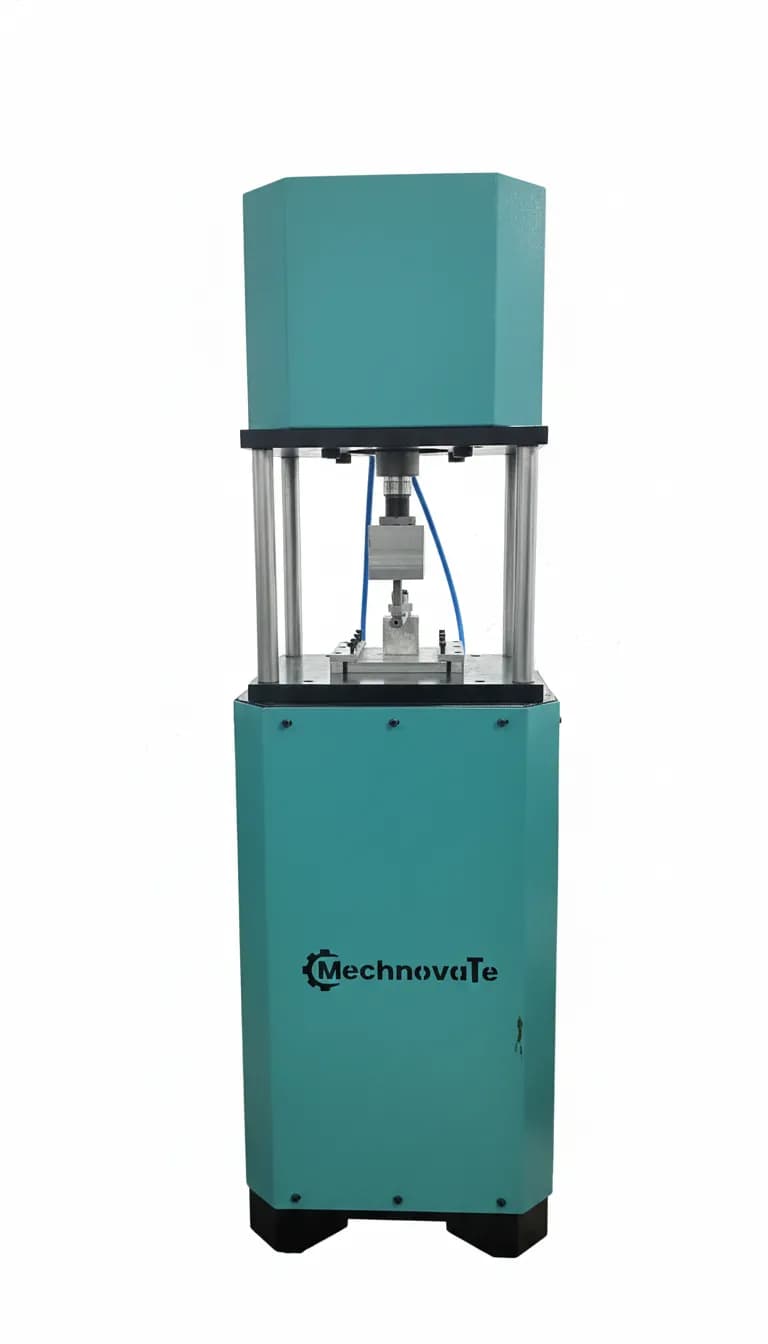
- Corner Strengthening: For high-rises, avoid the manual punching machine. You must use a Automatic Corner Crimping Machine with a hydraulic force of at least 15 MPa. This ensures the internal cleats are fused with the profile, creating a structural bond that manual aluminium punching machine setups simply cannot replicate.
- Hardware Processing: Use a high speed copy router for aluminium windows to mill slots for multi-point locks. Precision here is critical; a misaligned slot by even 1mm can cause lock failure after 1,000 cycles, leading to expensive maintenance calls to high-rise sites.
- End Milling: For the transoms and mullions, a heavy duty aluminium profile end milling machine with adjustable cutters is essential to handle different profile series without constant downtime for blade changes.
Case Study: From 12% Waste to 2.8% in a Porur Facility
In early 2023, we consulted for a medium-scale fabricator struggling with a 400-unit window contract for a new IT park. They were using a mix of upvc window manufacturing machine units and basic aluminium cutting machine 12 inch tools.
The Baseline:
- Output: 12 units/day
- Profile Waste: 12.4% (mostly due to incorrect miter cuts and manual measurement errors)
- Staffing: 8 skilled laborers
The Intervention: We replaced the manual cutters with an automatic double head cutting saw for aluminium profiles and integrated a digital measurement system. We also added a double head miter saw for aluminium profiles price-optimized for their budget.
The Results after 6 Weeks:
- Output: 42 units/day (a 250% increase)
- Profile Waste: 2.8%
- Staffing: 4 operators (freed up 4 staff members for installation and assembly)
- Energy Efficiency: The use of 3-phase high-efficiency motors reduced the kilowatt-per-frame cost by 22%.
Automatic Aluminium Window Production Line Price & ROI
When searching for the best aluminium window machinery suppliers in Chennai, transparency in pricing is key. Here is a breakdown of what to expect for a high-rise-ready production line:
- Standard Automatic Line (₹18L - ₹25L): Includes a pneumatic head cutting machine, a single-head crimper, and a basic copy router machine. Ideal for projects up to 10 stories.
- Premium CNC-Integrated Line (₹40L - ₹65L): Features a 3-axis or 4-axis CNC aluminium profile cutting machine, an automatic corner cleaning machine (for uPVC), and a multi-head upvc welding machine. This setup is essential for uPVC window machinery manufacturers in Lucknow or Chennai who are targeting massive government or luxury residential contracts.
- Startup Kits (₹6L - ₹10L): Usually includes a portable uPVC window making machine price list compliant setup. While good for residential bungalows, these are not recommended for high-rise scaling as they cannot handle the volume or the profile thickness.
Lessons Learned: Mistakes to Avoid in Machine Procurement
In my 15 years, I have seen many fabricators fail because they prioritized the aluminium cutting machine price over the service infrastructure.
Mistake 1: Underpowering the Air Supply. An automatic upvc window plant cost India often overlooks the compressor. A CNC or automatic line needs a 10HP to 15HP screw compressor with a refrigerated air dryer. Moisture in Chennai’s air will corrode the solenoid valves in your upvc windows manufacturing machine, leading to erratic cutting lengths.
Mistake 2: Ignoring Blade Quality. A high-quality aluminium cutter machine is only as good as its blade. Cheap blades overheat and warp, causing 'wavy' cuts on the profile surface. Always use industrial-grade carbide tips specifically balanced for 3000+ RPM.
Mistake 3: Poor Calibration. A double head miter saw must be calibrated to the workshop floor’s level. In our uPVC window machine service center in Tamil Nadu, 40% of our service calls are simply for machine leveling issues that cause skewed 45-degree cuts.
Standards and Safety Considerations
Your workshop must adhere to Industrial profile cutting safety standards ISO standards. This includes protective hoods on all head cutter machine units and emergency stop buttons within 0.5 meters of the operator. Furthermore, for the Chennai market, ensure your machines are tropicalized; the electronics should be housed in IP54-rated cabinets to prevent dust and humidity from shorting the PLCs.
FAQ: Critical Questions for Fabricators
Q: Can I use the same line for both Aluminium and uPVC? No. While some machines like the copy router machine can handle both, the upvc welding machine and aluminium corner crimping machine are entirely different processes. A dedicated upvc windows making machine line is necessary for vinyl profiles, while aluminium requires hydraulic crimping.
Q: What is the lead time for setting up a full production unit in Chennai? Typically, from the moment you finalize the automatic double head cutting machine price India terms, it takes 4-6 weeks for delivery and 7 days for on-site commissioning and staff training.
Q: Is it better to buy a CNC aluminium profile cutting machine or a standard automatic one? If you are processing more than 10 different profile sections a day, the CNC aluminium profile cutting machine suppliers India provide units that save hours of setup time. For high-volume single-profile runs, a standard automatic double head cutting machine is often more cost-effective.
Q: What is the typical warranty for heavy-duty machinery? At Mechnovate, we recommend a minimum 12-month comprehensive warranty with a 24-hour service turnaround, especially since downtime on a high-rise project can lead to heavy liquidated damages from the builder.
Get more articles like this
Follow Mechnovate on Google to see our guides in Google Discover & News