Scaling Bhopal Workshops: Guide to Automatic Double Head Cutting Saws
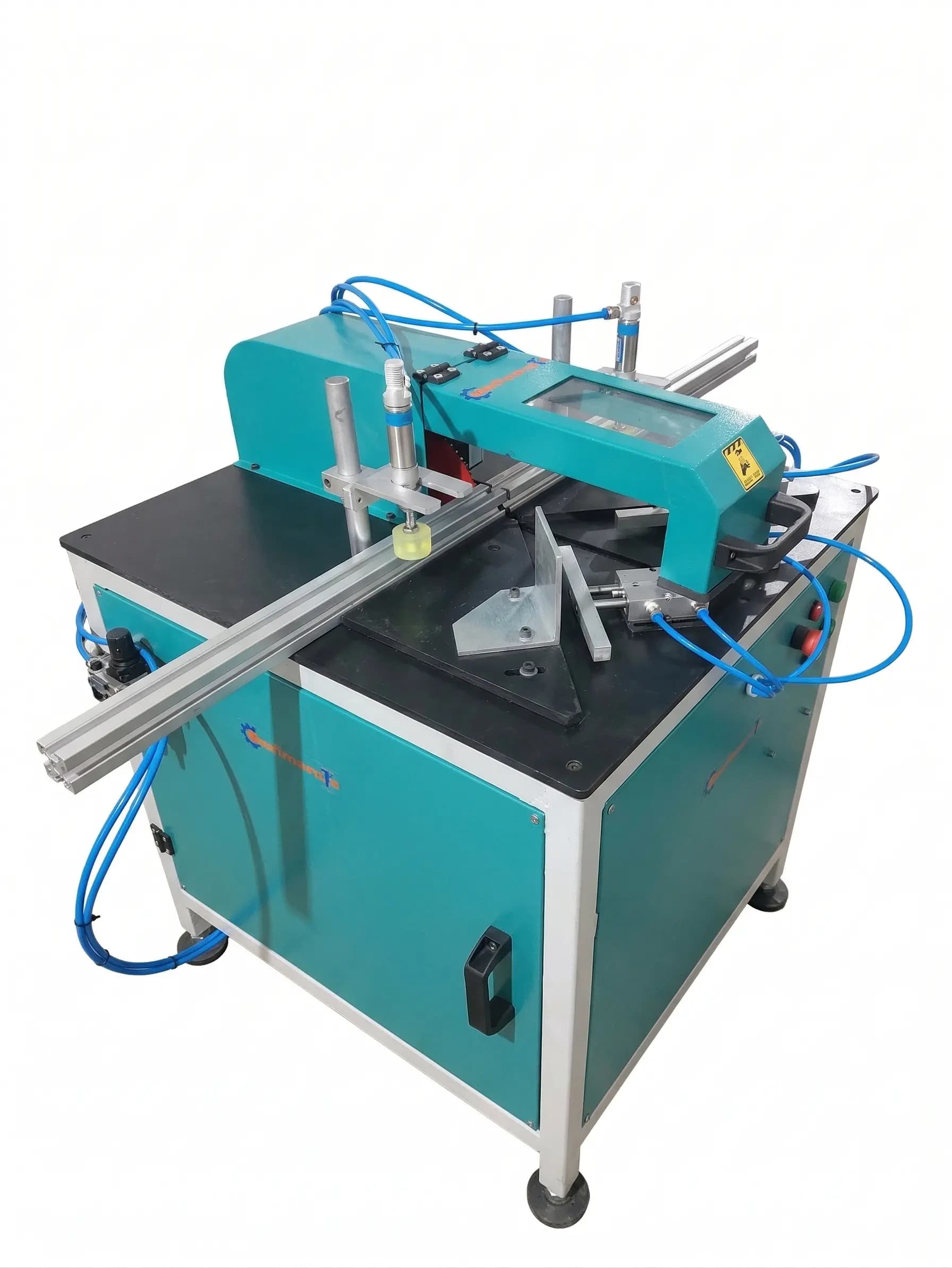
To scale an aluminium fabrication workshop in Bhopal for high-volume commercial contracts, the transition from manual single-head machines to an automatic double head cutting saw for aluminium profiles is non-negotiable. Commercial projects—such as high-rise window installations in Arera Colony or industrial glazing in Mandideep—demand a level of angular precision and throughput that standard 12-inch miter saws cannot achieve. By automating the simultaneous cutting of both ends of a profile, you eliminate cumulative measurement errors and reduce labor costs by approximately 60%.
Why Your Current Aluminium Cutting Machine Is Costing You Commercial Tenders
Most workshops in the Govindpura industrial area start with a standard aluminium cutting machine 12 inch or a manual single cutting setup. While these are sufficient for residential fly-screens, they fail under the tolerances required for BS EN 12020 standards. In a recent audit we conducted for a Mechnovate client expanding their facility, we found that manual measurement and single-head cutting resulted in a 4mm variance across a standard 2000mm frame. This leads to poor corner joints, excessive use of sealant, and ultimately, rejected inspections.
Scaling requires precision engineering. An Automatic Double Head Cutting Machine utilizes a pneumatic or servo-driven feeding system that locks the profile in place, ensuring that every 45-degree cut is perfectly mirrored. When you move to an automatic aluminium window production line price model, you aren't just buying speed; you are buying the ability to guarantee a 0.1mm tolerance to your architects and contractors. This technical reliability is what wins government and large-scale private sector tenders.
Technical Specifications: The Engineering Behind the Cut
When evaluating an aluminium profile cutting machine, the internal mechanics determine the longevity of your investment. For commercial grade 6063 T6 aluminium, your machine should meet these minimum technical benchmarks:
- Blade Diameter and RPM: A 450mm to 500mm carbide-tipped blade is essential. At Mechnovate, we recommend a spindle speed of 2800–3200 RPM to prevent "galling"—where the aluminium melts and sticks to the blade teeth.
- Angular Versatility: The machine must offer automated indexing for 45°, 90°, and intermediate angles. A 45 degree double head cutting machine with CNC control allows the operator to switch between window types in seconds.
- Clamping Pressure: Look for triple pneumatic clamping (vertical and horizontal). This prevents the profile from vibrating, which is the leading cause of burred edges and shortened tool life.
- Swarf Management: Commercial scaling generates massive amounts of aluminium chips. High-end window machinery includes integrated vacuum extraction ports to maintain a clean workspace and prevent scratching of powder-coated surfaces.
Case Study: From 15 to 65 Frames Per Shift in a Bhopal Facility
In 2023, we assisted a mid-sized fabricator in the Mandideep industrial belt. Their baseline was 15 window frames per 8-hour shift using two manual punching machine units and three aluminium cutter machine 12 inch setups. Their waste rate (kerf loss and measurement errors) was 12%.
We implemented a workflow centered around a double head miter saw for aluminium profiles. The results over a 6-week testing period were transformative:
- Output: Increased from 15 to 65 frames per shift using the same number of staff.
- Waste Reduction: Dropped from 12% to 2.8% due to the optimized nesting software integrated with the PLC.
- Consistency: The rework rate fell to nearly zero, allowing them to take on a 400-unit apartment project that previously would have been impossible.
This growth wasn't just about the saw. We integrated a Copy Router Machine to handle hardware slots and an Aluminium Punching Machine for rapid drainage hole execution. This holistic approach is the hallmark of a professional uPVC machinery manufacturer and aluminium specialist.
Selecting the Right Equipment: Common Pitfalls to Avoid
When searching for an aluminium cutting machine price, many shop owners fall into the trap of buying the cheapest available unit from unverified suppliers. This leads to "The Accuracy Drift," where the machine loses calibration after just three months of heavy use. Here is what to watch out for:
- Cast Iron vs. Welded Frames: Always opt for a machine with a heavy cast-iron base. A light aluminum cutting machine will vibrate, leading to micro-fractures in the carbide blade tips.
- Support and Service: Ensure your supplier has a local service presence. A downtime of three days on a head cutting machine can cause you to miss a delivery milestone and trigger penalty clauses in commercial contracts.
- Safety Standards: Ensure the machine adheres to ISO standards for industrial profile cutting safety, including two-hand safety starts and protective hoods that fully enclose the blade during the cutting cycle.
The Financials: Aluminium Cutting Machine Price and ROI
The automatic double head cutting machine price India varies significantly based on automation levels. A basic pneumatic version might start at ₹4.5 Lakhs, while a full CNC aluminium profile cutting machine can exceed ₹12 Lakhs. However, when you factor in the reduction in labor and the 8-10% savings on raw material waste, most Bhopal-based facilities see a full Return on Investment (ROI) within 14 to 18 months of securing their first major commercial contract.
FAQ: Expert Advice for Fabricators
Q: Can I use an aluminium cutting machine for uPVC profiles? Yes, but with caveats. While an aluminium cutter can cut uPVC, the blade geometry and RPM should ideally be adjusted. If you are a hybrid shop, look for upvc windows manufacturing machine options that offer variable speed drives to accommodate both materials without melting the uPVC or chipping the aluminium.
Q: What is the maintenance schedule for a double head miter saw? Daily: Clear swarf from the guide rails. Weekly: Check pneumatic oil levels and tension on the drive belts. Monthly: Verify the 45-degree calibration using a digital protractor. Proper maintenance ensures your head cutter machine lasts 10+ years.
Q: Is a CNC-controlled saw worth the extra cost? If you are cutting more than 5 different profile lengths per day, yes. A CNC system stores your entire cutting list, eliminating the time spent manually moving the saw head for each new dimension. For high-volume upvc window manufacturing machines, CNC is the standard.
Get more articles like this
Follow Mechnovate on Google to see our guides in Google Discover & News