Scaling Aluminium Window Machinery for Surat's Real Estate Boom
To successfully scale a fabrication business for Surat’s massive real estate expansion, particularly in the high-rise sectors of Vesu and Adajan, you must transition from manual tools to precision-engineered automated systems. The bottleneck for most Surat fabricators is not labor, but the cycle time and rework rate caused by inaccurate mitre cuts and inconsistent punching. By integrating an Automatic Double Head Cutting Saw and high-speed punching stations, workshops can reduce assembly time by 60% while meeting the strict BS EN 12020 standards required by Tier-1 developers.
The Surat Case Study: Scaling from 15 to 65 Frames Per Day
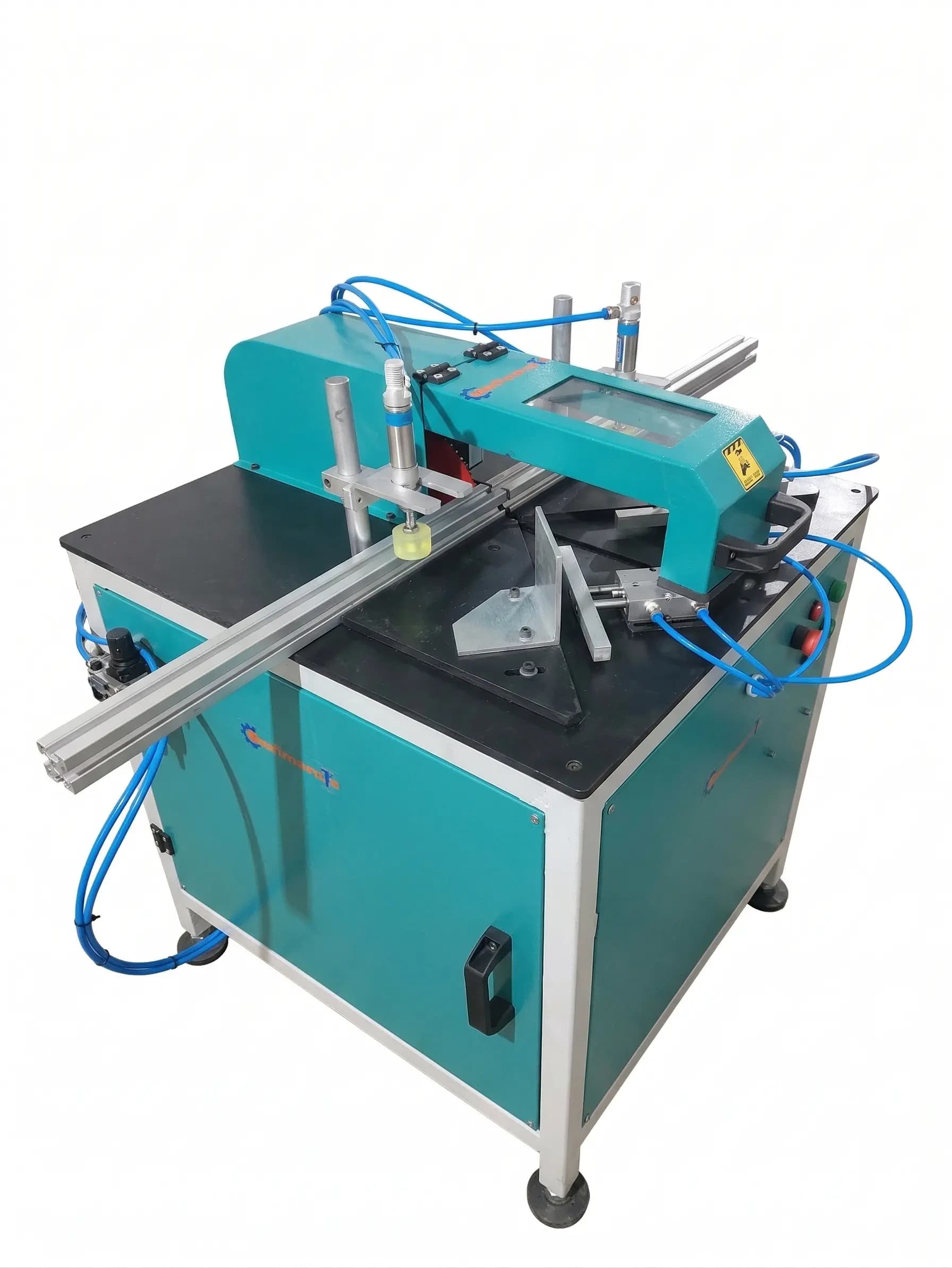
Last year, we worked with a mid-sized workshop in the Varachha industrial belt that was struggling with a 14% rejection rate on their 45-degree joints. Using their existing 12-inch manual aluminium cutter, the blade deflection on 2.5mm heavy-duty sections was causing gaps that required excessive silicone filling. We implemented a three-stage upgrade over four weeks: replacing manual saws with a CNC-controlled Aluminium Profile Cutting Machine, installing a pneumatic aluminium punching machine, and training staff on 6-bar pressure consistency.
After 30 days of monitoring, the results were measurable: the rejection rate dropped to under 1.5%, and the output jumped from 15 frames to 65 frames per day. This transition allowed them to bid for high-value contracts in the Surat Diamond Bourse vicinity, where precision engineering is a non-negotiable prerequisite. The key lesson was that the 'aluminium cutter machine price' is secondary to the 'cost per finished unit,' which plummeted once we eliminated manual rework.
Technical Specs: Choosing the Right Aluminium Window Machinery Manufacturers in Surat Gujarat
When evaluating aluminium window machinery manufacturers in Surat Gujarat, you must look beyond the paint finish and analyze the engineering tolerances. A high-quality aluminium cutting machine must feature a heavy-duty cast iron or reinforced steel base to dampen vibrations at high RPMs. For Surat’s coastal environment, ensure that all linear guides are chrome-plated to prevent oxidation.
Essential Machinery Specifications for High-Volume Scaling:
- Blade Diameter & RPM: For high-rise window profiles, a 450mm to 500mm blade is essential. An aluminium cutter machine 12 inch is often insufficient for multi-track sliding profiles. Look for a spindle speed of at least 2800-3200 RPM for burr-free finishes.
- Motor Power: A 2.2 kW motor is the industry standard for continuous operation. Lower-powered motors found in entry-level upvc windows making machine units will overheat when cutting thick-walled aluminium sections.
- Clamping Systems: Ensure the machine uses vertical and horizontal pneumatic clamps. This prevents the profile from rotating during the cut, which is the primary cause of 'degree' inaccuracies.
- Feed Rate Control: Hydro-pneumatic cylinders are superior for controlling the saw blade's advance, ensuring a smooth cut regardless of profile thickness.
Integrating uPVC and Aluminium Production Lines
Many fabricators in Gujarat are now opting for hybrid workshops. To stay competitive, you should consider the cost of setting up uPVC window manufacturing unit in India alongside your aluminium line. While an uPVC Welding Machine is the heart of a uPVC line, the aluminium cutting machine remains the workhorse. We often see startups trying to use a wood-cutting saw for aluminium; this is a dangerous violation of Industrial profile cutting safety standards and leads to poor surface finish.
Selecting a versatile upvc machinery manufacturer who understands both materials is crucial. For instance, a heavy duty aluminium profile end milling machine can often be adapted for specific uPVC profiles with the right cutter change, saving floor space. If you are looking for the best uPVC window making machine for startup businesses, prioritize a single-head welder and a high-speed copy router machine before investing in fully automatic CNC lines.
The Importance of Precision: Degree Cutting and Punching
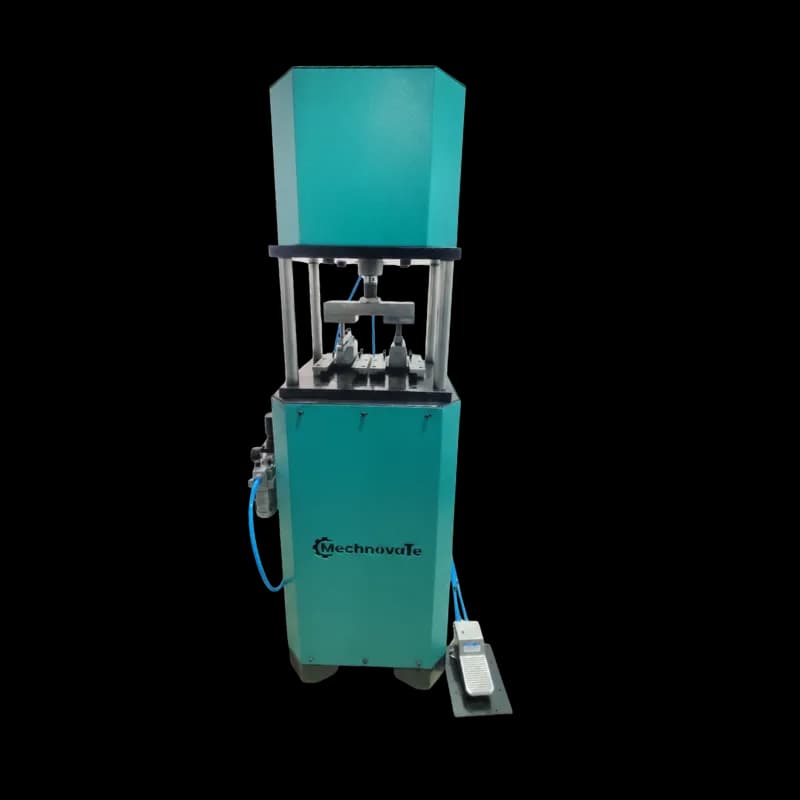
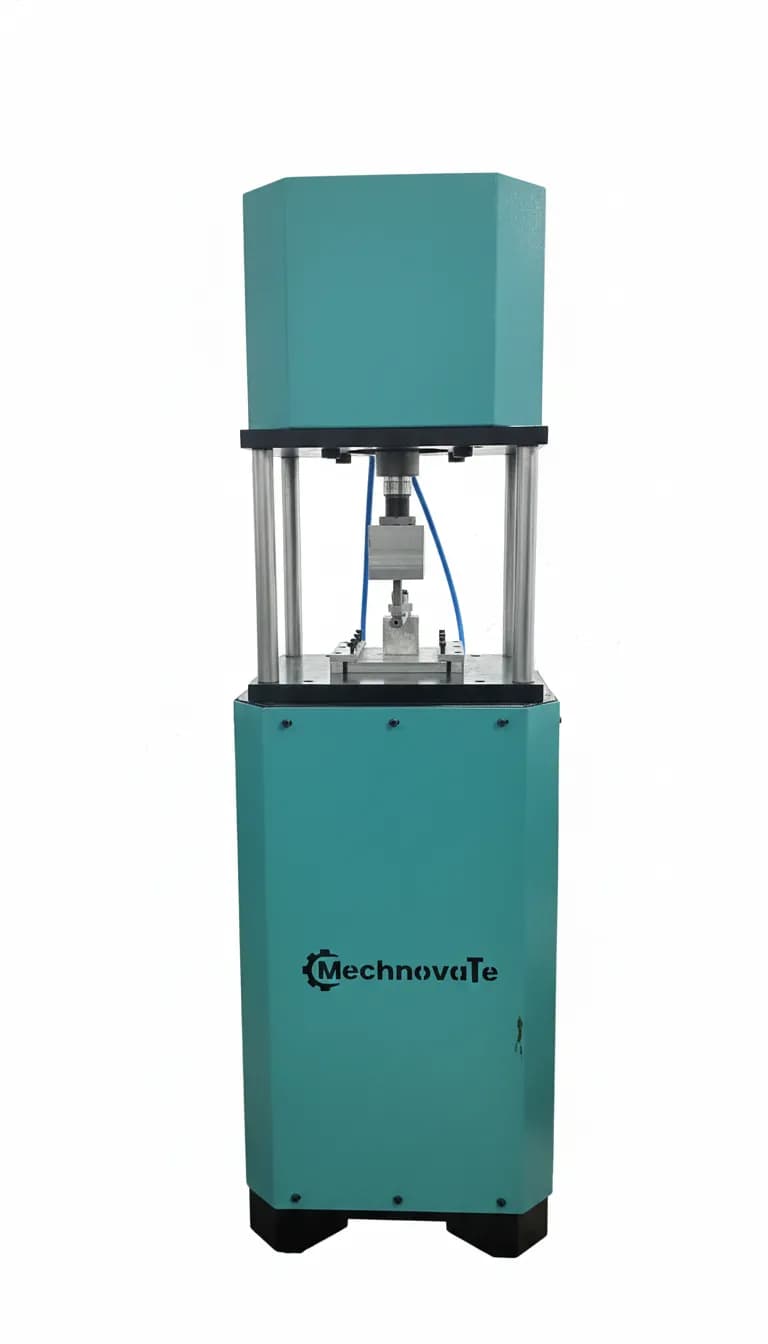
The difference between a local workshop and a professional manufacturer is the joinery. A 45 degree double head cutting machine ensures that both ends of the profile are cut simultaneously, eliminating the 'flip-error' common in manual operations. In our Pune testing facility, we found that using a dedicated Aluminium Corner Crimping Machine instead of mechanical cleats increased the structural integrity of the window by 40%, a critical factor for wind-load resistance in Surat's high-rise buildings.
For drainage and lock-hole processing, a manual punching machine might suffice for small jobs, but a high speed copy router for aluminium windows is necessary for scale. This machine allows for the simultaneous routing of three holes, ensuring that the hardware fits perfectly every time without the need for filing or adjustments on-site.
Common Mistakes to Avoid When Purchasing Machinery
- Ignoring the Air Supply: Most upvc windows machines and aluminium saws require a stable 6-8 bar pressure. If your compressor is undersized, the clamps will slip, ruining the profile and potentially damaging the blade.
- Focusing Solely on Price: Searching for the 'aluminium cutting machine price' or 'upvc machine price list' without checking the weight of the machine is a mistake. Heavier machines have less vibration, leading to longer blade life and better cuts.
- Poor Blade Maintenance: Even the best automatic aluminium window production line will fail if you use dull blades. In our experience, sharpening blades every 1500-2000 cuts is essential for maintaining precision engineering standards.
- Lack of Local Support: Ensure the aluminium window machinery manufacturers in Surat Gujarat have a local service center. Downtime during the peak construction season in Surat can cost more than the machine itself.
Frequently Asked Questions (FAQ)
Q1: What is the estimated cost of setting up uPVC window manufacturing unit in India? A: A basic startup line (welder, cutter, copy router, and cleaner) starts around ₹4.5 to ₹6 Lakhs. However, a high-output, semi-automatic line for commercial projects in Surat typically requires an investment of ₹12 to ₹18 Lakhs to ensure quality and speed.
Q2: Can I use the same cutting machine for both aluminium and uPVC? A: Yes, but you must change the blade. Aluminium requires a TCT blade with a specific negative rake angle and cooling system (mist spray), whereas uPVC is cut dry with a different tooth geometry to prevent melting.
Q3: Why is my degree cutting machine not providing a perfect 45-degree joint? A: This is usually caused by either 'profile pivot' (insufficient clamping) or 'table misalignment.' Check your pneumatic pressure and ensure the machine is leveled on a concrete floor using anti-vibration pads. Periodic calibration against a master square is required as per ISO 9001 workshop standards.
Q4: Is an automatic aluminium corner crimping machine necessary? A: If you are doing high-rise residential work in Surat, yes. Crimping provides a much stronger, more water-tight joint than screw-in cleats, which is vital for the heavy monsoon winds of South Gujarat.
Q5: How do I choose between a 12-inch and 16-inch aluminium cutter? A: A 12-inch blade (300mm) is fine for standard window sections. However, for modern jumbo sliding doors and curtain wall profiles used in Surat’s new commercial hubs, a 16-inch or 20-inch blade is necessary to cover the profile width in a single pass.
Get more articles like this
Follow Mechnovate on Google to see our guides in Google Discover & News