Scale Your Pune Workshop: Aluminium Window Fabrication Machine Suppliers
Scaling an aluminium window fabrication business in Pune's competitive real estate landscape requires more than just skilled labor; it demands a transition from manual operations to high-precision engineering workflows. In the Pimpri-Chinchwad and Chakan industrial belts, workshops are often caught between the rising demand for high-rise residential windows and the limitations of entry-level machinery. To effectively scale, fabricators must prioritize Automatic Double Head Cutting Machine units that offer the repeatability required for projects exceeding 500 units. My 15 years of experience at Mechnovate shows that the difference between a profitable project and a loss-making one often boils down to a 0.5mm deviation in the miter cut. When Pune developers look for suppliers, they look for consistency across thousands of frames. This guide breaks down how to achieve that level of precision using the right aluminum window fabrication machinery.
Case Study: Optimizing Throughput in a Pimpri-Chinchwad Workshop
Last year, we conducted a 6-week operational audit for a mid-sized workshop in Pune that had just secured a contract for a 12-tower township in Hinjewadi. Their existing setup relied on a standard 12-inch aluminium cutter machine and a manual punching machine. The initial scrap rate was hovering at 12% due to inaccurate degree cutting and profile deformation during punching. We implemented a three-stage upgrade process that transformed their output metrics.
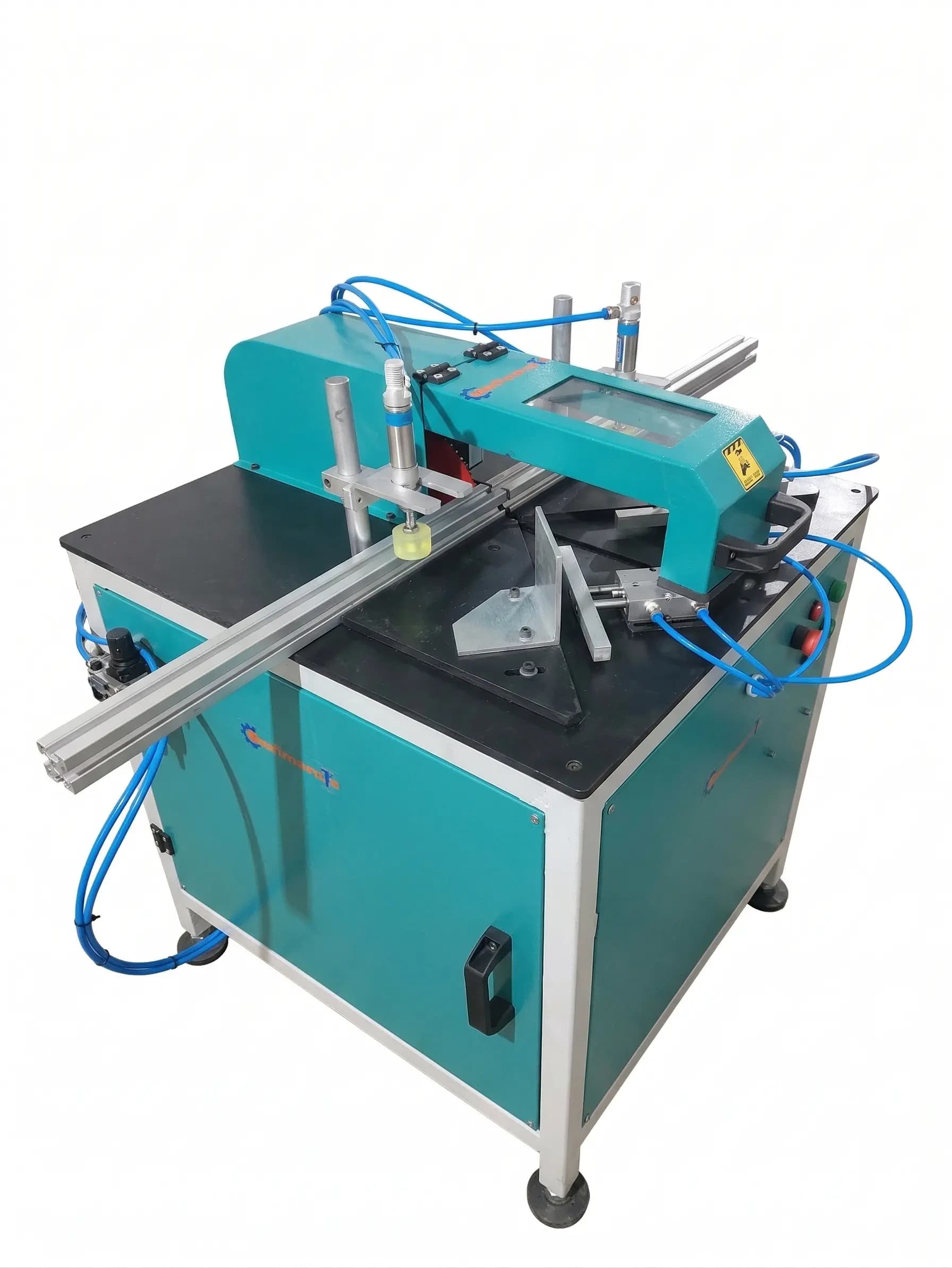
- Phase 1: Precision Cutting (Week 1-2): We replaced the manual 12-inch aluminium cutter machine with a heavy-duty Double Head Miter Saw featuring 500mm TCT blades. This allowed for simultaneous cutting of both ends at a 45-degree angle with a length tolerance of ±0.1mm.
- Phase 2: Automated Punching (Week 3-4): We introduced a multi-station aluminium punching machine capable of handling Euro-groove profiles. This eliminated the variability of manual drilling and reduced the processing time per frame by 65%.
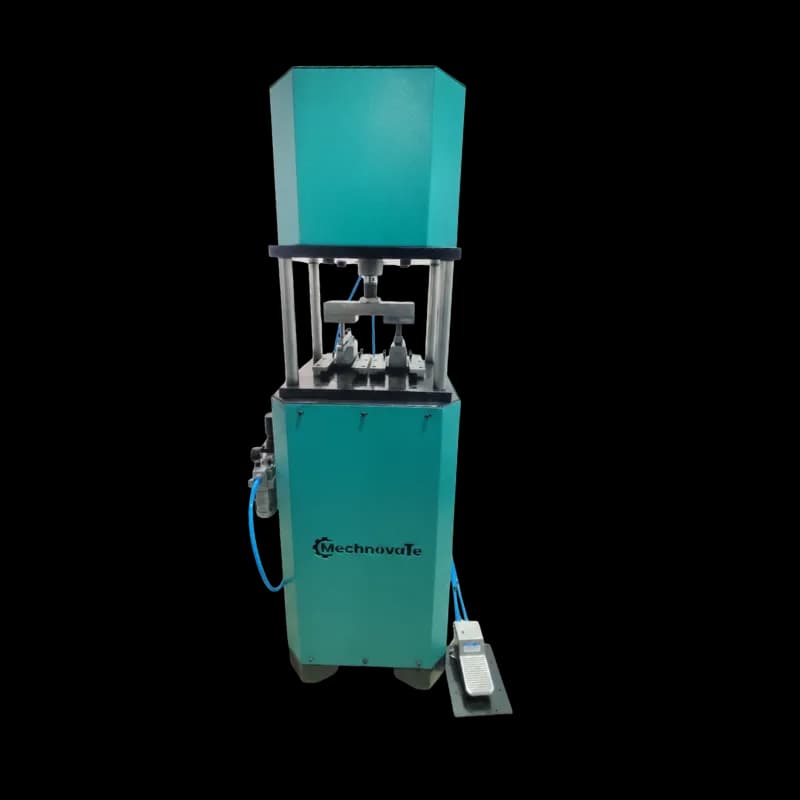
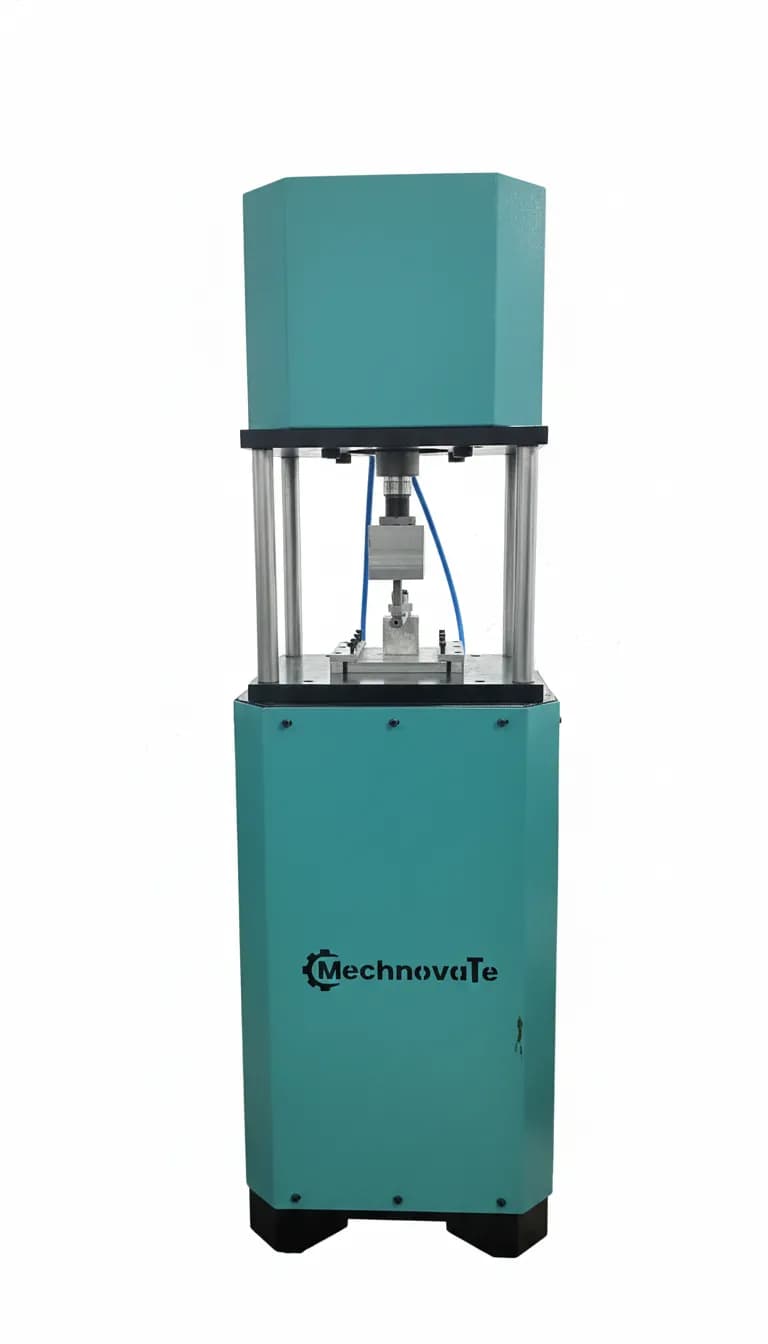
- Phase 3: Structural Integrity (Week 5-6): The final step was the integration of an Aluminium Corner Crimping Machine. Unlike manual screw-joining, hydraulic crimping ensures the joint is air-tight and water-resistant, meeting IS 1285 standards for structural glazing.
The Results:
- Waste Reduction: Dropped from 12% to 2.8% by utilizing optimized cutting software.
- Output Increase: Increased from 45 frames per day to 115 frames per day with the same headcount.
- Quality Score: 99.8% first-pass acceptance by the project’s third-party auditors.
Technical Benchmarks for Aluminium Window Fabrication Machine Selection
When evaluating aluminium window fabrication machine suppliers in Pune, generic sales pitches should be ignored in favor of hard engineering data. The structural integrity of a window depends on the machine's ability to maintain torque under load and the stability of its pneumatic clamping systems. Here are the precise specifications you should demand from your aluminum machinery manufacturers in Ahmedabad or Pune.
- Blade Peripheral Speed: For a clean finish on 6063 T6 aluminium alloys, the blade should operate at a peripheral speed of approximately 80 m/s. This typically translates to a motor speed of 2800 to 3200 RPM for 400mm-500mm blades.
- Motor Power: Avoid underpowered units. A 2.2kW motor is the minimum requirement for heavy-duty industrial profile cutting. Lower power leads to 'chatter' marks on the profile surface, necessitating expensive manual sanding.
- Pneumatic Pressure: Your shop air system must consistently deliver 6-8 bar pressure. Ensure the machine includes a high-quality FRL (Filter, Regulator, Lubricator) unit to protect the pneumatic cylinders from Pune’s humidity.
- Profile Thickness Tolerance: High-precision machines must handle profiles ranging from 1.2mm to 3.0mm thickness without crushing the thermal break or scratching the powder coating.
Comparing Aluminium vs uPVC Machinery for Multi-Material Workshops
Many Pune fabricators are diversifying into both materials. Understanding the crossover in equipment is vital for capital expenditure planning. While an aluminium cutter machine and a upvc windows making machine might look similar, their engineering requirements differ significantly. A uPVC Welding Machine uses heat-plate technology to fuse profiles at 250°C, whereas aluminium requires mechanical joining or crimping. If you are setting up a hybrid unit, you should look for a upvc window manufacturing machine supplier that understands both CNC uPVC window corner cleaning machine price dynamics and the robustness required for aluminium corner crimping.
Essential Hybrid Workshop Equipment List:
- Cutting Saw: A high-speed aluminium cutting machine 12 inch is sufficient for small sections, but a 45 degree double head cutting machine is required for volume.
- Milling: A heavy duty aluminium profile end milling machine for creating mullion joints.
- Routing: A High Speed Copy Router for hardware slots and drainage holes.
- uPVC Specifics: If handling uPVC, include a double head seamless welding machine for uPVC windows to ensure aesthetic finish on white profiles.
Avoiding Common Procurement Mistakes in Maharashtra
A common mistake I see among Pune-based startups is over-prioritizing the 'aluminium cutting machine price' over the 'Total Cost of Ownership' (TCO). A cheap aluminium cutter machine 12 inch might save you ₹50,000 upfront, but if it lacks a precise linear guide rail system, you will lose that saving in profile waste within the first three months. Here is what to watch out for:
- Lack of Local Service Support: Many suppliers sell machines but have no technicians in Pune or Mumbai. Ensure your supplier provides a guaranteed 24-hour response time.
- Lightweight Bed Construction: The machine bed must be cast iron or heavy-gauge welded steel. Lightweight aluminum beds vibrate, leading to inaccurate 45-degree miters that won't close properly during assembly.
- Manual vs Automatic Stop Systems: Manual measurements are the leading cause of human error. Even if you cannot afford a full CNC setup, invest in a digital display or an automatic length positioning system.
The Engineering Logic Behind High-Precision Joints
Why does a degree cutting machine need to be so precise? In high-rise real estate projects in areas like Baner or Kharadi, wind loads at the 20th floor can exceed 2.0 kPa. If your window frame has a 0.5mm gap in the corner because your cutting machine was out of calibration, that window will whistle or leak during the monsoon. We recommend ISO 9001 certified machinery that utilizes a 'down-to-up' or 'front-to-back' blade feed. This movement pattern, combined with vertical and horizontal pneumatic clamps, ensures the profile doesn't shift during the cut. This is why Mechnovate emphasizes the use of heavy-duty industrial profile cutting safety standards to protect both the operator and the precision of the workpiece.
FAQ: Scaling Your Fabrication Unit
Q: What is the estimated cost of setting up a uPVC window manufacturing unit in India for a startup? A: A basic startup line including a single head cutting machine, a welding machine, and a portable copy router starts around ₹4 to ₹6 Lakhs. However, a semi-automatic line capable of handling real estate projects typically requires an investment of ₹12 to ₹18 Lakhs.
Q: Can I use the same cutting machine for aluminium and uPVC? A: Technically, yes, if the blade is designed for both and the RPM is adjustable. However, the debris from uPVC (plastic shavings) and aluminium (metal chips) should not be mixed in the vacuum extraction system due to fire risks and recycling contamination.
Q: How often should I calibrate my double head miter saw? A: In a high-volume Pune workshop, we recommend a daily check of the 45-degree and 90-degree stops using a precision square and a weekly calibration of the digital length measurement system.
Get more articles like this
Follow Mechnovate on Google to see our guides in Google Discover & News