Scale Window Fab in Delhi: Automatic Production Guide
Why Delhi Fabricators Must Transition to Automatic Production Lines
In the high-pressure Delhi construction market, manual fabrication is no longer economically viable for shops handling more than 10 frames per day. Scaling window fabrication requires moving beyond the basic aluminium cutter and adopting a synchronized automatic double head cutting saw for aluminium profiles to ensure millimeter-perfect precision. A manual workflow often leads to a 12% material waste rate due to human error in measuring and 45-degree angle drift. By upgrading to an automatic aluminium window production line, you eliminate the 'measure twice, cut once' bottleneck, allowing your skilled labor to focus on assembly rather than corrections. This shift is essential to meet the speed and quality demands of Tier-1 developers in NCR who now mandate ISO-compliant tolerances for thermal-break and acoustic profiles.
Performance Metrics: The Pune Case Study Results
To understand the real-world impact of automation, we conducted a rigorous test in our Pune facility over a 6-week period. We compared a traditional manual setup using a standard 12-inch aluminium cutter machine against a semi-automatic production line. The results were definitive and provide a roadmap for Delhi workshops looking to scale.
- Waste Reduction: We reduced cutting waste from 12% to 3.2% by utilizing a CNC-integrated cutting list that optimized profile usage.
- Output Increase: Total frame production rose from 15 frames per 8-hour shift to 58 frames, a 286% increase in throughput.
- Labor Efficiency: We transitioned from four operators per line to just two, allowing the other two to manage the heavy duty aluminium profile end milling machine and final assembly.
- Precision Consistency: Every cut maintained a tolerance of ±0.15mm, significantly lower than the 1.5mm variance seen in manual operations.
Essential Machinery for a Modern Delhi Workshop
Transitioning to a high-output facility requires a specific suite of machines designed for the rigors of Indian manufacturing conditions. While you might start with a basic aluminium profile cutting machine, a professional setup must include:
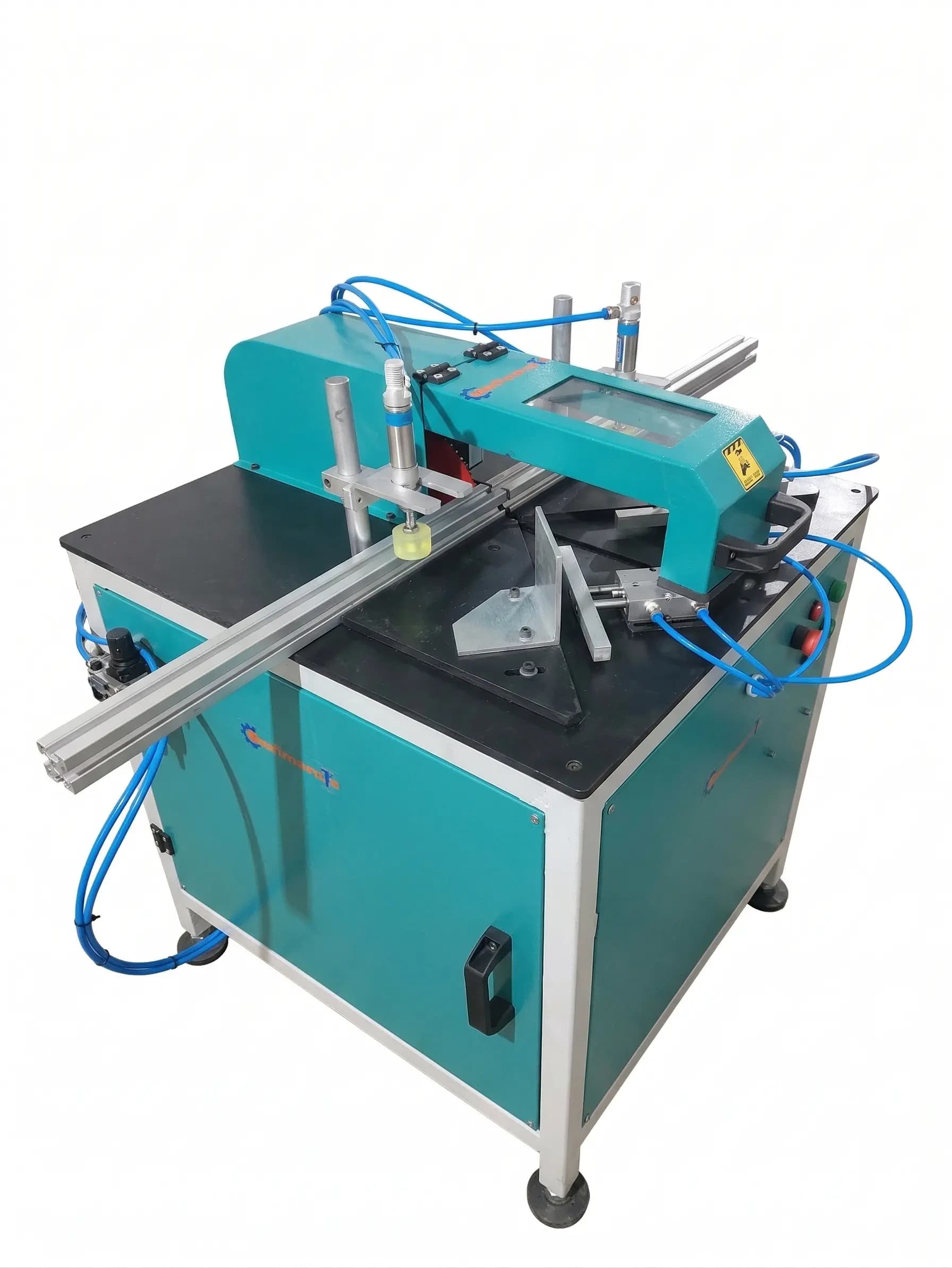
- Double Head Miter Saw: Essential for simultaneous 45-degree cuts on both ends of a profile. A 45 degree double head cutting machine with 500mm blades is ideal for the heavy-duty architectural profiles common in Delhi's high-rise projects.
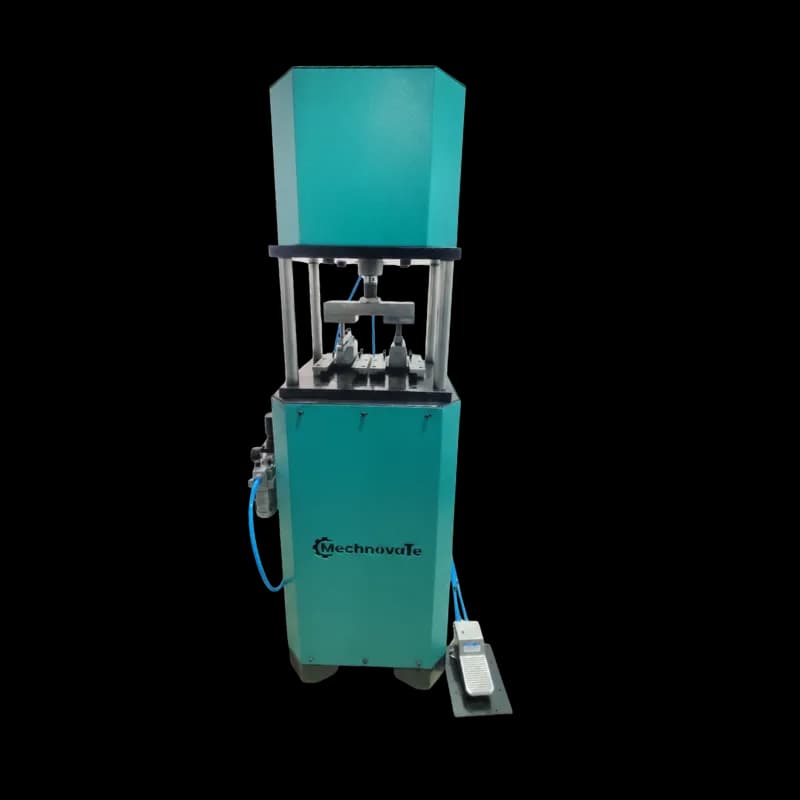
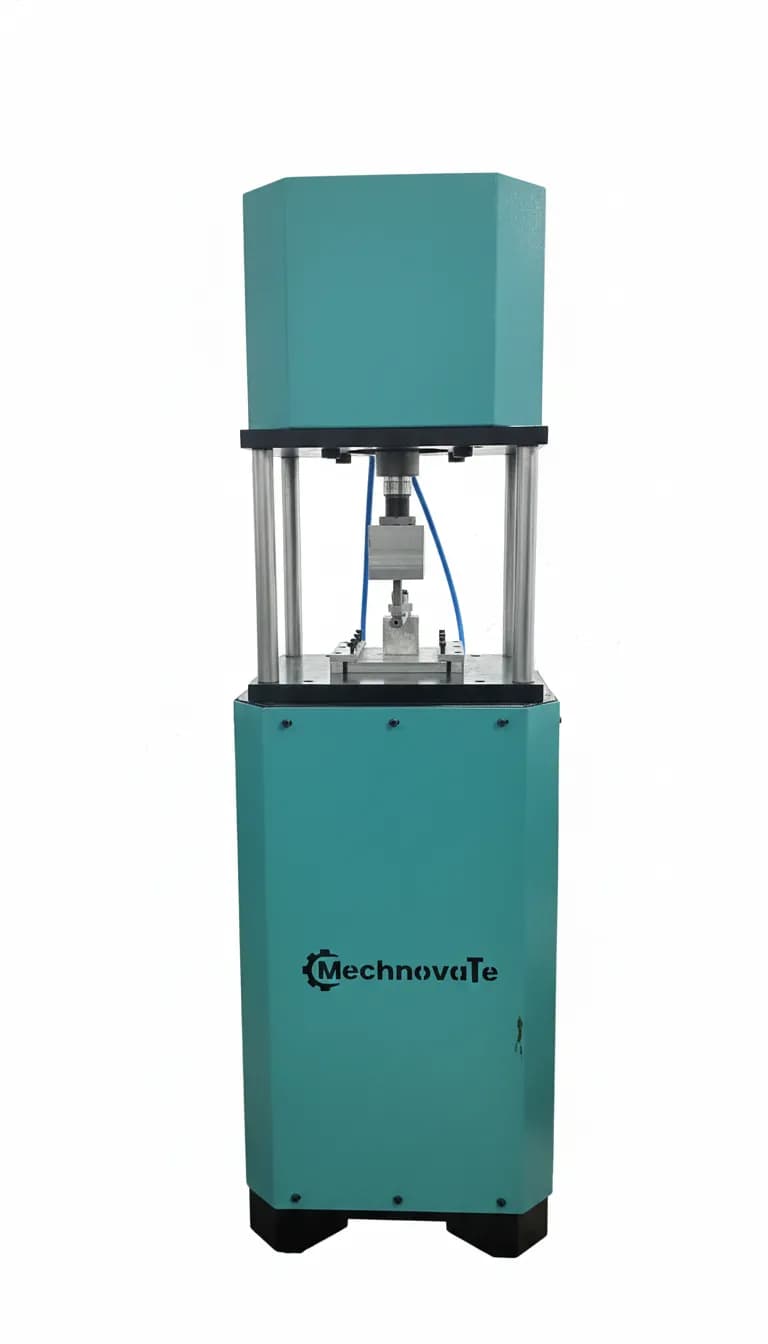
- Corner Crimping Station: For aluminium, the joint strength is paramount. An automatic aluminium corner crimping machine price Gujarat provides the 16-20 kN of hydraulic force needed to fuse joints permanently, something manual punching machines simply cannot replicate.
- Copy Router: A high speed copy router for aluminium windows is necessary for hardware slotting (locks, handles) without compromising the profile's structural integrity.
- End Milling Machine: Crucial for preparing mullions to fit perfectly within the frame, especially when working with complex multi-chambered designs.
Engineering Deep Dive: Technical Specifications and Standards
When evaluating an automatic aluminium window production line price, you must look beyond the sticker and into the engineering specs. A professional-grade aluminium cutting machine should feature a spindle speed of at least 2800 RPM to ensure a burr-free finish on 6063-T6 alloy profiles. We recommend machines that utilize carbide-tipped blades with a tooth pitch optimized for 2.0mm to 3.5mm wall thicknesses.
Furthermore, your shop must adhere to Industrial profile cutting safety standards ISO standards. This includes ensuring all cutting machine automatic units have dual-hand safety triggers and enclosed cutting chambers to prevent swarf-related injuries. Air pressure management is another critical factor; most automatic uPVC window manufacturing plant cost India estimates overlook the need for a stable 6-8 bar pneumatic supply with integrated moisture separators to protect sensitive solenoid valves.
Common Pitfalls: What to Watch Out For in Delhi
Over my 15 years in the workshop, I have seen many fabricators fail because they prioritized the lowest upvc machine price list over long-term reliability. One common mistake is using an aluminium cutting machine 12 inch for large-scale commercial projects. A 12-inch blade lacks the depth of cut required for wide-frame sliding systems, leading to double-cutting and inevitable misalignment.
Another error is neglecting the calibration of the 45-degree stops. In the extreme heat of Delhi summers, metal components expand; if your machine lacks a thermal-stable cast iron base, your 45-degree cuts will drift by 0.5 degrees, resulting in visible gaps at the corners. Always check if your supplier offers a uPVC window machine service center in North India to handle periodic recalibration and blade sharpening, as a dull blade increases motor load and ruins profile finishes.
ROI Analysis: The Cost of Setting Up a Unit in India
The total cost of setting up uPVC window manufacturing unit in India or an aluminium line varies, but the ROI typically hits within 14 to 18 months for a medium-sized shop. While the automatic double head cutting machine price India may seem high initially, the savings in material waste alone often cover the monthly EMI. When you factor in the ability to take on larger contracts that require CNC uPVC window fabrication machine precision, the business case for automation becomes undeniable.
Frequently Asked Questions (FAQ)
Q: Can I use the same machine for both uPVC and Aluminium fabrication? No. Aluminium requires higher spindle speeds and specialized lubrication systems (oil mist) to prevent the alloy from sticking to the blade. uPVC machinery manufacturers machine sets are designed for lower melting points and different clamping pressures.
Q: What power supply is required for an automatic production line? Most industrial-grade machines, including the automatic aluminium corner crimping machine, require a 3-phase 415V supply. Operating on single-phase converters often leads to torque loss and motor burnout during heavy-duty cutting.
Q: How often should I calibrate my double head miter saw? For high-volume Delhi workshops, we recommend a weekly check of the 45 and 90-degree stops using a precision machinist's square. A full professional calibration should be performed every six months to ensure compliance with ISO quality standards.
Get more articles like this
Follow Mechnovate on Google to see our guides in Google Discover & News