Reducing Manual Errors: High Speed Copy Router for Delhi Workshops
The Cost of Manual Slotting Errors in Delhi’s NCR Market
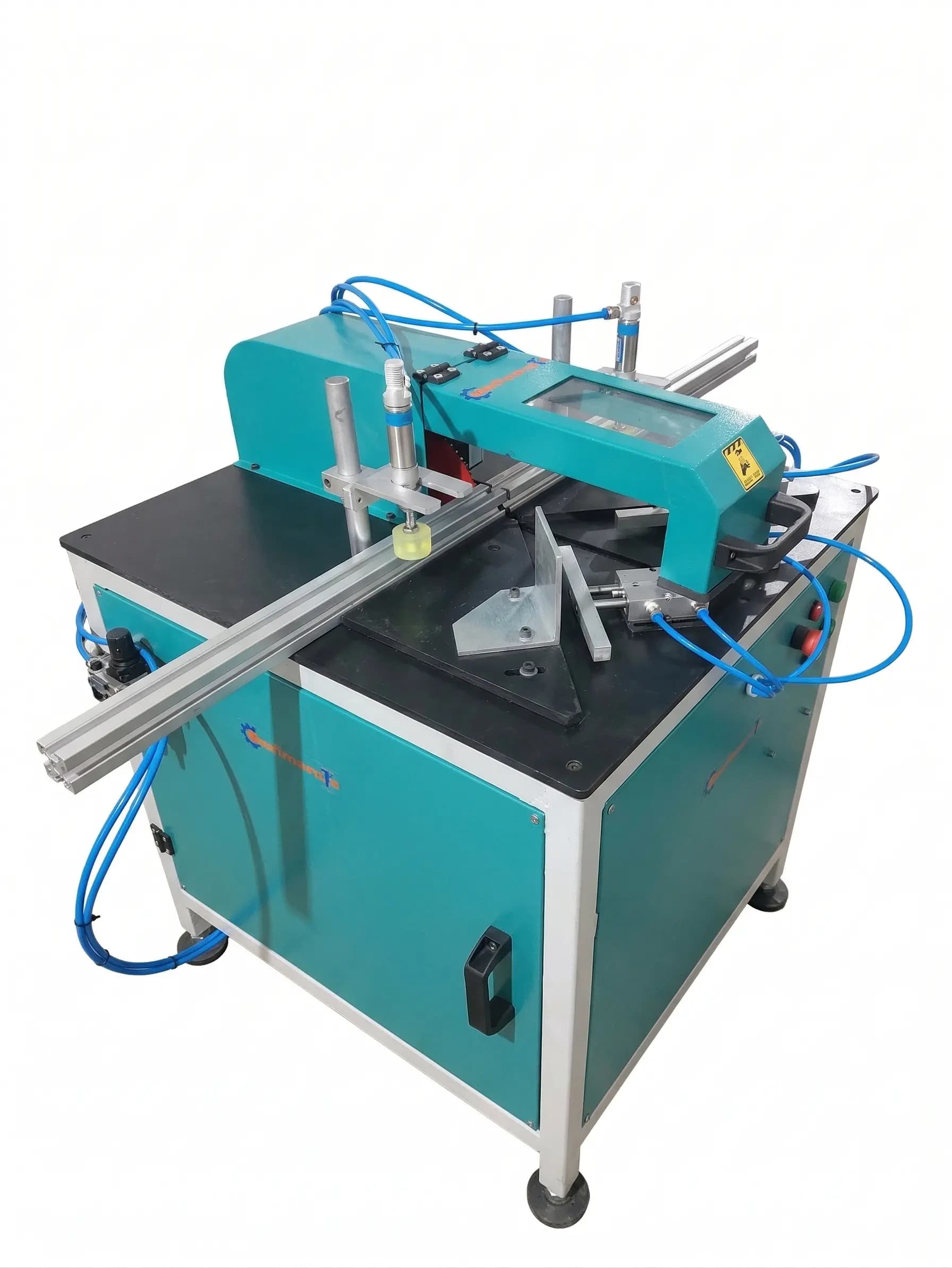
In Delhi’s high-stakes real estate market, manual slotting errors represent the single largest overhead for aluminium fabricators. Whether you are working on a high-rise in Noida or a luxury villa in Gurgaon, the precision of handle holes, lock cylinders, and drainage slots determines the final structural integrity of the window. A manual error of just 1.5mm can lead to 'whistling' windows or hardware misalignment that requires an entire profile replacement. For a typical workshop in Okhla or Kirti Nagar, these errors contribute to a 12-15% rejection rate during the QC phase. Integrating a Heavy Duty Copy Router Machine is no longer an upgrade; it is a necessity to meet the ISO standards and the precision engineering requirements of Tier-1 contractors.
Traditional methods involving hand-held drills or low-speed routers often cause thermal stress on the aluminium profile, leading to micro-cracks and poor finish. High-speed copy routers operate at 12,000 to 18,000 RPM, ensuring a burr-free finish that requires zero post-processing. This speed is critical for maintaining the structural properties of Grade 6063 aluminium profiles, commonly used in premium NCR projects. By automating the pathing through a template, you eliminate the 'human factor' that often leads to ruined profiles during the final stages of fabrication.
Why a High Speed Copy Router for Aluminium Windows Outperforms Manual Jigs
The fundamental problem with manual jigs is 'template creep' and 'vibration distortion.' In our field testing across various North Indian facilities, we observed that high-speed machines significantly reduce cycle times while maintaining a tolerance of ±0.2mm.
- Triple Hole Drilling Precision: A standard Single Head Cutting Machine can cut the profile, but the routing of the handle holes requires simultaneous accuracy. High-speed routers with pneumatic clamping ensure the profile does not shift under the torque of the bit.
- Thermal Management: At 12,000 RPM, the contact time between the HSS bit and the aluminium is minimized, preventing the alloy from reaching its plastic state. This ensures the edges remain sharp and the 'aluminium cutting machine' finish is preserved throughout the profile.
- Versatility across Alloys: Delhi workshops often switch between lightweight sections and heavy-duty 2.5mm profiles. A dedicated high speed copy router for aluminium windows adapts to these variations without requiring the operator to adjust manual pressure, which is where most mistakes happen.
Case Study: Reducing 18% Rejection Rates in an Okhla Fabrication Unit
Last year, we consulted for a mid-sized fabrication unit in Okhla Phase III that was struggling with a 18.5% rejection rate on a project involving 400 casement windows. Their primary issue was manual slotting for multi-point locks. The operators were using handheld routers which caused 'ovaling' of the holes. This led to hardware failure after only three months of installation.
We implemented a 3-step technical overhaul over six weeks:
- Phase 1: Replaced manual hand-tools with a high-speed copy router with a 1:1 ratio template.
- Phase 2: Standardized the use of 5mm and 8mm HSS bits specifically rated for 12,000 RPM.
- Phase 3: Synchronized the routing process with an Aluminium Punching Machine to handle corner cleat preparation.
The Results:
- Wastage Reduction: Profile waste dropped from 18.5% to 2.2% within the first month.
- Production Speed: Output increased from 15 frames per day to 42 frames per day.
- Labor Efficiency: The need for a dedicated 'finisher' to file down rough edges was eliminated, saving approximately ₹45,000 per month in labor costs.
Essential Specifications for Precision NCR Projects
When sourcing a copy router or any aluminium window fabrication machine, look beyond the price tag. The technical specifications must align with the heavy-duty cycles required for Delhi's heat and dust environments.
- Spindle Speed: Minimum 12,000 RPM. Anything lower will result in 'tearing' rather than 'cutting' the aluminium.
- Clamping System: Dual horizontal and vertical pneumatic clamps are mandatory to prevent profile twisting.
- Cooling System: An automatic mist spray lubrication system (using a water-soluble oil) is vital. Without this, the aluminium will weld itself to the router bit, causing immediate tool breakage.
- Working Range: Ensure the machine can handle at least 250mm x 100mm of travel to accommodate modern wide-profile architectural designs.
For workshops also dealing with uPVC, it is important to note that while some machines are marketed as a universal 'upvc windows making machine,' the motor torque requirements for aluminium are significantly higher. Using a low-torque uPVC machine on aluminium will burn out the motor within six months.
Common Mistakes and Maintenance Protocol
Many fabricators in the NCR region overlook 'Spindle Run-out.' If your spindle has even a 0.05mm wobble, your high speed copy router for aluminium windows will produce vibrating noise and inaccurate slots.
What to Watch Out For:
- Template Wear: Steel templates eventually wear down. If you notice a 'soft' edge on your slots, replace the template immediately.
- Bit Selection: Never use wood-working bits on an aluminum cutting machine. The flute geometry is entirely different and will cause the machine to kick back.
- Pressure Fluctuations: Ensure your workshop compressor maintains a steady 6-8 bar pressure. If the pressure drops, the pneumatic clamps may loosen mid-cut, which is a major safety hazard and ruins the profile.
FAQ: Critical Questions from Delhi Fabricators
Q: Can I use a uPVC copy router for aluminium profiles? No. Aluminium requires higher spindle speeds and specific lubrication systems that most standard 'upvc window manufacturing machinery' lacks. The motor on a uPVC machine will overheat when faced with the resistance of 2mm+ aluminium walls.
Q: How often should I replace the router bits? In a high-volume Delhi workshop, HSS bits should be checked every 100 slots. A dull bit increases the load on the motor and ruins the 'aluminium profile cutting machine' finish. Carbine-tipped bits last longer but are more brittle.
Q: What is the ROI on a high-speed copy router for a startup? Typically, if you are processing more than 10 frames a day, the reduction in profile wastage and the elimination of manual rework pay for the machine within 8 to 10 months. It also allows you to bid for premium NCR projects that require strict precision engineering certifications.
Get more articles like this
Follow Mechnovate on Google to see our guides in Google Discover & News