Reducing Lead Times in Delhi: High Speed Copy Router Guide
Reducing Lead Times in Delhi: Why a High Speed Copy Router for Aluminium Windows is Your Most Critical Upgrade
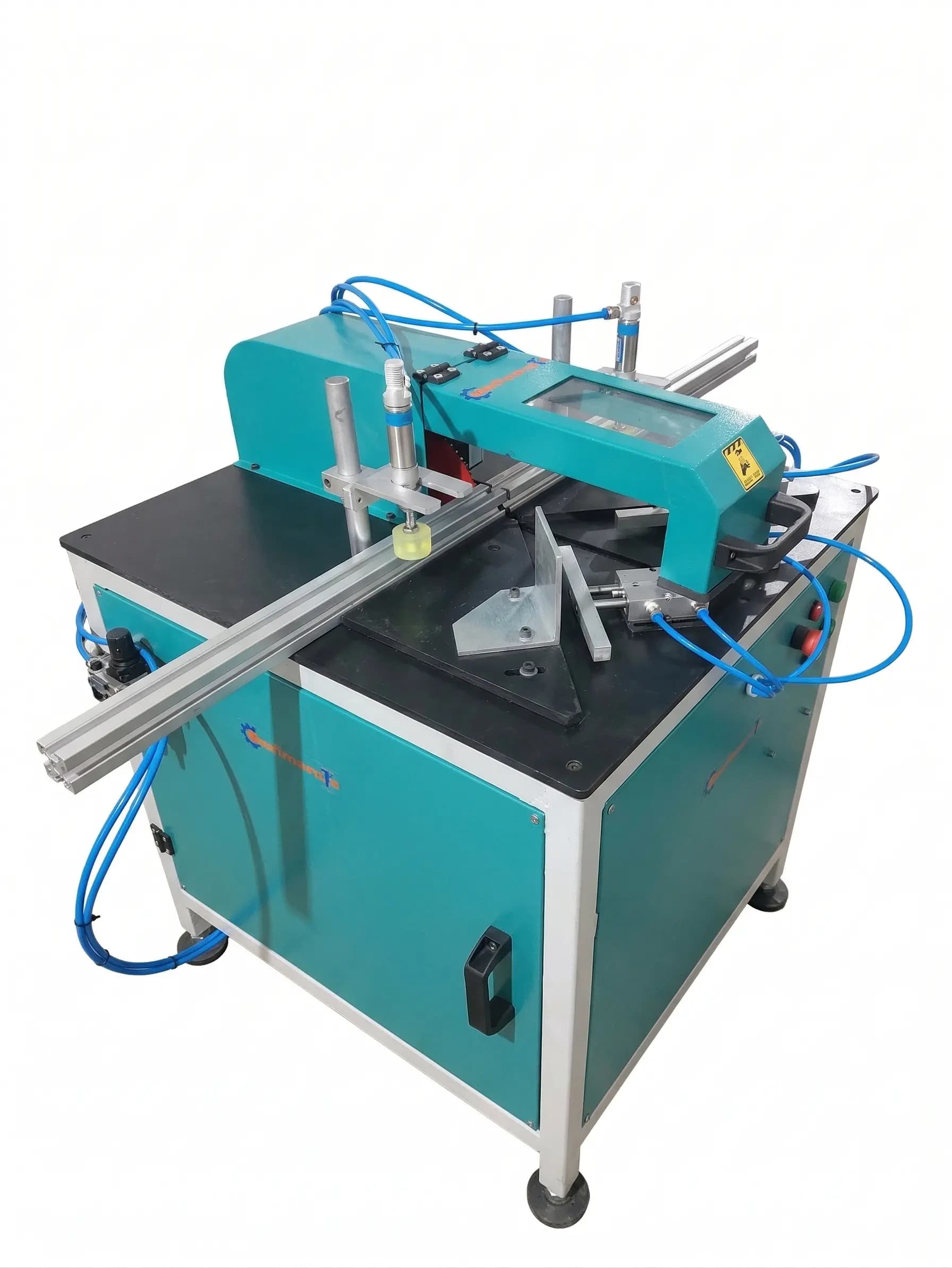
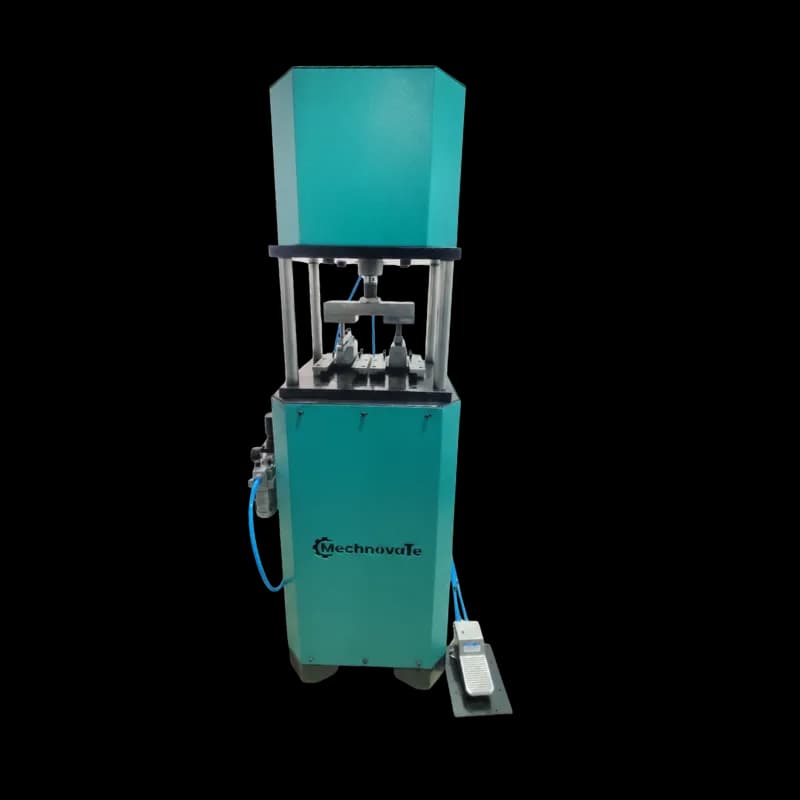
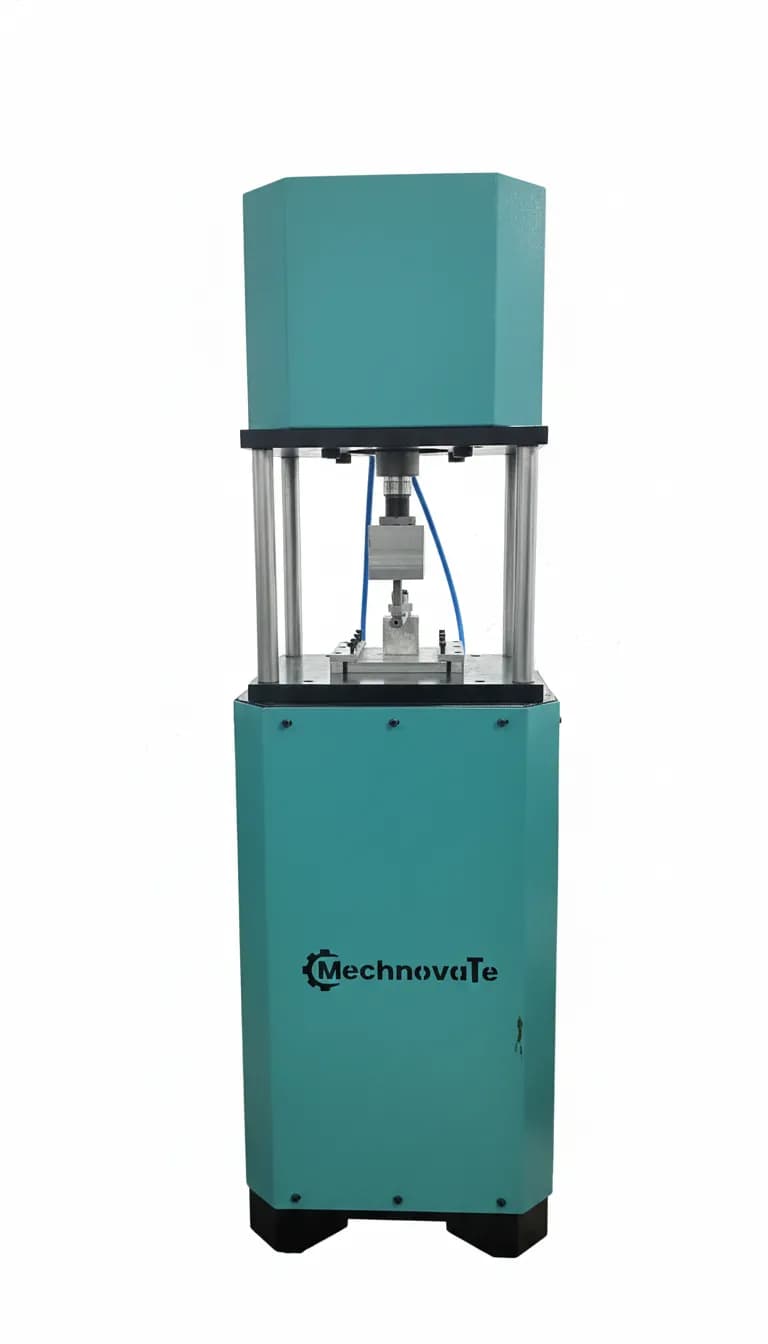
In the Delhi NCR market, where developers demand tight delivery schedules for massive residential projects in Noida and Gurgaon, the primary bottleneck isn't the cutting stage—it is the hardware slotting. Fabricators often find that their high-capacity aluminium profile cutting machine creates a backlog at the routing station where manual processes slow down the entire line. Upgrading to a high speed copy router for aluminium windows can reduce profile processing time by 75%, allowing a single operator to do the work of four manual drillers while maintaining a 0.1mm tolerance. For any workshop aiming to scale, this is the most critical upgrade to move from 'local fabricator' to 'industrial-scale supplier'.
The Delhi Case Study: From 12-Minute Manual Slots to 3-Minute Precision
In our Mechnovate field testing conducted at a 5,000 sq. ft. facility in Okhla, we tracked the production of 100 casement windows over two weeks. Initially, the team used manual punching machines and hand drills to create slots for handles and friction stays. This manual method averaged 12 minutes per profile, including marking time, and had a rejection rate of 8% due to off-center holes that prevented hardware from seating flush. We replaced these manual stations with a single-spindle high speed copy router for aluminium windows and observed an immediate transformation.
- Marking time was eliminated entirely as the machine uses a master template.
- Routing time dropped to 180 seconds per profile for a standard lock-hole and handle slot.
- The rejection rate fell to near zero because the pneumatic clamping system prevents profile vibration.
- Labor costs were reduced by 40% as the skill requirement for the operator shifted from 'precision craftsman' to 'machine loader'.
This shift is essential for aluminium fabrication in Delhi where labor turnover is high; having a machine that standardizes quality ensures your reputation remains intact even when staff changes.
Engineering Specs: Why RPM and Pneumatics Dictate Quality
When evaluating a high speed copy router for aluminium windows, precision engineering isn't just a marketing buzzword; it refers to the spindle's runout and heat management. For aluminium alloys like 6063-T6 (the industry standard under IS 1285), the router bit must maintain a minimum speed of 12,000 to 18,000 RPM. At lower speeds, the aluminium tends to 'gum' or weld itself to the bit, leading to jagged edges and broken tools.
We recommend a 1.2kW to 1.5kW motor to handle the resistance of thicker thermal-break profiles. Look for machines with a vertical and horizontal pneumatic clamping system. In Delhi's high-humidity months, ensure your air supply is filtered through a dryer to prevent moisture from entering the pneumatic valves, which is a common cause of clamp failure in local workshops. The use of a mist lubrication system (oil-air mix) is non-negotiable for prolonging the life of your 5mm or 8mm solid carbide bits.
Why a High Speed Copy Router for Aluminium Windows Beats CNC for Small Shops
While a full CNC uPVC window fabrication machine price in India might tempt those looking for total automation, the copy router remains the king of ROI for aluminium-focused shops. Here is why it is often the smarter investment for Delhi-based SMEs:
- Setup Speed: Changing a template on a copy router takes 2 minutes; reprogramming a CNC for a custom profile can take 20.
- Maintenance: Standard copy routers use mechanical followers that any shop foreman can adjust, unlike complex CNC servos that require specialized technicians.
- Floor Space: In expensive industrial zones like Mayapuri or Bawana, the compact footprint of a copy router allows for better material flow compared to massive machining centers.
- Versatility: These machines handle everything from water-drainage slots to handle holes and espagnolette grooves with a simple swap of the template.
For those diversifying into uPVC, the same machine can often be used, though we suggest checking the upvc window manufacturing machine price list to see if a dedicated uPVC unit fits your budget better.
Common Mistakes to Avoid in Aluminium Window Fabrication
A frequent error we see during factory audits is the use of 'universal' templates that have become worn over time. If the follower pin has even 0.5mm of play, your hardware will rattle, a defect that high-end clients in Delhi's luxury real estate market will not accept. Another mistake is neglecting the safety standards of industrial profile cutting. Always ensure the machine has a transparent poly-carbonate shield to protect against high-velocity aluminium chips.
Furthermore, many fabricators try to save money on the automatic aluminium corner crimping machine price by using manual corner cleats. However, if your routed holes are perfect but your corners are weak, the window will sag, causing the lock to misalign over time. A holistic approach to your production line—integrating a high speed copy router for aluminium windows with a proper crimper—is the only way to guarantee a 10-year structural warranty for your clients.
FAQ: What Fabricators in Delhi Frequently Ask
Q: Can I use the same copy router for both aluminium and uPVC profiles? A: Yes, a high speed copy router for aluminium windows is perfectly capable of routing uPVC. However, you must ensure the RPM is adjustable or the bit is specifically designed for plastic to avoid melting the profile edges.
Q: What is the average lifespan of a routing bit in high-volume production? A: With a proper mist lubrication system and 12,000+ RPM, a high-quality carbide bit should last for 500-800 profiles. Without lubrication, this can drop to less than 100 before the cut quality degrades.
Q: Is it difficult to make custom templates for new profile sections? A: Not at all. Most Mechnovate machines allow you to use a 1:1 ratio template. You can have a local tool-and-die shop laser-cut a 4mm steel plate based on your profile's CAD drawing, ensuring perfect accuracy for every new series you launch.
Get more articles like this
Follow Mechnovate on Google to see our guides in Google Discover & News