Reducing Lead Times for Thane High-Rise Projects: Aluminium Punching Machine Guide
The Lead Time Crisis in Thane’s High-Rise Construction Landscape
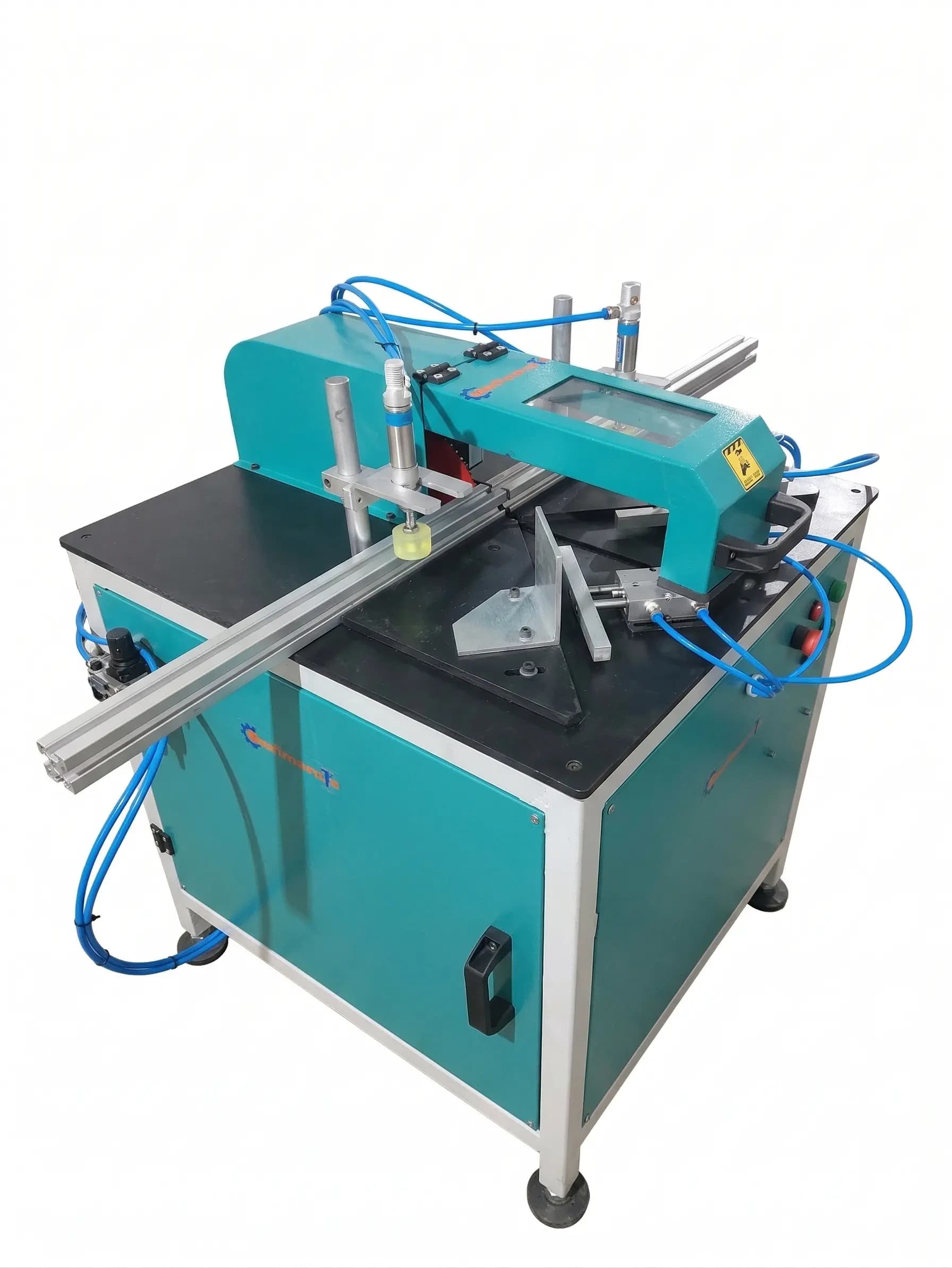
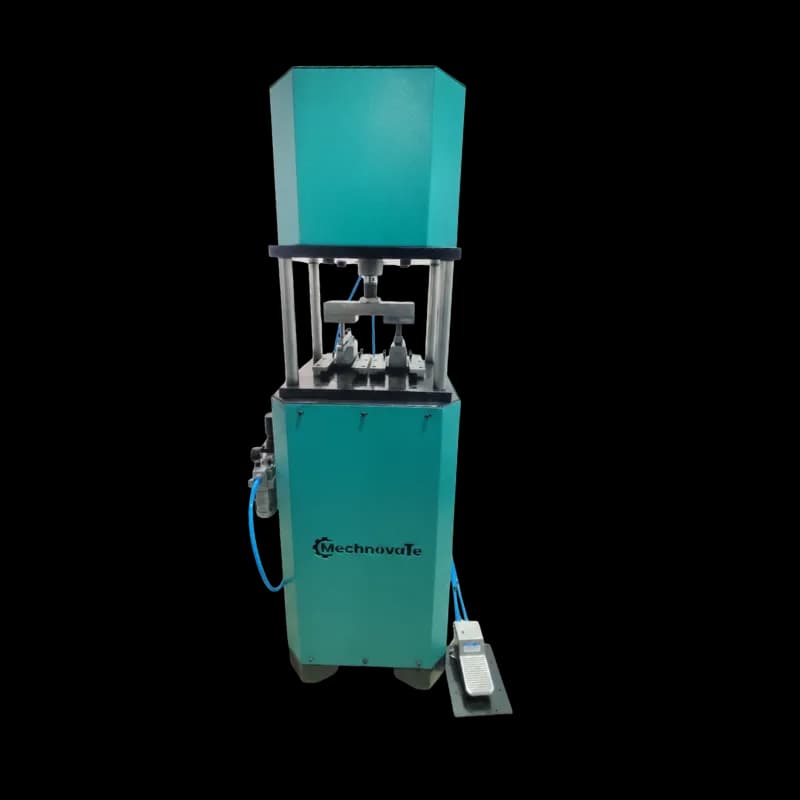
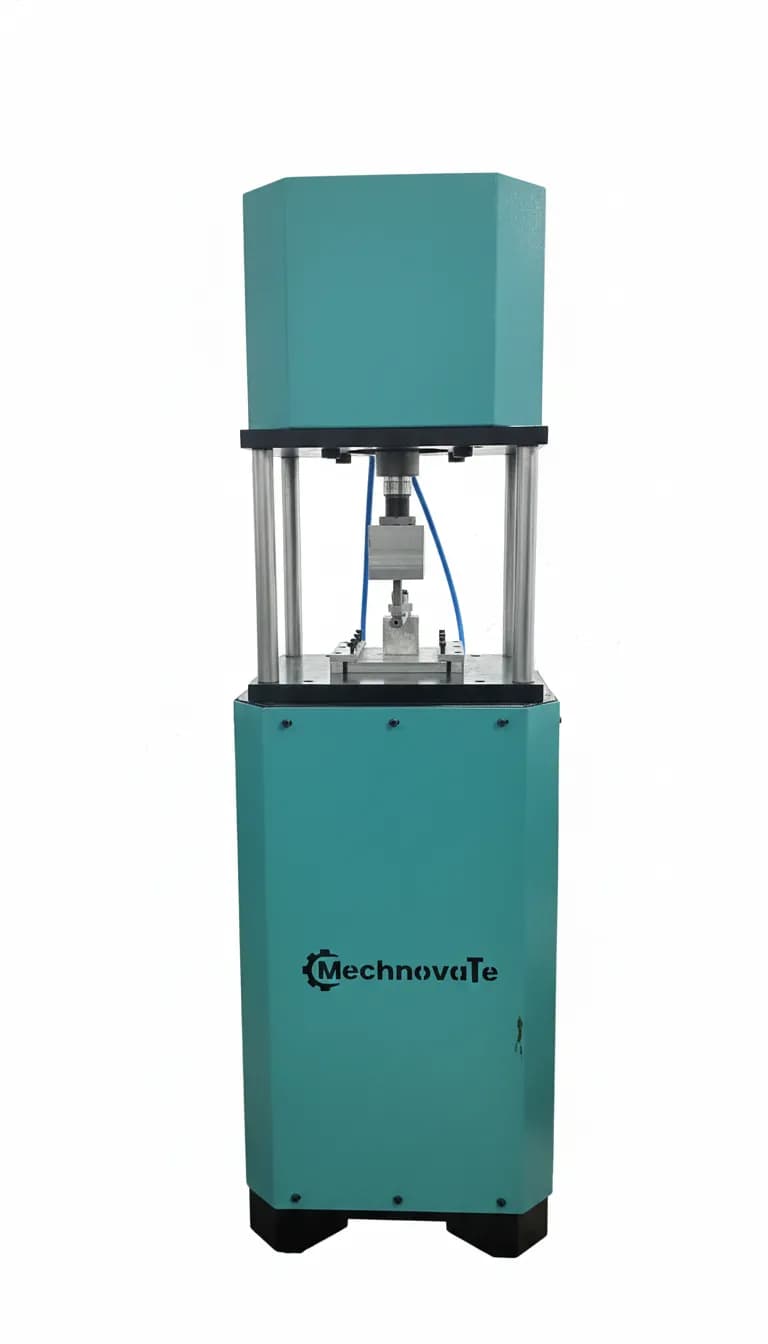
Fabricators working on premium residential towers along Ghodbunder Road and Pokhran Road in Thane face a unique challenge: massive volume coupled with stringent wind-load specifications. To maintain project timelines, relying on manual drilling or outdated routing processes is no longer viable. The bottleneck in most workshops is the transition from the aluminium cutting machine to the assembly stage. This is where a high-precision aluminium punching machine becomes the most critical asset in your production line.
In high-rise developments (30+ floors), window profiles must withstand higher Pascal ratings, necessitating thicker wall sections (often 2.0mm to 2.5mm). Conventional methods lead to ‘drill wander’ and inconsistent slotting, causing rejected frames during QC. Our field data shows that switching to a dedicated punching station reduces hole-processing time by approximately 85% per profile, directly addressing the lead time pressure from developers.
Hands-On Case Study: Mechnovate Pune Facility Performance Test
In early 2023, our engineering team at the Pune facility conducted a comparative analysis between traditional routing and pneumatic punching. We simulated a standard 200-unit order for a 2.5BHK configuration common in Thane’s new residential clusters.
- The Configuration: We used a 10-station pneumatic punch setup against a standard copy router machine.
- The Material: Aluminium alloy 6063-T6 with a wall thickness of 2.2mm.
- The Results:
- Routing Time: Average of 105 seconds per profile for drainage slots and handle holes.
- Punching Time: 14 seconds per profile for identical operations.
- Waste Reduction: Swarf and chip waste were reduced by 18%, as punching produces a clean slug rather than micro-shavings that clog cooling systems.
- Timeline Impact: We reduced the total fabrication cycle from 12 days down to 4 days, effectively tripling the workshop's capacity without increasing floor space.
Technical Specifications: What Engineers Look For
Choosing an aluminium punching machine requires understanding the physics of shear. For the high-tensile profiles used in Thane towers, a machine must deliver consistent pressure without frame deflection.
- Bar Pressure & Force: A minimum of 6-8 bar pneumatic pressure is required. For profiles exceeding 3mm, we recommend hydraulic systems that provide 5 to 10 tons of force.
- Die Clearance: To adhere to IS 1285 and ISO 9001 quality standards, the die clearance should be precisely 10-12% of the material thickness. Incorrect clearance results in excessive burrs, which can compromise the weather-stripping seal.
- Cycle Speed: Look for machines with a cycle time under 2 seconds. High-speed operation prevents the ‘tearing’ effect often seen in slower, underpowered units.
- Safety Standards: Ensure the unit meets Industrial profile cutting safety standards ISO standards, featuring dual-palm start buttons to keep hands clear of the die zone.
Integrating the Workflow: From Cutter to Punch
Efficiency is not just about the machine; it is about the sequence. In a modern Thane-based workshop, the aluminium cutter machine price should be weighed against its ability to interface with downstream punching stations.
- Step 1: Precision Cutting: Use a degree cutting machine or a 45 degree double head cutting machine to ensure miters are perfect.
- Step 2: Primary Punching: Process the water drainage holes and screw ports immediately after cutting.
- Step 3: Corner Crimping: Use an automatic aluminium corner crimping machine price Gujarat model to join the profiles securely.
Avoid the common mistake of 'batch-cutting' all day and 'batch-punching' the next. This creates massive inventory piles that obstruct workshop flow. A 'one-piece flow' system—where the profile moves from the aluminium cutter directly to the punch—reduces handling damage and ensures that if a machine goes out of alignment, you lose one frame, not a hundred.
Avoiding Common Pitfalls in Machine Selection
Many fabricators prioritize the initial aluminium cutting machine price or search for the cheapest upvc machine price list without considering the 'Cost of Quality'.
- Tooling Longevity: Cheap machines often use ungraded steel for dies. Always specify HCHCR (High Carbon High Chromium) steel for your punch pins to ensure they remain sharp for over 100,000 cycles.
- Alignment Slop: Check for lateral movement in the ram. Even 0.5mm of slop will lead to cracked profiles when working with brittle T6 tempers.
- Serviceability: Ensure you buy from aluminium window fabrication machine suppliers Pune or Mumbai who can offer same-day technician dispatch to Thane. A downed punch station can halt your entire high-rise delivery schedule.
FAQ: Critical Questions for Fabricators
Q1: Can I use the same punching machine for both Aluminium and uPVC? No. While a upvc windows making machine handles vinyl effectively, the shear strength required for aluminium is significantly higher. Using an aluminium punch on uPVC will often shatter the profile, while a uPVC punch will fail to penetrate aluminium.
Q2: How often should the die sets be sharpened? For high-volume Thane projects, we recommend a visual inspection every 5,000 cycles. Professional sharpening is usually required every 50,000 to 70,000 cycles depending on the alloy hardness. Dull tools increase the load on the pneumatic cylinders, leading to premature seal failure.
Q3: Is a manual punching machine sufficient for a startup? A manual punching machine is excellent for small residential renovations (1-2 story bungalows). However, for any project in the Thane high-rise segment, the physical fatigue on the operator will lead to a 30% drop in accuracy by the end of an 8-hour shift. Pneumatic is the minimum entry point for professional fabrication.
Q4: What is the average ROI for an automatic punching station? Based on current labor rates in the MMR (Mumbai Metropolitan Region) and the reduction in rework, most fabricators see a full Return on Investment (ROI) within 7 to 10 months of operating at 60% capacity.
Get more articles like this
Follow Mechnovate on Google to see our guides in Google Discover & News