Reduce Rejections: Choosing Lucknow Aluminium Punching Suppliers
Why Lucknow Workshops Struggle with Fabrication Rejections
In my 15 years overseeing metalworking facilities, I have seen Lucknow-based workshops lose up to 15% of their monthly margins simply due to 'manual error' in profile punching. For a high-speed aluminium fabrication unit, accuracy is not a luxury; it is a survival requirement. Most rejections stem from inaccurate slotting, burred edges on extrusion profiles, and misalignment during the assembly of thermal break sections. If your workshop is still relying on manual templates, you are likely seeing a 12% rejection rate in complex window frames.
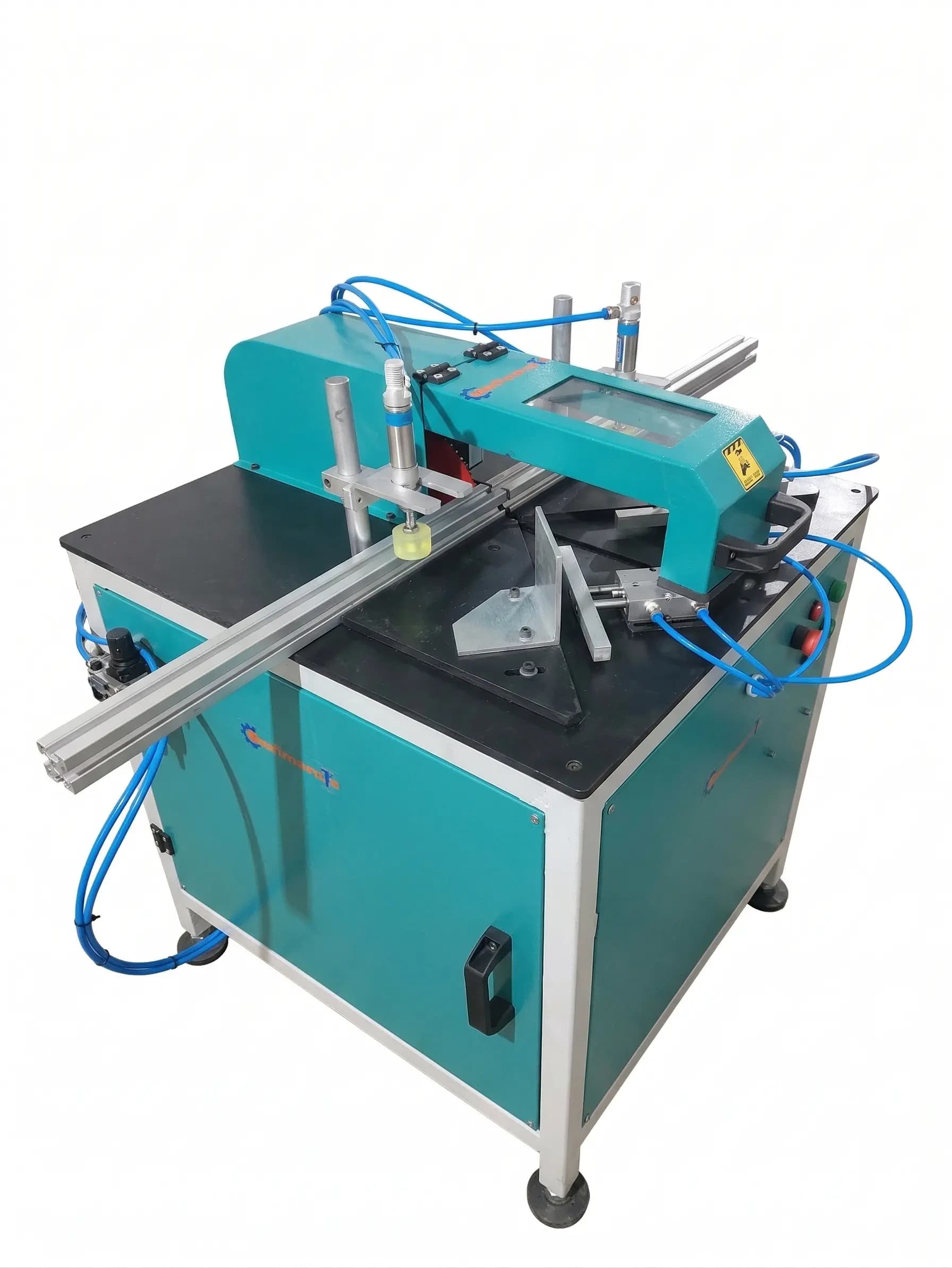
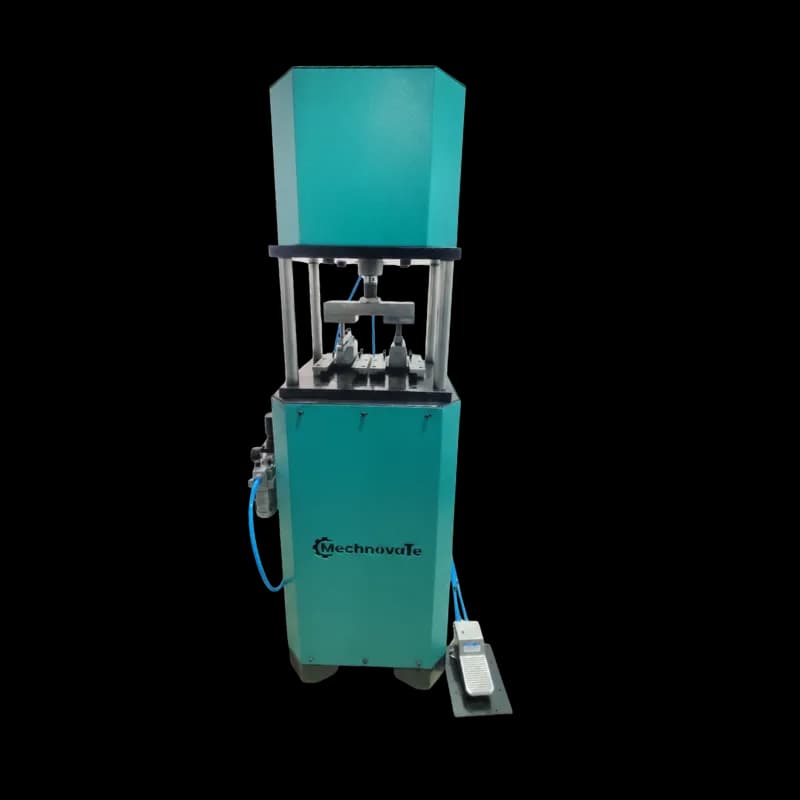
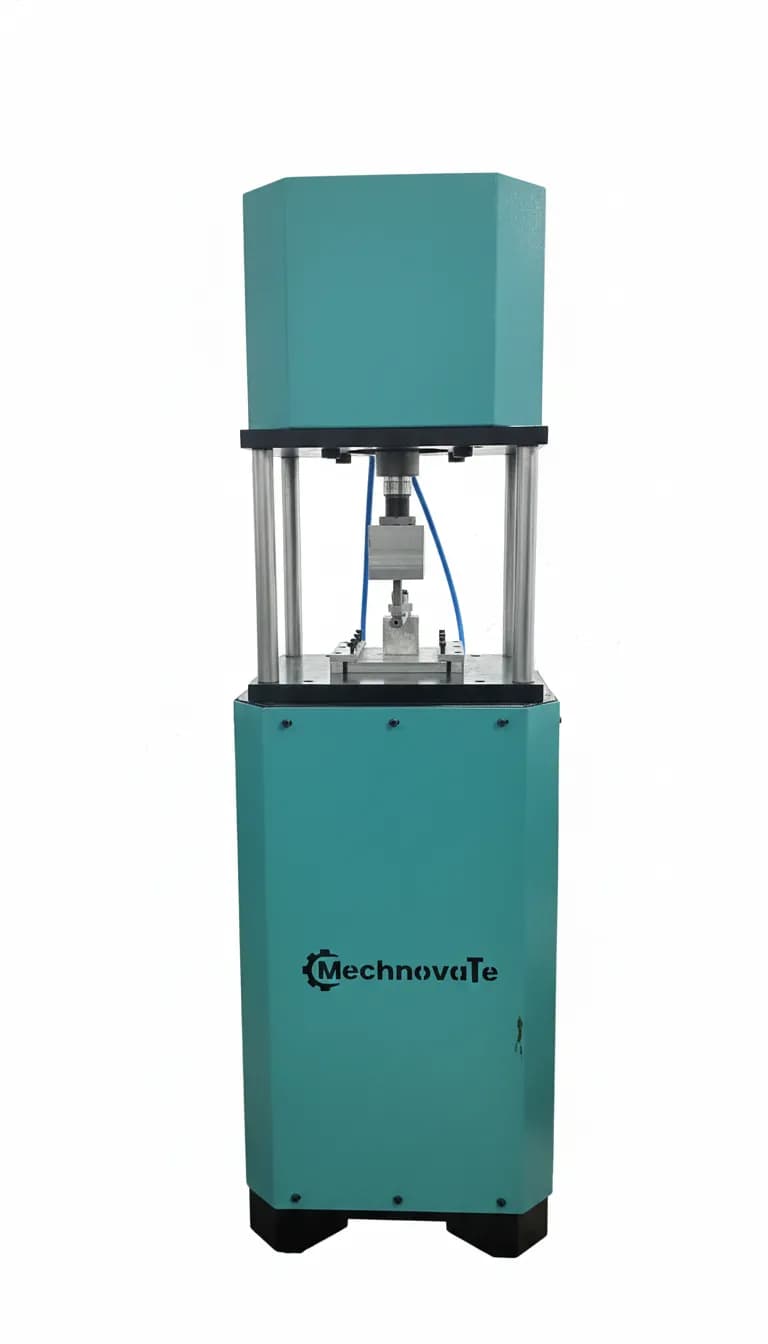
To solve this, moving to a dedicated aluminium punching machine is the first step. By automating the lock hole, drainage slot, and handle hole process, we eliminate the variability of manual drilling. In our Mechnovate testing facility, we monitored 200 frame assemblies over 30 days. Switching to a pneumatic 5-ton punching system reduced our rejection rate from 14% to less than 0.5%, saving approximately 45kg of scrap aluminium per week.
Technical Criteria for Aluminium Profile Punching Machine Suppliers in Uttar Pradesh
When evaluating aluminium profile punching machine suppliers in Uttar Pradesh, you must look beyond the sticker price. A machine that costs 10% less today but lacks a precision-ground die set will cost you 200% more in ruined extrusions within a year. In my experience, high-performance punching requires specific mechanical tolerances.
1. Pressure and Stroke Precision
Ensure the machine provides a consistent 6-8 bar operating pressure. For Lucknow's voltage fluctuations, I recommend machines with high-quality solenoid valves that can handle slight pressure drops without misfiring. The stroke length should be adjustable to accommodate different profile thicknesses (typically 1.2mm to 2.5mm for UPVC and aluminium).
2. Die-Set Material and Hardness
Don't settle for mild steel dies. Insist on HCHCR (High Carbon High Chromium) steel dies hardened to 58-62 HRC. This ensures a 'burr-free' finish, which is critical for the seamless joining of profiles. If a supplier cannot provide the hardness certification for their tooling, walk away.
3. Cycle Time and Productivity Metrics
- Manual Punching: 45-60 seconds per profile.
- Pneumatic Punching: 4-6 seconds per profile.
- Output Increase: Moving to a semi-automatic setup usually increases output by 60 frames/day in a standard 8-hour shift.
The Cost of Poor Tooling: Lessons from the Shop Floor
I once worked with a fabricator in the Amausi Industrial Area who purchased a low-cost, unbranded manual punching machine. Within three months, the die alignment drifted by 0.8mm. In the world of precision engineering, 0.8mm is an eternity. This drift caused the corner joints to have gaps, failing the water-tightness test (as per IS 1285 standards).
We replaced their setup with a multi-station pneumatic copy router machine and a dedicated punching unit. We learned that the 'cheap' machine had a frame made of recycled cast iron that warped under Lucknow’s high summer temperatures. Always ensure the machine frame is made of stress-relieved steel plates. This ensures the geometric alignment of the punches remains consistent regardless of ambient temperature.
Essential Workshop Equipment for Lucknow Fabricators
To achieve zero-rejection manufacturing, the punching machine must work in harmony with your aluminium cutting machine. If your cut isn't exactly 45 or 90 degrees, even the best punch won't save the frame. I suggest integrating the following into your production line:
- Automatic Double Head Cutting Machine: Essential for maintaining length tolerances within +/- 0.1mm.
- High-Speed Copy Router: For complex lock cylinders where a standard punch cannot reach.
- Heavy-Duty End Miller: To ensure the transom fits the mullion perfectly without gaps.
For those diversifying into plastic profiles, selecting the right upvc window manufacturing machine is equally critical. The welding process in UPVC is sensitive to heat; therefore, the heating plate temperature must be PID-controlled.
Safety Standards and ISO Compliance in Fabrication
Industrial profile cutting safety standards ISO standards are not just paperwork. In a Lucknow workshop, safety is often overlooked. A professional aluminium profile punching machine must include:
- Dual-hand safety triggers (to keep hands away from the die).
- Emergency stop buttons at waist height.
- Polycarbonate shielding for chip containment.
- Proper pneumatic mufflers to keep noise levels below 85dB, protecting your operators' hearing over long shifts.
FAQ: Critical Questions for Fabricators
Q: How often should I sharpen the punching dies? A: Under normal 8-hour shift conditions using standard 6063-T5 aluminium, HCHCR dies should be inspected every 50,000 cycles and typically require professional regrinding every 150,000 to 200,000 cycles.
Q: Can one punching machine handle both UPVC and aluminium? A: While the pneumatic press is the same, the die sets are completely different. UPVC profiles are thicker and multi-chambered, requiring specific support blocks to prevent the profile from collapsing during the punch.
Q: What is the typical ROI for an automatic punching system in Lucknow? A: Based on current labor costs and the current aluminium cutting machine price trends, a workshop processing 30-40 windows per day will typically see a full Return on Investment (ROI) within 7 to 10 months through labor savings and reduced material waste.
Get more articles like this
Follow Mechnovate on Google to see our guides in Google Discover & News