Rajkot Fabrication Guide: High Speed Copy Router Precision
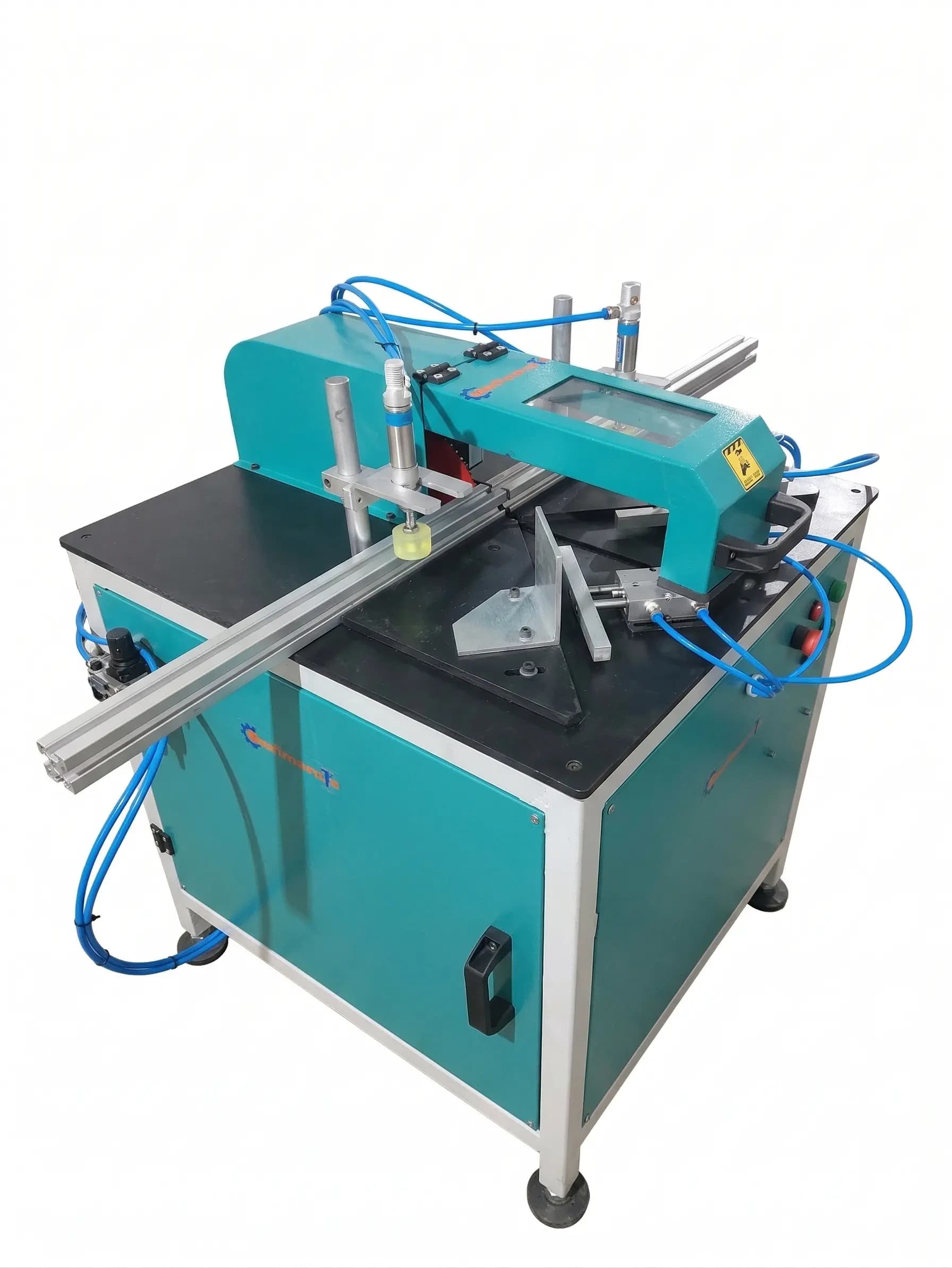
Upgrading to a high-speed copy router is the single most effective way for Rajkot fabricators to move from basic local sections to premium architectural aluminium systems. Standard milling or manual drilling often results in oval-shaped holes, surface scratches, and profile deformation due to excessive heat. A dedicated high-speed copy router for aluminium windows utilizes spindle speeds of 12,000 RPM or higher to ensure that the milling bit cuts through the material cleanly without 'snagging' the profile wall. This transition is essential for any workshop in Gujarat looking to comply with international precision standards like BS EN 12020 or ISO 9001.
The Engineering Reality of Precision in Aluminium Fabrication
Precision in aluminium fabrication is not just about the skill of the operator; it is about the physics of the tool-to-metal interface. When using a standard aluminium cutter machine for profile sizing, you establish the length, but the copy router defines the functionality of the window. High-speed routing minimizes the Heat Affected Zone (HAZ) on the aluminium alloy, typically 6063-T5 or T6, which are common in the Gujarat market.
If the RPM is too low, the router bit 'tears' the metal rather than shearing it, leading to burrs that interfere with the lock mechanism and handle fitment. Our engineering tests at Mechnovate indicate that a 12,000 RPM spindle, paired with a constant pneumatic mist spray, reduces mechanical stress on the profile by 35% compared to traditional 6,000 RPM units. This allows for a tolerance of +/- 0.2mm, which is critical when fabricating Euro-groove systems or multi-point locking mechanisms.
Mechnovate Case Study: GIDC Metoda Workshop Transition
In early 2023, we worked with a large-scale fabricator in the GIDC Metoda industrial area of Rajkot who was struggling with a 15% rejection rate on high-end sliding door projects. They were using a manual drill and chisel method for slotting. We implemented a Copy Router Machine with a 1.1kW high-frequency motor and a copy template ratio of 1:1.
Over a 6-week observation period, the results were definitive:
- Cycle Time Reduction: Slotting for a 3-point lock dropped from 12 minutes to 90 seconds.
- Waste Management: Profile wastage due to misaligned milling was reduced from 8% to less than 1%.
- Output Capacity: The facility increased its daily frame output from 25 to 45 units without adding extra shifts.
- Tool Longevity: By switching to a high-speed system with mist lubrication, the lifespan of the solid carbide router bits increased by 300%.
Essential Features for High-Speed Copy Routing
When selecting a high speed copy router for aluminium windows, you must look beyond the price tag and evaluate the engineering components. A machine is only as stable as its base and its clamping system. For a high-volume workshop in Ahmedabad or Surat, the following specifications are non-negotiable:
- Pneumatic Vertical and Horizontal Clamps: Manual clamps allow for micro-vibrations that cause 'chatter' marks on the profile surface. Pneumatic systems maintain a constant 6-8 bar pressure.
- Copy Templates: Use hardened steel templates with a 1:1 ratio. Ensure the tracer pin has multiple diameters (e.g., 5mm, 8mm, 10mm) to match different router bits.
- Triple Tooling Capability: Some advanced units allow for three-hole drilling (for handles) and copy routing in a single setup, drastically reducing handling time.
- Spindle Bearings: Look for high-precision ceramic or sealed steel bearings capable of handling continuous axial loads during vertical plunge milling.
Cost Analysis and ROI for Gujarat Manufacturers
The initial aluminium cutting machine price or copy router cost can be a hurdle for small startups, but the ROI calculation for the Gujarat market is clear. If you are processing 500kg of aluminium profiles per month, a high-speed copy router pays for itself within 8 months through labor savings and the elimination of rework.
Furthermore, if you are looking to expand into uPVC, many of these machines are versatile. However, for dedicated plastic processing, a specialized upvc window manufacturing machine is recommended to handle the different thermal properties of the material. In Rajkot, where the demand for both aluminium and uPVC is surging, having a dedicated line for each prevents cross-contamination of metal shavings into the uPVC welding process.
Common Mistakes in Copy Router Operation
In my 15 years in the field, I have seen numerous workshops ruin expensive aluminium punching machine setups and copy routers due to preventable errors.
- Neglecting Lubrication: Never mill aluminium dry. Without a pneumatic pulse lubricator, the aluminium will 'gall' or stick to the bit, leading to immediate tool breakage.
- Incorrect Bit Shank Diameter: Using an 8mm bit in a 10mm collet with a sleeve is a recipe for disaster. Always use a matching ER collet to ensure zero run-out.
- Template Misalignment: Fabricators often forget to calibrate the tracer pin to the router bit. A 1mm offset on the template results in a ruined profile on the bench.
- Ignoring Belt Tension: On belt-driven spindles, loose belts cause RPM drops under load, which leads to the 'tearing' effect mentioned earlier.
Technical Comparison: Manual vs. High-Speed Copy Routing
| Feature | Manual Drill/Chisel | High-Speed Copy Router |
|---|---|---|
| Accuracy | +/- 2.0 mm | +/- 0.2 mm |
| Finish Quality | Rough/Requires Filing | Mirror/Burr-free |
| Time per Slot | 10-15 Minutes | 1-2 Minutes |
| Operator Fatigue | High | Low |
| Hardware Fitment | Tight/Inconsistent | Perfect/Drop-in |
FAQ: Critical Questions from Fabricators
Q: Can I use a wood router for aluminium profiles? No. Wood routers lack the high-torque spindles and the necessary clamping rigidity required for metal. The bearings in a wood router are not designed for the lateral forces of milling aluminium, and the lack of a cooling system will result in the bit melting into the profile.
Q: What is the best router bit for a high speed copy router for aluminium windows? Always use single-flute solid carbide bits. Single-flute bits provide better chip clearance, which is vital when routing at 12,000+ RPM to prevent heat buildup. High-speed steel (HSS) bits are cheaper but dull quickly on anodized or powder-coated surfaces.
Q: Is it worth investing in an automatic double head cutting machine price India for a small shop? If your volume exceeds 15 frames a day, an automatic double head cutting machine becomes essential. For smaller volumes, a high-quality 12-inch or 18-inch single head cutter is sufficient, provided it is paired with a precision copy router to handle the complex internal machining.
Get more articles like this
Follow Mechnovate on Google to see our guides in Google Discover & News