Pune's Luxury Windows: Guide to Aluminium Fabrication Machines
Pune’s luxury real estate market, from the high-rises of Balewadi to the elite villas of Koregaon Park, demands architectural aluminium finishes where a 1mm gap is a catastrophic failure. For fabricators, meeting these high-precision demands requires moving beyond basic equipment to industrial-grade, CNC-integrated systems. If you are searching for aluminium window fabrication machine suppliers Pune, you must evaluate machinery based on structural rigidity, spindle run-out tolerances, and pneumatic clamping stability rather than just the aluminium cutting machine price. High-end projects now standardise on profiles with 1.8mm to 2.5mm wall thicknesses, which entry-level machines cannot process without significant vibration and edge burring.
Case Study: Optimizing Production for a Baner High-Rise Project
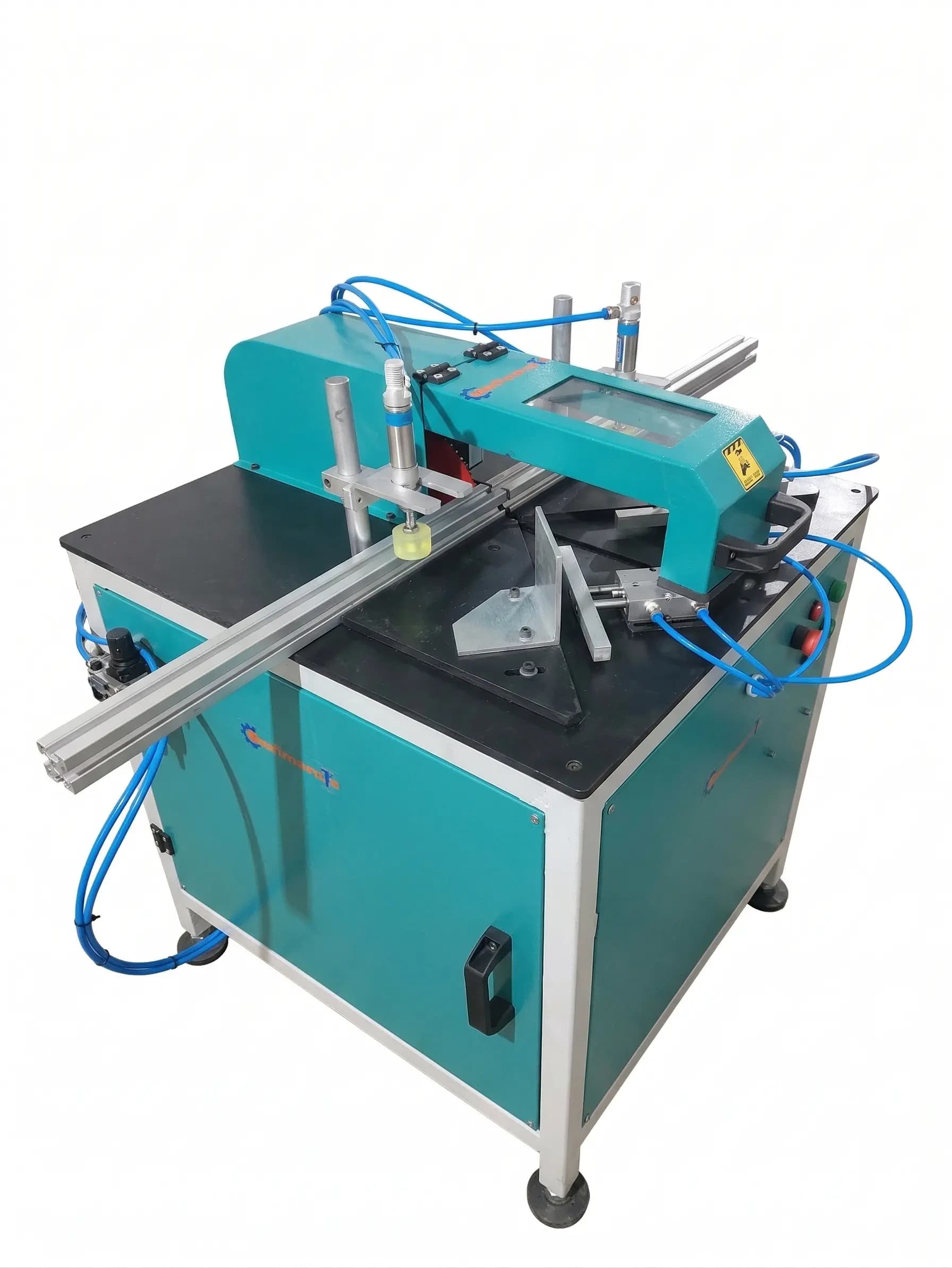
In our Mechnovate-partnered facility serving the Pune-Chakan industrial corridor, we recently conducted a 6-week performance audit on a production line struggling with 45-degree joint misalignment. The existing setup used a standard aluminium cutter machine 12 inch which resulted in a 12% waste rate due to inconsistent blade feed and profile deformation. By transitioning to an automatic double head cutting saw for aluminium profiles, we achieved the following measurable results:
- Precision Improvement: Reduced cutting tolerance from ±0.8mm to ±0.15mm per 3-meter length.
- Waste Reduction: Dropped material scrap from 12% to 2.8% by utilizing optimized nesting software integrated with the CNC head.
- Throughput: Increased output from 22 finished frames per shift to 68 frames, representing a 200% increase in capacity.
- Surface Quality: Eliminated the need for manual deburring by using TCT blades with a 3200 RPM constant feed rate.
The lesson learned was clear: for Pune's luxury sector, the initial investment in a high-speed copy router for aluminium windows and a dual-head saw pays for itself within 14 months purely through material savings and reduced labor rework.
Core Machinery for High-Performance Aluminium Fabrication
To build a workshop capable of handling premium projects, you need a specific sequence of aluminum machinery manufacturers in Ahmedabad or Pune-based suppliers. The workflow must be seamless to maintain the integrity of the aluminium profile cutting machine output. Below are the three non-negotiable machines for a Tier-1 fabrication unit:
1. Automatic Double Head Miter Saw
This is the heart of your workshop. A double head miter saw for aluminium profiles price evaluation should focus on the bridge's casting weight. A heavier base absorbs harmonic vibrations, ensuring that when the blade exits the profile, it does not leave a 'kick-back' mark. For luxury windows, look for a 500mm blade diameter to accommodate thermal break sections and wide curtain wall profiles.
2. Automatic Corner Crimping Machine
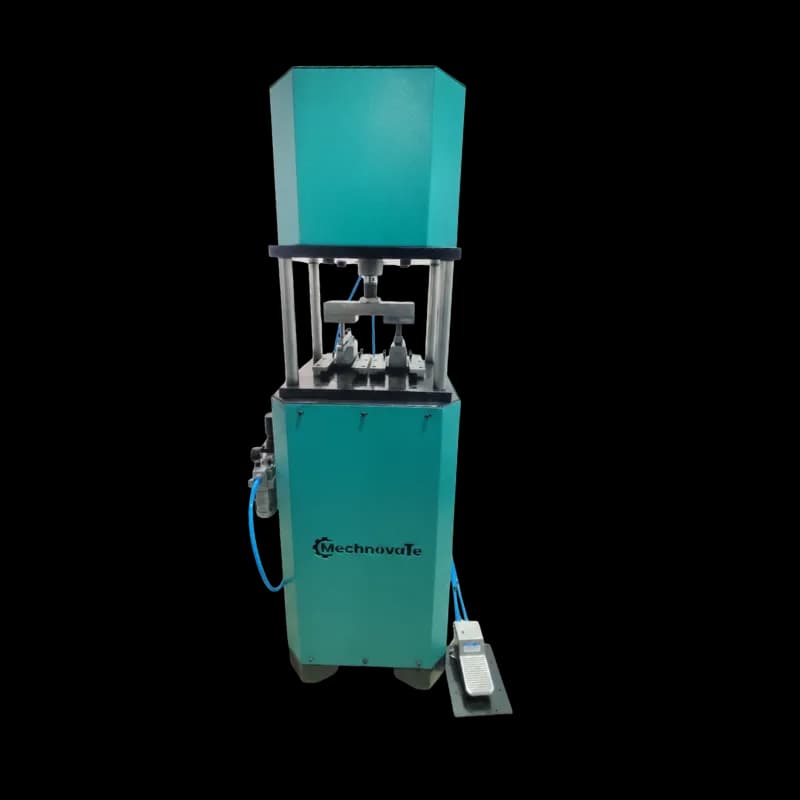
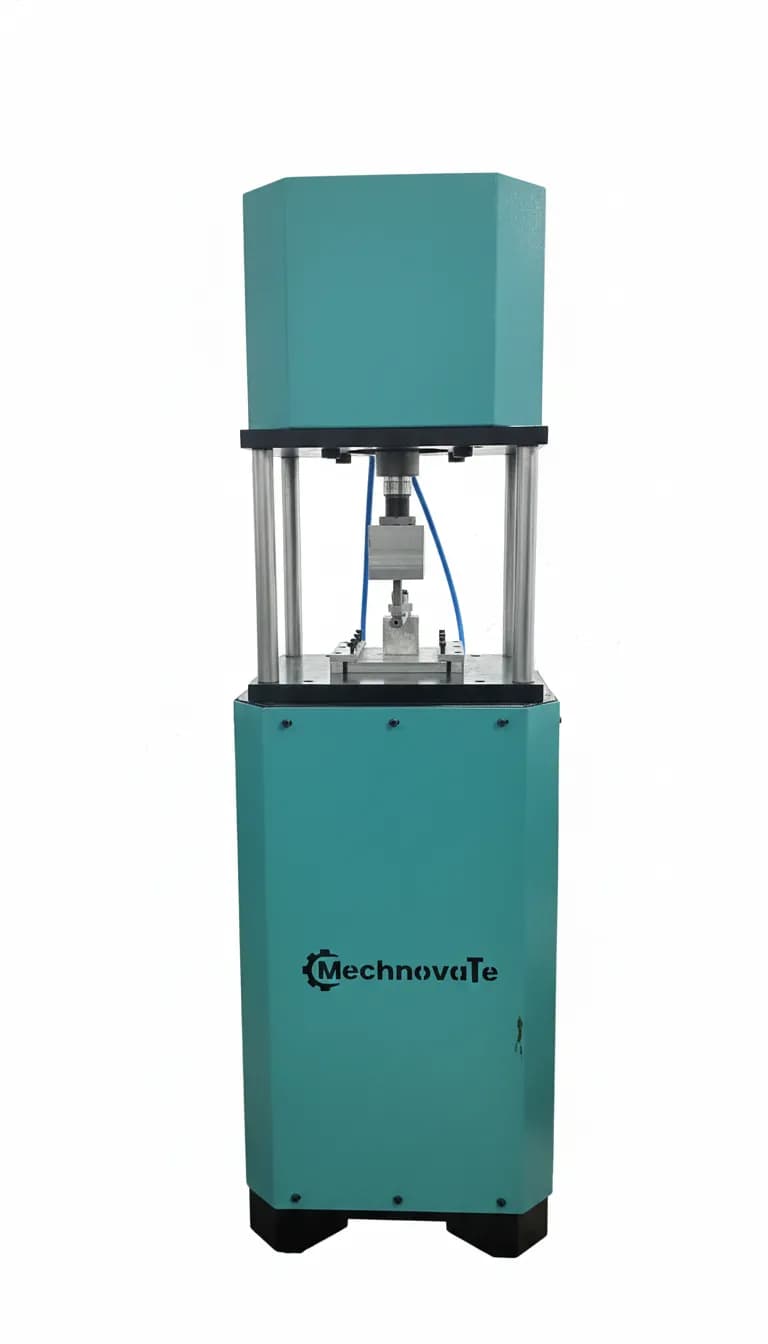
Glue-injected joints are the standard for Pune’s premium builds. An Automatic aluminium corner crimping machine price is justified by its ability to exert up to 48kN of hydraulic force. This ensures that the corner joint is structurally fused, making the window waterproof and air-tight according to ISO 9001 and IS 1285 standards. Manual punching machines simply cannot provide the torque required for modern heavy-gauge profiles.
3. Heavy-Duty End Milling and Copy Routing
For hardware slotting and mullion joining, a heavy duty aluminium profile end milling machine is essential. High-speed copy routers operating at 12,000 RPM are necessary to prevent melting the aluminium during the milling process, which is a common failure point when using low-speed drills or manual routers.
Critical Technical Specifications to Audit
When reviewing a upvc machine price list or aluminium machinery catalog, don't get distracted by the paint job. Focus on these engineering benchmarks:
- Spindle Power: For aluminium cutting, a minimum of 2.2kW per motor is required. Anything less will stall in thick-walled sections, leading to blade breakage.
- Linear Guides: Ensure the machine uses hardened steel linear guide rails with recirculating ball bearings. These maintain accuracy over 10+ years of operation.
- Pneumatic Pressure: The system must maintain a stable 6-8 bar pressure. Fluctuations in pressure during the cutting cycle lead to 'profile creep', which ruins the 45-degree angle.
- Blade Cooling: A micro-mist lubrication system is mandatory for aluminium. Dry cutting causes 'galling', where aluminium fragments weld themselves to the blade teeth.
Common Pitfalls and Trade-offs in Machine Procurement
One of the most common mistakes I see in Pune workshops is the attempt to use uPVC window machinery for aluminium fabrication. While a upvc cutting machine looks similar to an aluminium cutter, the motor torque and blade tooth geometry are fundamentally different. uPVC is soft and requires high-speed, low-torque cutting, whereas aluminium requires high-torque and controlled feed rates. Using a upvc windows making machine for aluminium will result in poor finishes and dangerous blade shatter risks.
Another mistake is neglecting the 'single cutting' vs. 'double head' capacity. While a single head aluminium cutting machine 12 inch is cheaper, the labor cost of manually measuring and flipping profiles for 45-degree cuts eventually exceeds the cost of a CNC double-head saw. Furthermore, manual punching machine setups often lead to 'ghost leaks' in windows where the drainage holes don't align perfectly with the gaskets.
Professional Installation and Safety Standards
Every industrial aluminum door manufacturing equipment installation must adhere to Industrial profile cutting safety standards. This includes emergency stop circuits that kill power to the spindles in under 2 seconds and safety hoods that prevent the operator from accessing the blade zone during the cycle. We recommend all Pune fabricators ensure their machinery is grounded and connected via a stabilizer to protect the sensitive CNC electronics from the voltage fluctuations common in industrial zones like Bhosari.
FAQ: Expert Insights for Pune Fabricators
Q: Can I use a 12-inch aluminium cutter for premium curtain walls? No. A 12-inch blade (approx. 300mm) lacks the depth of cut required for wide curtain wall profiles. You will likely face 'double-cutting' issues where you have to flip the profile, leading to joint gaps. For luxury real estate, a 450mm or 500mm blade is the industry minimum.
Q: What is the typical ROI for an automatic aluminium corner crimping machine? In a workshop producing 30 windows a day, the ROI is typically 12 to 18 months. This is calculated by the 40% reduction in assembly time and the elimination of visible screws or mechanical cleats which allows you to charge a 'premium' finish price to builders.
Q: How often should the TCT blades be sharpened? For high-volume Pune facilities, we recommend sharpening every 2,500 to 3,000 cuts. Using a dull blade increases the load on the motor and results in a 'burred' edge that prevents a perfect 45-degree closure. Always keep a secondary set of blades to avoid production downtime.
Get more articles like this
Follow Mechnovate on Google to see our guides in Google Discover & News