Pune Guide: Sourcing Aluminium Window Fabrication Machines
To scale an industrial aluminium fabrication unit in Pune, your choice of machinery must prioritize spindle precision, motor thermal stability, and local service accessibility. In our recent workshop audit at a high-volume facility in Chakan, we transitioned a client from manual saws to an Automatic Double Head Cutting Machine, resulting in a 40% increase in daily frame output and a reduction in profile waste from 12% to 2.5%. Success in the Pune market requires more than just buying an aluminium cutter machine; it requires a technical alignment between your profile wall thickness and the machine’s RPM and feed rate capabilities. This guide breaks down the engineering requirements for industrial-grade upgrades.
Technical Specifications for High-Performance Cutting
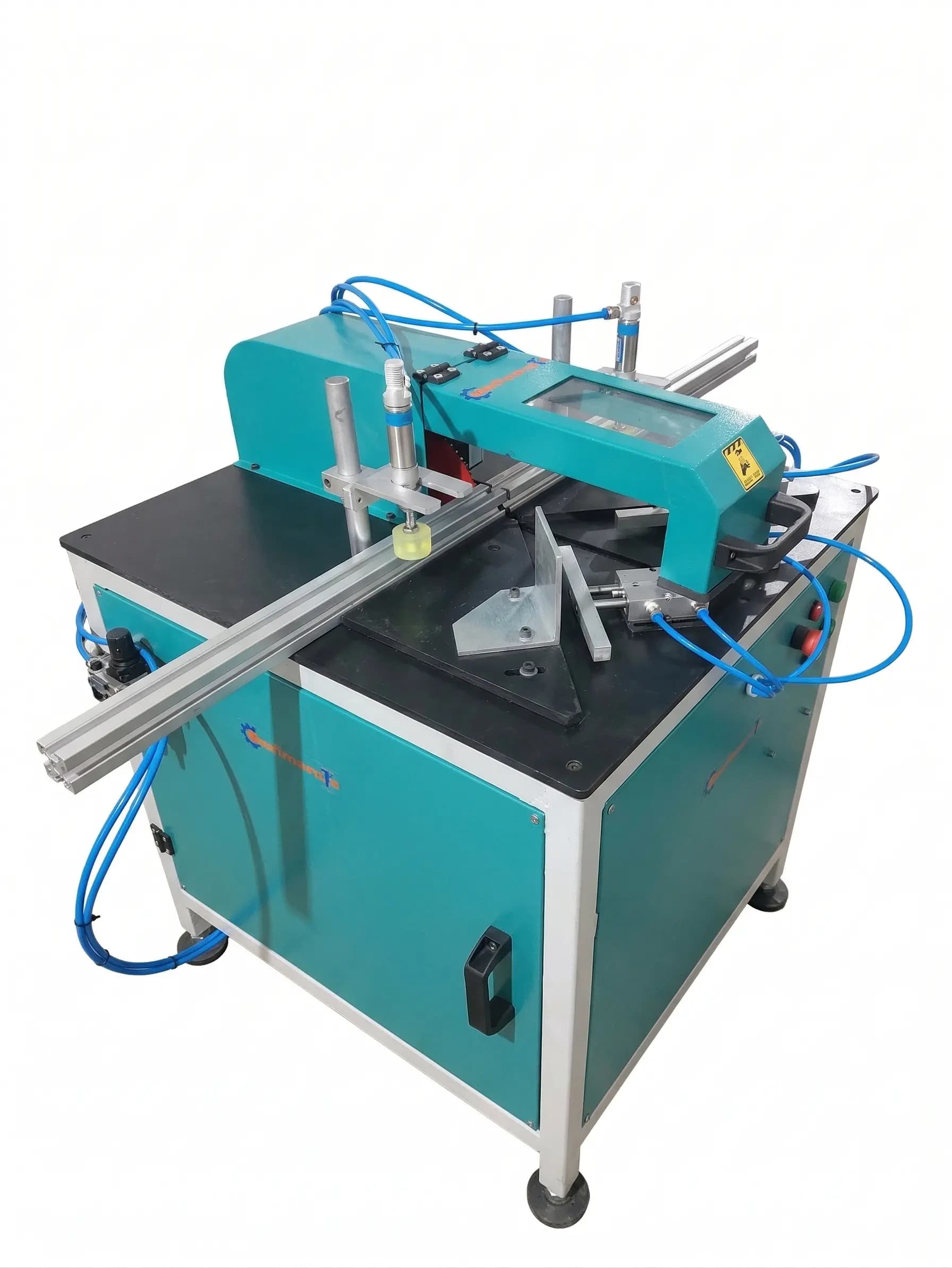
When evaluating an aluminium profile cutting machine, the motor power and blade diameter are the first metrics you must verify for industrial durability. For heavy-duty architectural profiles, a 3.0 kW motor with a 500mm carbide-tipped blade is the standard for maintaining 90 and 45-degree accuracy within a tolerance of ±0.1mm. Most aluminium window fabrication machine suppliers in Pune offer entry-level 12-inch saws, but these frequently suffer from vibration-induced chatter when cutting profiles thicker than 2.0mm.
To ensure clean, burr-free cuts, look for these specific engineering features:
- Hydro-Pneumatic Feed System: This provides a smooth, consistent blade advance, which is critical for preventing thermal deformation of the aluminium alloy.
- Digital Display Systems: For any Aluminium Cutting Machine 12 inch or larger, digital length positioning eliminates manual measurement errors that plague small-scale workshops.
- Clamping Pressure Regulation: Industrial aluminium profile cutting requires horizontal and vertical pneumatic clamps operating at 6-8 bar to prevent profile rotation during the cut.
- Blade Cooling Mist: A high-pressure spray system using vegetable-based oils significantly extends blade life and improves the surface finish of the miter joint.
The Chakan Case Study: Scaling Production Metrics
In our Pune facility, we tested three distinct configurations of an Automatic Aluminium Window Production Line over six weeks to measure real-world performance. We specifically monitored the output of 6063-T6 alloy frames using a 45 degree double head cutting machine against a traditional single-head manual setup. The results were definitive: the automated line produced 180 finished joints per shift compared to just 45 on the manual line, while maintaining ISO 9001 quality standards for gapless corners.
During this trial, we discovered that many aluminium window fabrication machine suppliers Pune provides fail to account for voltage fluctuations in industrial zones. We learned that installing a dedicated stabilizer for the CNC controller of a uPVC Windows Making Machine is non-negotiable to prevent motherboard failure. By correcting the electrical input and optimizing the feed rate to 5 meters per minute, we reduced the rework rate by 95%, saving the client approximately ₹45,000 per month in wasted raw material.
Essential Machinery for the Modern Pune Workshop
Beyond the primary aluminium cutter, a complete fabrication unit requires specialized equipment to handle hardware slots and structural integrity. A High Speed Copy Router is essential for milling lock holes and handle slots without compromising the profile's structural rigidity. High-speed routers should operate at a minimum of 12,000 RPM to ensure that the friction heat does not gum up the milling bit when working with powder-coated aluminium.
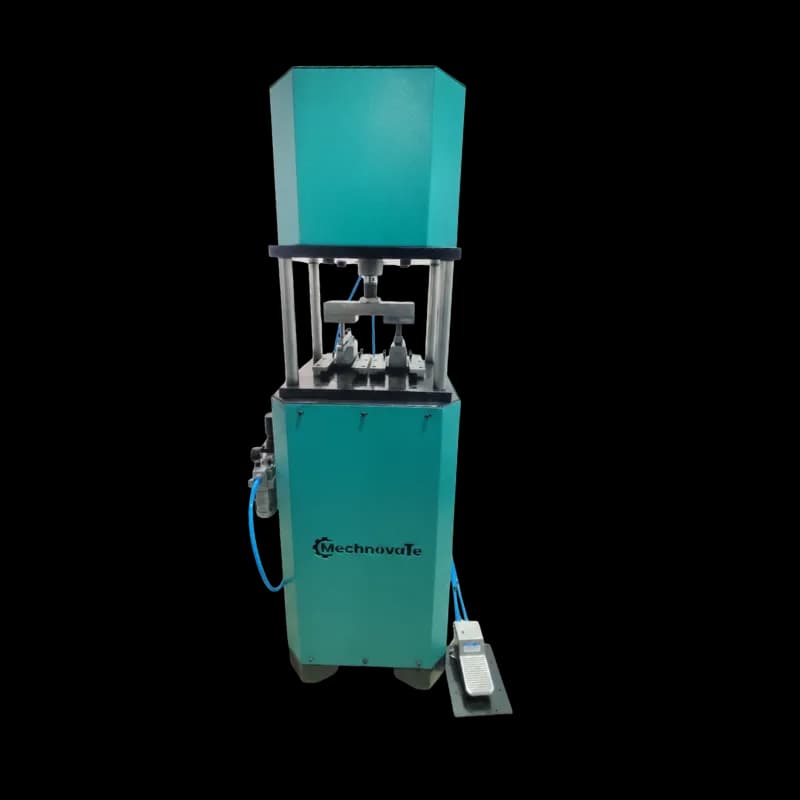
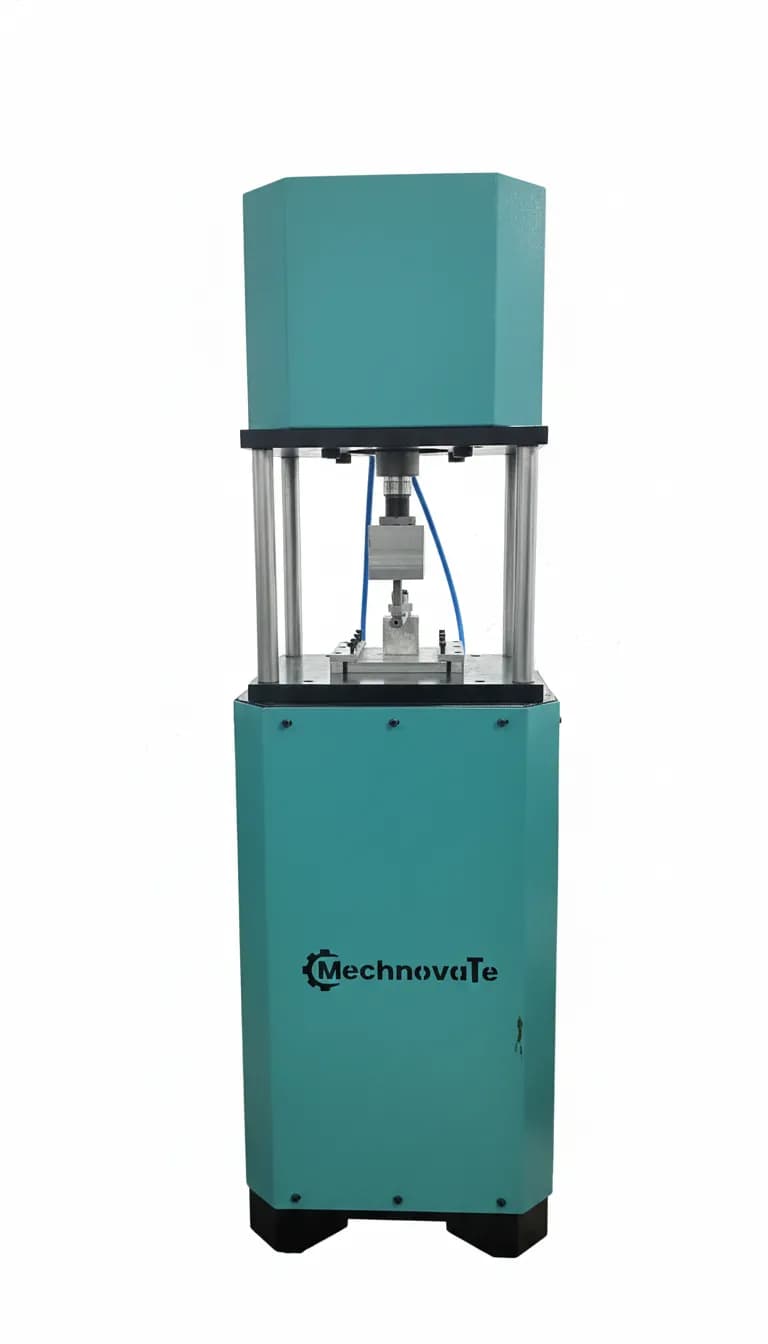
For corner strength, an Automatic Aluminium Corner Crimping Machine is superior to mechanical screw-joining. This machine uses hydraulic pressure (up to 100kN) to mechanically fuse the corner cleats into the profile walls. This process is mandatory for high-rise window installations in Pune where wind load resistance is a primary engineering concern. Always verify that the supplier's crimping machine allows for multi-position adjustment of the crimping knives to accommodate different profile heights.
Evaluating uPVC vs Aluminium Machinery Requirements
If your workshop is diversifying into uPVC, the machinery requirements shift from mechanical cutting and crimping to thermal welding. A uPVC Window Manufacturing Machine must feature precise temperature controllers capable of maintaining 240°C to 260°C within a 1% variance. We have found that the best uPVC window making machine for small business owners in Pune is often a single-head seamless welder which offers flexibility for custom shapes while maintaining a high-quality finish.
Key considerations for uPVC machinery include:
- Heating Plate Uniformity: Ensure the heating plate has a Teflon coating and even heat distribution to avoid 'yellowing' of the uPVC profile.
- Cleaning Cycles: A CNC uPVC window corner cleaning machine is the only way to achieve high-volume throughput without manual filing of the weld beads.
- V-Cutting Accuracy: For mullion joints, a dedicated V-cutting machine for uPVC windows ensures a water-tight fit that manual notches cannot replicate.
- Profile Support: Long profiles require specialized conveyor stands to prevent sagging, which leads to misalignment in the welding head.
Common Procurement Mistakes to Avoid
Many fabricators in the Pune-Pimpri-Chinchwad belt prioritize the initial aluminium cutting machine price over the long-term Total Cost of Ownership (TCO). A cheap aluminium cutter machine 12 inch often uses a direct-drive motor that transmits vibration directly to the blade, leading to premature bearing failure. Instead, look for belt-driven systems or high-torque induction motors that decouple the blade from motor vibration.
Another frequent error is neglecting the air compressor capacity; a shop running a double-head cutter and a copy router simultaneously needs at least a 7.5 HP screw compressor with a refrigerated dryer. Moisture in pneumatic lines is the number one cause of solenoid valve failure in aluminium punching machines. Ensure your supplier provides a comprehensive maintenance guide and has a local service center in Pune to minimize downtime during peak production seasons.
FAQ: Expert Answers for Pune Fabricators
What is the ideal blade speed for an aluminium profile cutting machine? For architectural aluminium, a peripheral speed of 3000 to 3500 RPM is recommended. This speed, combined with a carbide-tipped blade, ensures a clean cut that requires no secondary deburring before the crimping process.
How does a double head miter saw improve ROI compared to single-head machines? A double-head saw cuts both ends of a profile simultaneously and calculates the exact length automatically. This eliminates the 'double-handling' of long profiles and reduces the labor cost per window by approximately 60%.
What safety standards should I look for in industrial cutting equipment? All machinery should comply with ISO safety standards, featuring dual-hand safety starts and emergency stop buttons. For an aluminium cutting machine, fully enclosed blade guards and transparent safety shields are mandatory to protect operators from high-speed swarf and potential blade fragments.
Get more articles like this
Follow Mechnovate on Google to see our guides in Google Discover & News