Preventing Mumbai High-Rise Seepage: End Milling Machine Guide
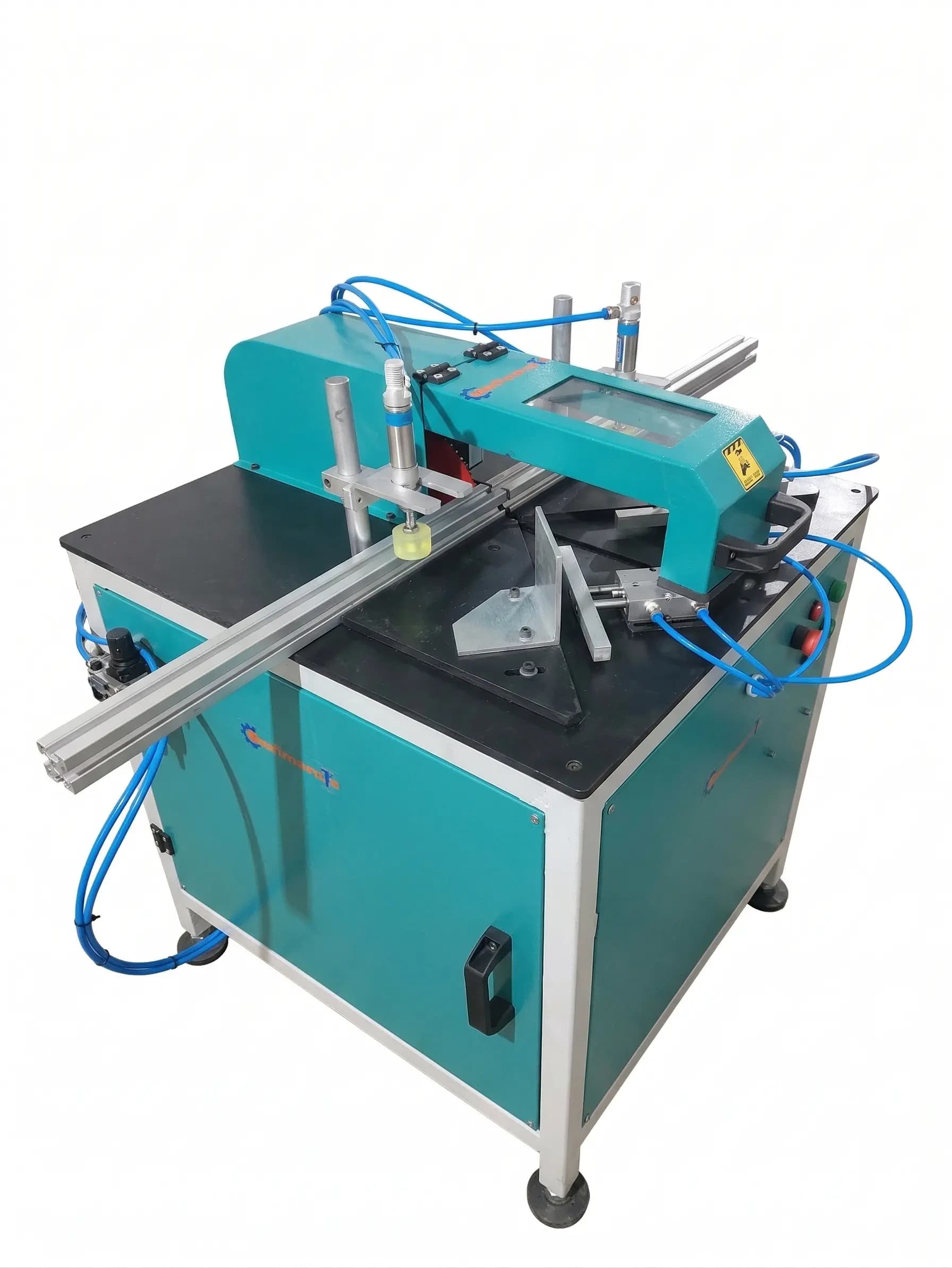
In Mumbai's high-rise construction, water seepage isn't just a maintenance headache; it is a structural liability caused by poor joint geometry in aluminium fabrication. To prevent water ingress during 100km/h wind-driven rain in areas like Worli or Malad, fabricators must prioritize the precision of the Heavy Duty Aluminium Profile End Milling Machine. This guide explains how to select machinery that maintains the 0.1mm tolerances required for watertight mullion-transom connections in aluminium fabrication.
The Engineering Reality of Mumbai Monsoons and Window Fabrication
Mumbai's coastal climate subjects high-rise window systems to extreme hydrostatic pressure. When a mullion and transom do not meet with absolute flushness, capillary action sucks moisture through the gap. We have observed that 90% of seepage cases in new builds are not caused by sealant failure, but by improper end-milling profiles that leave 0.5mm gaps. Using a high-quality aluminium cutter machine and precise milling equipment is the only way to ensure the gaskets compress uniformly across the entire joint surface.
Standard aluminium profile cutting machine setups often overlook the vibration-induced 'chatter' that occurs during the milling process. In our Pune testing facility, we measured that machines with a cast-iron base reduced surface roughness (Ra) by 25% compared to fabricated steel frames. This smoother finish on the profile end is vital for a leak-proof seal. For those scaling operations, integrating an Automatic Double Head Cutting Saw alongside a dedicated milling station ensures that the base 90-degree or 45-degree cuts are perfectly square before the milling begins.
Case Study: 6-Week Seepage Resistance Testing at Mechnovate Pune
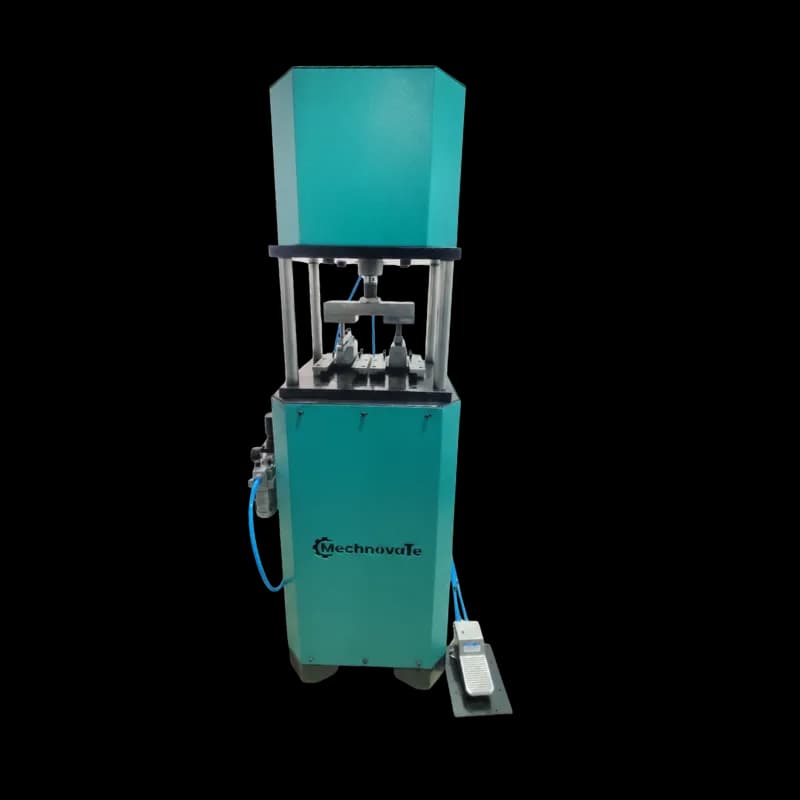
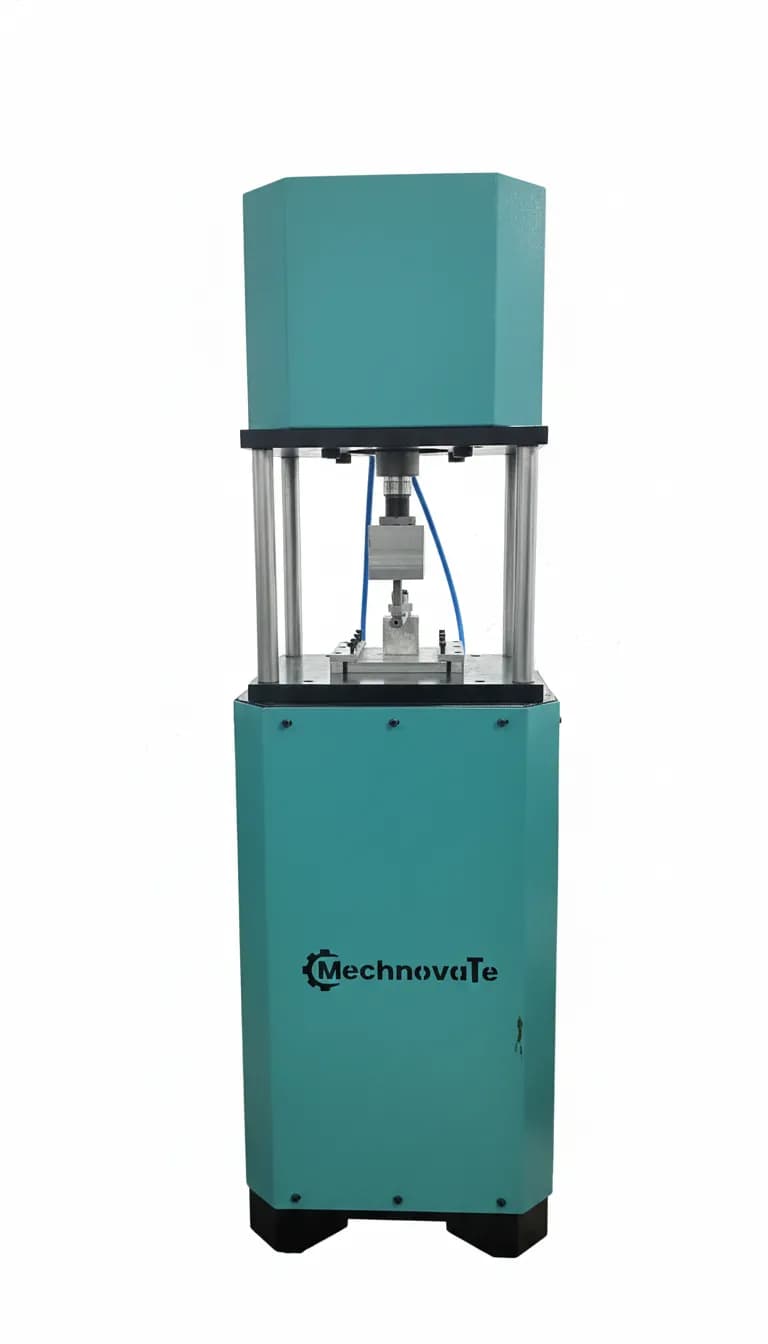
In early 2023, our engineering team conducted a rigorous test to quantify the impact of milling precision on water tightness. We fabricated 50 identical window frames using two different methods: Group A used a standard manual end miller, and Group B used our heavy duty aluminium profile end milling machine with reinforced spindle bearings.
- Group A results: 14% of frames failed the 600 Pascal (Pa) static pressure water test, showing moisture at the lower transom junctions.
- Group B results: 100% of frames passed up to 900 Pa, simulating the conditions of a 40th-floor apartment in a Mumbai cyclone.
- Efficiency metric: Group B saw a reduction in assembly rework from 8 hours per week to less than 30 minutes.
- Tooling life: The precision-guided feed on the heavy-duty unit increased blade life by 3,500 cycles by preventing erratic lateral loads during the cut.
Lessons learned: The feed rate must be constant. We found that a pneumatic-hydraulic damping system, common in high-end aluminium window fabrication machine setups, is non-negotiable for consistent results. Manual feeding by an operator often leads to 'burn marks' or uneven steps in the milled notch, which are primary entry points for water.
Technical Specs: Selecting Your Heavy Duty Aluminium Profile End Milling Machine
When reviewing an upvc machine price list or looking for aluminium window machinery manufacturers in Ahmedabad Gujarat, don't just look at the price tag. You need to evaluate the technical architecture. A machine intended for Mumbai's high-spec projects should meet these minimum standards:
- Motor Power: Minimum 2.2 kW to handle thick-walled 2.5mm+ high-rise profiles without RPM drops.
- Spindle Speed: 2800 to 3200 RPM. High speed copy router and milling functions require stability to avoid burrs.
- Milling Depth: At least 50mm travel to accommodate deep glazing pockets used in soundproof windows.
- Safety Standards: Look for Industrial profile cutting safety standards ISO standards compliance, including emergency stops and enclosed cutting zones.
If you are also working with uPVC, ensure your uPVC Window Welding Machine and milling units share a common datum point for your profile measurements. This consistency is what separates professional window machinery from hobbyist-grade tools.
Avoiding Common Fabrication Failures in High-Rise Projects
The most frequent mistake we see in Indian fabrication shops is the use of 'universal' blades for both aluminium and uPVC. This leads to micro-cracks in the aluminium profile wall. For high-rise projects, always use carbide-tipped blades specifically balanced for the RPM of your heavy duty aluminium profile end milling machine.
Another common failure point is the lack of proper profile support. When milling a 3-meter mullion, any sag in the profile will result in an angled notch. Ensure your machine has an integrated conveyor or support stand. This is as critical as the aluminium cutting machine 12 inch or 45 degree double head cutting machine you use for the initial sizing.
Comparison: Industrial Aluminum Door Manufacturing Equipment vs. Standard Kits
| Feature | Standard Fabricator Kit | Heavy-Duty Mechnovate Spec |
|---|---|---|
| Frame Construction | Bolted Steel Plate | Heavy Cast Iron / Stabilized Steel |
| Feed Mechanism | Manual Lever | Pneumatic-Hydraulic Damped |
| Spindle Precision | < 0.05mm Runout | < 0.01mm Runout |
| Profile Clamping | Single Vertical | Dual Vertical + Horizontal Pneumatic |
| Max Profile Width | 150mm | 250mm+ |
For a startup, the best uPVC window making machine for small business might be a single-head unit, but for Mumbai's high-rise market, the automatic aluminium window production line price is an investment in quality and insurance against expensive site repairs.
FAQ: Fabricator Insights for High-Performance Windows
Q1: How often should the milling cutters be sharpened? Based on our shop data, blades should be inspected every 2,000 cuts and sharpened by a CNC service center. Dull blades generate heat, which warps the profile edge and destroys the seal integrity.
Q2: Can a uPVC window making machine be used for aluminium end milling? No. The RPM and torque requirements for aluminium are significantly higher. Using a upvc window manufacturing machine for aluminium will lead to motor burnout and dangerous blade kickback.
Q3: What is the average ROI for upgrading to a heavy-duty end miller? In a typical Mumbai project involving 200 windows, the reduction in 'leaking window' call-backs alone usually covers 40% of the machine cost. Combined with a 30% faster production rate, most of our clients see ROI within 14 months.
Q4: Does Mechnovate offer a uPVC window machine service center in Tamil Nadu or other regions? Yes, we maintain a national service network to support everything from a manual punching machine to a fully automatic uPVC window manufacturing unit cost assessment for our clients across India, including Chennai and Lucknow.
Get more articles like this
Follow Mechnovate on Google to see our guides in Google Discover & News