Precision Mullion Joints: Heavy Duty Aluminium End Milling Guide
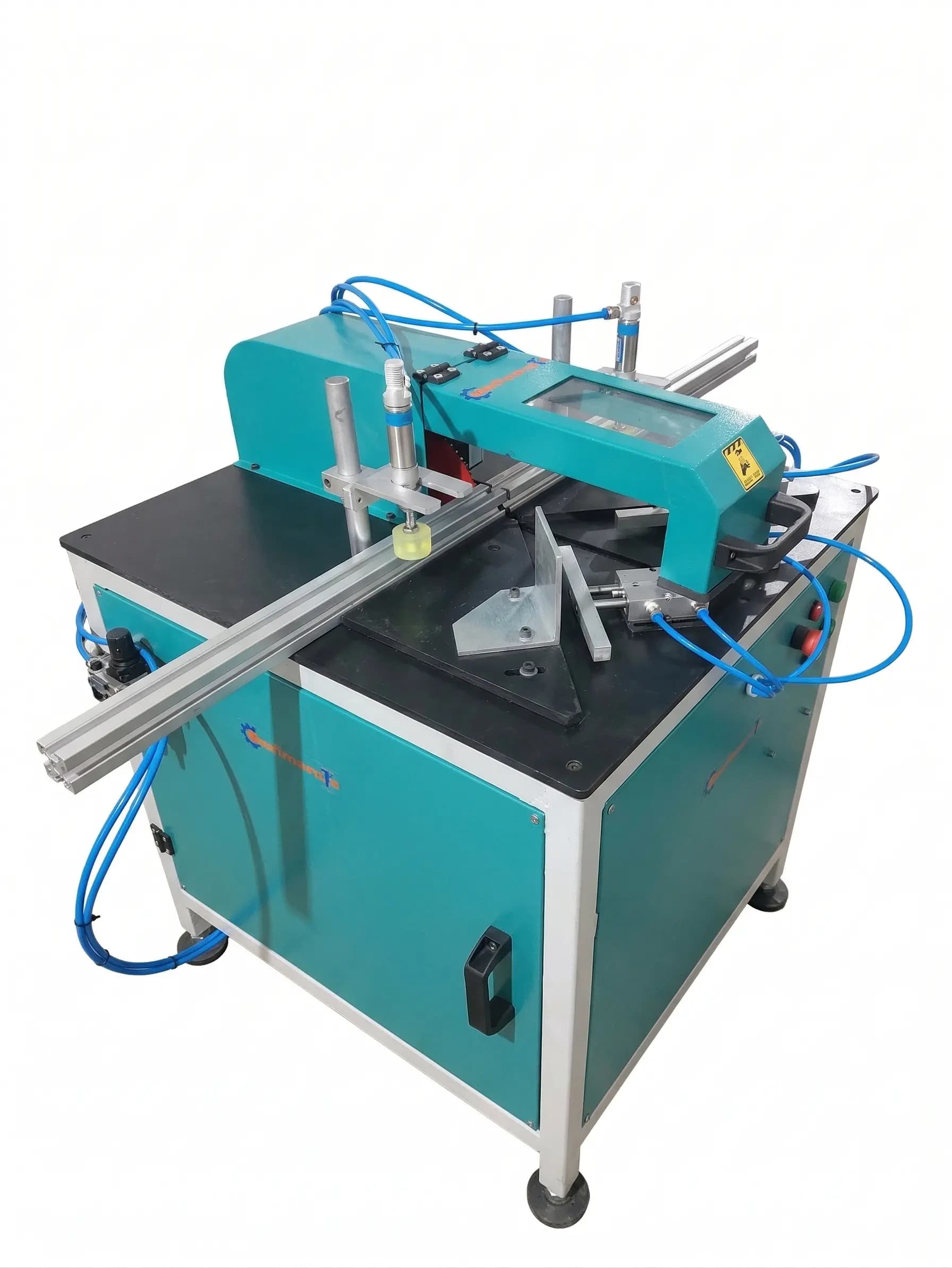
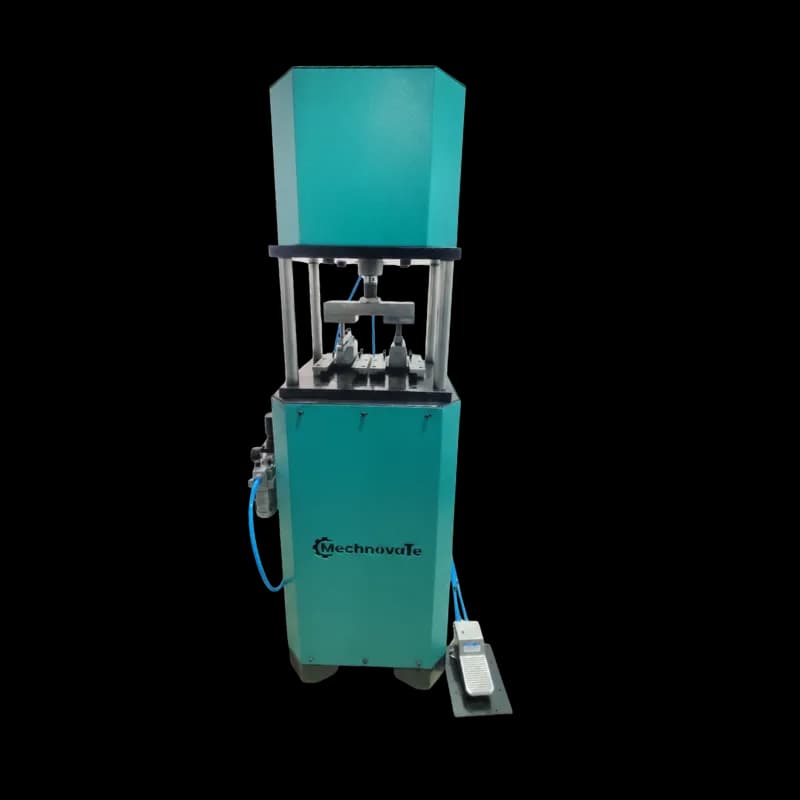
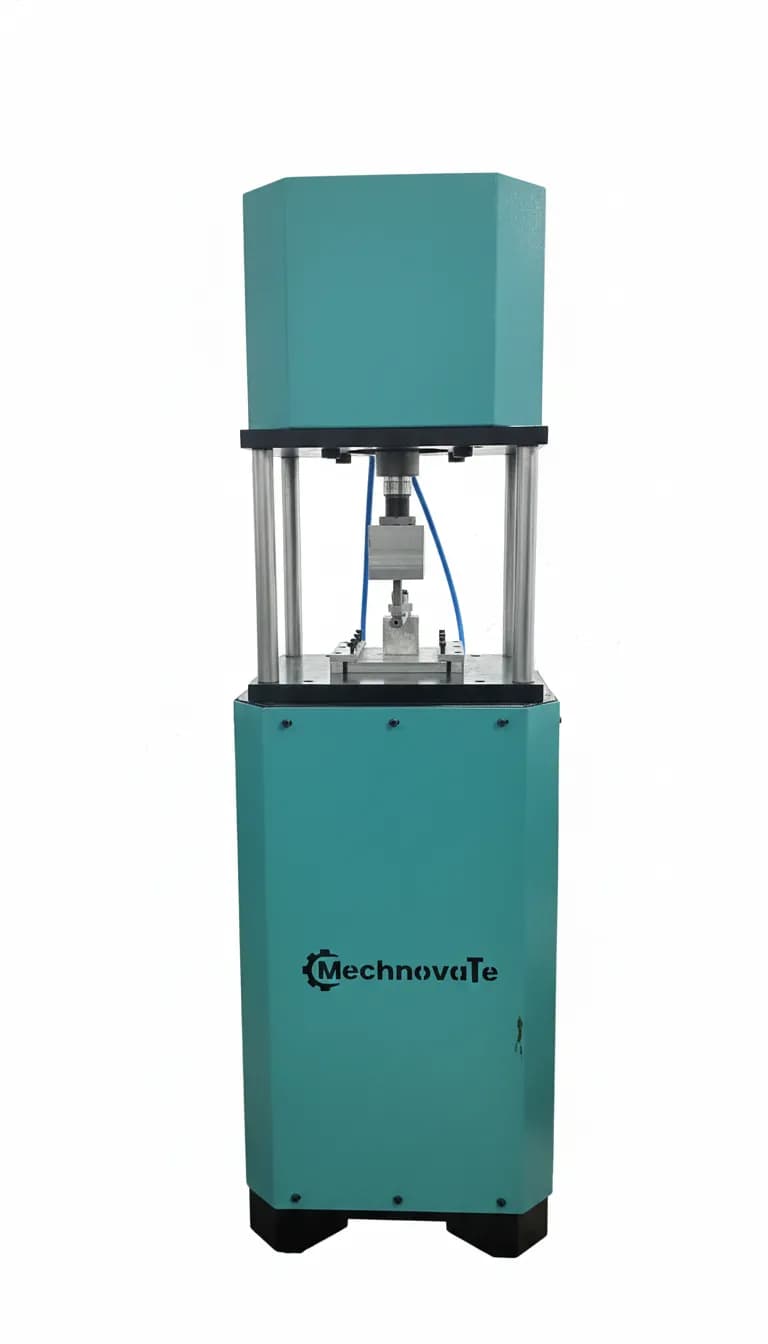
Achieving a zero-gap mullion joint in commercial facade fabrication requires more than just high-quality profiles; it demands absolute spindle stability and precise cutter geometry from your Heavy Duty Aluminium Profile End Milling Machine. In Bhopal’s expanding commercial sector, particularly around projects in Arera Hills and M P Nagar, fabricators are moving away from manual notches toward high-speed, multi-cutter systems to meet strict air infiltration and structural requirements. My 15 years in the workshop have taught me that a 0.5mm deviation in the end-mill can lead to water ingress and whistling in high-rise structures, making precision engineering the cornerstone of modern aluminum fabrication.
Technical Foundations of Precision Engineering in Bhopal
When we talk about precision in the Bhopal market, we are dealing with thermal expansion and structural loads specific to Central India's climate. A standard aluminium cutter machine might handle residential windows, but for commercial curtain walls, you need a machine that adheres to BS EN 12020 standards for tolerances. The heavy duty aluminium profile end milling machine utilizes a high-frequency 2.2kW spindle motor (minimum) to maintain a constant RPM of 2800 to 4500, even when biting into thick-walled 2.5mm profiles. This prevents the 'chatter' that often ruins the surface finish on the butt-joint.
To ensure consistent results, our engineering team focuses on three core metrics: spindle runout, pneumatic clamping pressure, and feed-rate control. In our testing facility, we've observed that a hydro-pneumatic feed cylinder is essential for smooth tool entry. Without it, the cutter often grabs the profile, leading to micro-cracks in the aluminium alloy. This is particularly crucial when you are using an Automatic Double Head Cutting Machine in tandem to ensure that every component in the assembly line maintains the same level of accuracy.
Case Study: Optimizing Facade Output in Bhopal
Last year, we assisted a major fabricator in Bhopal struggling with a 12% rejection rate on their mullion joints during a 14-story commercial project. Their existing aluminium punching machine and manual end mill were producing inconsistent depths, resulting in gaps exceeding 1.5mm. We implemented a 6-week optimization protocol involving the Mechnovate heavy-duty series and the results were measurable and immediate. We reduced their cutting waste from 12% to less than 3% while increasing daily output from 25 frames to 65 frames per day.
Our process involved:
- Re-calibrating the cutter stack to match the exact inner profile of the specific 65mm curtain wall series.
- Adjusting the pneumatic clamping to 6-7 bar to prevent profile deformation during high-speed milling.
- Implementing a cooling mist system using specialized lubricants to prevent aluminium chip welding on the tool tips.
- Integrating an Aluminium Corner Crimping Machine to ensure the overall frame remained square, allowing the precisely milled mullions to drop into place without forced alignment.
Strategic Step-by-Step Calibration Process
For fabricators looking to upgrade their upvc machinery or aluminium setup, the following process documentation is standard for our high-precision installations. Following this ensures your upvc windows making machine or aluminum cutting machine operates at peak efficiency for years.
- Tooling Alignment: Ensure the milling cutters are stacked according to the profile drawing provided by the extruder. Use precision shims to account for the 0.1mm tolerance required for a flush fit.
- Clamping Synchronization: The vertical and horizontal pneumatic clamps must engage 2 seconds before the spindle starts moving to ensure the profile is perfectly static.
- Feed Rate Adjustment: Set the hydro-pneumatic feed to 3 meters per minute for the initial entry, increasing to 5 meters per minute once the tool is fully engaged in the cut.
- Depth Stop Verification: Use a digital vernier caliper to check the first five cuts of every shift. A variation of more than 0.2mm indicates a loose mechanical stop or a drop in air pressure.
Avoiding Common Milling Mistakes
One of the most frequent mistakes I see in workshops is the attempt to use standard wood-cutting bits in an aluminium cutter. Aluminium requires specific tooth geometry to evacuate chips efficiently. Another critical error is neglecting the 'climb milling' vs 'conventional milling' distinction. In aluminium fabrication, the direction of the cut relative to the profile edge significantly impacts the burr formation. If you see excessive burrs on the bottom edge, your feed speed is likely too low or your cutters are dull.
Furthermore, many startups look for the lowest aluminium cutting machine price without considering the cost of long-term maintenance. A light-duty machine will develop spindle play within 12 months under commercial loads. This play results in 'stepped' milling surfaces that make it impossible to achieve the weather-tight seal required for ISO 9001 certified installations. Always prioritize machines with cast-iron bases and oversized linear guides to dampen the high-frequency vibrations inherent in milling 6063-T6 aluminium.
The Role of Advanced Machinery in Business Growth
As a upvc window manufacturing machinery specialist, I often advise clients that the transition from manual to semi-automatic or CNC systems is the only way to scale. Whether you are looking at a CNC uPVC window fabrication machine price in India or an automatic aluminium window production line price, the ROI is found in the reduction of rework. In Bhopal’s competitive landscape, the ability to deliver a 500-window order with 0% rework on mullion joints is your strongest marketing tool. This precision is what separates high-end facade consultants from local residential fabricators.
Frequently Asked Questions for Fabricators
Q1: How often should I sharpen the cutters on my heavy duty aluminium profile end milling machine? Typically, for 6063-T6 aluminium, you should inspect cutters every 500 milling cycles. Sharpening or replacement is usually required every 2,500 to 3,000 cycles, depending on the wall thickness and the use of cooling lubricants.
Q2: Can I use the same machine for uPVC and Aluminium profiles? While the motor might handle both, the cutter speeds and tooth geometries differ significantly. uPVC requires lower RPMs to prevent melting, whereas aluminium needs higher speeds for a clean cut. If you are a high-volume upvc window manufacturing machine user, I recommend dedicated machines to avoid constant tool changes and contamination.
Q3: Why is my mullion joint slightly tilted even after milling? This is usually caused by 'profile lift.' If your horizontal clamping is not sufficiently close to the cutting zone, the profile can lift slightly as the cutter engages. Check your pneumatic pressure and ensure your profile supports are level with the machine bed.
Get more articles like this
Follow Mechnovate on Google to see our guides in Google Discover & News