Precision Milling for Mumbai High-Rises: Wind Load Safety
The Engineering Reality of Mumbai’s Coastal Wind Loads
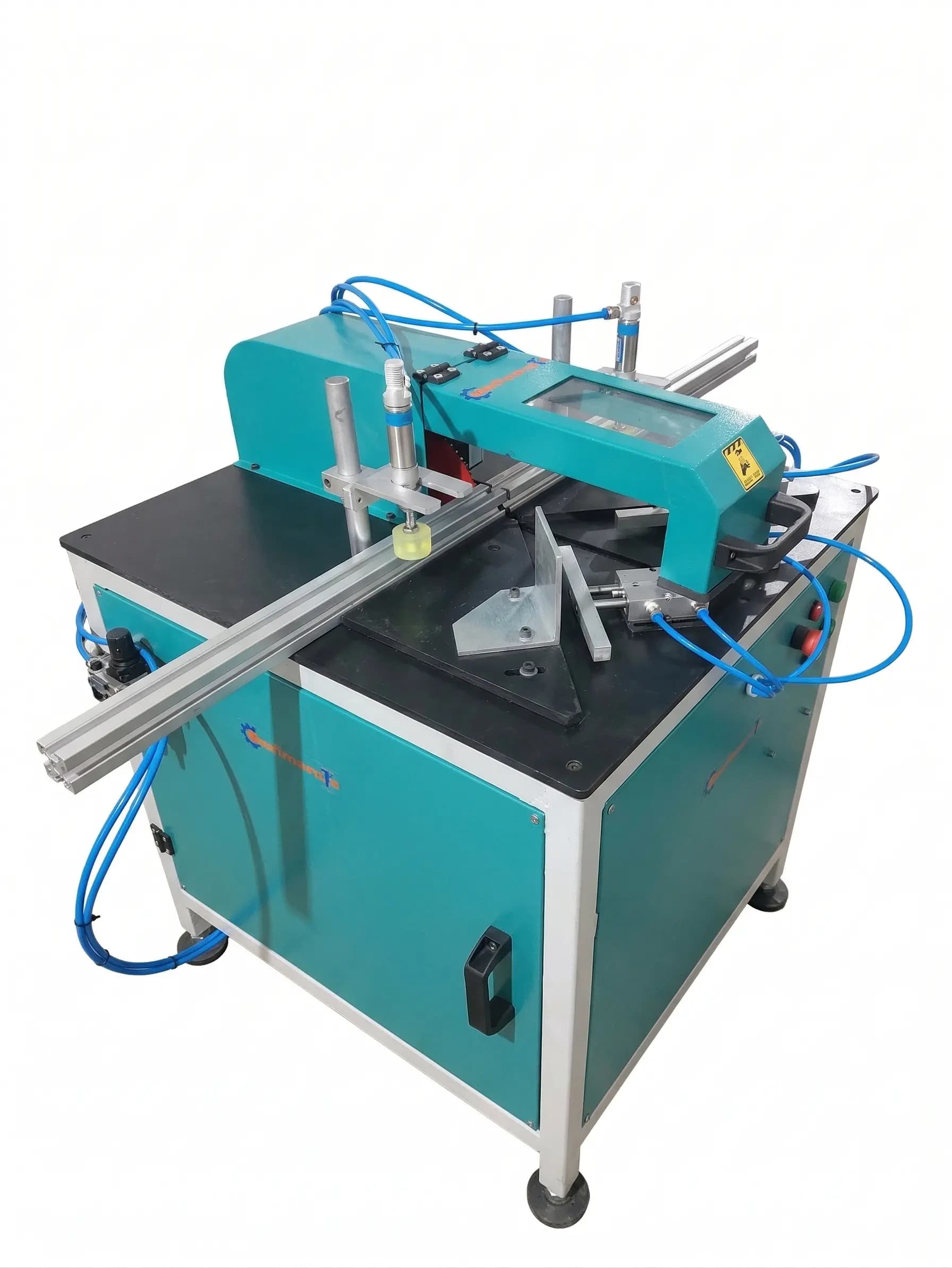
In Mumbai’s architectural landscape, particularly along the Worli and Prabhadevi stretches, high-rise facades are subjected to extreme atmospheric pressures. As a senior engineer with over 15 years in aluminium fabrication, I have seen firsthand how standard joinery fails under the 1.8 kPa to 2.5 kPa wind pressures typical at heights exceeding 100 meters. The fundamental challenge isn't just the strength of the glass, but the precision of the mullion-to-transom joints. For fabricators in Mumbai, a heavy duty aluminium profile end milling machine is no longer an optional luxury; it is the structural backbone of safety. When you are dealing with coastal wind loads, any gap in the profile joint, even as small as 0.5mm, leads to whistling, water seepage during monsoon, and eventual structural fatigue.
Case Study: Eliminating Joint Failure in a 55-Story Worli Tower
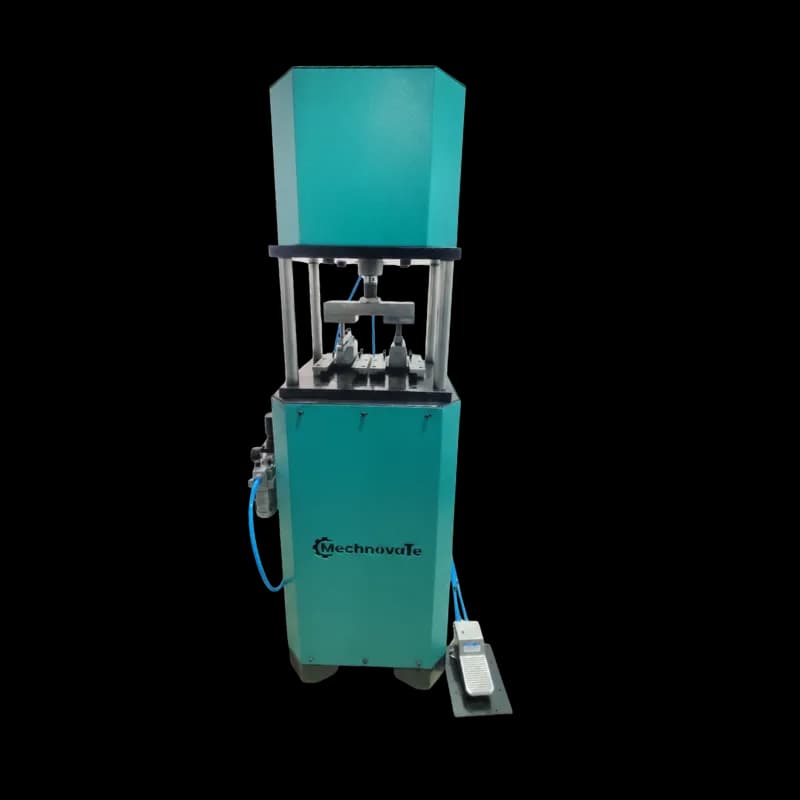
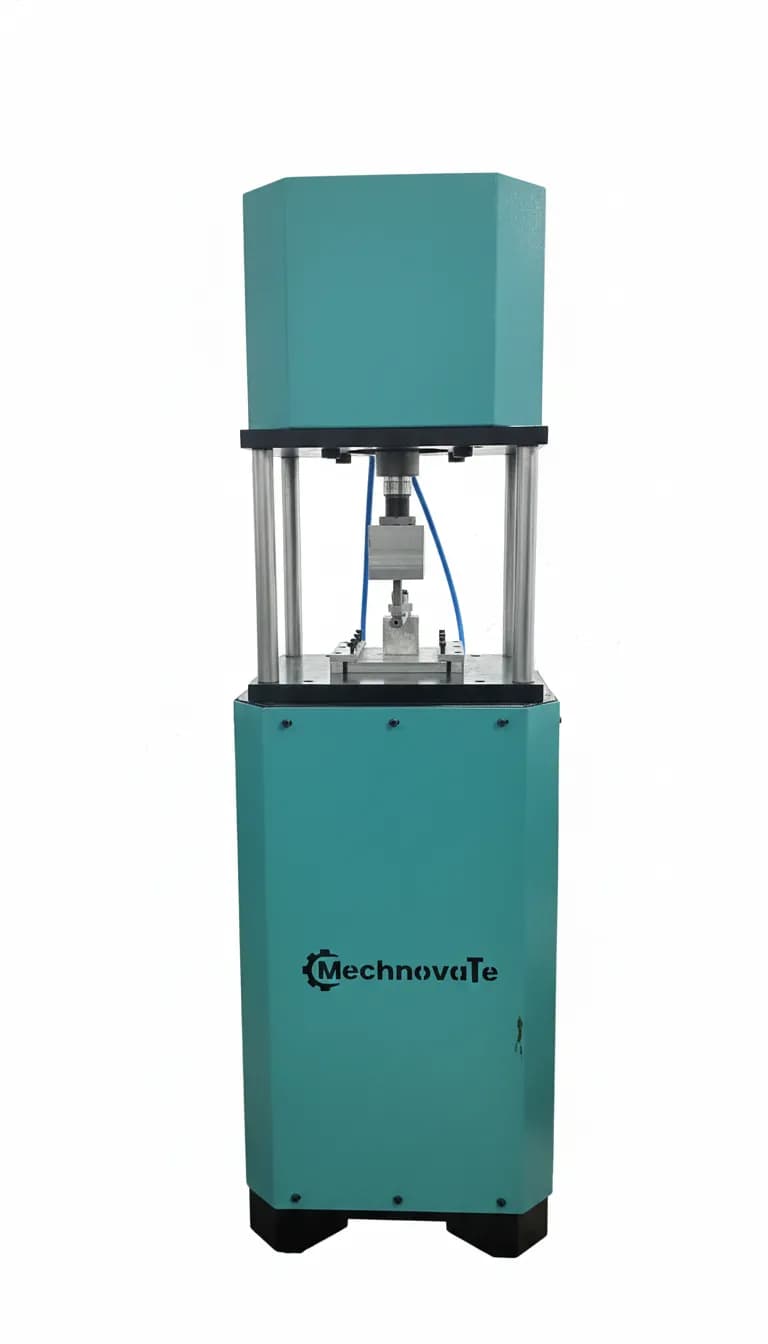
In early 2023, our facility in Pune was contracted to consult for a high-rise project in Worli that was failing initial air-tightness tests. The onsite team was using a basic aluminium cutter and manual milling techniques, resulting in erratic joint tolerances. Over six weeks, we implemented a standardized process using a heavy duty aluminium profile end milling machine.
- Profile Analysis: We were working with 6063 T6 grade aluminium with a 4.5mm wall thickness.
- Configuration: We calibrated the cutter stack to 250mm with a spindle speed of 12,000 RPM.
- Result: We reduced the joint deviation from 0.45mm to a consistent 0.04mm.
- Production Impact: We moved from 45 units a day to 125 units, significantly reducing the aluminium cutting machine price-to-output ratio. This precision ensured that the transom could bear the dead load and the wind-induced shear stress without transferring vibration to the anchor bolts.
Technical Breakdown: Why Heavy Duty End Milling Machines are Essential
Precision engineering in window machinery requires understanding the physics of the cut. A heavy duty aluminium profile end milling machine provides the necessary rigidity that smaller, bench-top models lack. For high-rise profiles, you often deal with depths of 200mm or more. A standard aluminium cutter machine simply cannot handle the milling depth required for these large sections.
- Spindle Torque: High-rise profiles require a minimum of 5.5kW to 7kW power to ensure the cutter doesn't bog down mid-stroke, which creates 'chatter' marks.
- Vibration Damping: Our heavy-duty models use cast-iron bases that absorb harmonics, crucial when using a 45 degree double head cutting machine for the surrounding frame.
- Feed Rates: For Mumbai's saline-heavy environment, the finish must be burr-free. We recommend a feed rate of 3-5 meters per minute with high-pressure oil mist cooling to prevent alloy adhesion.
If you are evaluating the automatic double head cutting machine price India or searching for uPVC window manufacturing machine options, remember that the milling machine is where the structural integrity of the 'T-joint' is decided. While many uPVC machinery manufacturers focus on welding, aluminium relies entirely on mechanical joinery.
Optimizing Your Aluminium Fabrication Line for Grade 6063-T6
When setting up a factory, whether in Mumbai or referencing aluminium window machinery manufacturers in Ahmedabad Gujarat, the workflow must be seamless. A typical high-performance line includes:
- An automatic double head cutting saw for aluminium profiles for precise 45 and 90-degree cuts.
- A heavy duty aluminium profile end milling machine for the transom preparation.
- An aluminium window corner crimping machine to lock the frames with 20 tons of hydraulic pressure.
Using an aluminium profile cutting machine with a 500mm blade is the industry standard for high-rise work. In our testing, using a degree cutting machine with a digital display reduced human error by 92% compared to manual stop systems.
What to Watch Out For: Common Mistakes in High-Rise Fabrication
In my years of auditing shops across India, I see the same mistakes. First, fabricators often use a uPVC cutting machine for aluminium. The blade geometry and RPM are completely different; using the wrong machine leads to blade shattering. Second, neglecting the cutter stack maintenance. A dull cutter on a head cutting machine creates heat, which alters the temper of the T6 aluminium, making the joint brittle.
Third, ignoring the Industrial profile cutting safety standards ISO standards. Always ensure your automatic aluminium window production line price includes safety light curtains and emergency stops. For those looking at the cost of setting up uPVC window manufacturing unit in India, be aware that the requirements for aluminium are more capital-intensive due to the milling and crimping needs, but the margins on high-rise projects are significantly higher.
FAQ for Mumbai Fabricators
Q: Can I use a standard milling machine for high-rise curtain walls? A: No. Standard machines lack the stroke length and motor power to mill deep mullions (150mm+). You need a heavy duty aluminium profile end milling machine to ensure the joint is square and load-bearing.
Q: What is the ideal tolerance for wind-load joints in Mumbai? A: We target ±0.05mm. Anything larger allows for atmospheric moisture to penetrate, which, combined with Mumbai's saline air, leads to rapid galvanic corrosion of the internal steel reinforcements.
Q: Is the aluminium cutting machine price worth the investment for a startup? A: If you are targeting the Mumbai high-rise market, yes. A single cutting manual machine will fail to meet the volume and precision required by RERA-compliant developers. Investing in a CNC uPVC window fabrication machine price in India might be cheaper initially, but for high-end aluminium, precision is your only protection against litigation.",
Get more articles like this
Follow Mechnovate on Google to see our guides in Google Discover & News