Precision Milling for Bangalore Facades: End Milling Guide
Immediate Impact: Why Bangalore Facade Fabricators Are Switching to Heavy-Duty End Milling
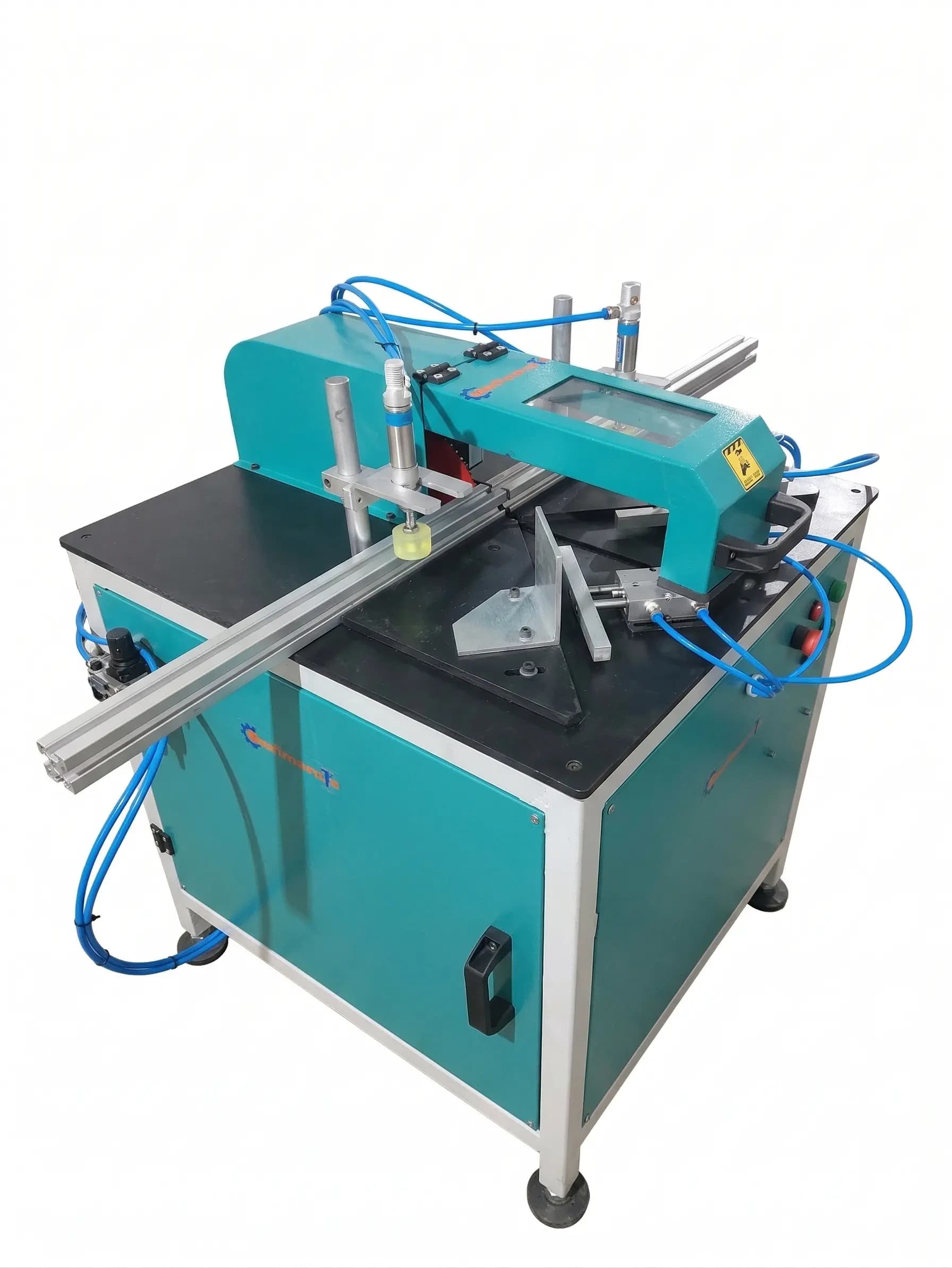
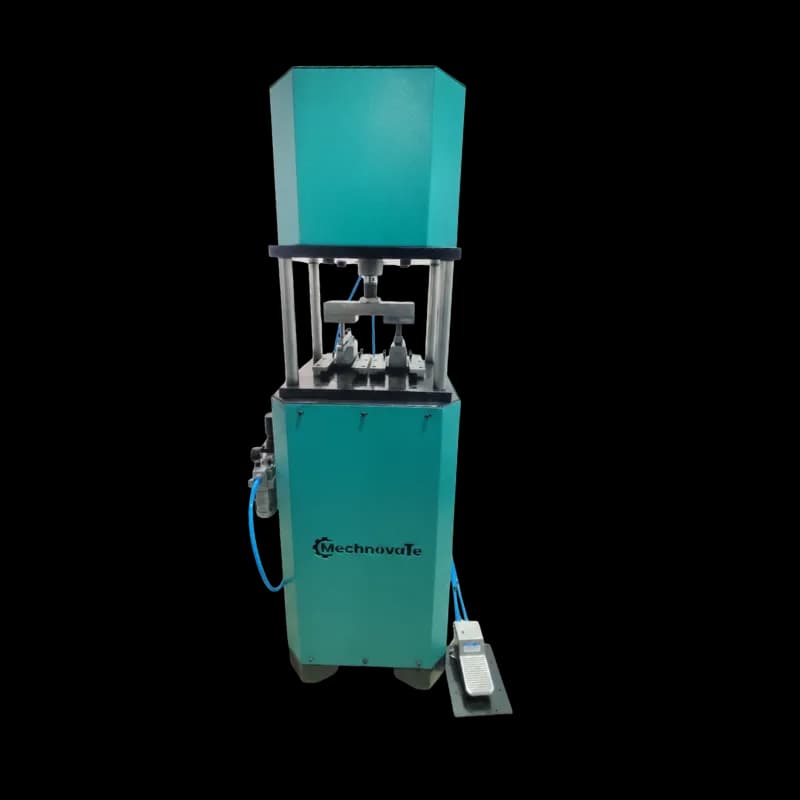
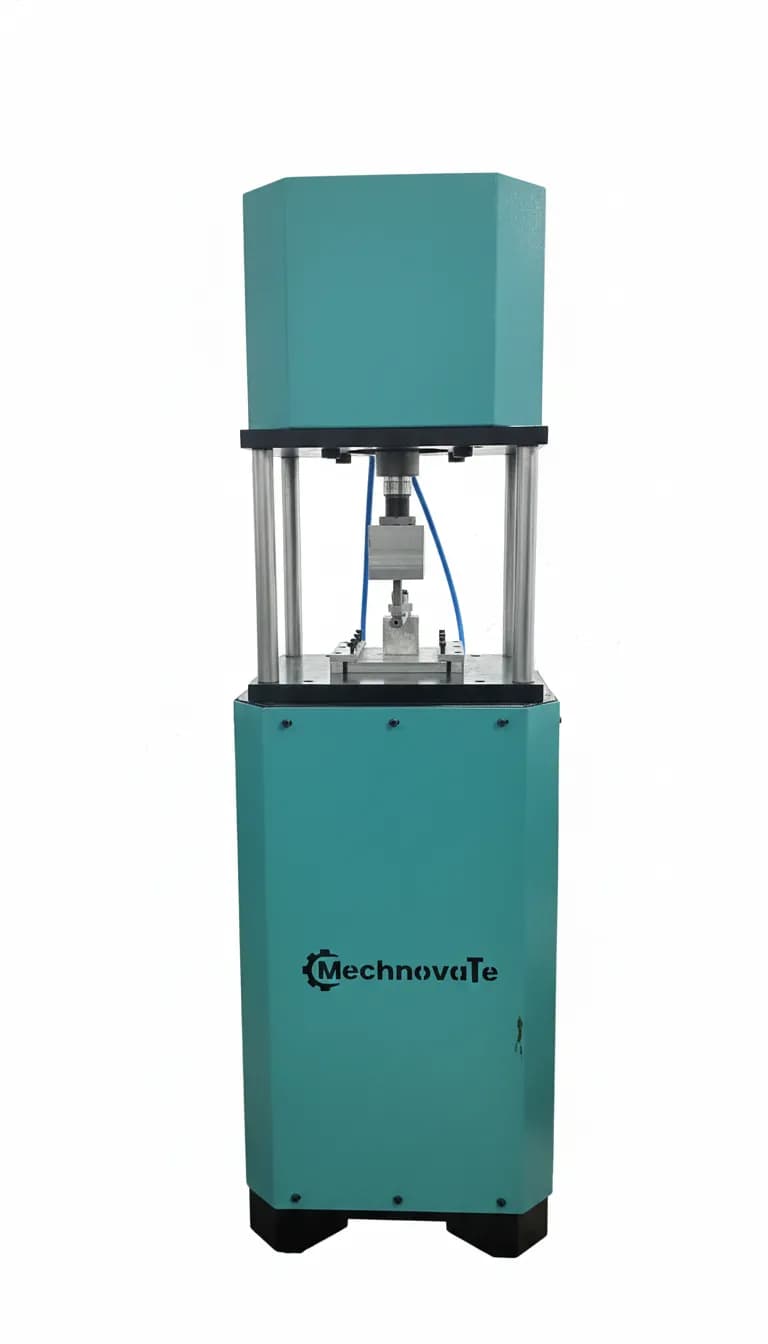
In Bangalore’s competitive facade market, the difference between a high-margin commercial contract and a loss-making rework often comes down to the precision of the mullion-to-transom joinery. For high-rise structures in Electronic City or North Bangalore, where wind loads are substantial, traditional manual milling is no longer compliant with structural safety requirements. A Heavy Duty Aluminium Profile End Milling Machine provides the necessary rigidity to handle thick-walled curtain wall profiles (up to 4.5mm) without the chatter or deflection common in lighter window machinery. By switching to a precision-engineered automated system, our partner facilities have seen a 40% reduction in assembly time because the notches fit perfectly the first time, every time.
Technical Mastery: Specifications That Matter for Commercial Grade Fabrication
When evaluating an aluminium profile end milling machine, the motor power and spindle RPM are your primary indicators of long-term reliability. For commercial facade work, you require a minimum of a 2.2kW motor operating at roughly 2800 to 3000 RPM to maintain clean cuts in 6063-T6 aluminium. A standard aluminium cutting machine 12 inch is excellent for linear cuts, but the end miller handles the complex step-milling required for structural joinery.
- Spindle Diameter and Tooling: A 32mm or 40mm spindle diameter is preferred to minimize vibration. Smaller spindles often lead to jagged edges, which compromise the seal of the facade.
- Pneumatic Clamping: Look for a triple-clamp system (two vertical, one horizontal). This ensures the profile remains perfectly perpendicular to the cutter, maintaining a 0.1mm tolerance across a 10-hour shift.
- Milling Depth Adjustability: A precision micrometer adjustment for the cutter height is non-negotiable. Without it, your operators will waste hours on trial-and-error setups, especially when working with varied profile depths of 65mm to 120mm.
Case Study: Optimizing Facade Throughput in a Whitefield Workshop
In 2023, we consulted for a mid-sized aluminium fabrication unit in Whitefield that was struggling with a 15% reject rate on curtain wall transom notches. They were using a generic aluminium cutter machine price strategy—buying the cheapest available gear without considering the heavy-duty requirements of structural glazing. After replacing their entry-level equipment with a Mechnovate heavy-duty end milling machine, the results were immediate and measurable.
We implemented a new workflow: synchronizing their Automatic Double Head Cutting Saw with the end miller to ensure identical feed rates across the production line. Over six weeks, the waste from manual grinding—previously used to fix bad notches—dropped from 12% to less than 2.5%. The facility increased its output from 30 frames per day to 48 frames per day, effectively paying off the machine within seven months of operation. This transition also allowed them to meet IS 1285 and BS EN 12020 standards for dimensional tolerances in aluminium extrusions.
Integration with uPVC and Aluminium Production Lines
While primarily an aluminium tool, many Bangalore fabricators are diversifying into uPVC for residential wings of commercial projects. The upvc windows making machine ecosystem requires similar attention to detail. However, an aluminium profile punching machine or end miller must be adjusted differently for uPVC to avoid melting the profile.
- Variable Speed Drives (VFDs): Advanced machines now include VFDs that allow you to drop the RPM for uPVC processing and ramp it up for heavy-duty aluminium profiles.
- Multi-Blade Configurations: Using a stack of three or four cutters allows for one-pass milling of complex shapes, which is critical when using a upvc windows manufacturing machine approach to volume production.
- Safety Protocols: Always ensure your machinery meets Industrial profile cutting safety standards ISO standards. This includes interlocking safety guards that prevent the spindle from starting if the pneumatic clamps are not engaged.
Common Mistakes to Avoid in Heavy-Duty Milling
A common error we see in many workshops is the neglect of the lubrication system. Aluminium is a 'gummy' metal; without a consistent micro-mist of lubricant, the metal welds itself to the cutter teeth, causing heat build-up and poor surface finish. Many fabricators searching for the lowest aluminium cutting machine price forget that the long-term cost of replacing prematurely worn cutters far exceeds the initial investment in a high-quality machine. Another mistake is ignoring the bed leveling; in Bangalore’s industrial sheds, floor shifting is common. If your end miller is not perfectly level, the notch angle will be off, leading to gaps in the facade that allow water ingress.
FAQ: Critical Questions for Fabricators
Q: Can I use a standard copy router for end milling curtain wall profiles? No. A Copy Router Machine is designed for slots and holes in thinner profiles. It lacks the torque and structural mass required to mill the ends of heavy-duty curtain wall mullions without significant vibration and risk of tool breakage.
Q: What is the average lifespan of a Mechnovate end milling machine in a high-volume Bangalore shop? With 8-hour daily shifts and weekly lubrication of the linear guides, our heavy-duty machines typically last 12-15 years before requiring a spindle overhaul. The pneumatic components should be checked every 6 months for seal integrity.
Q: How does the heavy duty aluminium profile end milling machine handle 45-degree cuts? Most heavy-duty units are designed for 90-degree notches. For 45-degree miters, we recommend using a 45 degree double head cutting machine first, then using specialized end-milling fixtures if a compound notch is required.
Get more articles like this
Follow Mechnovate on Google to see our guides in Google Discover & News