Precision Jointing: Aluminium Corner Crimping Machine Price Gujarat
Automatic Aluminium Corner Crimping Machine Price and ROI in Gujarat
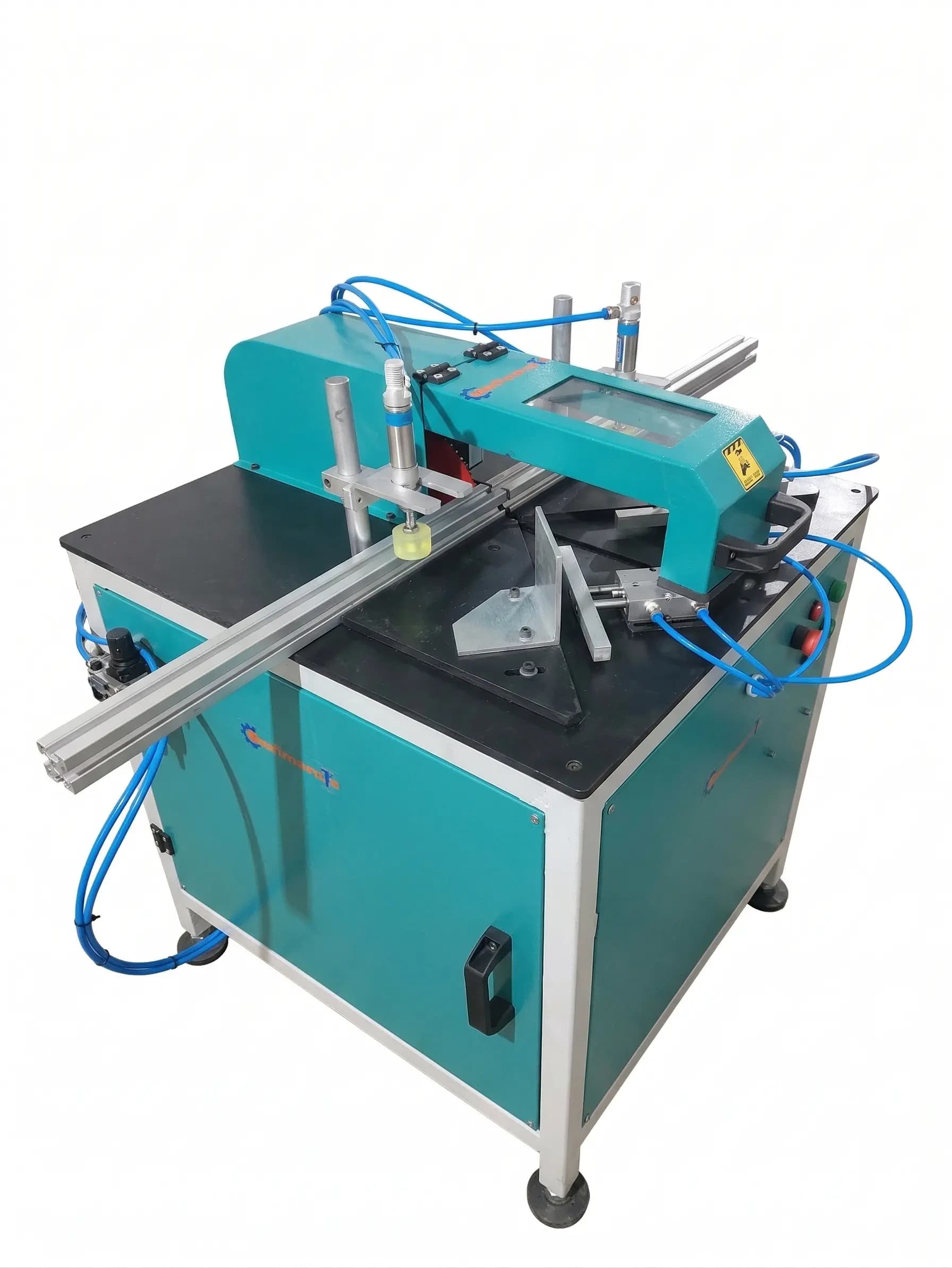
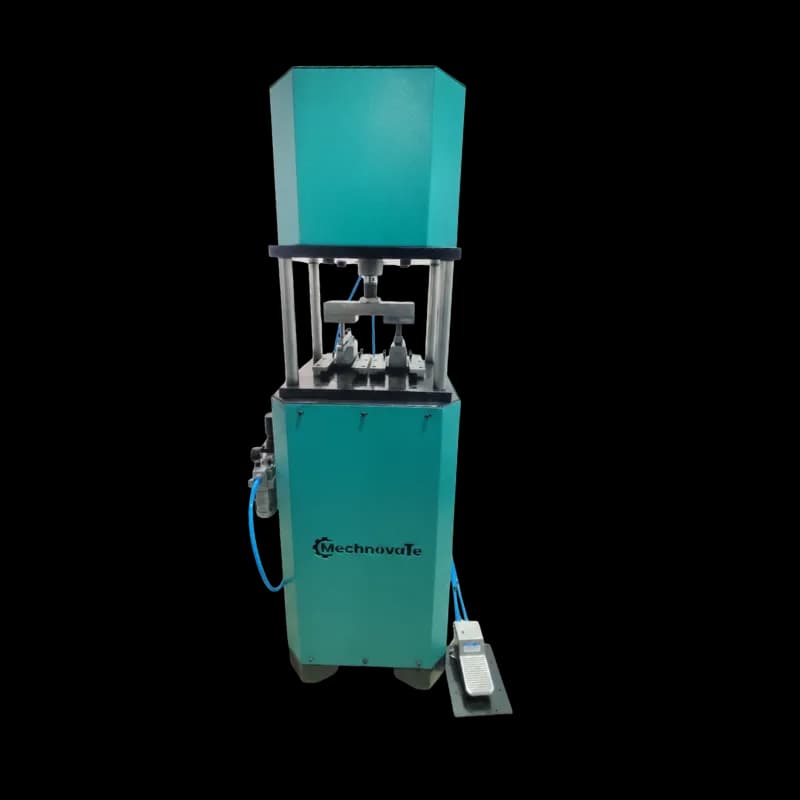
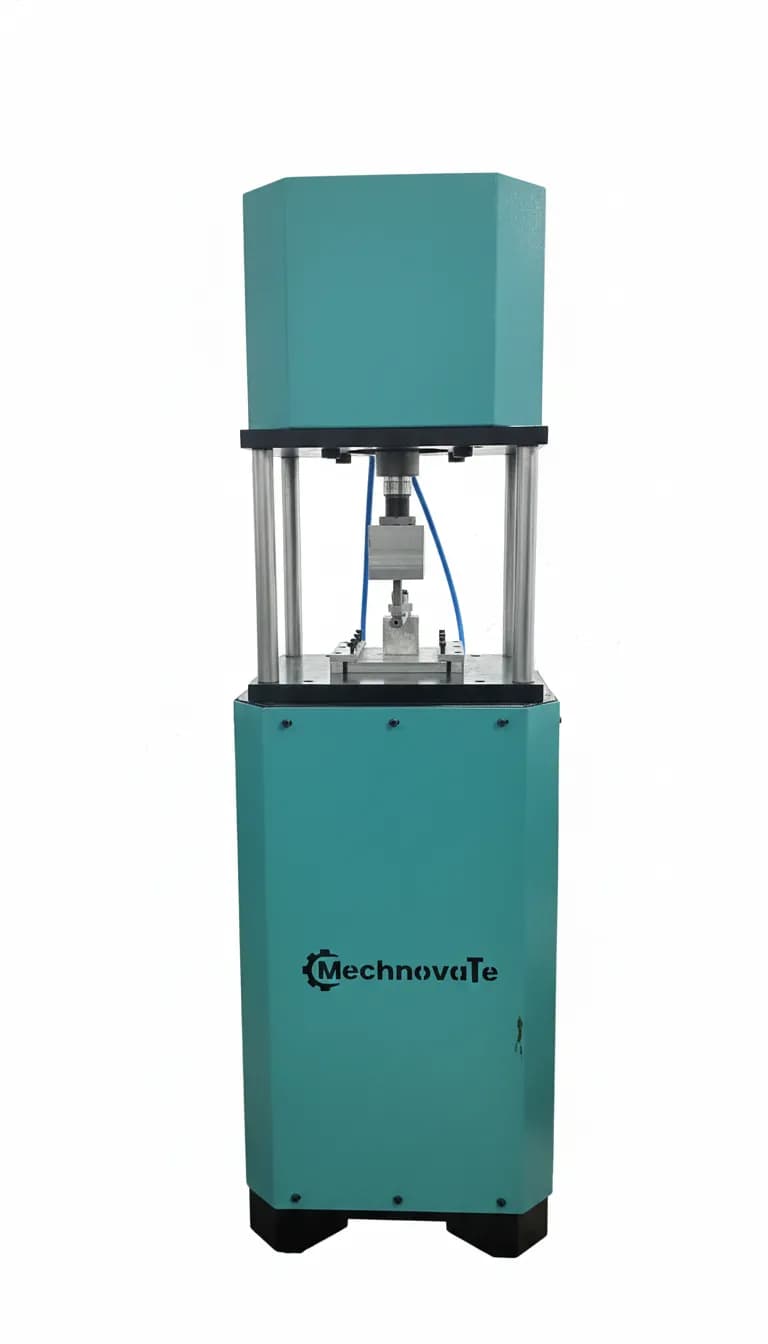
In Gujarat’s competitive fabrication market, an automatic aluminium corner crimping machine price typically ranges from ₹2.8 Lakh for basic hydraulic models to ₹6.5 Lakh for high-precision CNC-integrated units. For workshops in Ahmedabad, Surat, or Rajkot processing over 30 windows daily, the ROI is realized within 10 to 14 months through a 75% reduction in assembly time and near-zero rework. Transitioning from manual methods to a dedicated Aluminium Corner Crimping Machine is the most effective way to meet ISO 9001 and IS 1285 standards for structural integrity in high-rise facade projects.
The Engineering Reality: Why Precision Jointing Matters
As a senior engineer at Mechnovate with 15 years in the field, I’ve seen many Gujarat-based fabricators struggle with the 'step' effect in miter joints. When you use a Manual Punching Machine, you rely on operator consistency, which inevitably fails during 12-hour shifts. An automatic crimper uses hydraulic synchronization to drive the knifing blades into the profile and corner cleat simultaneously with up to 80 bar of pressure. This ensures that the 45-degree miter remains hermetically sealed, preventing air infiltration and water seepage—critical for the monsoon conditions in coastal Gujarat.
Case Study: Performance Metrics from a Surat-Based Facility
Last year, we assisted a mid-sized workshop in Surat that was using manual Aluminium Punching Machine setups for their corner joints. We replaced their manual line with a heavy-duty hydraulic automatic crimping system. Over a 6-month observation period, we documented the following results:
- Cycle Time Reduction: Assembly time dropped from 4.5 minutes per frame (manual) to just 48 seconds (automatic).
- Waste Management: Material rejection due to misaligned joints fell from 12% to 1.8%.
- Labor Optimization: The facility reassigned 2 skilled workers from the assembly line to the Automatic Double Head Cutting Machine section, increasing total throughput by 40 frames per day.
- Durability: The hydraulic system maintained a tolerance of ±0.1mm over 50,000 cycles without requiring recalibration.
Technical Specifications for Industrial Profile Processing
When evaluating an aluminium window corner crimping machine price, don't just look at the sticker cost. You must analyze the engineering specifications to ensure compatibility with heavy architectural profiles. Modern Aluminium Window Machinery Manufacturers in Ahmedabad Gujarat focus on these core metrics:
- Hydraulic System: A 2.2kW or 3.0kW motor driving a pump capable of 16-20 MPa pressure.
- Knifing Depth: Adjustable ranges from 0-85mm to accommodate various profile depths.
- Profile Width Support: Capability to handle profiles up to 120mm for heavy-duty casement and sliding systems.
- Hydraulic Oil: Use of high-grade anti-wear hydraulic oil (ISO VG 46) to ensure valve longevity.
- Safety Standards: Compliance with industrial profile cutting safety standards ISO standards, including emergency stop triggers and shielded foot-pedal activation.
ROI Analysis: Is the Investment Worth It for Your Workshop?
The cost of setting up a uPVC window manufacturing unit in India or an aluminium line often hinges on the automation level. For an automatic aluminium window production line price analysis, consider the 'Cost Per Joint' metric. A manual joint costs roughly ₹45 in labor and rework potential. An automatic crimp reduces this to ₹8 per joint. If your workshop handles 50 windows (200 joints) per day, you save ₹7,400 daily in labor and material waste. Over a standard 25-day working month, that is a saving of ₹1.85 Lakh.
Common Mistakes to Avoid in Corner Jointing
Over the years, I have seen even experienced fabricators make these three critical errors that ruin their ROI:
- Ignoring Cleat Tolerances: If your internal corner cleat is even 0.5mm smaller than the profile cavity, the crimp will 'pull' the profile, causing a gap on the outer face. Always match your cleat precisely to the extrusion.
- Inconsistent Blade Height: Many technicians forget to synchronize the height of the left and right blades. This results in one side of the miter being tighter than the other, leading to 'twisting' in the frame.
- Neglecting Oil Filtration: Hydraulic systems are sensitive. Failing to change the oil filter every 2,000 hours leads to micro-vibrations in the knifing stroke, which creates visible marks on the aluminium profile.
FAQ: Fabricator Insights
Q: What is the typical automatic aluminium corner crimping machine price for a startup? A: A reliable entry-level machine starts around ₹2.8 Lakh to ₹3.2 Lakh. We recommend avoiding 'low-cost' unbranded machines under ₹2 Lakh as they often use inferior hydraulic valves that leak within 6 months.
Q: Can I use the same machine for both aluminium and uPVC profiles? A: No. uPVC requires a uPVC Welding Machine to fuse the material. Aluminium requires mechanical jointing via crimping or punching. Attempting to cross-use machinery will damage the profiles.
Q: How often does the knifing blade need sharpening? A: For standard architectural grade aluminium, high-quality HSS blades will last for approximately 80,000 to 100,000 crimps before requiring professional regrinding.
Q: Is a double-head crimper worth the extra cost? A: A double-head machine is only necessary if you are producing high volumes of identical-sized frames, such as for a hotel or a large residential project. For most retail workshops, a single-head automatic machine offers better flexibility.
Get more articles like this
Follow Mechnovate on Google to see our guides in Google Discover & News