Precision Engineering for Ahmedabad High-Rises: Pro Upgrades
The High-Rise Shift: Why Manual Processes Fail at 20+ Floors
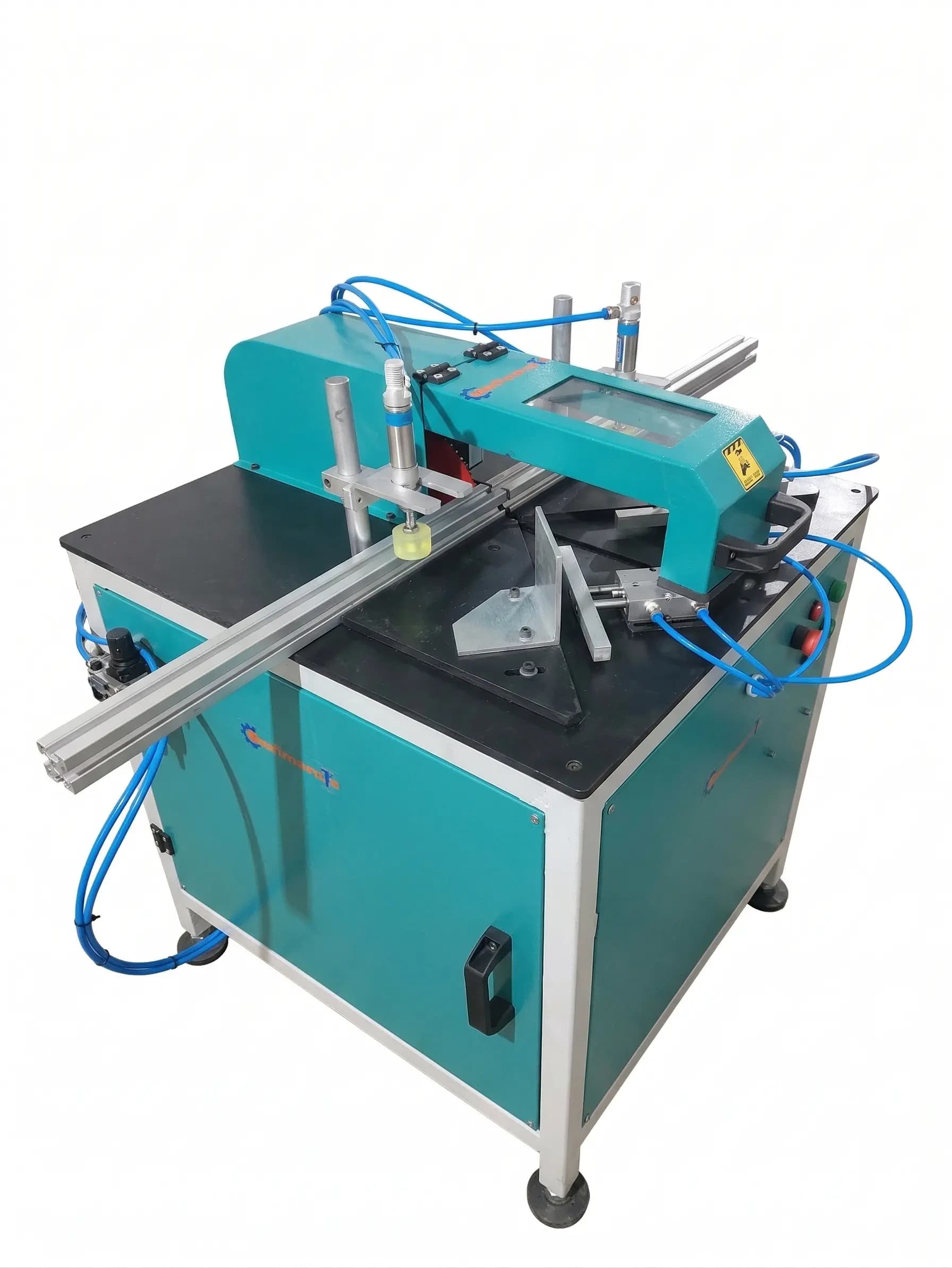
Ahmedabad’s skyline is rapidly scaling, with residential and commercial towers along SG Highway and GIFT City now exceeding 22 floors. For a senior engineer, the challenge isn't just aesthetics; it is the wind load and structural integrity required at those elevations. Traditional aluminium fabrication methods involving manual measurement and basic 12-inch aluminium cutter machine setups are no longer viable. Manual cutting lacks the repeatability needed for airtight seals, leading to water seepage and whistling sounds under high wind pressure. To meet the rigorous demands of modern Gujarat architecture, fabricators are shifting toward a fully Automatic Aluminium Window Production Line. This upgrade ensures that every joint meets the precision engineering standards required for 2.0mm+ profile thicknesses used in high-rise window systems.
Case Study: From 12% Waste to 3% Precision in Vatva GIDC
In early 2023, we consulted for a mid-sized fabrication unit in Vatva GIDC that was struggling with a 12% material waste rate on premium thermal-break profiles. Their workflow relied on a single cutting manual saw and a manual punching machine. Over six weeks, we implemented a structured transition to an integrated Double Head Miter Saw for Aluminium Profiles.
Before vs. After Metrics:
- Daily Output: 15 frames per shift vs. 58 frames per shift.
- Precision Tolerance: ±1.5mm vs. ±0.15mm.
- Scrap Rate: 12% (due to miscuts and rework) vs. 2.8%.
- Labor: 6 skilled technicians vs. 2 operators and 1 helper.
The engineering reasoning was clear: by automating the degree cutting machine movements, we eliminated the human error inherent in setting manual stops. For the Ahmedabad market, where raw material costs fluctuate, reducing waste by 9% directly impacts the bottom line, often paying for the aluminium cutting machine price within 14 months.
Engineering Specifications: The Core of the Automatic Line
When evaluating an aluminum cutting machine, you must look beyond the price tag. A high-performance Aluminium Profile Cutting Machine for industrial use must meet these technical benchmarks:
- Blade Mechanics: A 450mm to 500mm TCT blade is standard. We recommend a feed rate of 2-5 m/min for clean, burr-free cuts on powder-coated profiles.
- Pneumatic Pressure: The clamping system must operate at 6-8 bar pressure with adjustable pressure valves to prevent profile deformation on thin-walled sections.
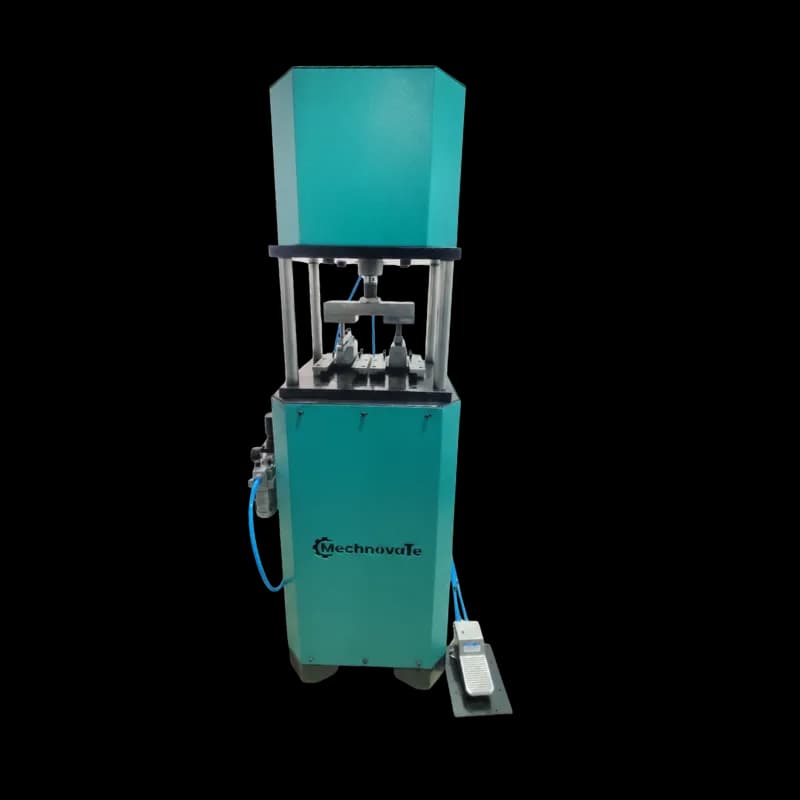
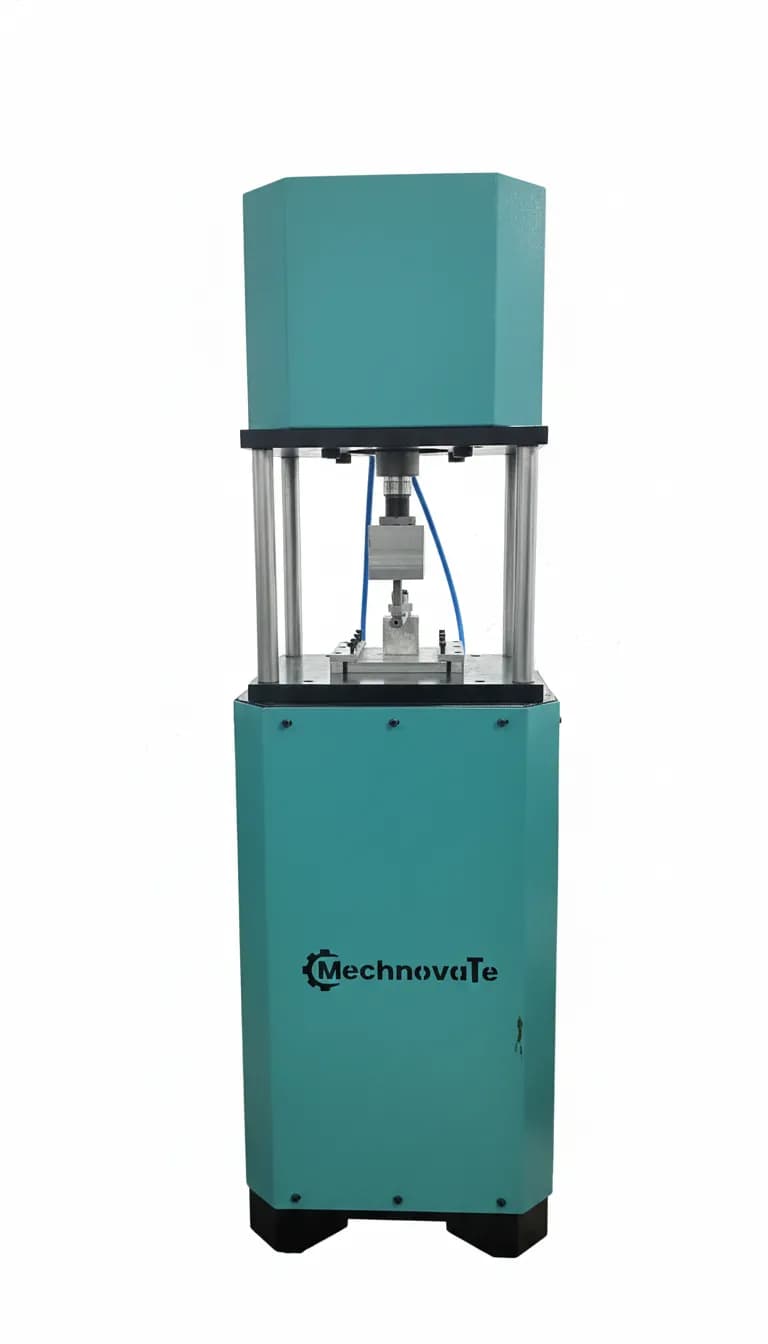
- Miter Accuracy: The 45 degree double head cutting machine must maintain a lock-in precision of ±0.1 degrees. This ensures that when the Aluminium Window Corner Crimping Machine joins the profiles, there is zero visible gap.
- Motor Power: Look for 2.2kW or 3.0kW induction motors. Under-powered motors on a heavy duty aluminium profile end milling machine lead to vibration, which ruins the finish of the miter.
For those also handling uPVC, the transition often involves a uPVC window manufacturing machine or a double head seamless welding machine for uPVC windows. However, the torque and cooling requirements for aluminium are significantly higher, requiring specialized alu door fabrication machinery that can handle the thermal expansion and friction of the metal.
Common Mistakes in Workshop Automation
Through 15 years of workshop experience, I have seen many upvc window machinery manufacturers in Chennai or local aluminum window machine manufacturers in Ahmedabad sell equipment that isn't suited for the specific profile systems used in Gujarat.
What to Watch Out For:
- Inadequate Cooling: Always ensure your aluminium cutter has a micro-mist lubrication system. Dry cutting aluminium leads to 'built-up edge' on the blade, causing jagged cuts.
- Ignoring the Foundation: An automatic aluminium corner crimping machine price Gujarat fabricators pay includes the tech, but they often forget the floor. A non-level floor causes the head cutting machine to lose calibration over time.
- Generic Software: If you are moving to CNC, ensure the software supports the specific drainage and hardware hole patterns of your profile supplier. A high speed copy router for aluminium windows is useless if it’s programmed for the wrong offset.
Operational Economics: ROI for Ahmedabad Fabricators
The cost of setting up uPVC window manufacturing unit in India ranges from 15L to 50L, but an aluminium line is often more modular. You can start with a high-quality aluminium cutting machine 12 inch for small residential work, but for high-rise tenders, you need the automatic aluminium window production line price considerations. Investment in alu profile cutting and processing machines allows you to bid for RERA-registered projects where quality audits are frequent. By reducing labor dependency, you insulate your business from the skilled labor shortages common in the Gujarat industrial belt. Furthermore, adhering to Industrial profile cutting safety standards ISO standards reduces workplace accidents and insurance premiums.
FAQ: Critical Questions for Fabricators
Q1: Can I use a uPVC cutting machine for aluminium profiles? No. A upvc cutting machine lacks the high-torque motors and the lubrication systems required for metal. Attempting this will damage the blade and create unsafe working conditions. Always use a dedicated aluminium cutting machine.
Q2: What is the typical footprint for a full automatic aluminium window production line? Typically, you need a minimum of 2,000 to 3,000 square feet. This allows for the double head miter saw, the aluminium punching machine, a copy router machine, and the assembly tables. For uPVC window machinery manufacturers in Lucknow or elsewhere, the space requirements are similar but require more room for the cooling racks.
Q3: How often do the blades on a CNC aluminium profile cutting machine need sharpening? In a high-volume Ahmedabad workshop, blades should be checked every 3,000 to 5,000 cuts. Using a high-quality TCT blade and proper lubrication extends life. Most aluminium window fabrication machine suppliers Pune or Gujarat offer blade sharpening services as part of their maintenance packages.
Q4: Is it better to buy a single head or double head cutting saw for a startup? If you are targeting high-rise projects, go for the automatic double head cutting saw for aluminium profiles. It ensures both ends of the profile are cut in one cycle, maintaining a perfectly consistent length that a single cutting machine cannot match consistently over 100 frames.
Get more articles like this
Follow Mechnovate on Google to see our guides in Google Discover & News