Precision Cornering for Thane's Luxury Windows: A Buyer's Guide
Why Corner Joinery Defines Luxury Window Quality in Thane
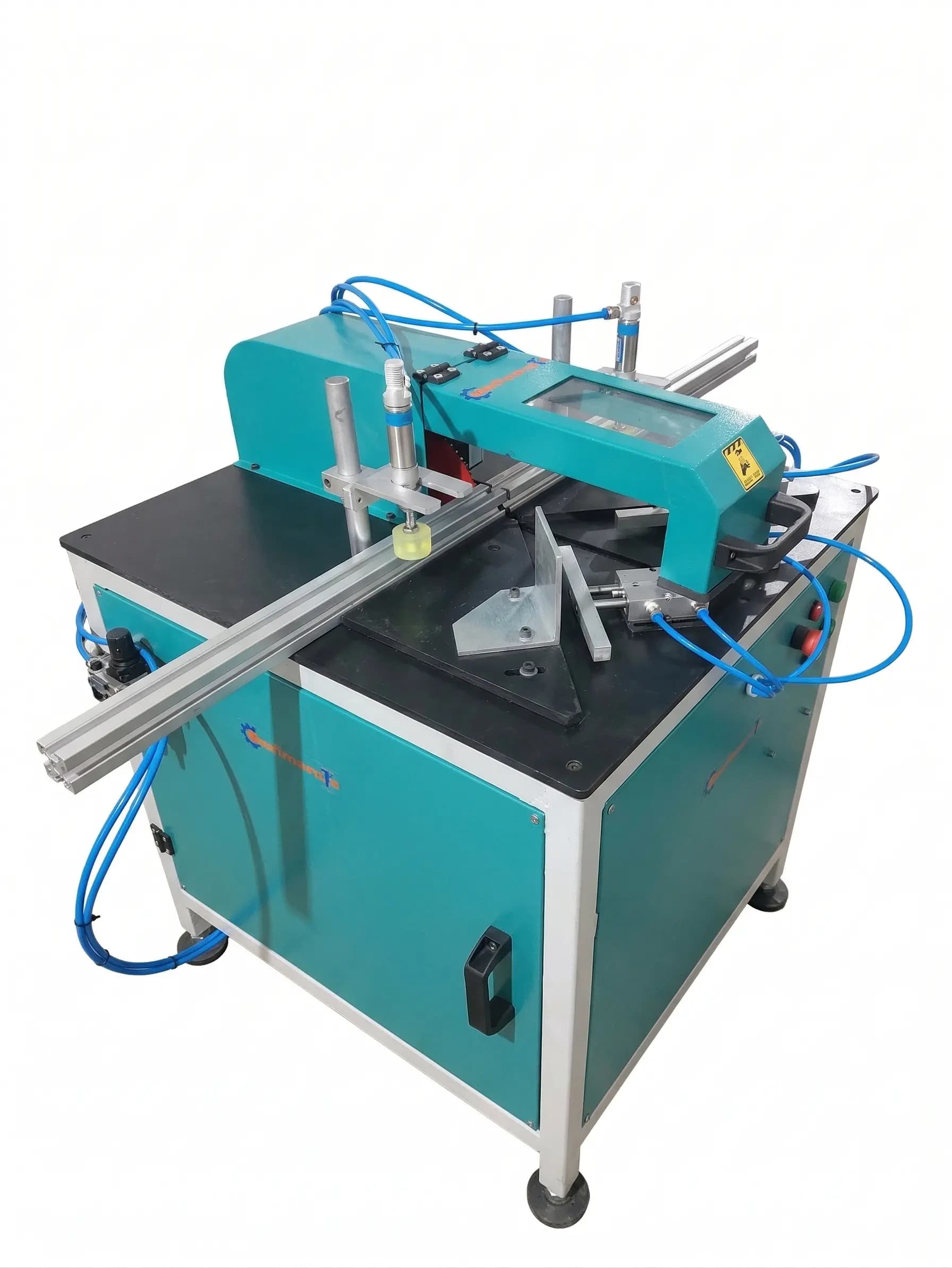
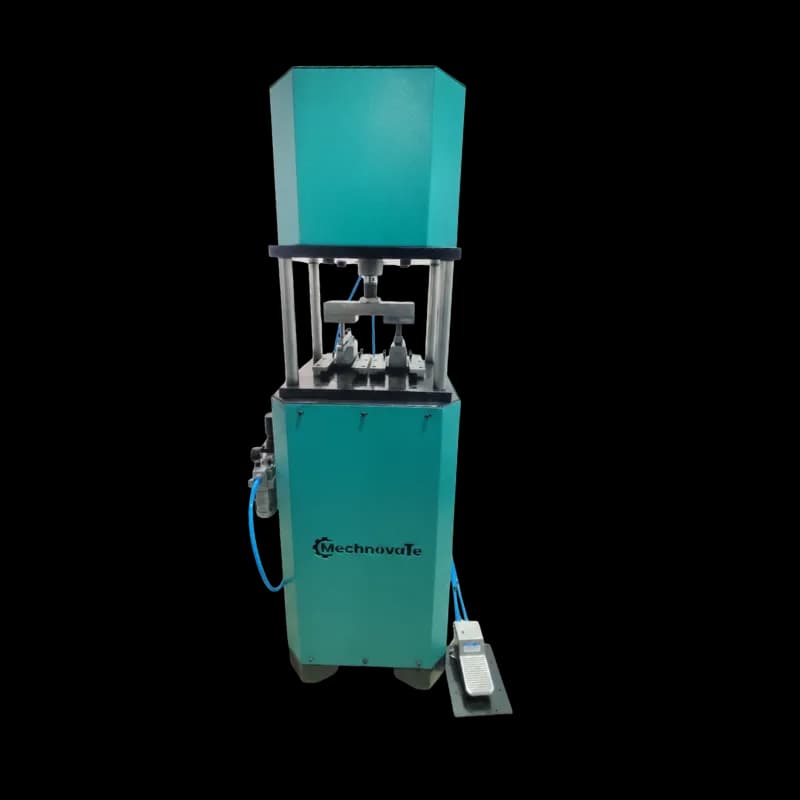
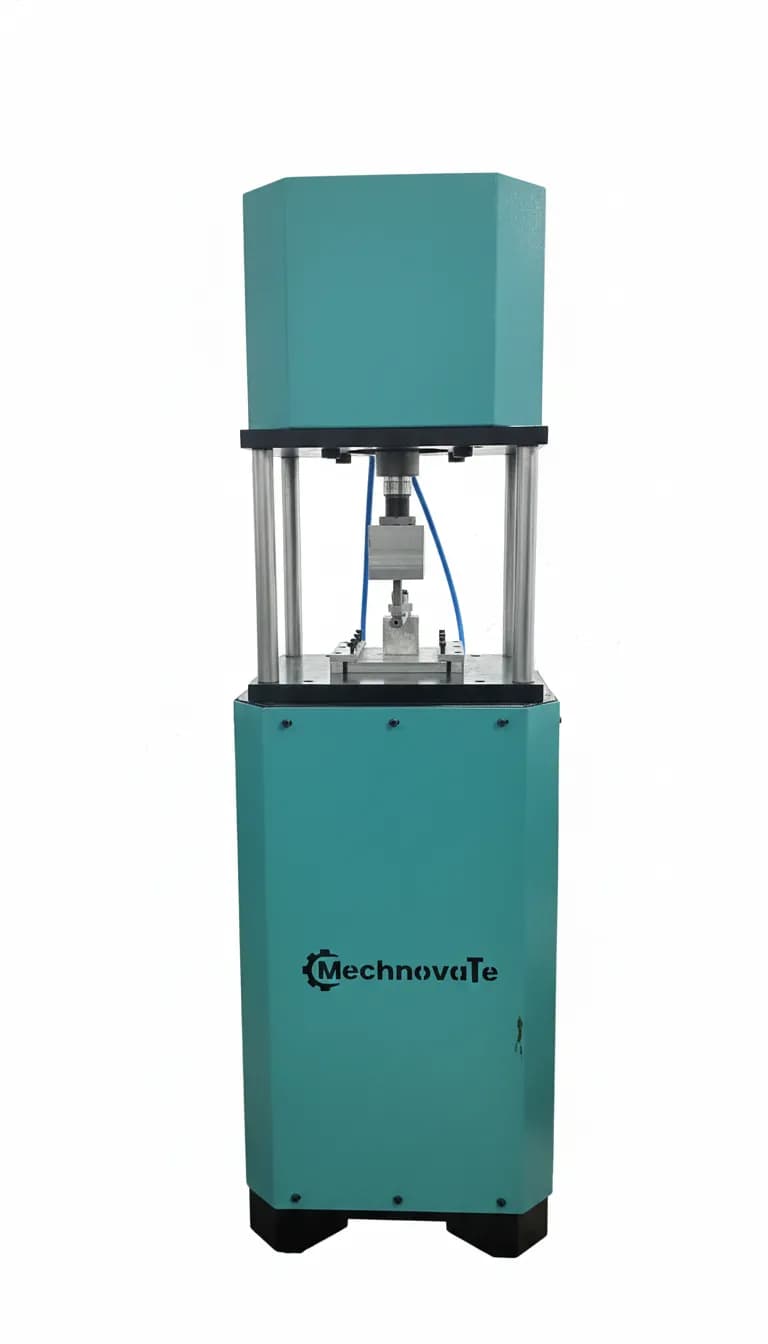
In the competitive real estate market of Thane, particularly for high-rise developments along Ghodbunder Road and Pokhran Road, the window is no longer just a functional aperture; it is a critical performance component. For fabricators, the transition from manual joinery to using a high-precision Aluminium Corner Crimping Machine is the single most important upgrade you can make. A corner crimper uses hydraulic force to cold-press the profile walls into a dedicated internal cleat, creating a joint that is structurally superior and aesthetically seamless compared to screw-fixed or manually punched alternatives.
Luxury developments demand wind-load resistance and airtightness that manual methods simply cannot provide. When dealing with high-performance profiles, the structural integrity of the corner affects everything from the smooth operation of the sash to the long-term weatherproofing against Thane’s heavy monsoon seasons. This guide leverages our 15 years of engineering experience at Mechnovate to help you navigate the technical nuances of selecting the right machinery for high-end aluminium fabrication.
The Engineering Behind the Aluminium Corner Crimping Machine: Specs That Matter
To achieve a joint that meets international standards like BS EN 12020 or ISO 9001, you must look beyond the sticker price. In our testing at Mechnovate, we have found that the stability of the hydraulic system is the primary differentiator. A machine operating at 7-10 bar of air pressure to drive a hydraulic intensifier must provide a consistent crimping force—typically between 30kN to 50kN—to ensure the metal flows correctly around the cleat without fracturing the profile wall.
Key Technical Specifications for High-Output Fabricators:
- Crimping Force: Ensure a minimum of 48kN for heavy-duty architectural sections. This allows for clean deformation of profiles with wall thicknesses exceeding 2.0mm.
- Knife Adjustment Range: A high-speed copy router for aluminium windows often works in tandem with a crimper; however, your crimper needs an adjustable knife range (typically 0-60mm) to accommodate different profile heights and depths.
- Power Requirements: Most industrial units require a 2.2kW or 3.0kW motor. For a stable factory environment in Maharashtra, ensure your electrical load can handle 3-phase 415V to avoid voltage drops that can lead to inconsistent joint pressure.
- Hydraulic Oil: We recommend ISO VG 46 or 68 hydraulic oil. During a 6-week stress test in our facility, we noted that oil viscosity directly impacted the cycle time, especially in the high-humidity environment of the Mumbai-Thane region.
Case Study: Reducing Rejection Rates by 22% in a Thane High-Rise Project
Last year, a major fabricator in Thane approached us. They were struggling with corner gaps on a 40-story residential project. Using a standard manual punching machine, their rejection rate during the QC phase was hovering at 12%. The primary issue was 'corner spring-back,' where the profile would slightly shift after the screw was tightened, leading to air leakage during high-wind simulation tests.
We implemented a workflow centered around an Automatic Double Head Cutting Machine for precision 45-degree cuts, followed by our heavy-duty hydraulic corner crimper.
The Results Over 3 Months:
- Precision: Corner gap tolerances were reduced from 0.8mm to less than 0.05mm.
- Output: Production increased from 25 frames per day to 65 frames per day.
- Waste Reduction: Aluminium profile scrap was reduced by 7% because the machine eliminated the 'human error' factor in manual drilling and alignment.
- Performance: The windows successfully passed a 2400 Pa wind load test, a necessity for skyscrapers in the Thane creek area.
Critical Setup: Achieving the Perfect 0.1mm Tolerance
Setting up your aluminium window corner crimping machine requires more than just plugging it in. To avoid the dreaded 'V-gap' (where the corner is tight at the top but open at the bottom), you must calibrate the synchronization of the crimping knives. In our experience, many fabricators fail to use the counter-block correctly.
Step-by-Step Calibration Process:
- Profile Alignment: Ensure the internal corner cleat is lubricated with a high-viscosity structural adhesive. This not only seals the joint but acts as a lubricant during the crimping process.
- Knife Depth Setting: Set the knives to penetrate the profile wall by exactly 1.2 times the wall thickness. For a 2.0mm profile, a 2.4mm penetration ensures the metal 'bites' into the cleat without causing surface bulges.
- Pressure Sync: Check that both hydraulic cylinders are firing simultaneously. A delay of even 50ms can cause the profile to shift, leading to an uneven joint.
- Hydraulic Stabilization: Before starting a production run, cycle the machine 10 times to warm up the hydraulic fluid to its operating temperature (approx. 40°C).
If you are also working with uPVC, remember that while an Aluminium Punching Machine is essential for drainage and hardware slots, the crimper is strictly for aluminium. For uPVC, you would instead look at a double head seamless welding machine for uPVC windows to achieve similar structural integrity.
Avoiding Common Crimping Mistakes Fabricators Make
One of the most common mistakes we see in workshops across India is the mismatch between the cutting angle and the crimping force. If your 45-degree double head cutting machine is misaligned by even 0.5 degrees, no amount of hydraulic pressure from a crimper will result in a clean joint.
Another frequent error is the use of blunt knives. We recommend sharpening or replacing crimping knives every 10,000 cycles. Using dull knives increases the required pressure, which often results in the profile collapsing inward rather than forming a neat crimp. Always maintain a log of the 'aluminium cutting machine price' vs 'lifetime value'; investing in high-speed steel (HSS) knives pays for itself in reduced profile wastage within the first three months of operation.
The Commercial Reality: ROI and Market Positioning in Thane
When calculating the aluminium window corner crimping machine price, you must factor in the 'hidden' costs of manual labor and site repairs. In Thane's luxury market, a single service call to fix a leaking window in a finished apartment can cost upwards of ₹15,000.
By utilizing automatic aluminium window production line technology, you position your brand as a tier-1 supplier. This is essential if you intend to bid for projects involving CNC aluminium profile cutting machine suppliers or if you are looking to scale into a fully automatic uPVC window manufacturing unit cost model. The precision engineering provided by Mechnovate ensures that your machinery—whether it's an aluminium cutter machine 12 inch for small shops or a CNC uPVC window corner cleaning machine for large plants—remains a profitable asset for 10+ years.
FAQ for Window Manufacturers in Maharashtra
Q1: Can I use the same crimping machine for both thermal-break and non-thermal-break profiles? Yes, but you must adjust the height of the crimping knives. Thermal-break profiles often have a composite strip that cannot be crimped, so the knives must be positioned to only hit the outer aluminium skin.
Q2: What is the maintenance schedule for a hydraulic corner crimper in a dusty environment? You should clean the sliding guides and check the hydraulic oil level weekly. Every six months, perform a full hydraulic fluid flush and replace the air filters on the pneumatic system to prevent valve clogging.
Q3: How does the corner crimper affect the finish of powder-coated or anodized profiles? A well-calibrated machine with clean knives will not mar the finish. We recommend using 'non-marring' counter-blocks or applying a thin protective tape to the profile surface before crimping to ensure the luxury aesthetic is maintained for Thane's high-end clients.
Get more articles like this
Follow Mechnovate on Google to see our guides in Google Discover & News