Precision Aluminium Window Machinery in Ahmedabad | Mechnovate
Precision Engineering for Ahmedabad’s Luxury High-Rise Windows
To meet the architectural demands of Ahmedabad's luxury high-rise projects in areas like GIFT City and Prahlad Nagar, fabricators must transition from manual processes to precision-engineered Double Head Cutting Machine systems. These systems are capable of maintaining tolerances within ±0.1mm, a requirement that is non-negotiable for buildings exceeding 70 meters in height. High-rise installations require superior structural integrity and weather-tightness, which can only be achieved through consistent, high-performance machinery. Selecting the right aluminium window machinery manufacturers in Ahmedabad Gujarat involves more than just price comparisons; it requires an engineering-first approach to production workflow and profile handling. In the harsh monsoon winds of Gujarat, a window that is off by even 0.5mm will lead to air whistling and water seepage at high altitudes.
At Mechnovate, our 15+ years of workshop experience has shown us that the difference between a high-end finish and a failed site inspection lies in the rigidity of the machine bed. For Ahmedabad's high-rises, we recommend machinery that adheres to ISO 9001 quality protocols and can process profiles compliant with BS EN 12020. This guide provides a technical deep-dive into the inventory required to scale a window manufacturing business in the Gujarat market.
Essential Inventory for Aluminum Window Fabrication Machinery
Setting up a high-output facility requires a synchronized line of industrial aluminum door manufacturing equipment. For a medium-to-large scale shop targeting luxury residential projects, the following configuration is the industry standard for precision engineering. The machinery must be able to handle heavy-duty thermal break profiles which are becoming standard in Gujarat's sustainable architecture.
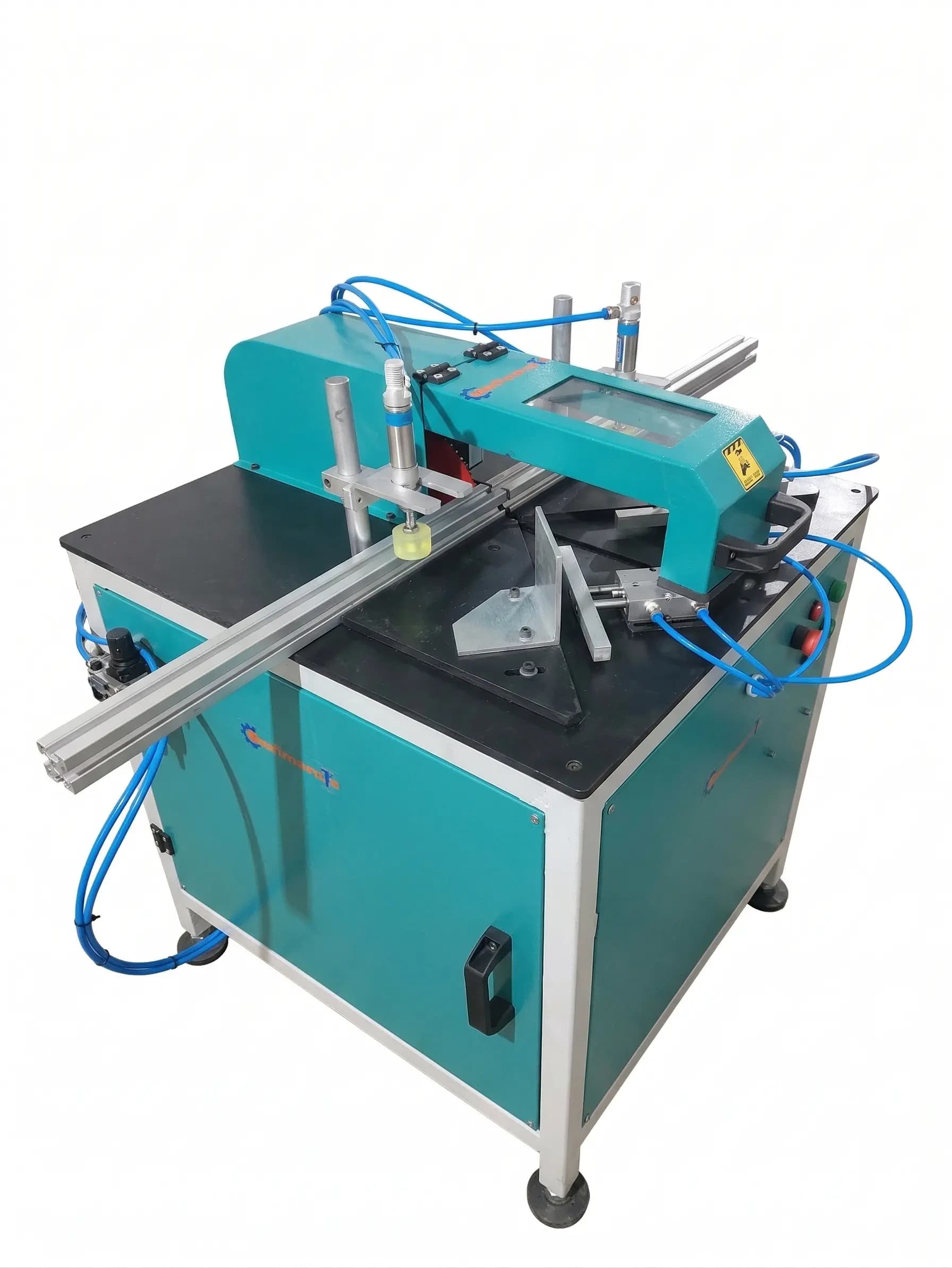
- High-Speed Cutting: An automatic double head cutting saw for aluminium profiles with 500mm TCT (Tungsten Carbide Tipped) blades is essential for 45 and 90-degree mitering. The use of a larger blade diameter reduces deflection during the cut, ensuring the miters close perfectly without light gaps.
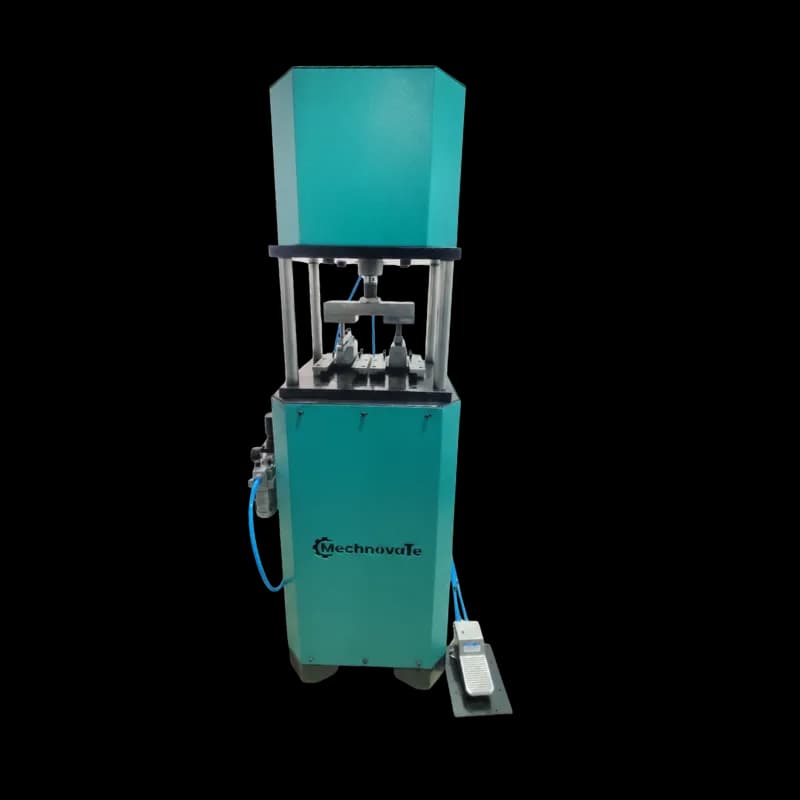
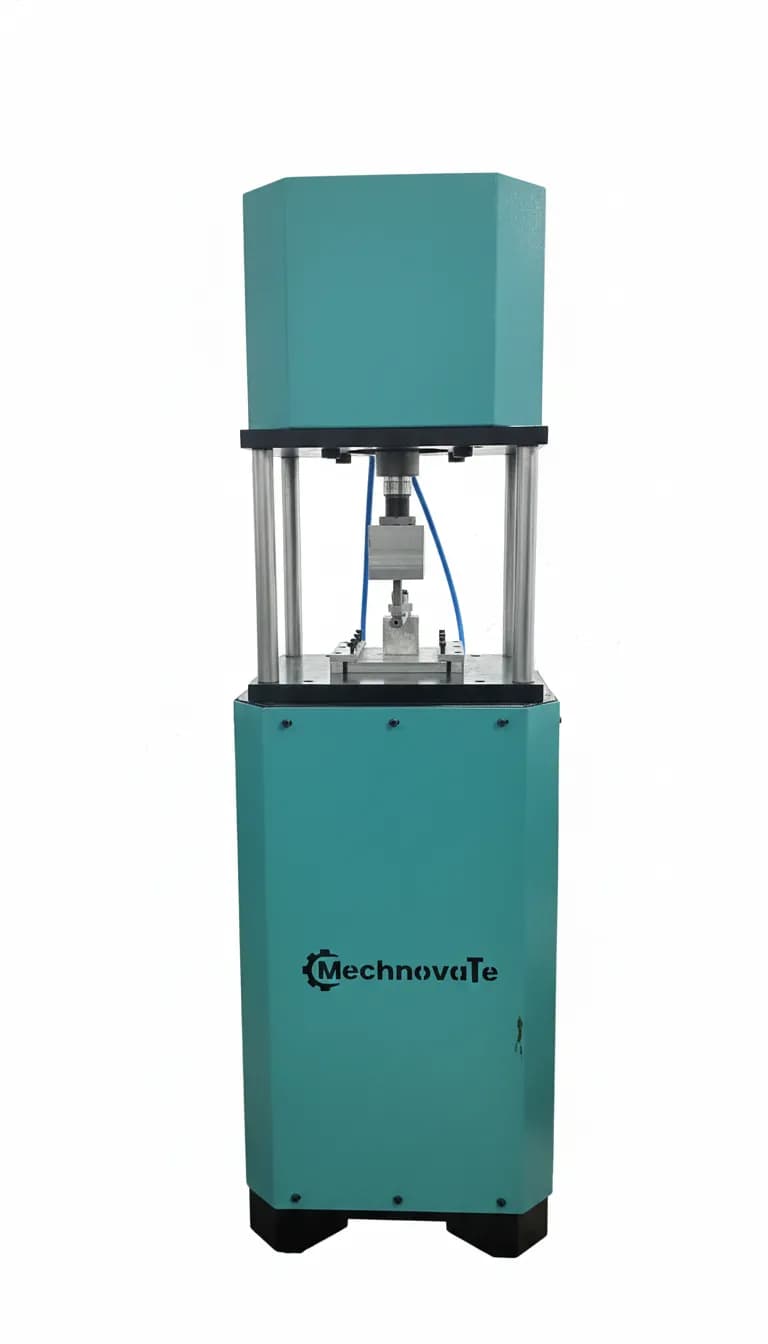
- Corner Assembly: An automatic aluminium corner crimping machine price analysis reveals that the investment pays for itself through the elimination of mechanical fasteners. A hydraulic crimper ensures the joint is cold-welded with up to 20kN of force, providing structural stability that screws simply cannot match.
- Milling and Routing: A Copy Router Machine handles the slotting for locks and drainage. For high-rise windows, drainage slots must be precisely positioned to prevent water backup under high wind pressure (often exceeding 2.5 kPa in Ahmedabad's high-zones).
- End Milling: A heavy duty aluminium profile end milling machine is required for the transom and mullion joints. The cutter stack must be adjustable to accommodate different profile series without requiring a complete teardown of the setup.
Case Study: 40% Efficiency Gains in Ahmedabad Facility
In early 2023, we worked with a fabrication unit near Sanand that was struggling to meet the delivery timeline for a 300-unit luxury apartment complex. Their existing setup relied on a basic aluminium cutting machine 12 inch and manual punching. After conducting a 6-week audit of their production flow, we identified that 18% of their thermal break profiles were being scrapped due to inaccurate miters and surface scratching during the manual punching process.
We implemented a localized production cell featuring a CNC-controlled double head miter saw for aluminium profiles and an automatic aluminium corner crimping machine. We also introduced a strict calibration schedule for their blade feed rate, setting it at 2.5 meters per minute for optimal surface finish on Grade 6063-T6 aluminium.
The Measurable Results:
- Waste Reduction: Reduced cutting waste from 18% to 1.8% by utilizing optimized nesting software integrated with the cutting saw.
- Increased Output: Production jumped from 15 frames per day to 55 frames per day with the same labor count.
- Labor Optimization: The need for manual filing of edges was eliminated because the new TCT blades produced a mirror-finish cut.
- Joint Strength: 100% of tested corners exceeded the required 3500-pascal static pressure test required for the project’s 25th-floor windows.
Technical Specs: Beyond the Aluminium Cutter Machine Price
When evaluating aluminum window machine manufacturers in Ahmedabad, senior engineers must look past the sticker price. The true cost of a machine is its 'total cost of ownership,' including maintenance and yield. Look for these specific engineering benchmarks:
- Spindle Run-out: Ensure the cutting spindle has a run-out of less than 0.02mm. Any more will cause blade 'wobble,' leading to rough cuts and accelerated blade wear.
- Motor Power: For heavy-duty architectural profiles, a minimum of 2.2kW per motor is required. Underpowered motors will slow down during the cut, causing heat buildup and deformation of the aluminium profile.
- Feed System: A hydro-pneumatic feed system is superior to a pure pneumatic feed. The oil-over-air design provides a smooth, constant stroke that prevents the blade from 'snagging' when it exits the material.
- Table Rigidity: The machine bed should be cast iron or heavy-gauge welded steel that has been stress-relieved. In the hot climate of Ahmedabad, where shop floors can exceed 45°C, thermal expansion of the machine bed can ruin your calibration if the frame is too light.
Common Pitfalls in Selection of uPVC Window Making Machine
Many fabricators in Gujarat are diversifying into uPVC to capture the mass-housing market. However, the engineering requirements for a upvc windows making machine are entirely different from aluminium. A common mistake we see is fabricators trying to use aluminium cutters for uPVC without adjusting the RPM.
- The 'Melt' Factor: uPVC requires a lower blade speed to prevent the material from melting and sticking to the blade teeth. If your aluminium cutting machine doesn't have a variable frequency drive (VFD), you risk poor cut quality on uPVC.
- Weld Precision: For uPVC, the double head seamless welding machine for uPVC windows is the gold standard. It removes the need for a separate corner cleaner by compressing the weld bead into the profile chamber during the heating cycle.
- Reinforcement Preparation: Remember that uPVC windows require steel reinforcement. You must ensure your workshop has a dedicated cutting station for steel that is physically separated from your uPVC welding area to prevent metal filings from contaminating the welds.
Why Source from Ahmedabad-Based Manufacturers?
Choosing aluminum machinery manufacturers in Ahmedabad provides a strategic advantage for Gujarat-based businesses. The proximity allows for rapid response times for technical support and spare parts. In the fenestration industry, a machine being down for three days during a project deadline can result in massive liquidated damages.
Furthermore, Ahmedabad's engineering cluster has evolved. The latest CNC uPVC window corner cleaning machine price points in India are now highly competitive with imported Turkish or Italian machinery, but with the added benefit of local 415V 3-phase electrical compatibility. This eliminates the need for expensive voltage transformers and ensures your motors run at their designed efficiency.
FAQ: Engineering Insights for Ahmedabad Fabricators
Q1: What is the optimal blade type for cutting 3mm wall-thickness aluminium? We recommend 120-tooth TCT blades with a negative rake angle. This configuration prevents the blade from 'grabbing' the profile, which is critical for the safety of the operator and the precision of the cut.
Q2: How do I calculate the ROI on an automatic aluminium window production line price? Most fabricators see a return on investment within 14-18 months. You must factor in the 15% reduction in material waste and the 60% reduction in assembly time. Additionally, the ability to bid on high-rise projects with strict QA/QC requirements opens higher-margin revenue streams.
Q3: Is a single cutting machine enough for a startup? A single head cutting machine is sufficient for small residential jobs, but for high-rise work, a 45 degree double head cutting machine is required to ensure that both ends of the profile are cut in the same plane, preventing 'twisting' of the frame during assembly.
Q4: What maintenance is required for a corner crimping machine? Daily lubrication of the hydraulic rams and weekly inspection of the knives are mandatory. If the knives become dull, they will 'crush' rather than 'pierce' the profile, resulting in a weak joint that may fail under wind load.
Get more articles like this
Follow Mechnovate on Google to see our guides in Google Discover & News