sales@mechnovate.co.in
+91-9265699061
Back to Blog
7/6/2026

Overcoming Weld Distortion in Kanpur’s Summers: uPVC Welding Guide

Overcoming Weld Distortion in Kanpur’s Summers: uPVC Welding Guide

The Impact of High Ambient Temperatures on uPVC Welding in Kanpur

Fabricating uPVC windows in Kanpur during the peak summer months, where ambient temperatures regularly cross 45°C, presents a unique set of engineering challenges. As a senior engineer at Mechnovate with 15 years in the workshop, I have observed that high ambient heat significantly alters the thermal expansion coefficient of profiles before they even touch the heating plate. If you are using a standard uPVC Welding Machine, the residual heat in the profile often leads to 'over-melting,' resulting in messy corner joints and structural weaknesses.

The primary issue in Kanpur's climate is not just the heat, but the variation in material behavior. Standard uPVC profiles absorb heat, making them more pliable. When these profiles enter a traditional welder, the standard heating cycle of 25-30 seconds at 250°C becomes excessive. This results in significant 'flash' or weld beads that require heavy corner cleaning, often weakening the structural integrity of the frame. To combat this, precision engineering is required to balance melt times and pressure settings dynamically.

Why the Double Head Seamless Welding Machine is Non-Negotiable

In our testing at various facilities across Uttar Pradesh, we found that the only way to maintain aesthetic and structural consistency during summer is through a Double Head Seamless Welding Machine. Unlike traditional welders that leave a 2mm to 3mm bead, seamless technology utilizes a specialized 'knifing' system that restricts the melt spread. This creates a finish where the joint is virtually invisible, or 'seamless,' with a bead height of less than 0.2mm.

  1. PLC Controlled Temperature Compensation: Modern machines allow us to adjust the heating time in 0.5-second increments to account for high ambient temperatures.
  2. Precision Pressure Regulation: By maintaining a consistent 0.4 to 0.6 MPa (4-6 bar) pressure, the machine ensures that the profile walls fuse without collapsing under their own softened weight.
  3. Elimination of Secondary Processing: Because the weld is seamless, you eliminate the need for a CNC corner cleaner, which is where many summer-softened profiles suffer from chipping or cracking.

As a leading uPVC machinery manufacturer, we recommend units that feature heavy-duty linear guide rails and a reinforced base frame to handle the thermal expansion of the machine's own components during a Kanpur heatwave.

Case Study: Optimizing a Fabrication Unit in Panki, Kanpur

In May 2023, we consulted for a medium-scale window manufacturer in Panki Industrial Area who was struggling with a 15% rejection rate due to weld distortion. Their existing setup relied on manual cleaning and older upvc windows making machine configurations. We implemented a 6-week optimization protocol using our Double Head Seamless Welding Machine.

The Process Documentation:

  • Week 1-2: We monitored ambient workshop temperatures, which peaked at 47°C. We adjusted the heating plate temperature from the standard 260°C down to 248°C to prevent profile burning.
  • Week 3-4: We recalibrated the profile allowance. While the industry standard is 3mm, the expansion in Kanpur required a reduction to 2.7mm to ensure the final frame dimensions remained within the ±0.5mm tolerance required by ISO 9001 standards.
  • Week 5-6: We trained staff on the importance of profile 'resting' times—allowing profiles to reach workshop temperature before cutting with an Automatic Double Head Cutting Machine to prevent shrinkage after welding.

The Results:

  • Output Increase: Production jumped from 80 frames to 125 frames per day due to the elimination of the manual cleaning stage.
  • Waste Reduction: Cutting and welding waste dropped from 12% to less than 3%.
  • Quality: The joints passed the corner strength test (BS EN 514) with a 20% higher load-bearing capacity compared to their previous manual welds.

Technical Parameters: Calibrating for 45°C+ Environments

When setting up your upvc window manufacturing machinery, you must look beyond the default factory settings. Below is the technical matrix we suggest for Kanpur's summer conditions when using 60mm or 70mm multi-chamber profiles:

ParameterStandard SettingKanpur Summer Setting (Optimized)
Heating Temperature260°C245°C - 250°C
Heating Time28 Seconds22 - 24 Seconds
Joining Time30 Seconds35 Seconds (Extended cooling)
Air Pressure0.5 MPa0.45 MPa (Softer profiles)
Profile Allowance3.0 mm2.6 mm - 2.8 mm

Implementing these changes ensures that the upvc welding machine does not overwhelm the material. Furthermore, ensure your upvc cutting machine is fitted with high-quality TCT blades to ensure the cleanest possible edge, as any burrs will be magnified during the seamless welding process.

Avoiding Common Pitfalls in Summer uPVC Fabrication

Based on my 15 years in the field, here are the most common mistakes I see fabricators in Northern India make during the summer heat. First, many overlook the importance of voltage stabilization. In Kanpur, power fluctuations are common. A drop in voltage can lead to uneven heating across the two heads of a Double head seamless welding machine for uPVC windows, resulting in one corner being weak while the other is over-melted.

Second, ignoring the cooling time is a recipe for disaster. While you may want to increase throughput, removing the frame from the welder too early (before the joint has stabilized below 60°C) will cause the corner to sag. This is particularly problematic with larger upvc windows manufacturers machine setups where the sheer weight of the frame puts stress on the fresh weld.

Third, ensure your air filters and water separators are maintained daily. High humidity combined with heat leads to condensation in pneumatic lines. If moisture enters the cylinders of your aluminum cutting machine or welder, it causes 'stuttering' in the feed rate, leading to irregular weld pressure.

FAQ: Seamless Welding and Summer Production

Q1: Does a seamless welder require a corner cleaner? No, the primary advantage of a seamless welder is that it creates a finished joint with a 0.2mm groove, eliminating the need for separate corner cleaning. This significantly reduces the automatic upvc window plant cost India by removing one machine from the production line.

Q2: Can I weld both uPVC and Aluminium on this machine? No. While both involve precision engineering, uPVC is welded via heat fusion, whereas aluminium requires mechanical joining or crimping using an aluminium punching machine or a corner crimper. For aluminium, you would look at an aluminium profile cutting machine rather than a welder.

Q3: What is the best way to maintain the heating plates in summer? Clean the Teflon cloth every 4 hours using a soft wooden spatula. In high heat, the uPVC residue bakes onto the cloth faster. If you see smoke during the heating cycle, your Teflon is contaminated and will result in a weak, brittle weld.

Q4: How does the cost of setting up a uPVC unit in Kanpur compare to other regions? The cost of setting up uPVC window manufacturing unit in India is relatively stable, but in regions like Kanpur or Lucknow, you must invest more in climate control for your profile storage and high-quality voltage regulators to protect your upvc machinery.

Overcoming Weld Distortion in Kanpur’s Summers: uPVC Welding Guide

The Impact of High Ambient Temperatures on uPVC Welding in Kanpur Fabricating uPVC windows in Kanpur during the peak summer months, where ambient temperatures regularly cross 45°C, presents a unique set of engineering challenges. As a senior engineer at Mechnovate with 15 years in the workshop, I have observed that high ambient heat significantly alters the thermal expansion coefficient of profiles before they even touch the heating plate. If you are using a standard uPVC Welding Machine, the residual heat in the profile often leads to 'over-melting,' resulting in messy corner joints and structural weaknesses. The primary issue in Kanpur's climate is not just the heat, but the variation in material behavior. Standard uPVC profiles absorb heat, making them more pliable. When these profiles enter a traditional welder, the standard heating cycle of 25-30 seconds at 250°C becomes excessive. This results in significant 'flash' or weld beads that require heavy corner cleaning, often weakening the structural integrity of the frame. To combat this, precision engineering is required to balance melt times and pressure settings dynamically. Why the Double Head Seamless Welding Machine is Non-Negotiable In our testing at various facilities across Uttar Pradesh, we found that the only way to maintain aesthetic and structural consistency during summer is through a Double Head Seamless Welding Machine. Unlike traditional welders that leave a 2mm to 3mm bead, seamless technology utilizes a specialized 'knifing' system that restricts the melt spread. This creates a finish where the joint is virtually invisible, or 'seamless,' with a bead height of less than 0.2mm. PLC Controlled Temperature Compensation: Modern machines allow us to adjust the heating time in 0.5-second increments to account for high ambient temperatures. Precision Pressure Regulation: By maintaining a consistent 0.4 to 0.6 MPa (4-6 bar) pressure, the machine ensures that the profile walls fuse without collapsing under their own softened weight. Elimination of Secondary Processing: Because the weld is seamless, you eliminate the need for a CNC corner cleaner, which is where many summer-softened profiles suffer from chipping or cracking. As a leading uPVC machinery manufacturer, we recommend units that feature heavy-duty linear guide rails and a reinforced base frame to handle the thermal expansion of the machine's own components during a Kanpur heatwave. Case Study: Optimizing a Fabrication Unit in Panki, Kanpur In May 2023, we consulted for a medium-scale window manufacturer in Panki Industrial Area who was struggling with a 15% rejection rate due to weld distortion. Their existing setup relied on manual cleaning and older upvc windows making machine configurations. We implemented a 6-week optimization protocol using our Double Head Seamless Welding Machine. The Process Documentation: Week 1-2: We monitored ambient workshop temperatures, which peaked at 47°C. We adjusted the heating plate temperature from the standard 260°C down to 248°C to prevent profile burning. Week 3-4: We recalibrated the profile allowance. While the industry standard is 3mm, the expansion in Kanpur required a reduction to 2.7mm to ensure the final frame dimensions remained within the ±0.5mm tolerance required by ISO 9001 standards. Week 5-6: We trained staff on the importance of profile 'resting' times—allowing profiles to reach workshop temperature before cutting with an Automatic Double Head Cutting Machine to prevent shrinkage after welding. The Results: Output Increase: Production jumped from 80 frames to 125 frames per day due to the elimination of the manual cleaning stage. Waste Reduction: Cutting and welding waste dropped from 12% to less than 3%. Quality: The joints passed the corner strength test (BS EN 514) with a 20% higher load-bearing capacity compared to their previous manual welds. Technical Parameters: Calibrating for 45°C+ Environments When setting up your upvc window manufacturing machinery, you must look beyond the default factory settings. Below is the technical matrix we suggest for Kanpur's summer conditions when using 60mm or 70mm multi-chamber profiles: | Parameter | Standard Setting | Kanpur Summer Setting (Optimized) | | : | : | : | | Heating Temperature | 260°C | 245°C - 250°C | | Heating Time | 28 Seconds | 22 - 24 Seconds | | Joining Time | 30 Seconds | 35 Seconds (Extended cooling) | | Air Pressure | 0.5 MPa | 0.45 MPa (Softer profiles) | | Profile Allowance | 3.0 mm | 2.6 mm - 2.8 mm | Implementing these changes ensures that the upvc welding machine does not overwhelm the material. Furthermore, ensure your upvc cutting machine is fitted with high-quality TCT blades to ensure the cleanest possible edge, as any burrs will be magnified during the seamless welding process. Avoiding Common Pitfalls in Summer uPVC Fabrication Based on my 15 years in the field, here are the most common mistakes I see fabricators in Northern India make during the summer heat. First, many overlook the importance of voltage stabilization. In Kanpur, power fluctuations are common. A drop in voltage can lead to uneven heating across the two heads of a Double head seamless welding machine for uPVC windows, resulting in one corner being weak while the other is over-melted. Second, ignoring the cooling time is a recipe for disaster. While you may want to increase throughput, removing the frame from the welder too early (before the joint has stabilized below 60°C) will cause the corner to sag. This is particularly problematic with larger upvc windows manufacturers machine setups where the sheer weight of the frame puts stress on the fresh weld. Third, ensure your air filters and water separators are maintained daily. High humidity combined with heat leads to condensation in pneumatic lines. If moisture enters the cylinders of your aluminum cutting machine or welder, it causes 'stuttering' in the feed rate, leading to irregular weld pressure. FAQ: Seamless Welding and Summer Production Q1: Does a seamless welder require a corner cleaner? No, the primary advantage of a seamless welder is that it creates a finished joint with a 0.2mm groove, eliminating the need for separate corner cleaning. This significantly reduces the automatic upvc window plant cost India by removing one machine from the production line. Q2: Can I weld both uPVC and Aluminium on this machine? No. While both involve precision engineering, uPVC is welded via heat fusion, whereas aluminium requires mechanical joining or crimping using an aluminium punching machine or a corner crimper. For aluminium, you would look at an aluminium profile cutting machine rather than a welder. Q3: What is the best way to maintain the heating plates in summer? Clean the Teflon cloth every 4 hours using a soft wooden spatula. In high heat, the uPVC residue bakes onto the cloth faster. If you see smoke during the heating cycle, your Teflon is contaminated and will result in a weak, brittle weld. Q4: How does the cost of setting up a uPVC unit in Kanpur compare to other regions? The cost of setting up uPVC window manufacturing unit in India is relatively stable, but in regions like Kanpur or Lucknow, you must invest more in climate control for your profile storage and high-quality voltage regulators to protect your upvc machinery.

Related Machines From Mechnovate

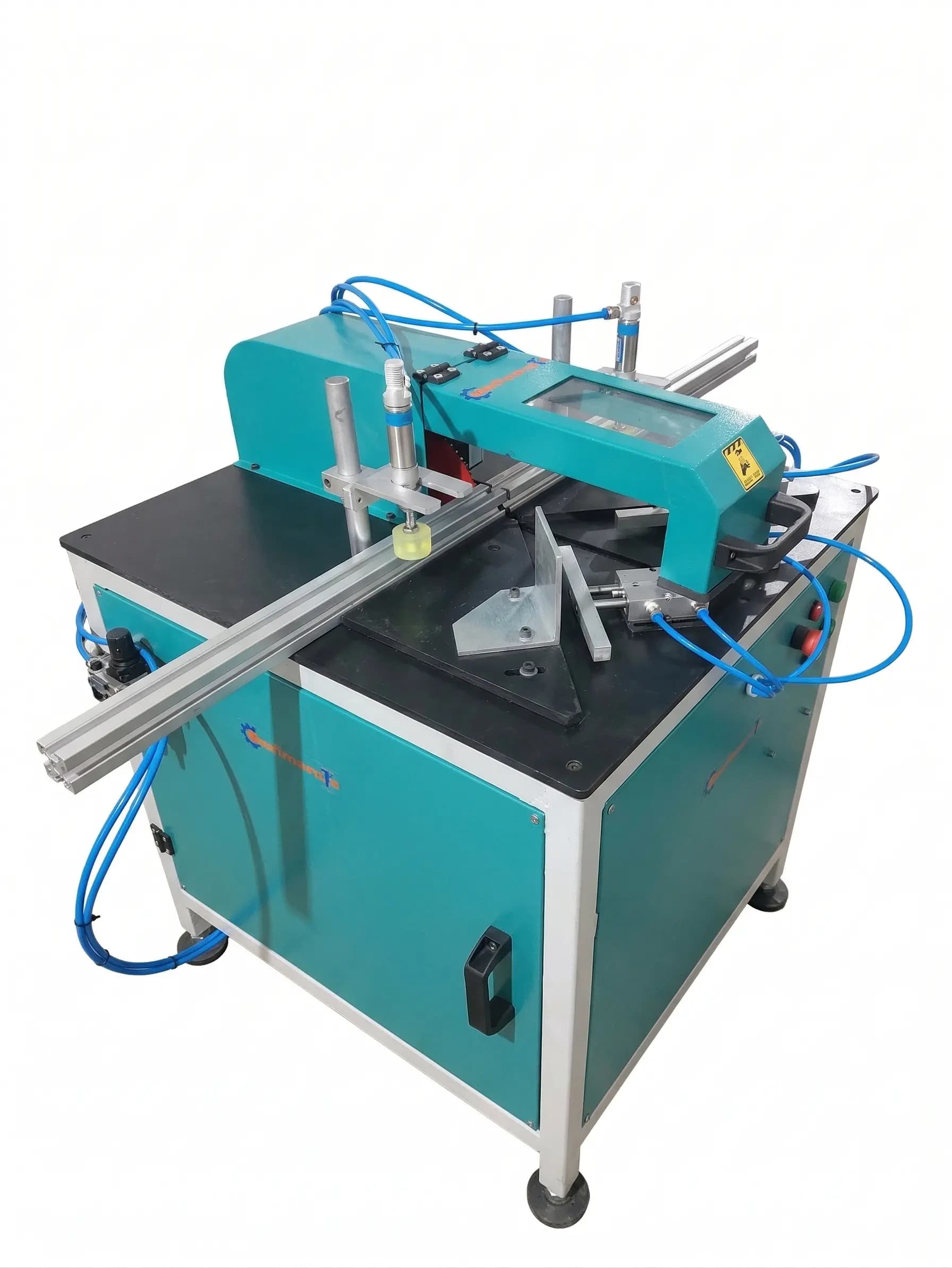
Single Head Cutting Machine for Aluminium and UPVC

Model: MEPCCSH1 | Cutting

Dual-angle versatility with rapid adjustment for Aluminium/uPVC.

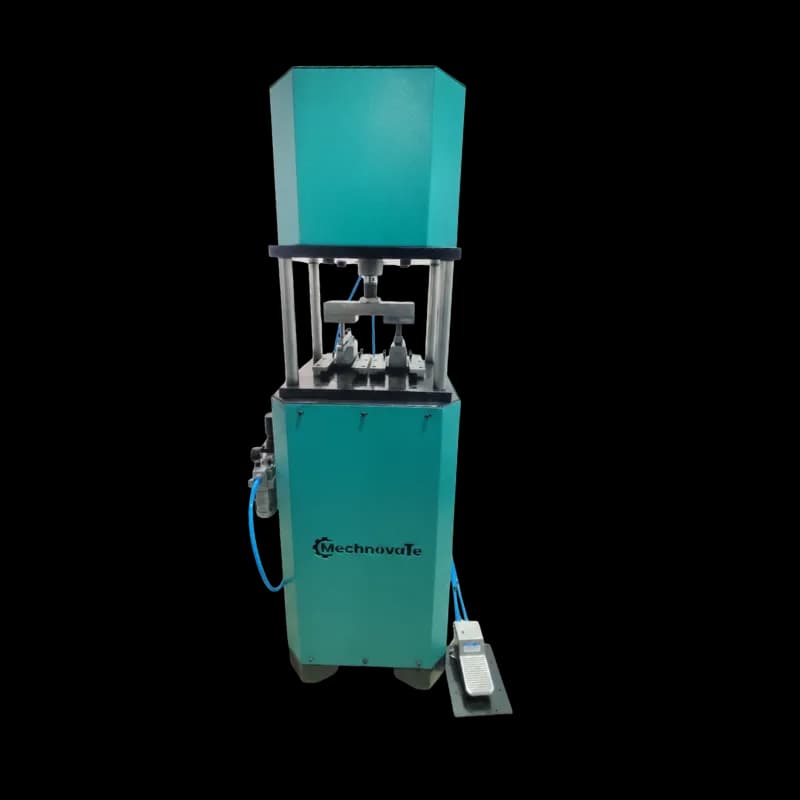
2 Station Pneumatic Aluminium Punching Machine

Model: MEPPPST2 | Punching

Multi-tool setup with adjustable cutting depth.

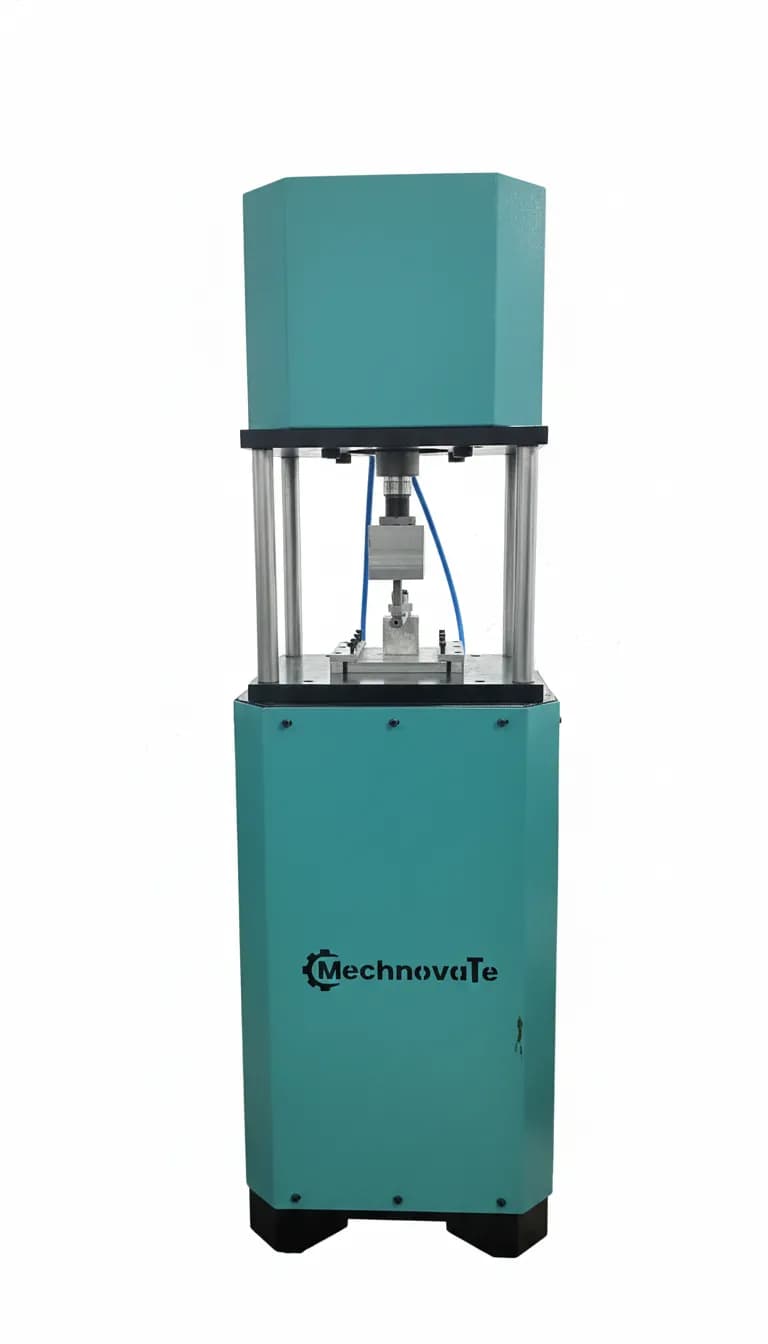
1 Station Pneumatic Aluminium Punching Machine

Model: MEPPPST1 | Punching

Precision alignment with Easy Guiding System for Aluminium.

Pneumatic Copy Router Machine for Aluminium and UPVC

Model: MEPCR Series | Router

High-speed routing with secure pneumatic clamping.

Explore Mechnovate Machinery

Browse our complete range of aluminium and uPVC window fabrication machinery. Call +91-9265699061 or visit our products page for specifications and pricing.