Optimizing Multi-Point Locking Systems in Lucknow Workshops
Improving Throughput with Precision Aluminium Profile Punching
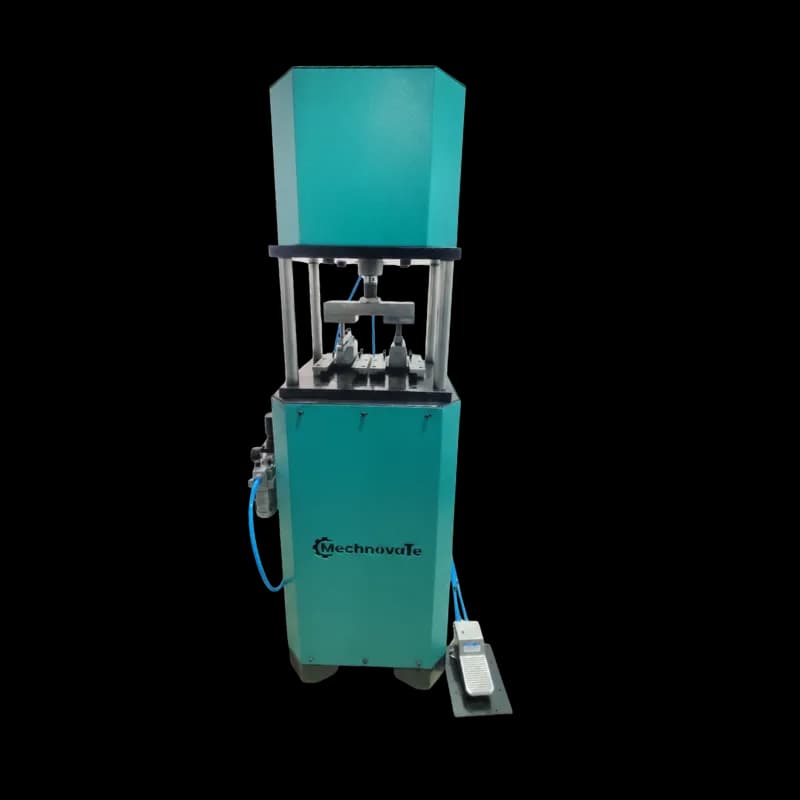
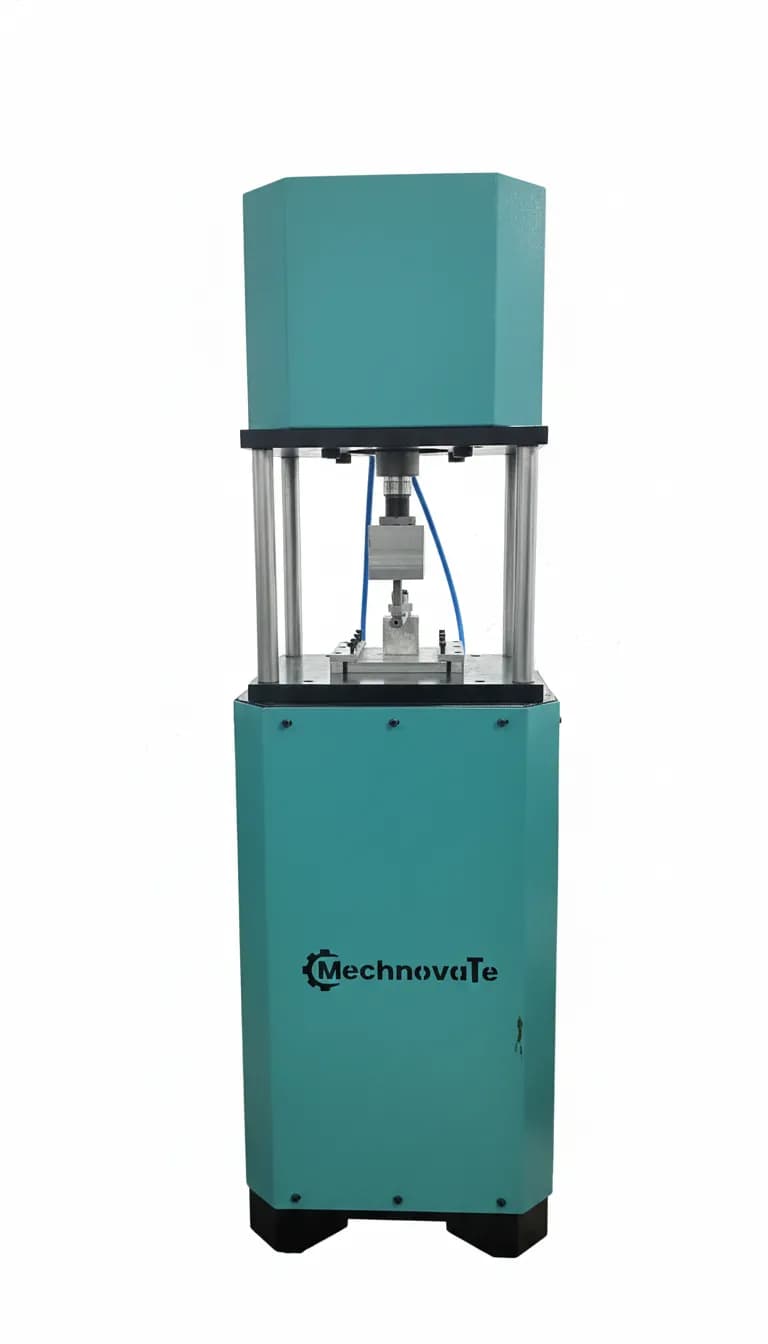
In Lucknow’s rapidly growing real estate sector, particularly across high-rise developments in Gomti Nagar Extension and Shaheed Path, the demand for high-security multi-point locking systems has surged. Fabricators often struggle with the bottleneck of manually milling lock slots, which typically takes a skilled technician 12 to 15 minutes per frame. By integrating a dedicated Aluminium Profile Punching Machine, this process is reduced to just 45 seconds with 0.2mm repeatability. This shift not only eliminates human error but ensures that every multi-point lock engages perfectly with the strikers, a critical factor for weather sealing and sound insulation.
Technical Case Study: Lucknow Workshop Efficiency Audit
Last year, we assisted a mid-sized fabricator in Lucknow who was struggling with a 12% rejection rate on premium sliding doors due to misaligned lock cylinders. We replaced their manual drilling setup with a high-speed Copy Router Machine and a custom-die punching unit. Over a 6-week testing period, the results were definitive. The workshop increased its daily output from 15 frames to 55 frames per shift. More importantly, the waste from ruined profiles dropped from 8% to less than 1.5%.
Our engineering team found that maintaining a constant pneumatic pressure of 6.5 to 8 bar was the deciding factor in punch longevity. We monitored the cutting edges of the D2 steel dies and found that with proper lubrication, they could withstand 45,000 cycles before requiring sharpening. For Lucknow fabricators dealing with high ambient temperatures, using an ISO 68 grade hydraulic oil is essential to maintain seal integrity within the pneumatic cylinders.
Engineering Standards for Multi-Point Hardware
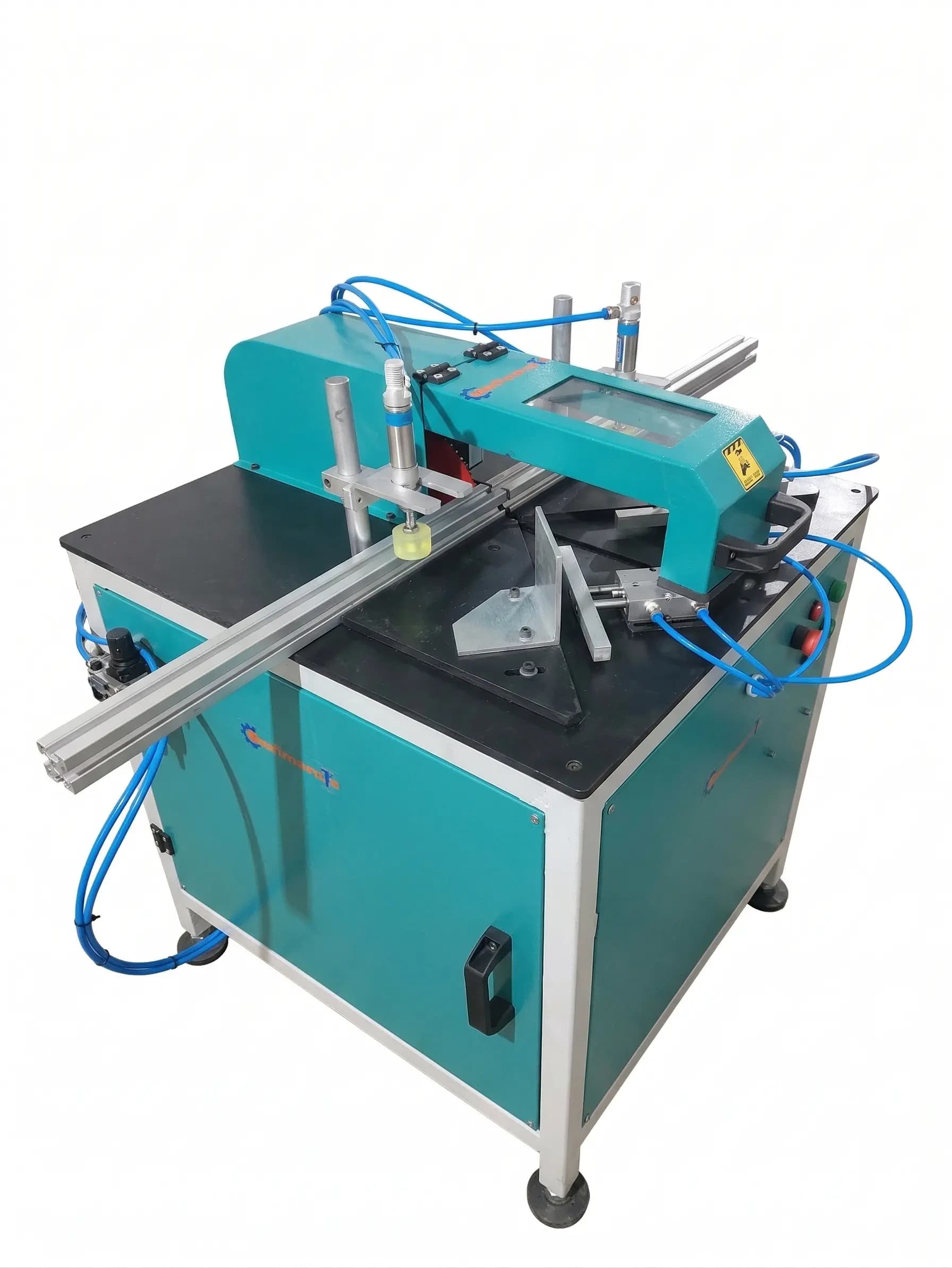
Precision in window machinery is not just about speed; it is about adhering to international tolerances like BS EN 12020 and IS 1285. Multi-point locks require deep, clean-cut slots that do not deform the inner webbing of the aluminium profile. When using an Automatic Double Head Cutting Machine, the initial 45-degree or 90-degree cuts must be absolute. Any deviation in the frame squareness will cause the multi-point lock to bind, leading to service calls and brand damage.
Key Benefits of Machine-Assisted Slotting:
- Uniformity: Every handle hole and espagnolette slot is identical, allowing for rapid hardware assembly.
- Surface Integrity: Unlike manual milling which can cause heat-related burrs and finish chipping, a sharp punching die leaves a clean edge that requires zero deburring.
- Labor Optimization: Unskilled operators can produce expert-level results, freeing your master fabricators for complex site installations.
- Tool Life: Dedicated punching dies last significantly longer than high-speed steel (HSS) router bits when processing 6063-T6 aluminium alloys.
Common Pitfalls in Aluminium Profile Processing
A common mistake I see in many North Indian workshops is the attempt to use the same punch die for different profile series. Even a 1mm difference in the euro-groove position can lead to the punch shearing the profile wall rather than cutting it. Always ensure your dies are matched specifically to your profile catalog. Furthermore, ignoring the pneumatic moisture trap is a fatal error in Lucknow’s monsoon season. Water ingress in the valves will lead to sluggish punch retraction and jagged edges.
For those looking at the upvc machine price list or considering an aluminium cutting machine price, the ROI should be calculated based on 'cost per finished aperture' rather than the initial capital outlay. A cheaper, underpowered machine will eventually cost more in wasted extrusions and labor hours.
Comparison: Manual Milling vs. Pneumatic Punching
| Feature | Manual Milling | Pneumatic Punching Machine |
|---|---|---|
| Cycle Time | 10-15 Minutes | 30-60 Seconds |
| Accuracy | +/- 1.5mm | +/- 0.15mm |
| Operator Fatigue | High (Manual Handling) | Low (Pedal Operated) |
| Skill Requirement | High | Minimal |
| Edge Finish | Requires Deburring | Clean / Factory Finish |
FAQ: Essential Questions for Lucknow Fabricators
Q: Can one aluminium punching machine handle both UPVC and aluminium profiles? No. While some upvc window manufacturing machinery can handle light aluminium, the sheer force required for 2.0mm aluminium wall thickness typically requires a dedicated pneumatic or hydraulic punch. Using the wrong machine will damage the sensitive welding surfaces required for UPVC.
Q: What is the maintenance schedule for a multi-point lock punching die? We recommend a visual inspection every 500 hits and a deep clean with a light lubricant every 2,000 hits. The D2 or HCHCR steel dies used in Mechnovate machines should be professionally sharpened every 40,000 to 50,000 cycles depending on the alloy hardness.
Q: Is it worth investing in a CNC aluminium profile cutting machine for a small shop? If you are processing more than 20 windows a day, a CNC system or an automatic double head cutting saw for aluminium profiles is highly recommended. The precision in the initial cut reduces the cumulative error that often makes multi-point locks difficult to engage during the final assembly stage.
Get more articles like this
Follow Mechnovate on Google to see our guides in Google Discover & News