Optimizing Lucknow Workshops: Aluminium Punching Machine Guide
Hardware preparation accounts for approximately 40% of the labor overhead in aluminium fabrication, yet it remains the most neglected part of the production line in many Uttar Pradesh workshops. By replacing manual drilling with a high-precision Aluminium Punching Machine, fabricators in industrial hubs like Talkatora and Amausi can reduce per-profile prep time from 180 seconds to less than 10 seconds. This guide provides the technical framework for selecting industrial-grade punching equipment and optimizing your shop floor for maximum throughput.
The Mechnovate Case Study: Solving the Lucknow Bottleneck
In our Mechnovate consulting practice, we recently overhauled a mid-sized window manufacturing unit in Lucknow that was struggling with inconsistent lead times. The workshop was using manual templates and handheld drills for lock holes and water drainage slots in sliding window series. This resulted in a high rate of profile deformation and a scrap rate of 8% due to misaligned hardware mounting points.
Over a 6-week testing phase, we implemented a modular pneumatic punching system and monitored three different configurations. Our primary goal was to measure the impact of localized hardware prep vs. centralized punching. We discovered that a centralized station using multi-head dies reduced movement waste by 14% across the floor.
The results were measurable and immediate:
- Waste Reduction: Cutting and prep waste dropped from 12% to 2.8% within the first month.
- Output Velocity: The facility increased its daily output from 35 frames to 58 frames without adding a single extra staff member.
- Consistency: The rejection rate from the assembly team dropped to near zero because the Copy Router Machine and punching press provided 0.1mm repeatable accuracy.
For any aluminium profile punching machine suppliers in Uttar Pradesh, the ability to provide consistent die-set alignment is the differentiator between a tool and a liability.
Technical Specifications: The Engineering of a Perfect Punch
When sourcing an aluminium cutting machine or punching press, fabricators often focus on the price while ignoring the engineering tolerances that dictate long-term ROI. To handle high-tensile architectural alloys like 6063-T5, your machinery must meet specific industrial benchmarks.
1. Pressure and Force Calibration
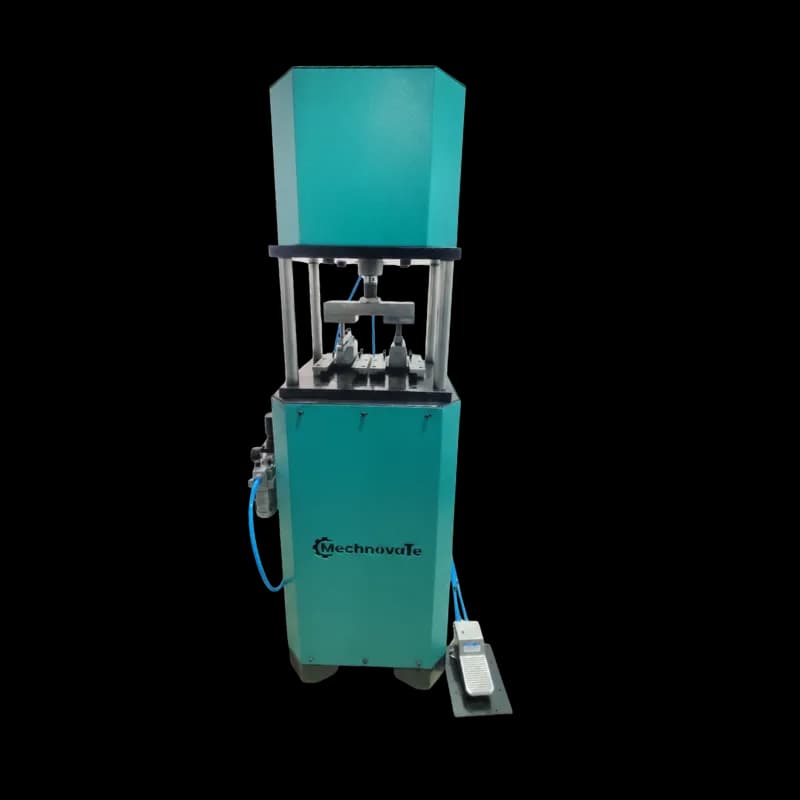
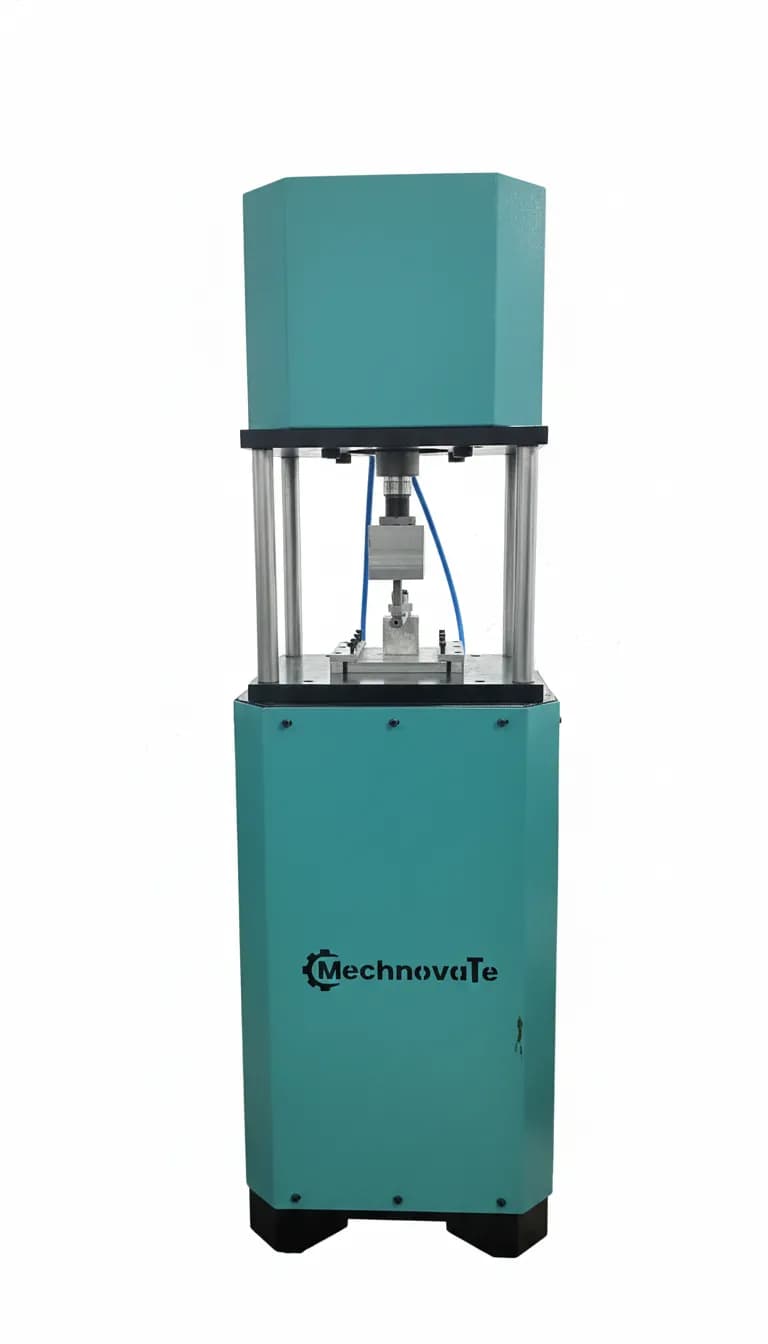
A standard 2.0mm thickness aluminium profile requires a punching force between 50kN and 80kN. We recommend a pneumatic system operating at a consistent 6-8 bar. If your workshop experiences pressure drops, the punch will not clear the 'slug' cleanly, leading to burrs that damage the powder coating. Always check that your automatic double head cutting machine price India includes a dedicated air reservoir to stabilize the system.
2. Die Hardness and Material Standards
Inferior dies are the primary cause of downtime. We insist on dies tempered to HRC 60-62. This ensures they can handle over 150,000 hits before requiring professional sharpening. At Mechnovate, we reference IS 1285 and BS EN 12020 standards for profile tolerances to ensure our machines never compromise the structural integrity of the thermal break during the punch cycle.
3. Eccentricity and Clearance
The clearance between the punch and the die should be roughly 10% of the material thickness. If you are using a manual punching machine, the risk of operator-induced eccentricity increases, which will eventually snap the punch pin. This is why we recommend transitioning to pneumatic or hydraulic systems for anything beyond basic DIY work.
Evaluating Aluminium Profile Punching Machine Suppliers in Uttar Pradesh
The market in UP is flooded with low-cost imports, but local support is the lifeblood of a successful workshop. When vetting uPVC machinery manufacturers or aluminium equipment suppliers in the region, ask these three technical questions:
- Do you offer custom die-sets for specific Indian extrusions? Profiles from Hindalco, Jindal, and local UP extruders vary slightly. A 'universal' die is a myth that leads to poor fitment.
- What is the lead time for replacement punch pins? Hardware prep is the first stage of assembly. If your punch is down, your Double Head Miter Saw is useless because you cannot assemble what you have cut.
- Is the machine compatible with CNC uPVC window fabrication machine price in India models? Integration is key. Your punching station should have the same table height as your cutting stations to allow for seamless material transfer.
Workflow Integration: Beyond the Machine
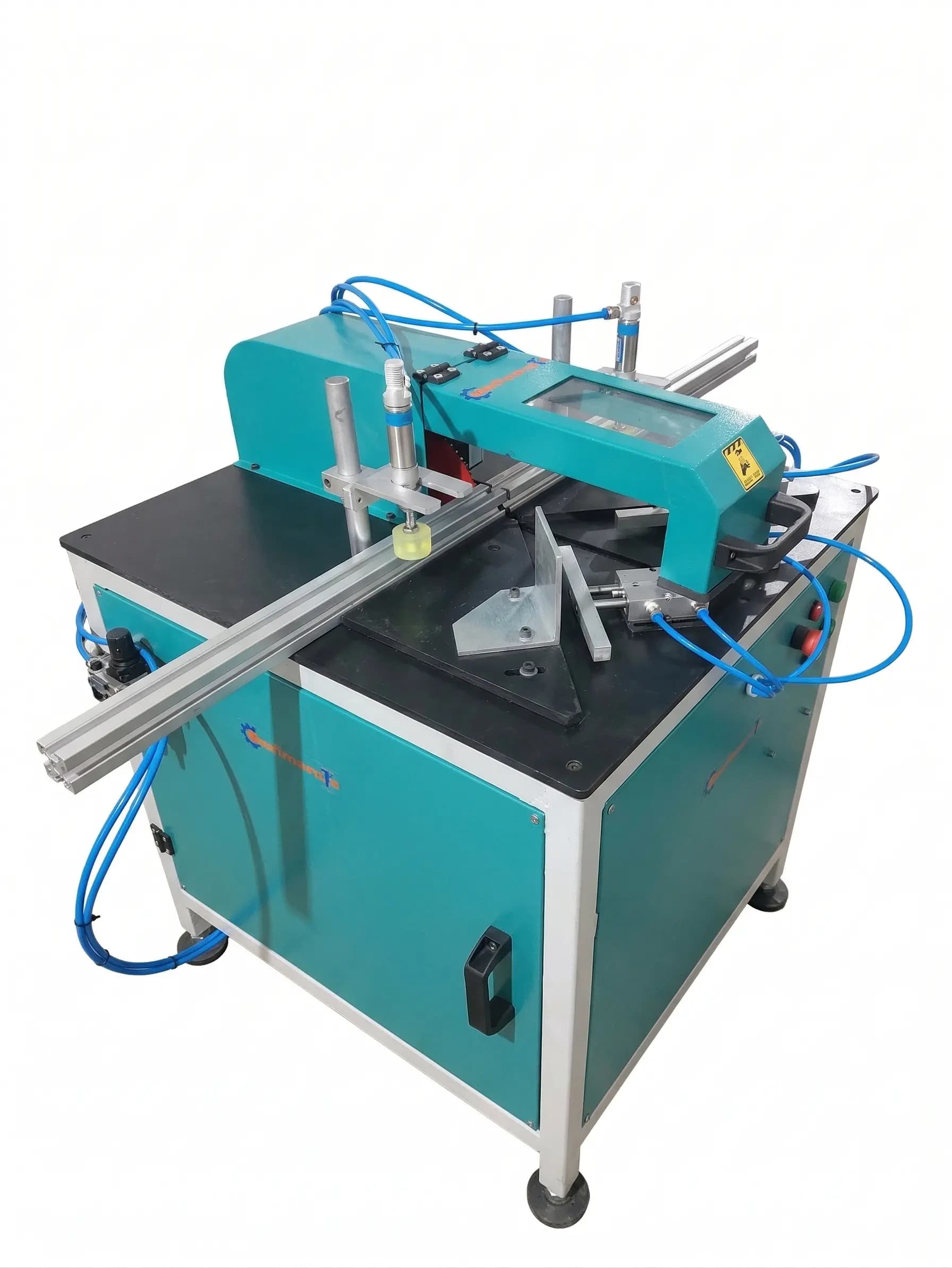
Optimizing hardware prep isn't just about buying a better upvc window manufacturing machine; it is about where you place it. In our most efficient Lucknow layouts, we position the punching station between the aluminium cutter machine 12 inch and the corner crimping station. This reduces the number of times a 6-meter profile is handled.
Common Mistakes to Avoid:
- Lubrication Neglect: Failing to use a micro-mist lubrication system on the punch leads to 'galling,' where aluminium sticks to the steel tool. This will eventually ruin the profile finish.
- Wrong Pressure Settings: Running at 10+ bar to 'force' a blunt punch will crack the machine frame over time. Sharpness, not brute force, is the goal.
- Swarf Accumulation: In aluminium window fabrication machine suppliers Pune and Lucknow facilities, we often find swarf (metal shavings) clogging the die beds. Ensure your machine has an integrated slug discharge chute.
The ROI of Automation in the Indian Market
While the aluminium cutting machine price is a significant capital expenditure, the punching machine is the highest ROI tool in the shop. A manual drill setup costs almost nothing in CAPEX but costs lakhs in lost time and error-related waste. In a standard UP workshop producing 50 windows a day, an automated punching station pays for itself within 12-14 months through labor savings alone.
If you are setting up a uPVC window manufacturing unit cost plan, do not skimp on the prep stage. Whether you are looking for a heavy duty aluminium profile end milling machine or a multi-station punch, the goal is to eliminate manual measurement entirely.
FAQ: Expert Advice for Fabricators
Q: Can I use the same punching machine for both uPVC and Aluminium? A: No. While the profiles look similar, the shear strength of aluminium is significantly higher. Using a upvc windows making machine for aluminium will result in a bent eccentric shaft or motor burnout. Always use a dedicated machine for metal profiles.
Q: What maintenance is required for a pneumatic punch? A: Daily: Clear swarf and check air line lubrication. Weekly: Inspect die edges for chipping. Monthly: Grease the guide pillars and check for air leaks in the cylinder seals. Following an ISO standard maintenance schedule can double the machine's lifespan.
Q: How do I handle custom hardware slots for premium architectural projects? A: This is where a high speed copy router for aluminium windows becomes essential. For standard locks, use a punch. For unique, project-specific hardware, the copy router provides the flexibility to create any shape without needing a new die-set.
Q: Is it better to buy from a local supplier or a manufacturer in a hub like Ahmedabad? A: While aluminium window machinery manufacturers in Ahmedabad Gujarat offer great variety, a local supplier in Uttar Pradesh is better for immediate servicing. However, ensure the local supplier is an authorized dealer for a reputable manufacturer to guarantee the quality of the tempered steel components.
Get more articles like this
Follow Mechnovate on Google to see our guides in Google Discover & News