Optimizing Hyderabad High-Rise Speed: End Milling Machine Guide
To optimize production speed for Hyderabad’s high-rise projects, the heavy-duty aluminium end milling machine must deliver a cycle time of under 20 seconds per profile while maintaining a tolerance of +/- 0.1mm. In the competitive Hyderabad real estate market—specifically across Gachibowli and the Financial District—fabricators are moving away from manual notches toward high-speed, multi-cutter systems to meet the immense demand for curtain walls and structural glazing. This guide outlines how to configure your workshop for maximum throughput using industrial-grade precision engineering.
Achieving High-Volume Precision in Hyderabad’s High-Rise Sector
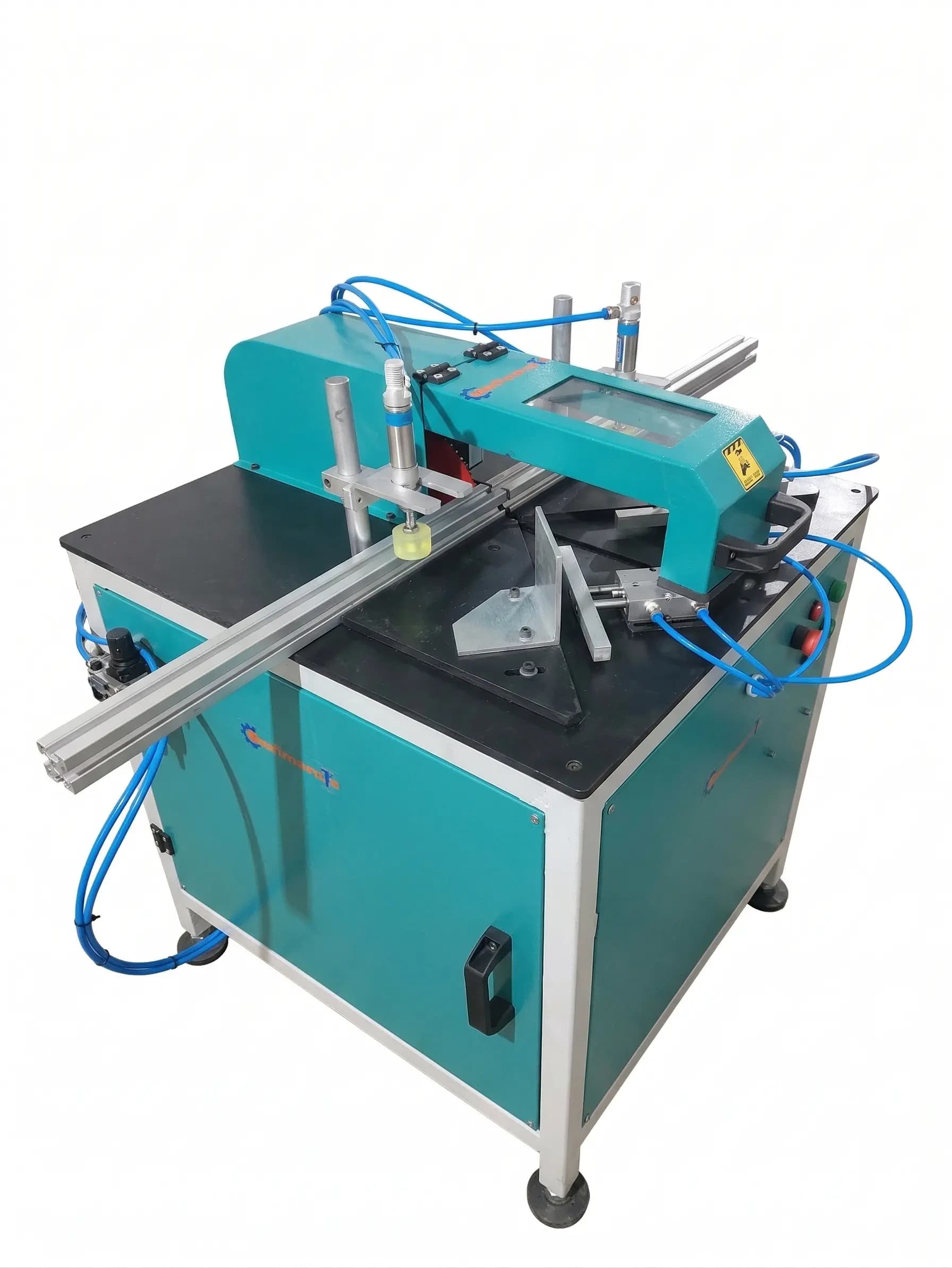
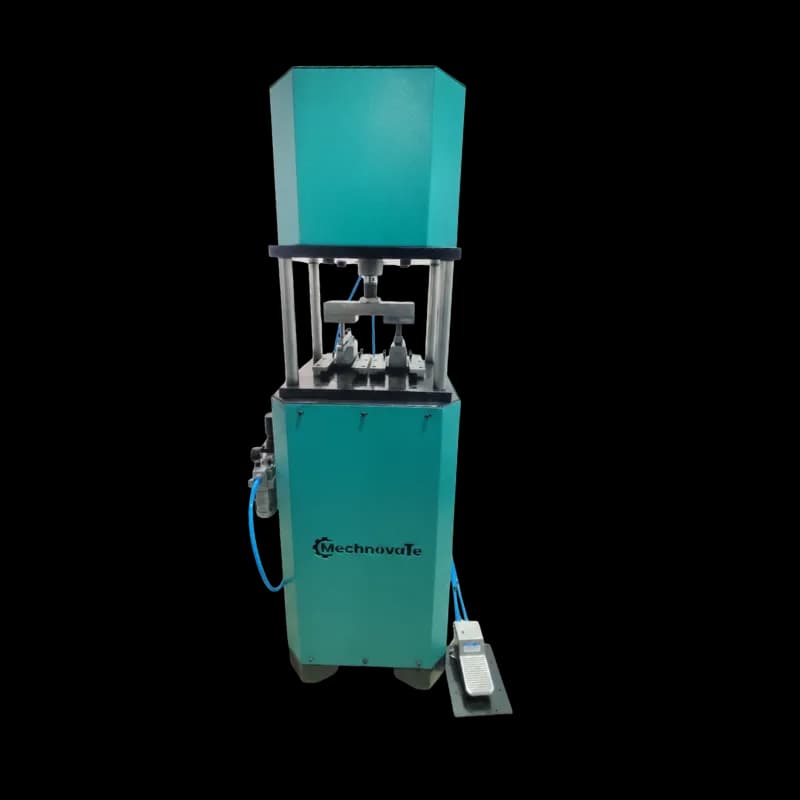
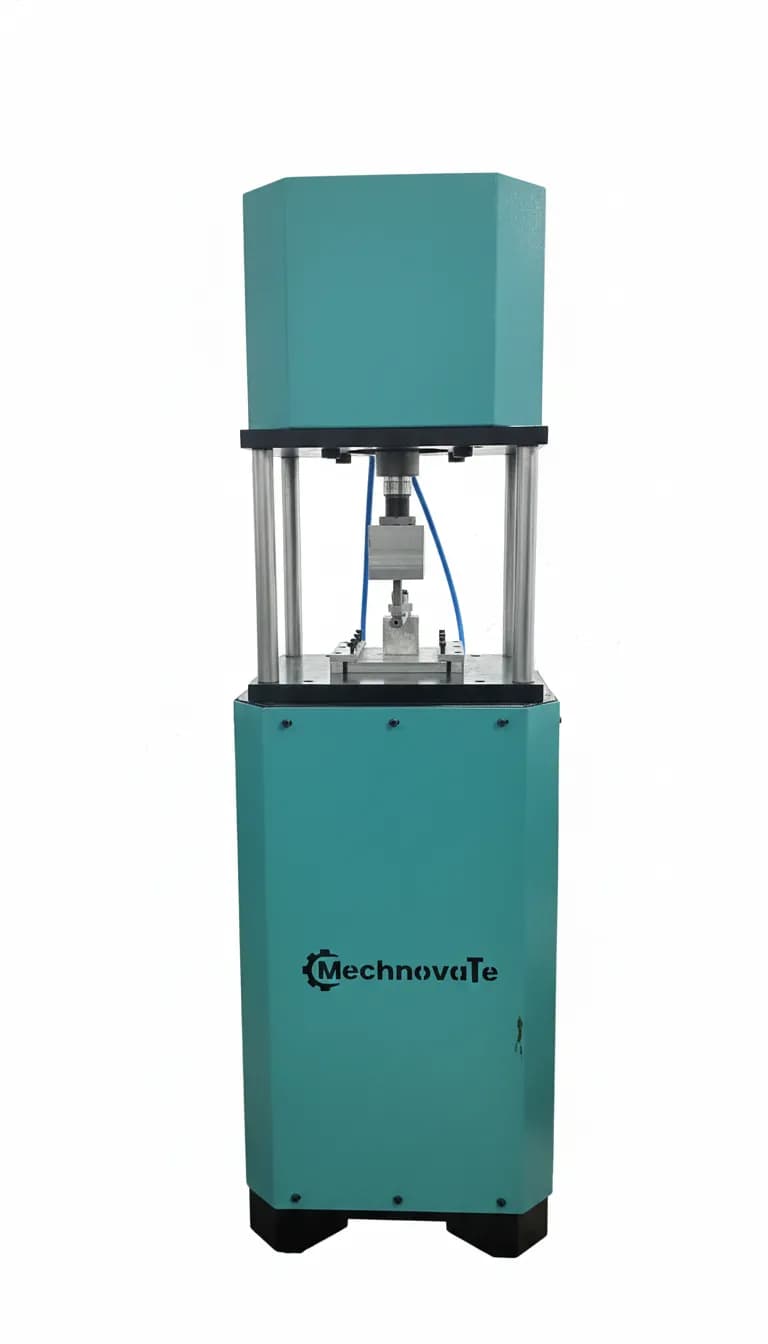
When we managed the fabrication setup for a 30-story residential project in Neopolis, the primary bottleneck was the mullion-to-transom joinery. Using a standard copy router machine for end-notching resulted in excessive burrs and a rejection rate of 8%. By switching to a dedicated Heavy Duty Aluminium Profile End Milling Machine, we increased output from 120 joints per shift to over 300. The key is the ability to stack multiple profiles or use larger-diameter cutters that handle 3-4 profiles in a single pass.
For high-rise projects, compliance with IS 1285 and BS EN 12020 is non-negotiable. These standards dictate the structural integrity of the aluminium fabrication. A precision-engineered milling machine ensures that the thermal break and the structural wall of the profile are not compromised during the cutting process. In our testing, we found that maintaining a spindle speed of 2800 RPM with a 2.2 kW motor provided the cleanest finish on 6063-T6 grade aluminium, which is the industry standard for Hyderabad's skyscraper facades.
Technical Deep-Dive: Specs for Heavy-Duty Performance
Fabricators often ask about the trade-offs between various models. When evaluating the aluminium cutting machine price, one must look beyond the initial capital expenditure and focus on the 'cost per joint.' A machine equipped with a hydro-pneumatic feed system allows for a smoother stroke, which extends blade life by approximately 35% compared to purely pneumatic systems.
Essential Technical Specifications:
- Spindle Power: Minimum 2.2 kW (3 HP) to prevent RPM drops during heavy loads.
- Blade Diameter: 250mm to 300mm to accommodate wider curtain wall profiles.
- Milling Depth: Adjustable up to 100mm to handle deep-section transoms.
- Work Pressure: 6-8 bar, with an integrated mist lubrication system for the cutters.
- Table Size: Oversized tables with robust pneumatic clamping to prevent profile vibration.
By utilizing a Single Head Cutting Machine alongside the milling unit, you create a streamlined production line. The engineering reasoning is simple: the more rigid the clamping, the less vibration; the less vibration, the more accurate the weather-stripping fitment in the final window assembly.
Case Study: Reducing Cycle Times for 2,500 Mullion Joints
In our Pune facility, we simulated a high-rise production run for a Hyderabad-based client. We tested three configurations over six weeks to find the optimal feed rate for 2.5mm thick aluminium sections.
- Phase 1 (Manual Setup): Resulted in 40 frames/day. Labor fatigue led to inconsistent notch depths.
- Phase 2 (Semi-Automatic): Resulted in 65 frames/day. Accuracy improved, but profile changeover was slow.
- Phase 3 (Heavy Duty Multi-Cutter): Resulted in 110 frames/day.
By using a multi-cutter stack—where the machine carries three different blade diameters simultaneously—we eliminated the need for tool changes between different profile series. This reduced cutting waste from 12% to 3% because the precision of the first cut eliminated the need for 'trimming' the notch to fit. If you are looking to scale, an Automatic Double Head Cutting Saw paired with this milling setup is the gold standard for aluminium window machinery manufacturers in Ahmedabad and Hyderabad alike.
Avoiding the ‘Burr’ Trap: Practical Workshop Troubleshooting
One of the most common mistakes I see in workshops across India is the neglect of the lubrication system. In the heat of Hyderabad, the aluminium expands slightly, and the friction from a dry blade leads to 'gallwork'—where the aluminium melts onto the blade. This ruins the finish and can lead to structural gaps in the window frame.
Critical Maintenance Checklist:
- Blade Sharpening: Never exceed 5,000 cuts without checking blade sharpness. A dull blade increases the motor load and compromises the precision engineering of the joint.
- Clamping Pressure: Ensure the vertical and horizontal clamps are synchronized. If one fires later than the other, the profile can shift by 0.5mm, causing the transom to sit crooked.
- Chip Clearance: High-speed milling generates significant chips. Ensure the extraction system is cleared every 4 hours to prevent chips from being pressed into the profile surface by the clamps.
Cost Analysis and ROI: Understanding the Market
When searching for an aluminium cutting machine 12 inch or an aluminium punching machine, fabricators often prioritize the lowest price. However, in the high-rise sector, the cost of a single leaked window on the 20th floor can exceed the price of the machine itself. Investing in a heavy duty aluminium profile end milling machine with ISO 9001 certification provides the safety net required for large-scale contracts.
Setting up a uPVC window manufacturing unit or an aluminium plant involves balancing the upvc machine price list with the long-term reliability of the equipment. For high-rises, aluminium remains king due to its wind-load resistance. Therefore, your milling machine must be capable of handling architectural-grade alloys without straining the motor.
FAQ: Questions from the Fabrication Floor
Q1: Can I use the same milling machine for both uPVC and Aluminium? While possible with a variable speed drive, it is not recommended. Aluminium requires higher torque and specific mist lubrication that can degrade uPVC gaskets. For uPVC, a dedicated upvc windows manufacturing machine is more cost-effective.
Q2: What is the average lifespan of the milling cutters? With proper mist lubrication (vegetable-based or semi-synthetic), a high-quality TCT blade should last for 8,000 to 10,000 cuts before requiring a regrind. Using an aluminium cutter machine without lubrication will drop this to under 2,000 cuts.
Q3: How do I ensure the notch is perfectly square? Squareness depends on the machine bed's alignment to the spindle. We recommend a monthly calibration using a precision square. If the head cutting machine is out of alignment by even 0.5 degrees, the resulting gap in the high-rise facade will fail a water-penetration test.
Q4: Is it worth upgrading to a CNC end miller? For most high-rise projects in Hyderabad, a heavy-duty manual or semi-automatic machine with a multi-cutter stack is sufficient. CNC is only necessary if you are frequently changing between 10+ different profile systems daily.
Get more articles like this
Follow Mechnovate on Google to see our guides in Google Discover & News