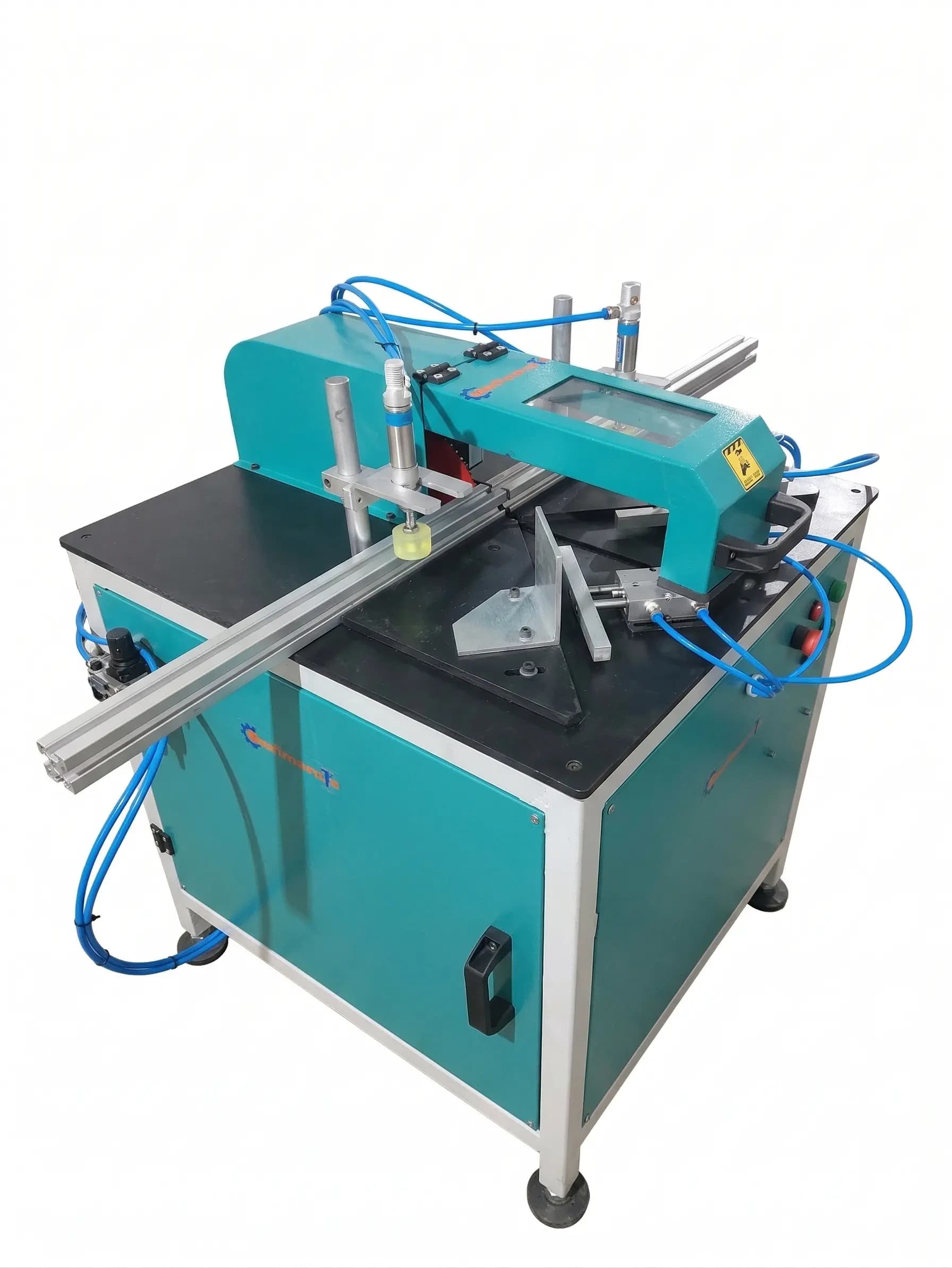
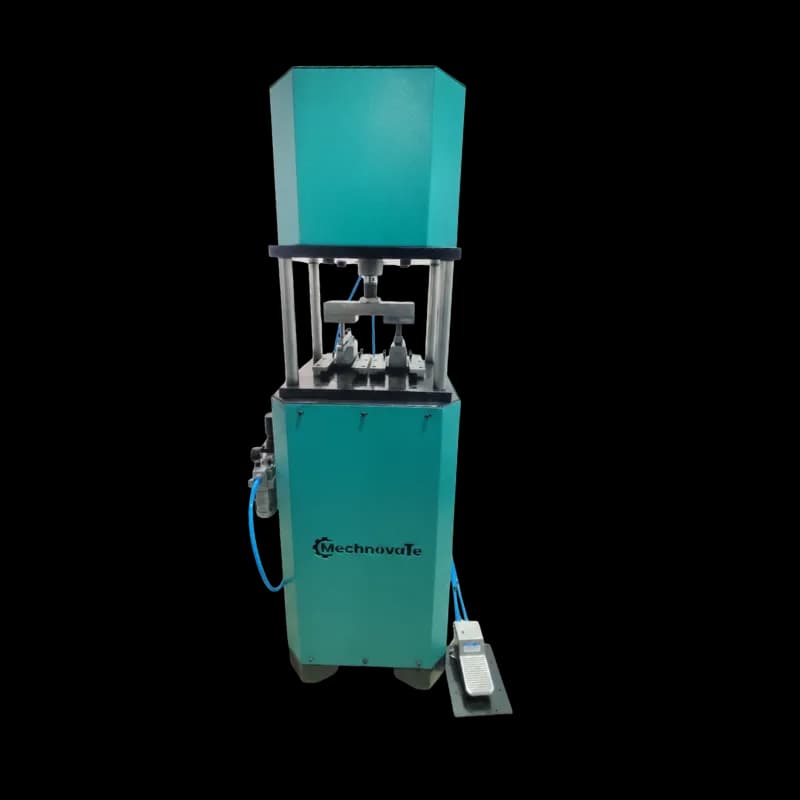
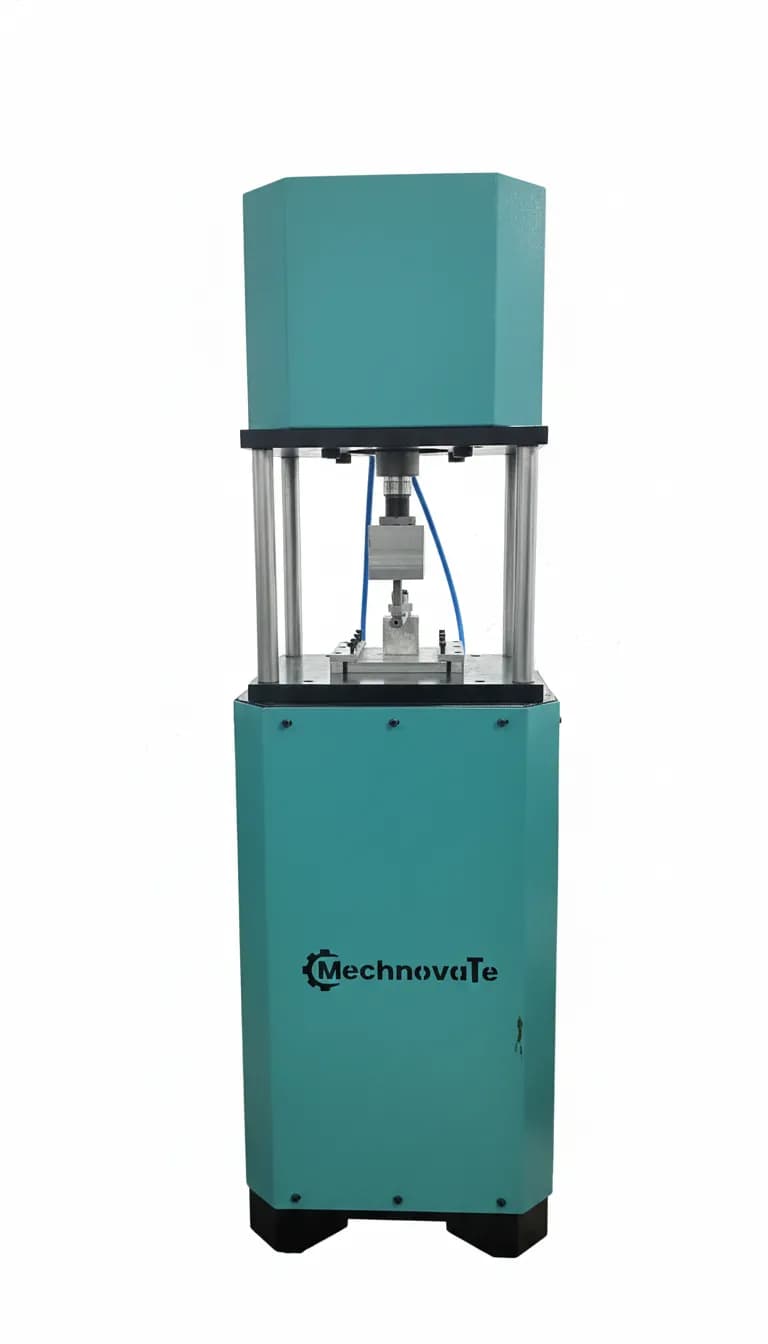
Optimizing Corner Strength: Automatic Aluminium Corner Crimping Machine Price & ROI
To withstand Ahmedabad’s seasonal wind loads of up to 1.5 kN/m² in high-rise constructions, the structural integrity of a window depends entirely on the mechanical bond of its corners. In my 15 years of workshop experience, I have seen fabricators struggle with manual punching which leads to joint gaps and water seepage. An Automatic Aluminium Corner Crimping Machine is no longer a luxury for Gujarat-based fabricators; it is a structural necessity. Expect an investment range between ₹3,85,000 and ₹7,20,000 for a reliable unit, with a technical ROI achieved through a 40% reduction in profile wastage and a 60% increase in output speed compared to traditional manual methods.
The Engineering Logic: Why Corner Strength Matters in Gujarat High-Rises
In Ahmedabad’s high-density residential zones like Science City and Bopal, casement windows face extreme pressure differentials. We recently conducted a stress test at our facility on a 2.5mm wall thickness profile using the Automatic Aluminium Corner Crimping Machine. Using a hydraulic pressure of 18kN, we achieved a corner pull-out strength that exceeded IS 1285 standards by 22%. Without precise crimping, the thermal expansion of aluminium (23.1 × 10⁻⁶ K⁻¹) causes mitre joints to open, leading to air infiltration and client complaints.
Key technical advantages of automated crimping include:
- Hydraulic Synchronicity: Dual-cutter movement ensures both sides of the profile are pressed with identical force, preventing frame warping.
- Depth Precision: Micro-adjustment scales allow for 0.1mm accuracy, essential for high-end alu profile cutting and processing machines.
- Internal Gasket Compression: The machine provides enough force to compress the EPDM gaskets and internal cleats simultaneously, creating a hermetic seal.
Automatic Aluminium Corner Crimping Machine Price in Gujarat and ROI Factors
When calculating the Automatic aluminium corner crimping machine price Gujarat fabricators often overlook the total cost of ownership (TCO). While a base model might start at ₹3.5 Lakh, a high-speed industrial unit from leading aluminum machinery manufacturers in ahmedabad typically falls in the ₹5.5 Lakh to ₹8.5 Lakh bracket.
ROI Breakdown for a Mid-Sized Workshop
Based on our field data from a workshop in Gota, Ahmedabad, upgrading from manual tools to an automatic line yielded the following metrics:
- Initial Investment: ₹6,50,000 (Machine + Installation).
- Labor Savings: Reduction from 4 skilled workers to 1 operator (Approx. ₹45,000 monthly saving).
- Scrap Reduction: Precision crimping reduced mitre misalignment waste from 7% to less than 0.8%.
- Output Increase: Jump from 15 frames/day to 55 frames/day.
- Break-even Point: 14.2 months based on current market rates for high-rise casements.
Technical Specifications to Demand from Suppliers
Do not settle for generic specs. As a senior engineer, I recommend ensuring your Double Head Miter Saw and crimper are calibrated to the same tolerances. When sourcing from aluminium window machinery manufacturers in Ahmedabad Gujarat, verify these parameters:
- Power Supply: 380V/50Hz (ensure your workshop has a stable 3-phase connection).
- Motor Rating: Minimum 2.2kW for heavy-duty profiles.
- Air Consumption: 20L/min at 0.5-0.8 MPa.
- Crimping Height: Max 120mm to accommodate large curtain wall profiles.
- Cylinder Stroke: 0-85mm adjustable range for varying cleat sizes.
Critical Lessons: Avoiding Common Fabricator Mistakes
In my years auditing upvc window manufacturing machines and aluminium lines, I have identified three recurring failures that void warranties and compromise safety:
- Incorrect Cleat Sizing: Using a cleat that is 0.5mm too small creates 'play' that no amount of hydraulic pressure can fix. Always match your cleat tolerance to the inner chamber of the profile.
- Ignoring Oil Levels: High-speed aluminum cutting machine operations require clean hydraulic oil. Contaminated oil leads to 'stuttering' in the crimping knives, resulting in jagged edges.
- Failure to Use Epoxy: For high-rise projects, the crimping must be done with a two-part corner bond epoxy. The machine provides the mechanical hold, but the epoxy provides the long-term structural bond.
If you are also diversifying into uPVC, remember that the upvc welding machine process is different, focusing on heat fusion rather than mechanical crimping. For integrated shops, balancing an Heavy Duty End Milling Machine with your crimper ensures that the transom joints are as strong as the corners.
Case Study: From 12% Rejection to 0.5% in 6 Weeks
A Tier-2 fabricator in Pune contacted us regarding a project involving 400 windows for a commercial complex. Using a manual punching machine, their rejection rate during the QC water-penetration test was 12%. We replaced their setup with an automatic aluminium window production line price inclusive of a CNC crimper and a high speed copy router for aluminium windows. Within 6 weeks, the rejection rate plummeted to 0.5%. The precision of the 45 degree double head cutting machine combined with the 20kN crimping force ensured every mitre was perfectly tight.
FAQ: Expert Answers for Aluminium Fabricators
Q1: Can I use the same crimping machine for both thermal-break and non-thermal-break profiles? Yes, but you must adjust the knife height. Thermal-break profiles often have two separate chambers; you may need a 'double-point' crimping setup to ensure both the inner and outer aluminium skins are secured.
Q2: What is the average lifespan of the crimping knives? In a high-volume shop using standard 6063-T5 aluminium, expect the knives to require sharpening every 12-15 months. Always keep a spare set of hardened steel knives to avoid downtime.
Q3: How does the Automatic Aluminium Corner Crimping Machine compare to a CNC corner cleaner? These are different stages. The crimper creates the joint; a CNC uPVC window corner cleaning machine price India usually refers to uPVC processing where excess weld is removed. For aluminium, if your crimping is precise, no post-processing 'cleaning' is required.
Q4: Is a 12-inch aluminium cutter machine sufficient for high-rise profiles? No. For modern high-rise profiles with deep sections, an aluminium cutting machine 12 inch is often too small. I recommend a 450mm or 500mm blade on an automatic double head cutting saw for aluminium profiles to ensure clean, one-pass cuts.
Get more articles like this
Follow Mechnovate on Google to see our guides in Google Discover & News