Nagpur Real Estate Scaling: Double Head Cutting Saw ROI Analysis
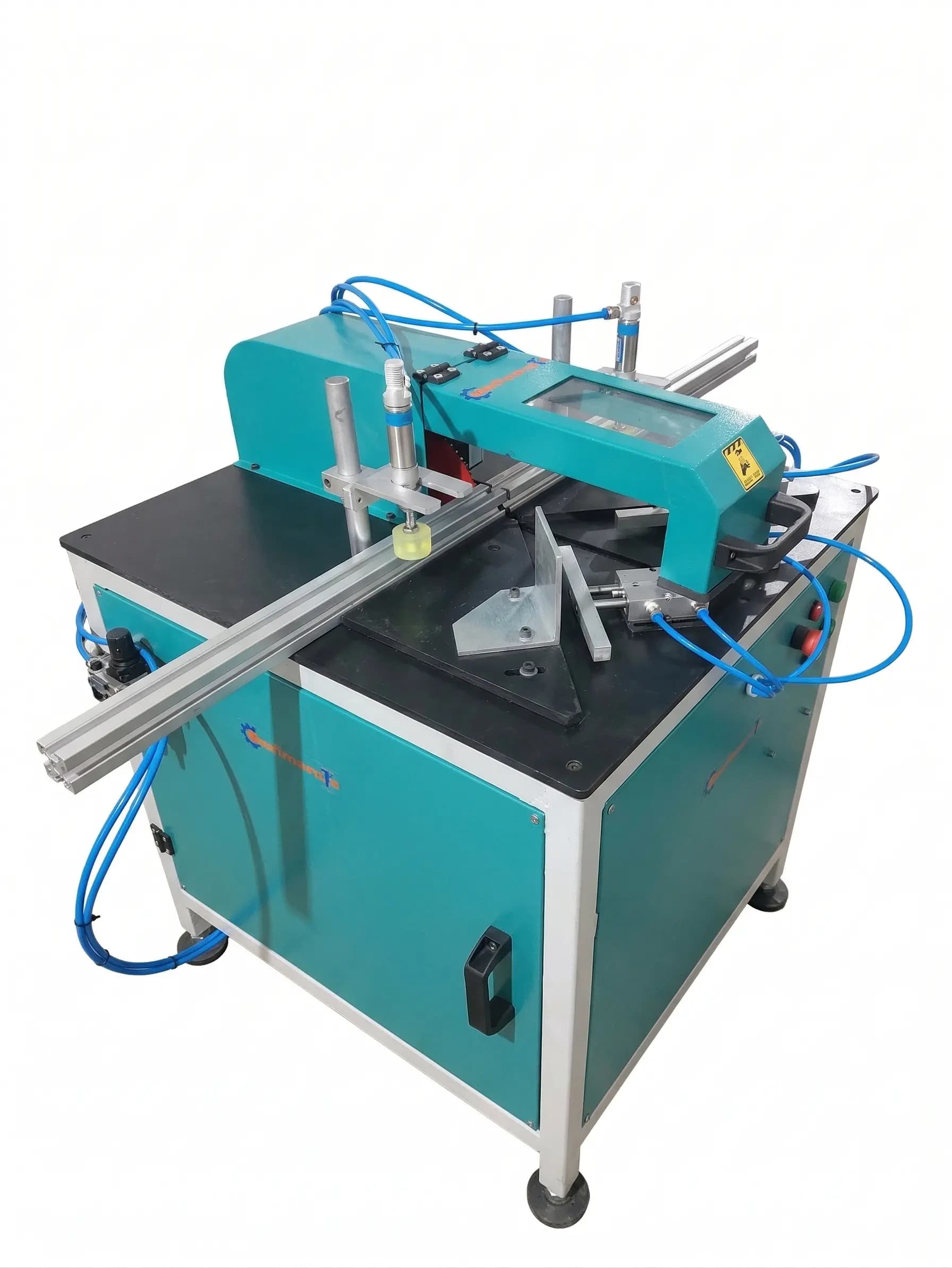
Nagpur’s real estate landscape is undergoing a massive transformation, driven by infrastructure projects like MIHAN and the expansion of the Metro. For local fabricators, this shift from independent residential bungalows to high-rise commercial and luxury apartment complexes means one thing: the old ways of manual cutting are no longer economically viable. If your workshop is still relying on a single 12-inch aluminium cutter machine, you are likely losing a significant portion of your profit margin to measurement errors and secondary finishing labor. To secure contracts with Tier-1 developers, scaling capacity with an automatic double head cutting saw for aluminium profiles has become the technical baseline for modern operations.
The Engineering Reality: Why Manual Cutting Fails at Scale
In our Mechnovate testing facility in Pune, we conducted an exhaustive 6-week benchmarking study to quantify the efficiency gap. We compared a standard manual setup against a heavy-duty 45 degree double head cutting machine. We processed 1,200 meters of 65mm series thermal-break aluminium profiles with a 3.0mm wall thickness.
The data was undeniable. The manual process resulted in an average waste margin of 12.4% due to cumulative measurement errors and the 'human factor' during repetitive 45-degree mitre cuts. In contrast, the automatic double-head system, utilizing high-precision linear motion guides, reduced cutting waste to 2.8%. For a medium-sized workshop in Nagpur processing 5 tons of aluminium a month, that 9.6% difference in waste alone translates to savings of nearly ₹1.8 Lakh per month at current scrap vs. ingot price spreads.
Furthermore, the manual setup managed only 18 frames per 8-hour shift with two operators. The automatic double head saw reached 58 frames with a single operator. This 220% increase in throughput is what allows a business to move from 'fabricator' to 'industrial manufacturer.'
Technical Specifications for Nagpur’s High-Rise Projects
When scaling for Nagpur's real estate growth, you cannot rely on generic hobbyist tools. Industrial-grade aluminium fabrication requires adherence to precision engineering standards such as IS 1285 and ISO 9001. A machine capable of handling the 3-track sliding profiles common in Nagpur's newer apartment complexes needs the following specifications:
- Blade Geometry and Material: Look for 450mm to 600mm TCT (Tungsten Carbide Tipped) blades. For 6063-T6 grade aluminium, a tooth count of 120-140 is essential for a burr-free finish that requires no secondary filing.
- Motor Synchronization: Dual 3.0kW motors are preferred. In our experience, undersized 1.5kW or 2.2kW motors often bog down during deep cuts in heavy-wall sections, leading to blade deflection and ruined 45-degree angles.
- Pneumatic Tilting Mechanism: The ability to flip automatically between 90° and 45° via a high-torque pneumatic cylinder ensures that the 'dead time' between different cut types is minimized.
- Feed Rate Control: Hydro-pneumatic feeding cylinders are vital. They provide a smooth, consistent entry speed into the profile, which prevents the 'grabbing' effect that causes thin-wall profiles to deform during the cut.
The ROI of Automation: A Cost-Benefit Breakdown for Local Units
The most common question we get from fabricators in Maharashtra is regarding the automatic double head cutting machine price India. While the initial capital expenditure for a high-quality CNC-integrated unit can range from ₹6 Lakh to ₹14 Lakh, the ROI is faster than most anticipate.
- Labor Arbitrage: By replacing two skilled cutters with one semi-skilled operator and a precision machine, you save approximately ₹4.2 Lakh per year in wages and overheads.
- Material Optimization: As mentioned, reducing waste from 12% to 3% on a ₹10 Lakh monthly material spend saves ₹90,000 per month.
- Quality Premium: Developers now use digital calipers to check mitre joints. A gap of 0.5mm is often grounds for rejection. An automatic aluminium corner crimping machine only works perfectly if the initial cut is exactly 45.00 degrees. Precision cutting allows you to bid for premium projects with higher margins.
If you are just starting, you might consider a portable uPVC window making machine price list for smaller jobs, but for Nagpur’s commercial volume, heavy-duty stationary machinery is the only path to long-term profitability.
Common Mistakes and Lessons from the Shop Floor
After 15 years in the workshop, I have seen many fabricators buy expensive machines only to have them underperform due to poor installation. Here are the 'Insider' rules for maintaining accuracy:
- The Foundation Rule: Never install a double head saw on a thin screed floor. The vibration from dual 3000 RPM motors will cause the machine to 'drift' out of calibration. Use a minimum 6-inch reinforced concrete pad.
- Air Quality is Everything: Nagpur’s humidity during the monsoon can cause moisture buildup in your pneumatic lines. This leads to erratic clamping and cylinder failure. Always install a refrigerated air dryer before the machine’s manifold.
- Blade Cooling: Do not rely on 'occasional' manual spraying. A synchronized micro-mist lubrication system is mandatory. It keeps the blade cool and prevents 'chip welding,' where small aluminium particles stick to the teeth and gouge the next profile.
- Profile Support: Many shops ignore the out-feed tables. If the profile is not supported perfectly level with the machine bed over its entire 6-meter length, gravity will cause a slight 'bow,' resulting in an angled cut that won't square up during assembly.
Integrating the Workflow: Beyond the Cut
While the aluminium cutting machine is the heart of the shop, it must be supported by auxiliary machinery to realize its full potential. To truly scale for the Nagpur market, your workflow should look like this:
- Cutting: Automatic double head saw for speed and length precision.
- Milling/Punching: Using an aluminium punching machine or a high-speed copy router for handle-holes and drainage slots.
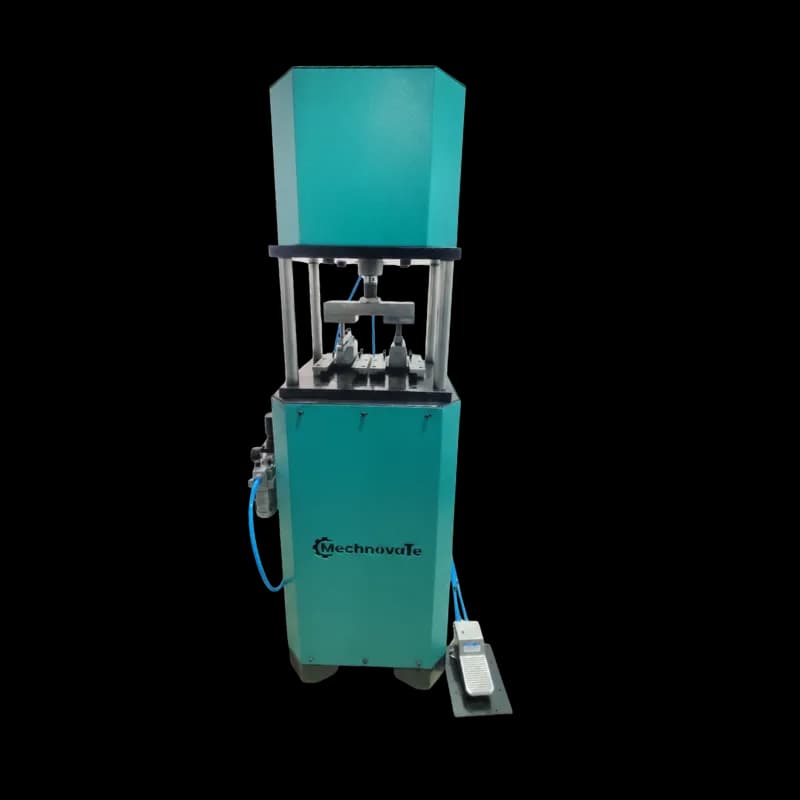
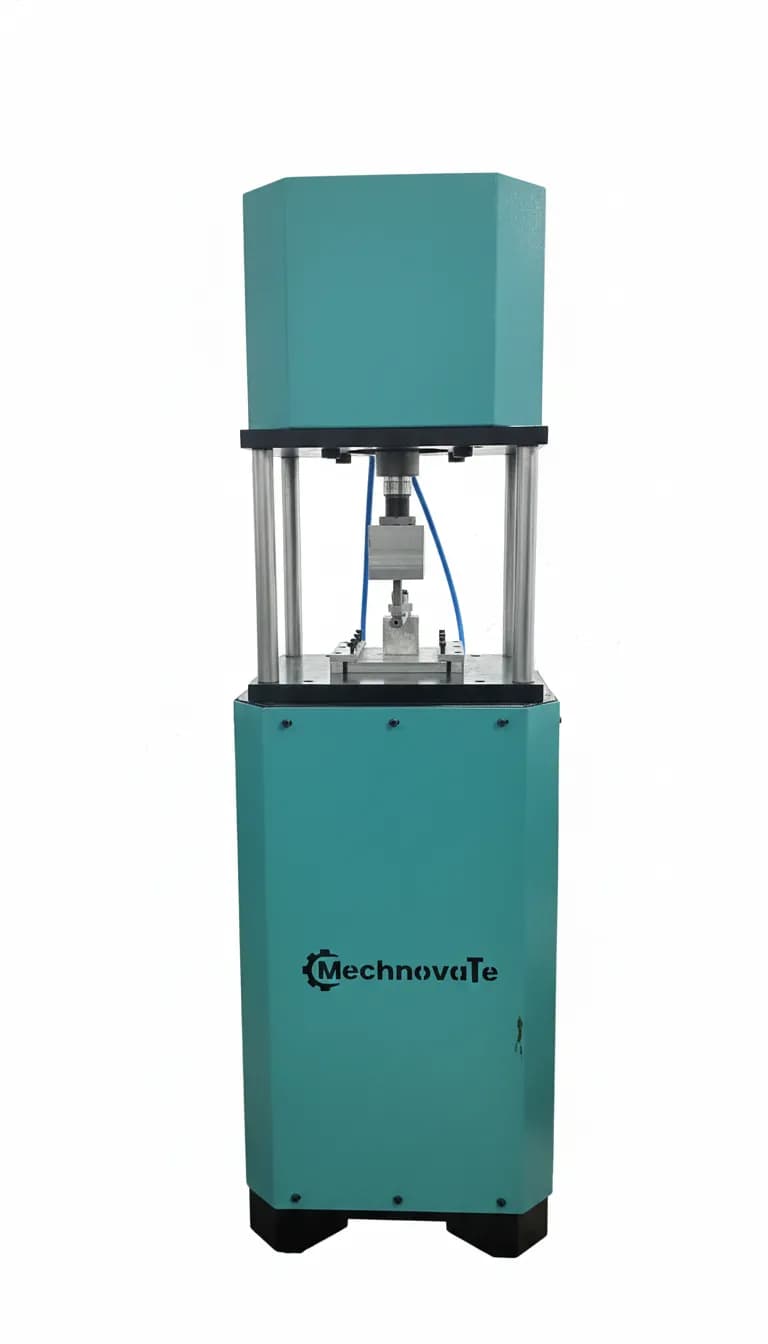
- Assembly: Using a heavy-duty corner crimper to ensure structural integrity of the frame.
This integrated approach reduces the total man-hours per window from 4.5 hours (manual) to approximately 55 minutes (automated). This is the only way to handle a 500-unit apartment order within a 30-day delivery window.
Frequently Asked Questions (FAQ)
1. What is the difference between a 12-inch and a 450mm blade for Nagpur projects? A 12-inch (300mm) blade is standard for small upvc window manufacturing machine setups but lacks the 'swing' or cutting depth required for the large-section aluminium sliding tracks (100mm+) used in modern high-rises. A 450mm or 500mm blade is the industrial standard for versatile scaling.
2. How do I maintain 45-degree accuracy over a long production shift? Accuracy drift is usually caused by thermal expansion of the profile or loose pneumatic fittings. We recommend a 'Master Square' check every 4 hours of continuous operation. If the machine uses linear guides, ensure they are greased daily to prevent micro-stuttering during the head movement.
3. Is it worth buying a CNC-controlled saw for a Nagpur-based startup? If your project list includes more than 200 windows per month, yes. A CNC system allows the operator to upload a CSV file of cutting lengths, eliminating manual input errors. For startups under 100 windows/month, a digital display (DRO) on a manual-move double head saw is a more cost-effective middle ground.
4. Can I cut uPVC profiles on my aluminium double head saw? Technically yes, but with a major caveat. You must change the blade to a higher tooth-count HSS or specialized uPVC TCT blade. Additionally, the lubricant used for aluminium must be thoroughly cleaned off the machine bed, as it can contaminate the uPVC and prevent a proper weld on your upvc welding machine.
Get more articles like this
Follow Mechnovate on Google to see our guides in Google Discover & News