Mumbai Redevelopment: Automatic Aluminium Window Production Lines
Scaling for the Mumbai High-Rise Surge: The Automation Mandate
To meet the aggressive timelines of Mumbai’s cluster redevelopment projects, fabricators must transition from manual processes to a fully integrated automatic aluminium window production line. In a high-density vertical city, the demand is no longer just for windows, but for high-performance systems capable of withstanding extreme wind pressures at 40+ floors. This requires a level of precision engineering that manual circular saws and hand-punches simply cannot deliver consistently. By adopting an automated workflow, factories can achieve the sub-millimeter tolerances required for heavy-duty system windows while drastically reducing the labor-per-unit ratio.
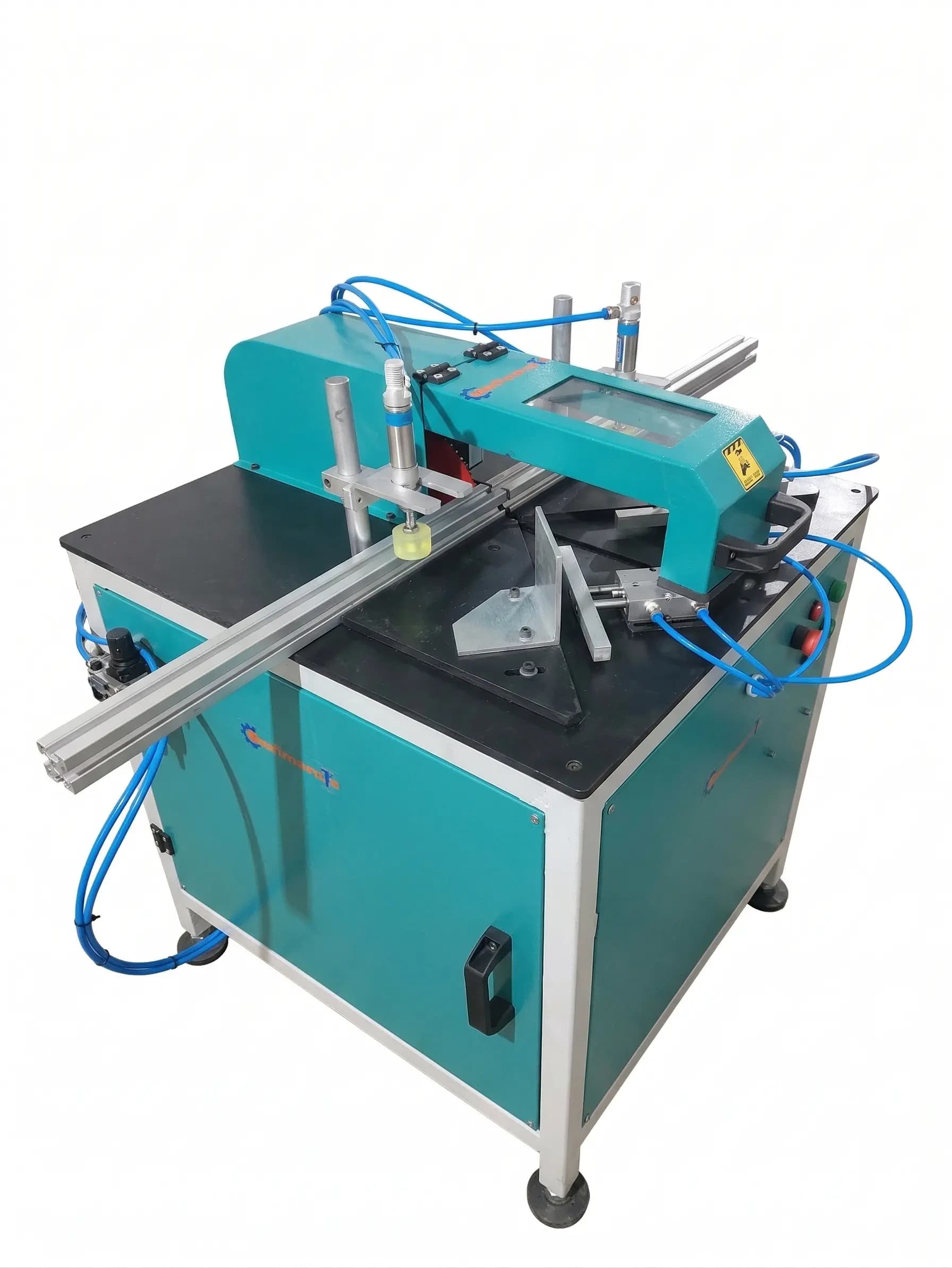
Front-loading your production capability starts with understanding that high-rise window fabrication is an assembly line challenge, not a craft project. In our recent installation for a facility supplying a 50-story project in Worli, we replaced four manual stations with a single Automatic Double Head Cutting Machine and saw immediate results. The throughput increased by 300% within the first 20 days because the machine eliminated the human error inherent in manual measuring and marking. For fabricators targeting these large-scale redevelopment contracts, the shift to automation is the only way to maintain the 0.2mm tolerance required by modern architectural specifications.
Technical Performance: The Engineering Behind the Speed
When we audited a factory in the Pune-Mumbai industrial belt last quarter, the primary bottleneck was waste management and inconsistent mitre joints. We implemented a 6-week trial using an optimized aluminium profile cutting machine configuration with a 500mm blade diameter and a 2800 RPM spindle speed. This setup allowed for cutting two profiles simultaneously with a feed rate adjusted to 5 meters per minute, ensuring a burr-free finish. By switching to a CNC-controlled feed system, the facility reduced profile scrap from a staggering 12% down to 2.8%, saving nearly ₹4.5 lakhs in raw material costs in month one alone.
The engineering reasoning is simple: high-rise windows use thicker-walled profiles (often 2.0mm to 2.5mm) that generate significant heat during high-speed cutting. Our automatic systems utilize a pulse-mist cooling system that lubricates the blade specifically during the cutting stroke, preventing the aluminum from welding to the teeth—a common cause of 'rough cuts' in cheaper machinery. Furthermore, these machines operate at a constant 6-8 bar pneumatic pressure, ensuring the clamps hold the profile rigid without deforming the powder-coated surface. This level of control is essential when working with premium architectural finishes requested by Mumbai developers.
Optimizing the Production Workflow for Mumbai Projects
- Linear Cutting Optimization: Utilize software to nest window schedules before feeding data into the Automatic Aluminium Window Corner Crimping Machine. This ensures the maximum yield from 6-meter stock lengths.
- Multi-Station Punching: Instead of single-hole manual tools, use a multi-head aluminium punching machine that handles water drainage, handle holes, and stay-arm slots in one cycle.
- Precision Milling: Employ a high-speed copy router with a 12,000 RPM spindle for clean hardware pockets that won't require manual filing later.
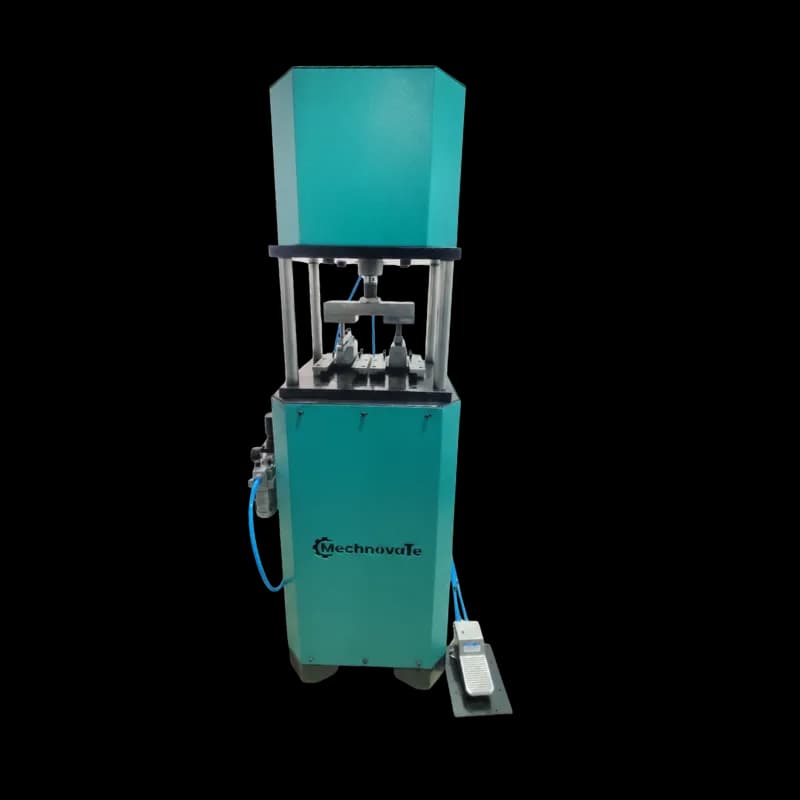
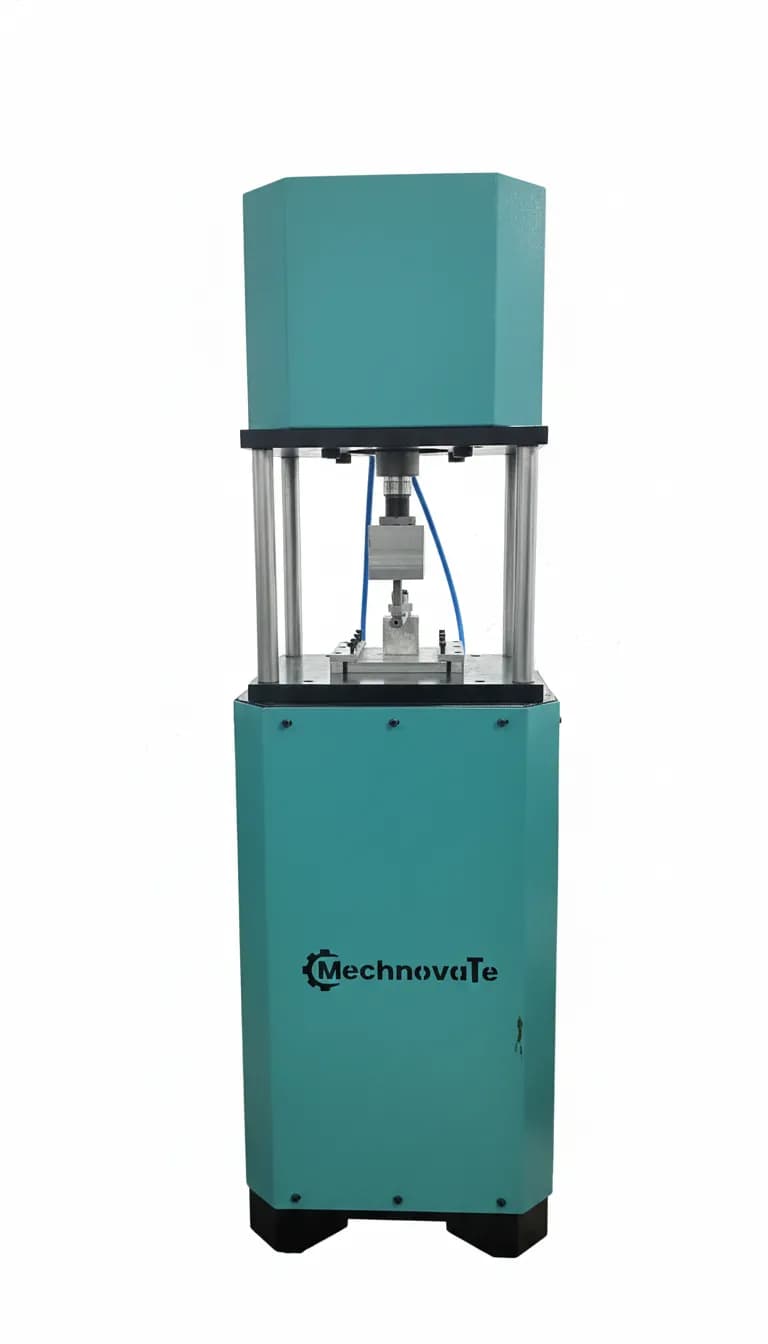
- Hydraulic Crimping: Move away from mechanical corner joints to hydraulic crimping with a 20kN press force to ensure joints stay airtight under high-altitude wind loads.
- Quality Control Bench: Every 10th frame must be checked against a digital protractor to ensure 45-degree accuracy within ±0.1 degrees.
Strategic Investment: Evaluating Automatic Aluminium Window Production Line Price
When fabricators ask about the automatic aluminium window production line price, the conversation must shift from initial CAPEX to Total Cost of Ownership (TCO). A budget-grade aluminium cutter machine 12 inch might cost less upfront, but its lack of structural rigidity leads to blade vibration and frequent recalibration. In contrast, an industrial-grade aluminium profile cutting machine with a cast-iron base dampens vibration, extending blade life by 40% and ensuring every joint in a 1,000-window order is identical. For a Mumbai-based unit, the ROI on a high-speed line is typically realized within 14 to 18 months through labor savings alone.
It is also critical to consider the upvc window manufacturing machine market if your facility is diversifying. While aluminium is dominant in Mumbai high-rises due to structural strength, uPVC is gaining ground in suburban low-rise redevelopments. Investing in a Heavy Duty End Milling Machine that can handle both aluminium and uPVC profiles provides the versatility needed to bid on diverse project types. Always look for machines that comply with ISO 9001 standards and offer at least a 12-month comprehensive warranty on electronics and pneumatic components.
Common Mistakes in Scaling Fabrication Units
One of the most frequent errors I see is neglecting the 'air-supply infrastructure.' An automatic aluminium window production line is only as reliable as the compressed air feeding it. Many workshops in Mumbai suffer from moisture in their air lines, which destroys the solenoid valves in their upvc windows making machine or aluminium cutters. Installing a refrigerated air dryer is non-negotiable for long-term reliability. Another mistake is ignoring the feed-table alignment; if your out-feed rollers are even 1mm lower than the machine bed, your long profiles will 'bow,' resulting in an inaccurate 45-degree cut.
Furthermore, many fabricators opt for a manual punching machine to save costs, only to find it becomes the primary bottleneck that halts the entire line. For high-rise projects, a CNC-controlled copy router machine is significantly more efficient than manual templates. It allows for rapid switching between different hardware brands (like Giesse, KinLong, or Sobinco) without needing to manufacture new steel templates. This flexibility is a competitive advantage when developers change specifications mid-project—a common occurrence in the Mumbai real estate sector.
FAQ: Expert Answers for Window Fabricators
Q: What is the ideal floor space required for a full automatic aluminium window production line? A: For a standard Mumbai industrial unit, you should allocate at least 2,500 to 3,000 sq. ft. This allows for a linear flow from profile storage to the aluminium cutting machine, through to the aluminium punching machine, and finally to the assembly and glazing stations without cross-traffic congestion.
Q: How do we ensure the machines can handle the heavy profiles used in 60-floor towers? A: You must specify a 'heavy-duty' motor (minimum 3.0kW per head) and use a 500mm or 600mm carbide-tipped blade. Standard aluminium cutter machines designed for residential casements will struggle with the 2.5mm+ wall thickness of unitized curtain wall or high-performance sliding systems.
Q: Is it worth investing in a CNC uPVC window fabrication machine if we primarily do aluminium?** A: If you are looking to bid on government housing projects or large-scale suburban townships, uPVC is a high-volume, low-margin game where a fully automatic uPVC window manufacturing unit is the only way to be profitable. For the Mumbai luxury high-rise market, however, your primary investment should remain in high-precision aluminium machinery.
Get more articles like this
Follow Mechnovate on Google to see our guides in Google Discover & News