Modernizing Thane’s High-Rise Window Fabrication: ROI Guide
Modernizing your workshop for Thane’s booming high-rise market requires moving beyond manual tools to high-precision automation. An automatic aluminium window production line price in India typically ranges from ₹8,00,000 for entry-level semi-automatic setups to over ₹28,00,000 for fully integrated CNC systems. For a typical fabricator in the Thane-Mumbai corridor, the sweet spot for a mid-tier line—including a 45 degree double head cutting machine and a heavy-duty corner crimper—is approximately ₹12,00,000 to ₹16,00,000. This investment directly addresses the ±0.5mm tolerance requirements of 40+ story high-rises where wind loads demand perfect structural integrity.
Modernizing Window Fabrication in Thane: Automatic Aluminium Window Production Line Price Breakdown
Transitioning from traditional methods to a CNC uPVC window fabrication machine price in India or an equivalent aluminium line involves more than just equipment costs; it is about throughput. In our 15 years of experience, we have found that high-rise projects in Thane demand profile thicknesses between 2.0mm and 2.5mm, which standard 12-inch blades struggle to cut without heat-induced deformation. Investing in an Automatic Double Head Cutting Machine with a 500mm or 600mm blade is non-negotiable for these specifications.
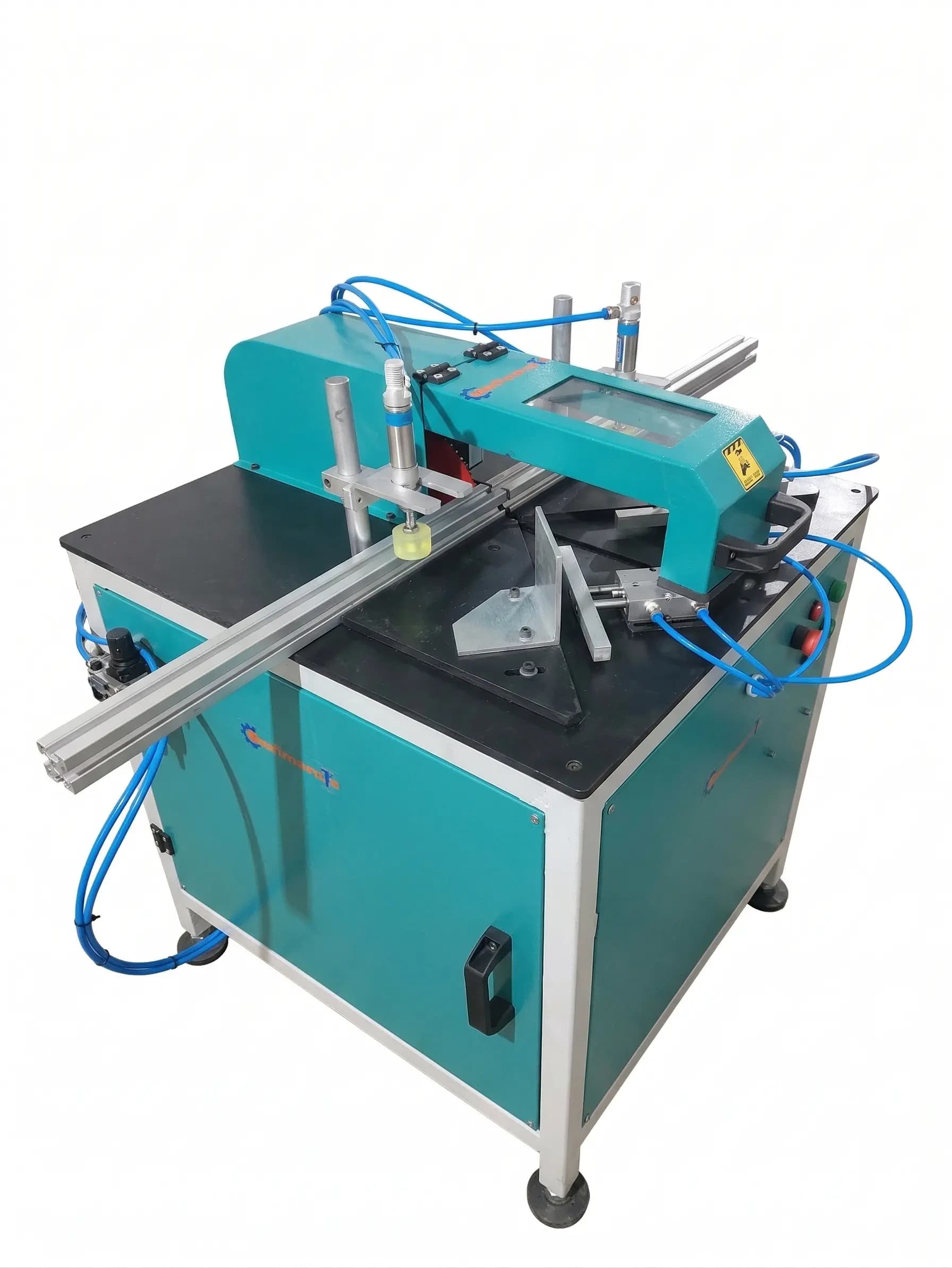
- Cutting Station (₹4.5L - ₹9L): An aluminium profile cutting machine with digital display and pneumatic shield is the heart of the line. The automatic double head cutting machine price India reflects the quality of the linear guide rails and the motor’s kW rating (typically 2.2kW per head).
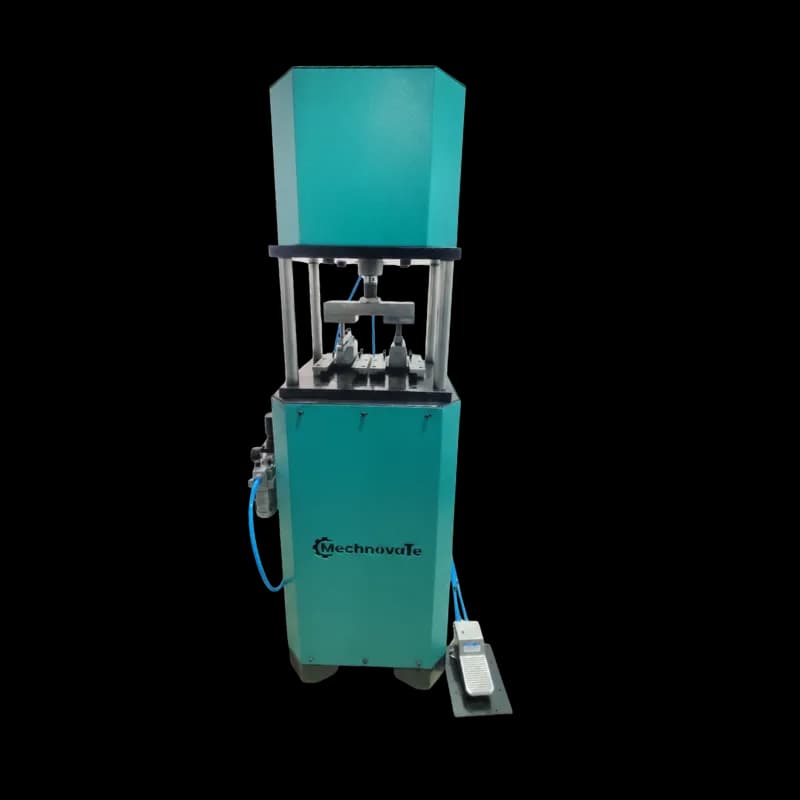
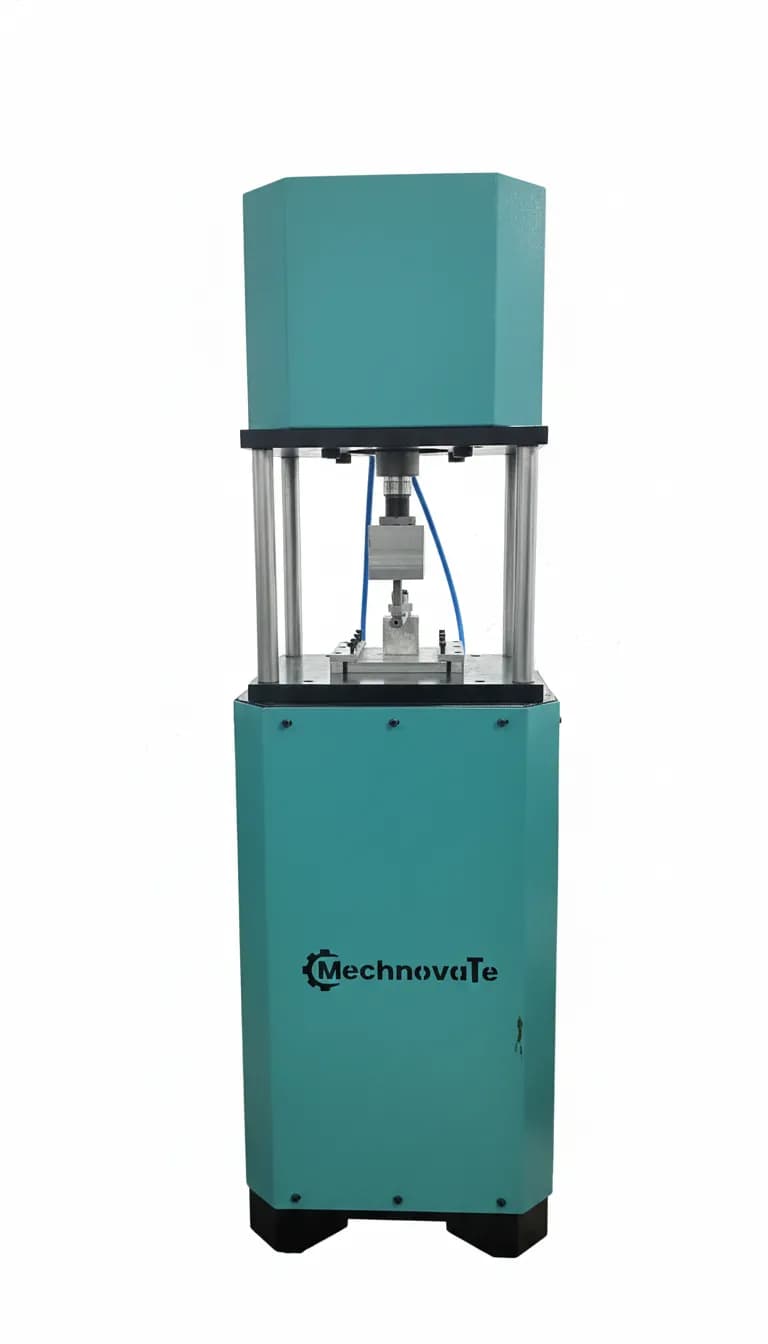
- Crimping Station (₹2.5L - ₹4.5L): For high-strength joints, an Aluminium Corner Crimping Machine provides the hydraulic force (up to 80kN) required to fuse mitred corners that will never leak, even during Thane’s heavy monsoons.
- Processing Station (₹1.5L - ₹3.5L): A high speed copy router for aluminium windows or a heavy duty aluminium profile end milling machine ensures that lock-sets and drainage slots are machined with zero burr.
The Technical Engineering Behind High-Rise Precision Engineering
When we consult on a factory floor, we emphasize that precision engineering is not a marketing term; it is a measurable metric of RPM, bar pressure, and feed rates. For aluminium fabrication at scale, your cutting machine automatic feed must be synchronized with a micro-mist cooling system. Without this, the friction at 2800 RPM causes the aluminium to soften, leading to a 'sticky' cut that ruins the finish and dulls the blade.
Following ISO standards and BS EN 12020, we recommend a minimum air pressure of 6-8 bar for all pneumatic clamping systems. This ensures that the aluminium profile doesn't shift during the cut. Many fabricators make the mistake of using an aluminium cutting machine 12 inch for 100mm+ architectural profiles; however, the blade arc is insufficient. A 16-inch or 20-inch blade provides the necessary clearance to cut the entire profile in a single pass, which is essential for maintaining a perfect 45-degree miter for high-performance thermal break windows.
Case Study: 40% Increase in Output for a Thane-Based High-Rise Project
Last year, we assisted a Thane-based fabricator who was struggling with a 12% scrap rate using a manual single cutting aluminium cutter machine. They were producing roughly 15 frames per day. We implemented a 3-machine cell consisting of an automatic double head cutting saw for aluminium profiles and a CNC Copy Router.
The Transformation Metrics:
- Before: 15 frames/day, 12% material waste, 4 operators per shift.
- After: 42 frames/day, 2.5% material waste, 2 operators per shift.
- Timeline: Full installation and operator training took 9 business days.
- Result: The reduced waste saved approximately ₹85,000 per month in aluminium profile costs alone, paying for the machinery in less than 14 months.
This case highlights why looking for the best uPVC window making machine for small business or the most advanced aluminium line is not just about the sticker price, but the total cost of ownership. The reduction in manual punching machine errors and the elimination of hand-filing burrs significantly improved their reputation with local developers.
Critical Mistakes in Aluminium Fabrication: What to Watch Out For
In our decade-plus of hands-on workshop audits, we see the same three errors repeatedly. Avoid these to ensure your industrial aluminum door manufacturing equipment remains profitable:
- Inadequate Power Stabilization: Many units in Maharashtra experience voltage fluctuations. Always install a dedicated stabilizer for your CNC uPVC window corner cleaning machine price India or aluminium CNC, as sensitive logic boards are the first to fail.
- Blade Misalignment: Even the best degree cutting machine will lose its 45-degree calibration over time. We suggest a weekly calibration check using a digital protractor. A deviation of just 0.2 degrees results in a visible gap at the corner that no amount of sealant can fix.
- Neglecting Maintenance: The uPVC window welding machine maintenance guide principles apply to aluminium too. Clean the swarf (aluminium chips) from the guide rails daily. If swarf enters the pneumatic cylinders, it scores the internal seals, leading to pressure loss and inconsistent clamping.
ROI and Cost Analysis: Setting up an Automatic uPVC Window Manufacturing Plant cost India
For those considering a hybrid facility, the cost of setting up uPVC window manufacturing unit in India is comparable but involves different core machines like the double head seamless welding machine for uPVC windows. An automatic upvc window plant cost India typically starts around ₹12 Lakhs for a basic 3-machine setup.
When calculating ROI, consider these factors:
- Labor Savings: Replacing three manual aluminium cutter units with one automatic double head system reduces your headcount by 50% while increasing output.
- Material Optimization: Modern software integrated with a CNC aluminium profile cutting machine suppliers India provides can nest cuts to minimize 'off-cuts,' saving up to 5% of your raw material bill.
- Market Premium: High-rise developers in Thane pay a 15-20% premium for windows that carry ISO 9001 certification and pass rigorous air-tightness tests. Automated machinery is the only way to achieve these standards consistently.
FAQ: Essential Questions for Window Fabricators
Q1: Can I use an aluminium cutting machine for uPVC profiles? Yes, most high-quality aluminium cutters can cut uPVC, but you must change the blade. Aluminium blades have a different tooth geometry (typically TCG - Triple Chip Grind) and higher tooth count than those required for the hollow chambers of uPVC windows.
Q2: What is the average lifespan of a head cutter machine in a high-volume shop? With proper lubrication and rail cleaning, a Mechnovate-standard machine has a structural lifespan of 15+ years. Consumables like blades require sharpening every 2,000–3,000 cuts depending on the profile thickness and cooling efficiency.
Q3: Is a manual punching machine still relevant for a modern shop? While we advocate for a CNC aluminium profile punching machine for speed, a manual punching machine is an excellent backup for small-batch drainage slots or handle holes that don't justify setting up a CNC program. However, for 100+ units per day, it becomes a bottleneck.
Q4: What are the industrial profile cutting safety standards ISO standards for these machines? All automatic machines must feature two-hand safety controls (requiring the operator to press two buttons simultaneously to initiate the cut) and emergency stop mushroom buttons. We also insist on pneumatic safety valves that hold the profile in place even if the main air supply fails unexpectedly.
Get more articles like this
Follow Mechnovate on Google to see our guides in Google Discover & News