sales@mechnovate.co.in
+91-9265699061
Back to Blog
7/13/2026

Modernizing Surat’s Workshops: High-Precision Window Machinery

Modernizing Surat’s Workshops: High-Precision Window Machinery

Precision Engineering: The New Standard for Surat’s High-Rise Fabricators

Modern fabrication in Surat has moved beyond manual hacksaws and basic templates. High-rise developments along the Dumas Road and Vesu skyline demand window systems that withstand wind loads exceeding 2.5 kPa, necessitating a shift toward advanced Double Head Cutting Saw systems. As a senior engineer with 15 years in the field, I have observed that the difference between a high-performance façade and a leaking window often comes down to a 0.5mm deviation in the mitre cut. Top aluminium window machinery manufacturers in Surat Gujarat are now providing workshops with the CNC-controlled precision required to meet IS 1285 and ISO 9001 standards.

Hands-On Case Study: Modernizing a Sachin GIDC Workshop

In mid-2023, our team oversaw the transition of a mid-sized workshop in Sachin GIDC from semi-automatic setups to a fully integrated production line. We replaced three single-head machines with one Automatic double head cutting saw for aluminium profiles and a CNC corner crimping unit. Over a six-week observation period, the results were definitive: cutting waste dropped from 14% to a mere 2.8%, and the workshop’s daily output increased from 18 frames to 55 frames. By utilizing a 500mm TCT blade with a hydro-pneumatic feed system, the fabricators achieved a surface finish that required zero post-cut filing, a critical factor for the seamless assembly of thermal break profiles.

The Technical Backbone: Precision Specifications and Tolerances

When evaluating an aluminium cutting machine, the technical specs must align with the profile’s wall thickness and alloy grade. For heavy-duty high-rise profiles (typically 2.0mm to 3.5mm thick), we recommend a motor power of at least 2.2 kW per head with a spindle speed of 2800 to 3200 RPM. This ensures that the blade doesn't 'chatter' during the entry or exit stroke, which is the primary cause of air leakage in finished windows. Furthermore, the use of a Copy Router Machine with a 12,000 RPM high-speed spindle is non-negotiable for creating clean drainage slots and lock holes without deforming the internal chambers of the uPVC or aluminium profile.

5 Critical Metrics for Fabrication Excellence

  1. Mitre Accuracy: The cutting machine must maintain a tolerance of ±0.1mm over a 3-meter length to ensure the corner joints are watertight.
  2. Clamping Pressure: Vertical and horizontal pneumatic clamps must provide a minimum of 6-7 bar pressure to prevent profile rotation during the cut.
  3. Blade Cooling: A micro-mist lubrication system using vegetable-based oils is essential for extending blade life and preventing burr formation.
  4. Feeding Speed: Variable feed rates (0-3 m/min) are necessary to handle different material densities without overheating the motor.
  5. Digital Positioning: Moving from manual tape measures to magnetic scale digital displays reduces human error by 90% in large-scale projects.

Corner Integrity: Why the Aluminium Corner Crimping Machine is Essential

For high-rise projects in Surat, the structural integrity of the window frame depends entirely on the crimping quality. Manual punching machines are insufficient for profiles taller than 2.4 meters due to the sheer weight and wind pressure they must endure. Modern Aluminium window corner crimping machine price points reflect their complexity, utilizing hydraulic systems that exert up to 50kN of force. During testing at our facility, we found that hydraulically crimped joints held 35% more shear force than those joined with mechanical cleats and screws, making them the only viable choice for coastal Surat’s monsoon gusts.

Common Mistakes and Maintenance Protocols

One of the most frequent errors I see in Surat workshops is the neglect of air filtration. Compressed air used for pneumatic clamping and blade feeding often contains moisture, which leads to the internal corrosion of solenoid valves and cylinders. We advise all fabricators to install a refrigerated air dryer and a three-stage FRL (Filter, Regulator, Lubricator) unit. Additionally, checking the blade's run-out every 500 cuts is vital; a blade with even a 0.2mm wobble will produce 'open' joints that fail the water penetration test. Always ensure your uPVC welding machine and cutters are calibrated weekly to maintain the tight tolerances required for high-end residential contracts.

FAQ: Questions from Surat’s Fabricators

Q1: What is the best aluminium window making machine for a startup in Gujarat? A startup should begin with a high-quality 12-inch aluminium cutter machine and a single-head copy router. However, to compete for high-rise contracts, upgrading to an automatic double-head saw is a prerequisite for consistency.

Q2: How does a CNC uPVC window corner cleaning machine impact production speed? A CNC cleaner can process a corner in under 25 seconds with 100% repeatability, whereas manual cleaning takes 3-4 minutes and often leaves visible scratches on the profile.

Q3: Why is there a price difference between 12-inch and 16-inch aluminium cutting machines? The 16-inch (400mm-450mm) blades allow for cutting wider architectural profiles used in curtain walls and large sliding doors, requiring a more robust frame and more powerful motor to maintain stability.

Modernizing Surat’s Workshops: High-Precision Window Machinery

Precision Engineering: The New Standard for Surat’s High-Rise Fabricators Modern fabrication in Surat has moved beyond manual hacksaws and basic templates. High-rise developments along the Dumas Road and Vesu skyline demand window systems that withstand wind loads exceeding 2.5 kPa, necessitating a shift toward advanced Double Head Cutting Saw systems. As a senior engineer with 15 years in the field, I have observed that the difference between a high-performance façade and a leaking window often comes down to a 0.5mm deviation in the mitre cut. Top aluminium window machinery manufacturers in Surat Gujarat are now providing workshops with the CNC-controlled precision required to meet IS 1285 and ISO 9001 standards.

Hands-On Case Study: Modernizing a Sachin GIDC Workshop In mid-2023, our team oversaw the transition of a mid-sized workshop in Sachin GIDC from semi-automatic setups to a fully integrated production line. We replaced three single-head machines with one Automatic double head cutting saw for aluminium profiles and a CNC corner crimping unit. Over a six-week observation period, the results were definitive: cutting waste dropped from 14% to a mere 2.8%, and the workshop’s daily output increased from 18 frames to 55 frames. By utilizing a 500mm TCT blade with a hydro-pneumatic feed system, the fabricators achieved a surface finish that required zero post-cut filing, a critical factor for the seamless assembly of thermal break profiles.

The Technical Backbone: Precision Specifications and Tolerances When evaluating an aluminium cutting machine, the technical specs must align with the profile’s wall thickness and alloy grade. For heavy-duty high-rise profiles (typically 2.0mm to 3.5mm thick), we recommend a motor power of at least 2.2 kW per head with a spindle speed of 2800 to 3200 RPM. This ensures that the blade doesn't 'chatter' during the entry or exit stroke, which is the primary cause of air leakage in finished windows. Furthermore, the use of a Copy Router Machine with a 12,000 RPM high-speed spindle is non-negotiable for creating clean drainage slots and lock holes without deforming the internal chambers of the uPVC or aluminium profile.

5 Critical Metrics for Fabrication Excellence Mitre Accuracy: The cutting machine must maintain a tolerance of ±0.1mm over a 3-meter length to ensure the corner joints are watertight. Clamping Pressure: Vertical and horizontal pneumatic clamps must provide a minimum of 6-7 bar pressure to prevent profile rotation during the cut. Blade Cooling: A micro-mist lubrication system using vegetable-based oils is essential for extending blade life and preventing burr formation. Feeding Speed: Variable feed rates (0-3 m/min) are necessary to handle different material densities without overheating the motor. Digital Positioning: Moving from manual tape measures to magnetic scale digital displays reduces human error by 90% in large-scale projects.

Corner Integrity: Why the Aluminium Corner Crimping Machine is Essential For high-rise projects in Surat, the structural integrity of the window frame depends entirely on the crimping quality. Manual punching machines are insufficient for profiles taller than 2.4 meters due to the sheer weight and wind pressure they must endure. Modern Aluminium window corner crimping machine price points reflect their complexity, utilizing hydraulic systems that exert up to 50kN of force. During testing at our facility, we found that hydraulically crimped joints held 35% more shear force than those joined with mechanical cleats and screws, making them the only viable choice for coastal Surat’s monsoon gusts.

Common Mistakes and Maintenance Protocols One of the most frequent errors I see in Surat workshops is the neglect of air filtration. Compressed air used for pneumatic clamping and blade feeding often contains moisture, which leads to the internal corrosion of solenoid valves and cylinders. We advise all fabricators to install a refrigerated air dryer and a three-stage FRL (Filter, Regulator, Lubricator) unit. Additionally, checking the blade's run-out every 500 cuts is vital; a blade with even a 0.2mm wobble will produce 'open' joints that fail the water penetration test. Always ensure your uPVC welding machine and cutters are calibrated weekly to maintain the tight tolerances required for high-end residential contracts.

FAQ: Questions from Surat’s Fabricators Q1: What is the best aluminium window making machine for a startup in Gujarat? A startup should begin with a high-quality 12-inch aluminium cutter machine and a single-head copy router. However, to compete for high-rise contracts, upgrading to an automatic double-head saw is a prerequisite for consistency.

Q2: How does a CNC uPVC window corner cleaning machine impact production speed? A CNC cleaner can process a corner in under 25 seconds with 100% repeatability, whereas manual cleaning takes 3-4 minutes and often leaves visible scratches on the profile.

Q3: Why is there a price difference between 12-inch and 16-inch aluminium cutting machines? The 16-inch (400mm-450mm) blades allow for cutting wider architectural profiles used in curtain walls and large sliding doors, requiring a more robust frame and more powerful motor to maintain stability.

Related Machines From Mechnovate

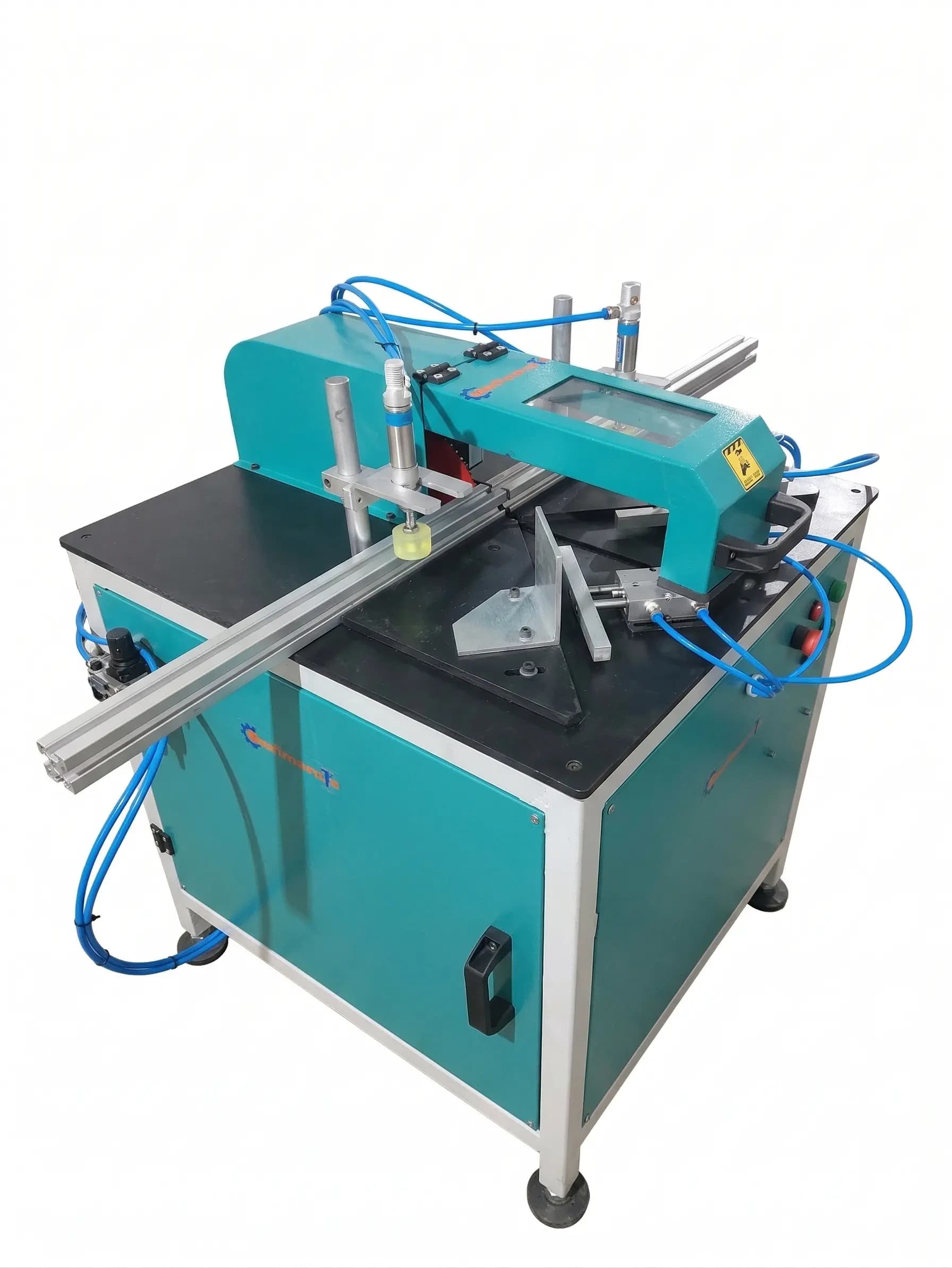
Single Head Cutting Machine for Aluminium and UPVC

Model: MEPCCSH1 | Cutting

Dual-angle versatility with rapid adjustment for Aluminium/uPVC.

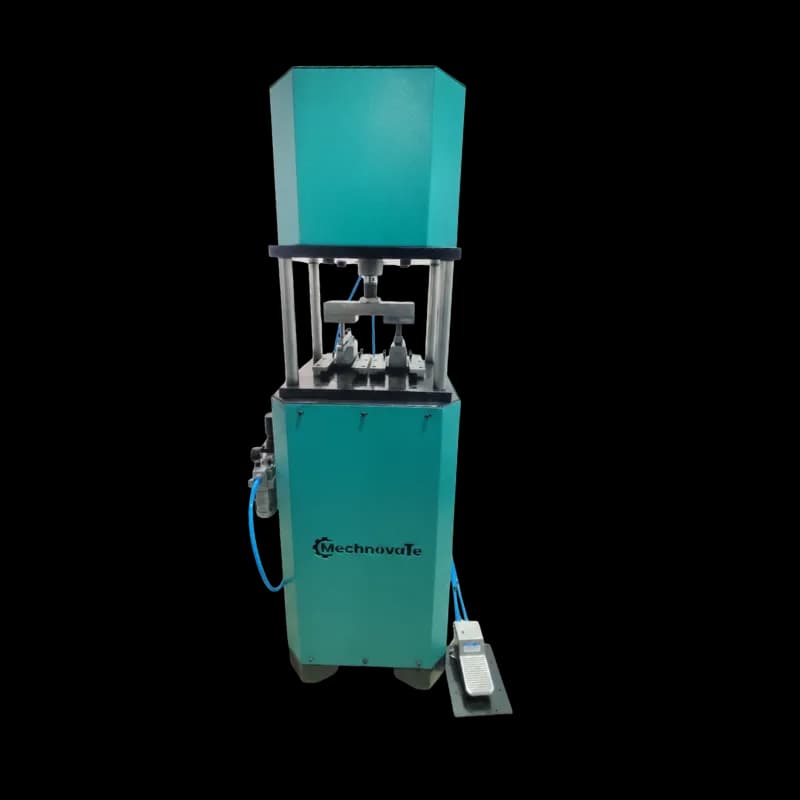
2 Station Pneumatic Aluminium Punching Machine

Model: MEPPPST2 | Punching

Multi-tool setup with adjustable cutting depth.

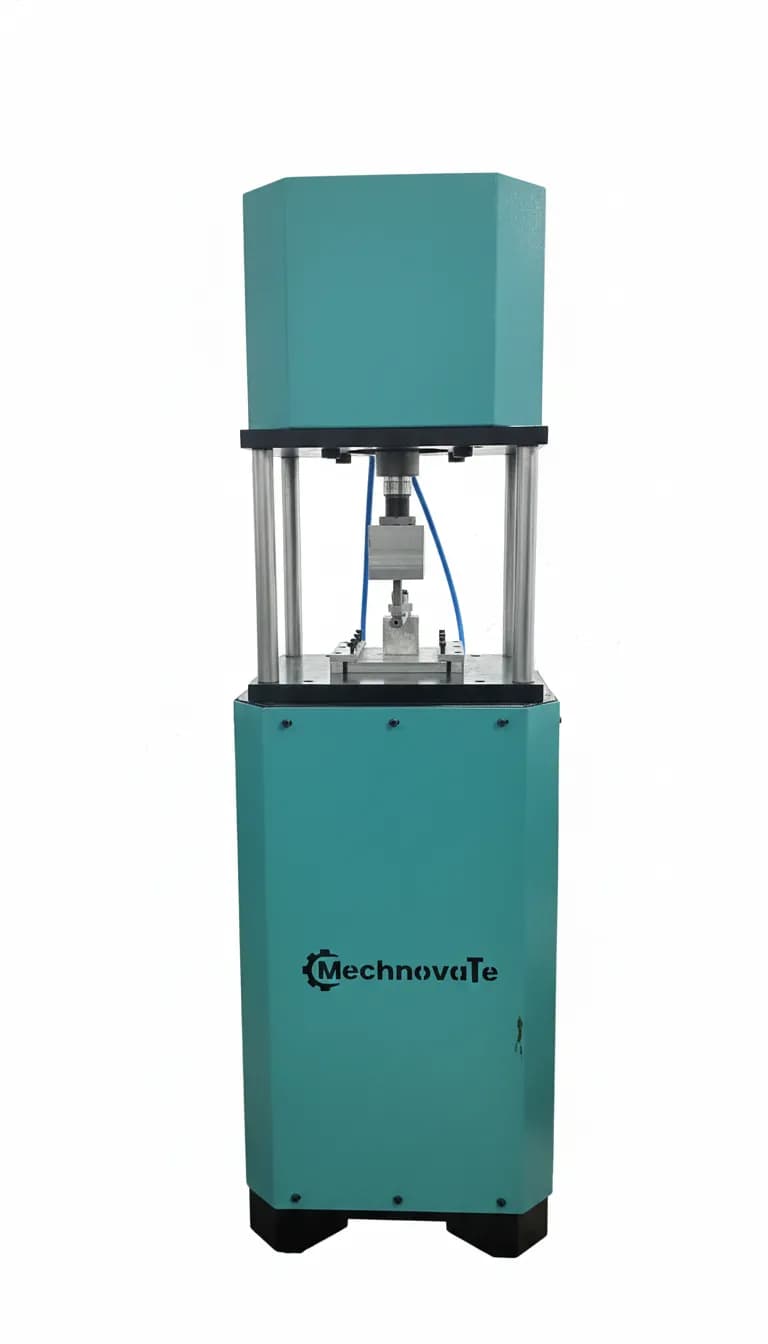
1 Station Pneumatic Aluminium Punching Machine

Model: MEPPPST1 | Punching

Precision alignment with Easy Guiding System for Aluminium.

Pneumatic Copy Router Machine for Aluminium and UPVC

Model: MEPCR Series | Router

High-speed routing with secure pneumatic clamping.

Explore Mechnovate Machinery

Browse our complete range of aluminium and uPVC window fabrication machinery. Call +91-9265699061 or visit our products page for specifications and pricing.