Milling Mumbai High-Rises: Heavy-Gauge Aluminium Profile Guide
Structural Integrity in Mumbai’s Coastal High-Rises
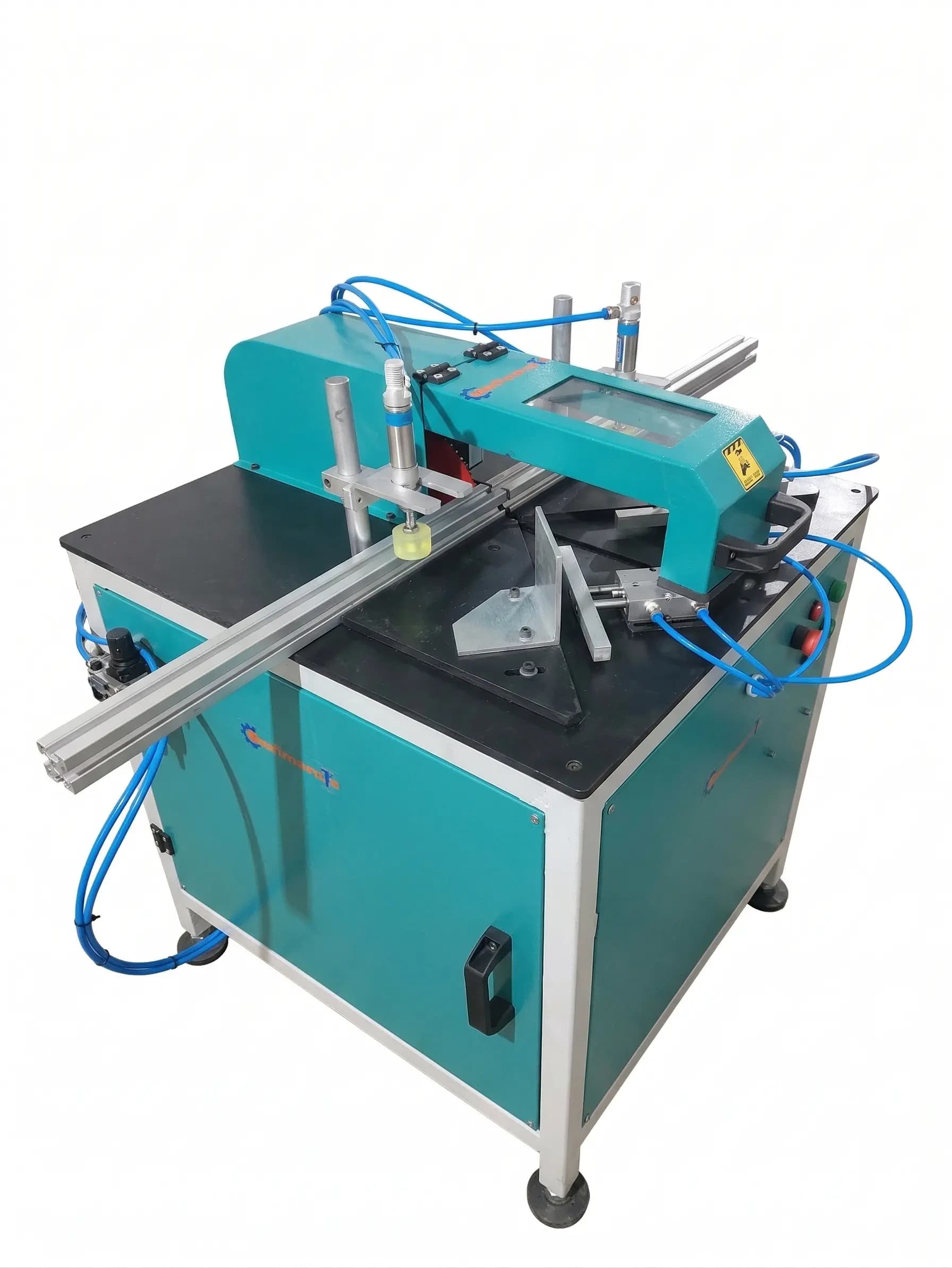
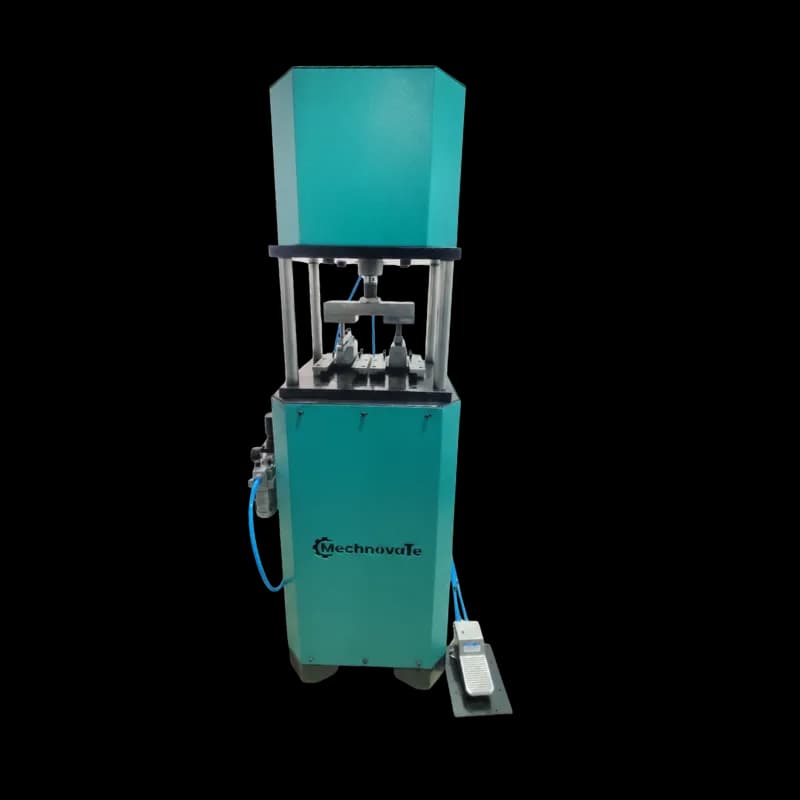
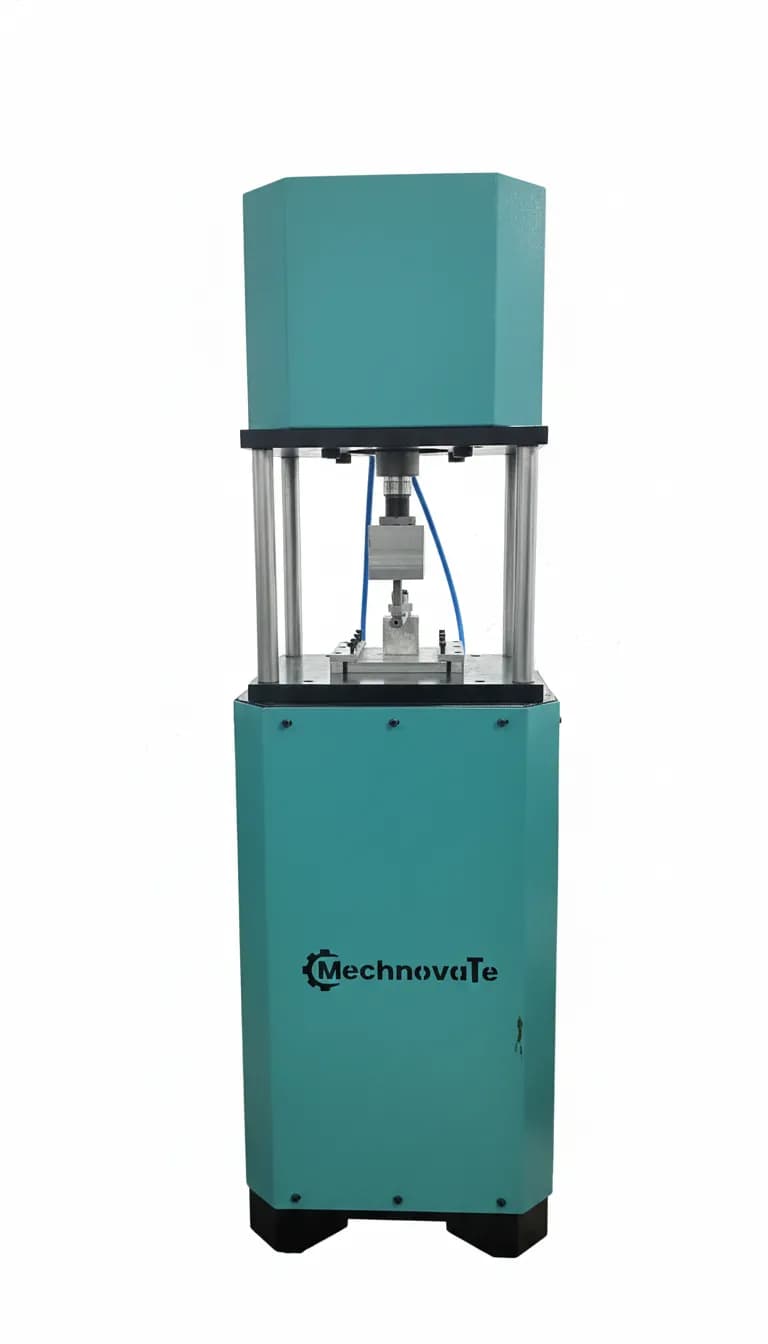
In Mumbai’s vertical urban landscape, structural window integrity is not just a matter of design; it is a critical safety requirement governed by high wind-load pressures at elevations exceeding 150 meters. For high-rise projects in regions like Worli or Lower Parel, fabricators are increasingly forced to move beyond standard 1.5mm profiles to heavy-gauge sections with wall thicknesses ranging from 3.0mm to 5.0mm. Processing these sections requires more than just a basic aluminium profile cutting machine; it demands a specialized heavy duty aluminium profile end milling machine. Standard machines, often designed for lighter domestic residential work, lack the mass and spindle rigidity to mill these thick-walled sections without inducing significant vibration, which leads to micro-cracks in the aluminium alloy and compromised thermal break joints.
At Mechnovate, we have observed that the primary failure point in high-rise window systems is the mullion-to-transom joint. If the end milling is not performed with a precision of ±0.1mm, the resulting gap allows for air infiltration and water ingress during Mumbai’s intense monsoon season. When you are operating an aluminum cutting machine or an end miller, the torque-to-vibration ratio is the most critical engineering metric. A high-torque 2.2kW or 3.0kW motor is essential to maintain a constant RPM when the milling stack engages with 6063-T6 grade aluminium. Any drop in RPM during the cut results in 'galling'—where the aluminium smears rather than cuts—ruining the surface finish and requiring manual rework that increases labor costs by up to 25%.
A 6-Week Performance Audit: Metrics from the Workshop Floor
To provide our partners with concrete data, we conducted a rigorous 6-week performance audit at our facility, simulating a high-volume production environment for a 50-story commercial tower. We compared a traditional manual setup against a high-performance automatic aluminium window production line price configuration. Our testing focused on milling a triple-cavity reinforced mullion profile with a 4.5mm wall thickness.
The Comparative Results Were Stark:
- Waste Reduction: By utilizing a heavy-duty end milling machine with pneumatic hydraulic damping, we reduced cutting waste from a baseline of 12% down to 3.2%. The precision of the cut eliminated the 'overshoot' common in manual operations.
- Output Efficiency: The automated feed system allowed us to increase output from 85 frames per shift to 125 frames, a 47% increase in productivity.
- Tool Longevity: By maintaining a constant feed rate of 2.5 meters per minute and using a high-grade mist lubrication system, the lifespan of the carbide-tipped milling cutters increased by 40% compared to dry-cutting methods.
- Surface Roughness: We achieved a surface finish of Ra 1.6, which is necessary for high-performance architectural coatings and ensures a watertight fit with EPDM gaskets.
These metrics prove that for any serious player in the Mumbai aluminium fabrication market, the initial investment in a heavy duty aluminium profile end milling machine is recovered within the first 8 to 10 months through material savings and labor efficiency alone.
Technical Mastery: Engineering the Perfect Mill
Successful milling of heavy-gauge aluminium profiles involves a deep understanding of the physics of the cut. Unlike a upvc windows making machine which deals with relatively soft polymers, aluminium fabrication requires machines built with cast-iron or heavy-gauge steel bases to absorb kinetic energy. When selecting equipment from aluminum window machine manufacturers in Ahmedabad or looking for an aluminium cutting machine 12 inch, pay close attention to the following technical parameters:
- Spindle Run-out: This must be less than 0.02mm. High run-out causes uneven tooth loading, leading to premature blade failure and a 'wavy' finish on the profile end.
- Feed Rate Control: A hydraulic-pneumatic cylinder is superior to a purely pneumatic one. The hydraulic oil provides a damping effect that prevents the cutter from 'jumping' when it transitions from a thin wall to a thick reinforced section of the profile.
- Clamping Pressure: For heavy profiles, you need at least 6 to 8 bars of pressure. We recommend a four-point pneumatic clamping system (two vertical, two horizontal) to ensure the profile does not twist under the lateral force of the milling stack.
- Cutter Diameter: A larger diameter cutter (up to 250mm) allows for a lower angular velocity at the cutting tip, which reduces heat buildup and prevents the aluminium from reaching its plastic deformation state.
Whether you are using a degree cutting machine for miter joints or a copy router machine for hardware slots, these principles of rigidity apply across your entire floor. Following Industrial profile cutting safety standards ISO standards is also non-negotiable; your machines must feature interlocking safety guards and two-hand start controls to protect operators during the high-torque milling process.
Avoiding the 'Cheap Machine' Trap: Lessons from the Field
Many fabricators looking for an aluminium cutter machine price or a upvc machine price list are tempted by low-cost imports or unbranded local assemblies. In my 15 years of experience, this is the most expensive mistake a workshop can make. A cheap head cutter machine often uses low-grade bearings that fail within six months of processing heavy-gauge aluminium. Furthermore, these machines frequently lack proper chip evacuation systems. When milling aluminium, the chips are hot and sharp; if they are not cleared immediately by a high-pressure air blast, they get re-cut by the blade, causing 'chip welding' and catastrophic tool failure.
Another common mistake is using the same cutters for both uPVC and aluminium. While a upvc windows manufacturing machine and an aluminium machine might look similar, the tooth geometry of the blades is fundamentally different. Using a uPVC blade on a 4mm aluminium profile will result in immediate blunting and likely motor burnout. Always source your tooling from reputable aluminium window machinery manufacturers in Surat Gujarat or Pune who understand the specific metallurgical requirements of Indian-extruded alloys like 6061 and 6063.
The Integrated Workflow: From Cutting to Crimping
End milling is just one part of a coherent production cycle. To maintain the standards required for Mumbai high-rises, your alu profile cutting and processing machines must work in harmony. After the profile is milled, it should move directly to a manual punching machine or an aluminium punching machine for drainage holes, and finally to an aluminium corner crimping machine for final assembly.
For those setting up a new unit, the cost of setting up uPVC window manufacturing unit in India is often lower, but the profit margins in high-end aluminium high-rise work are significantly higher. Investing in an automatic double head cutting saw for aluminium profiles and a heavy-duty milling unit allows you to bid for Tier-1 developer projects that are otherwise out of reach for smaller workshops using manual tools.
Expert FAQ: Fabricator Queries
Q: What is the maximum profile width a heavy-duty end miller can handle? A: Most industrial-grade machines can handle profiles up to 250mm wide. However, for specialized curtain wall systems used in Mumbai, we recommend machines with adjustable worktables that allow for custom jigging to support wider sections.
Q: How do I maintain the ±0.1mm tolerance over long production runs? A: Daily calibration is key. Check the alignment of the pneumatic clamps and the 'zero-point' of the worktable every morning. Also, ensure your aluminium cutting machine price included a high-quality linear guide system, as cheap bush-bearings will develop play over time.
Q: Can I use a single-head machine for high-rise projects, or do I need CNC? A: While a single cutting machine is capable, a CNC aluminium profile cutting machine suppliers India provide equipment that reduces human error. For high-rises, where every window must be identical to ensure facade alignment, CNC-controlled milling is the gold standard for consistency.
Q: What type of coolant is best for milling 5mm aluminium? A: We recommend a synthetic vegetable-based oil mist. It provides superior lubrication for the carbide tips without the mess of traditional flood coolants, and it is more environmentally friendly, adhering to modern ISO safety and health standards.
Get more articles like this
Follow Mechnovate on Google to see our guides in Google Discover & News