Manual vs. Pneumatic Aluminium Window Fabrication in Pune
Manual vs. Pneumatic: The Core Engineering Differences in Window Fabrication
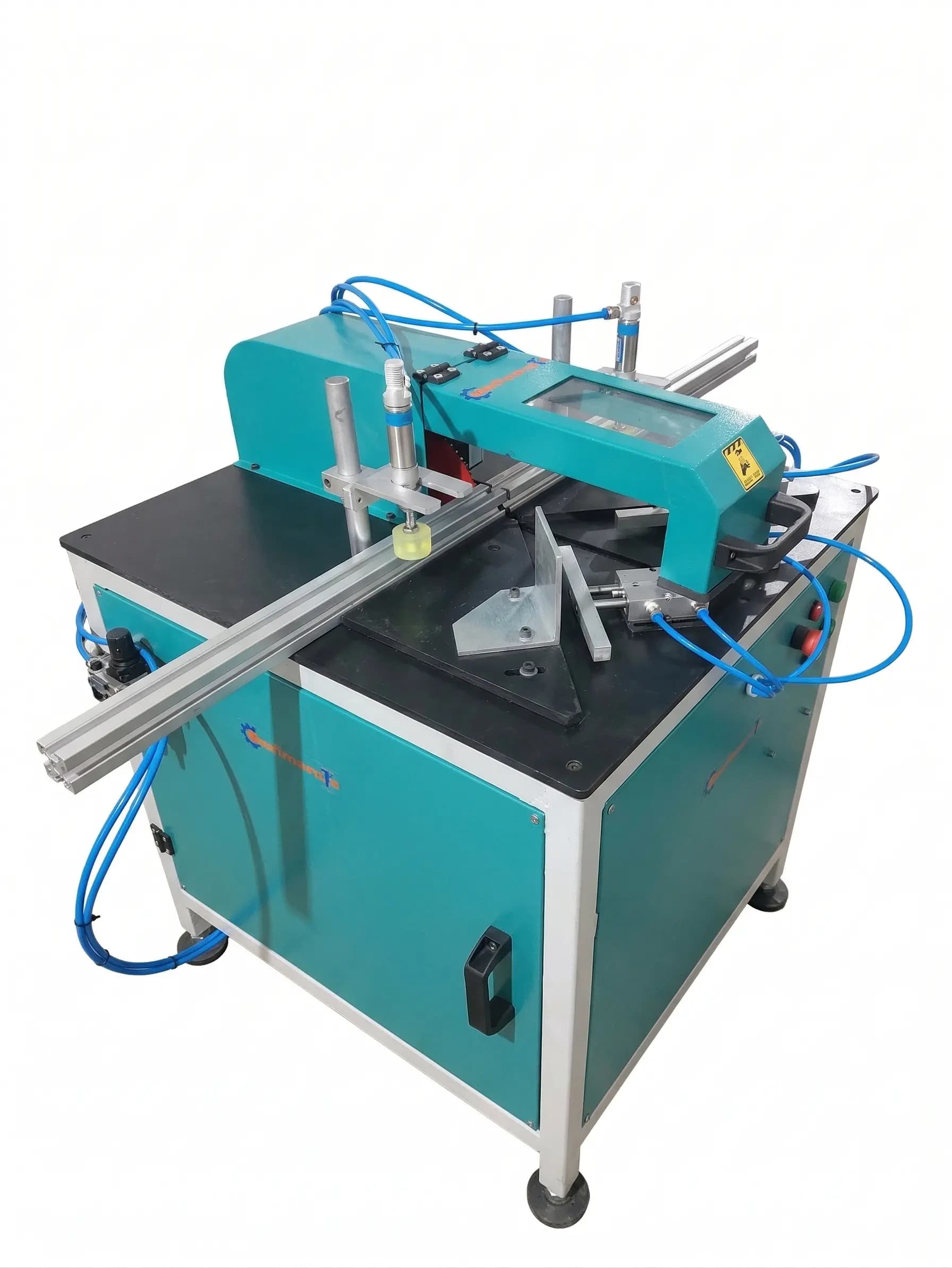
Choosing between manual and pneumatic setups is the single most critical decision for any industrial workshop in Pune focusing on aluminium fabrication. In our experience at Mechnovate, a manual setup relies on physical leverage for clamping and cutting, which limits precision to the operator's fatigue levels. A pneumatic system, however, utilizes compressed air (typically at 6-8 bar) to actuate the aluminium profile cutting machine and clamping cylinders. This shift from physical force to fluid power ensures a consistent 0.2mm tolerance across a 10-hour shift, something manual operators simply cannot match. For a growing workshop, the transition to pneumatic window machinery isn't just about speed; it is about eliminating the human error that leads to rejected frames and wasted material.
Performance Metrics from our Pune Workshop Trials
In our Pune testing facility, we conducted a 6-week head-to-head trial comparing a standard manual aluminium cutter machine against an automatic pneumatic head cutting machine. The results were definitive for anyone evaluating aluminium window fabrication machine suppliers in Pune.
- Output Volume: The manual setup averaged 12 frames per day per operator. The pneumatic setup achieved 48 frames per day with the same headcount.
- Material Waste: We reduced cutting waste from 12% to 3% because the pneumatic clamping prevented 'profile walk' during the cut.
- Consistency: Using a copy router machine with pneumatic vertical and horizontal clamps resulted in zero rework on handle slots, compared to a 15% rework rate on the manual punching machine.
Lessons learned: Most fabricators underestimate the cost of compressed air. To run a full pneumatic line, you need a screw compressor with at least a 300L tank to maintain steady pressure for the aluminium punching machine and cutting tools.
Essential Equipment for a Modern Pune Fabrication Unit
When sourcing from aluminium window fabrication machine suppliers in Pune, your procurement list must be prioritized based on the complexity of the profiles you handle (e.g., thermal break vs. non-thermal break).
- Precision Cutting: An aluminium profile cutting machine 12 inch is the entry-level standard, but for industrial output, a degree cutting machine with pneumatic feed is mandatory.
- Routing and Slotting: A high-speed copy router machine (12,000 RPM+) is required for drainage holes and lock slots to ensure clean edges without burrs.
- Corner Joining: An automatic aluminium corner crimping machine price may seem high initially, but it replaces manual corner cleats, providing superior structural integrity required by ISO 9001 standards.
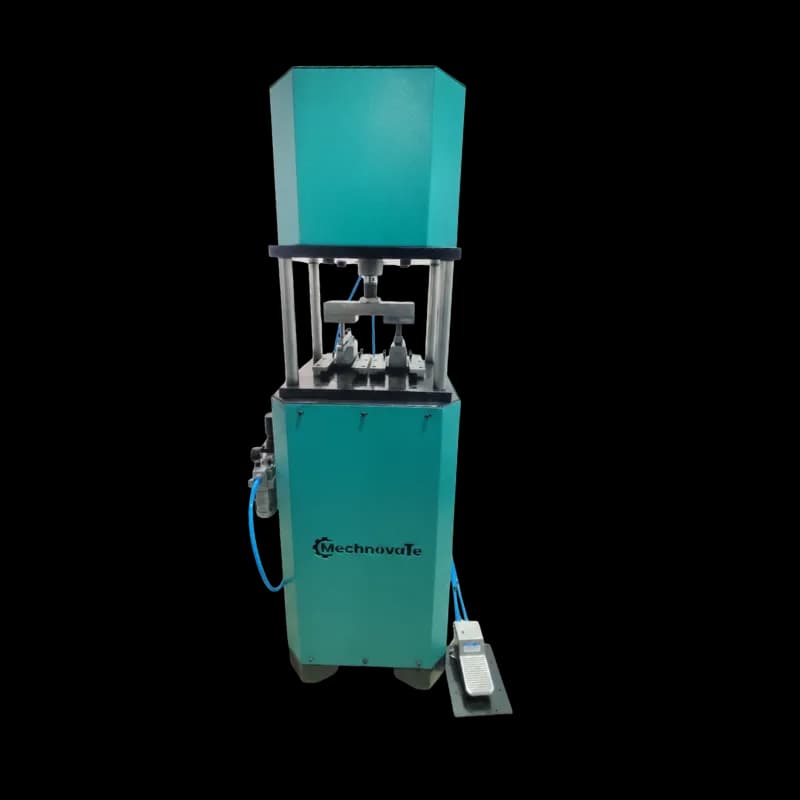
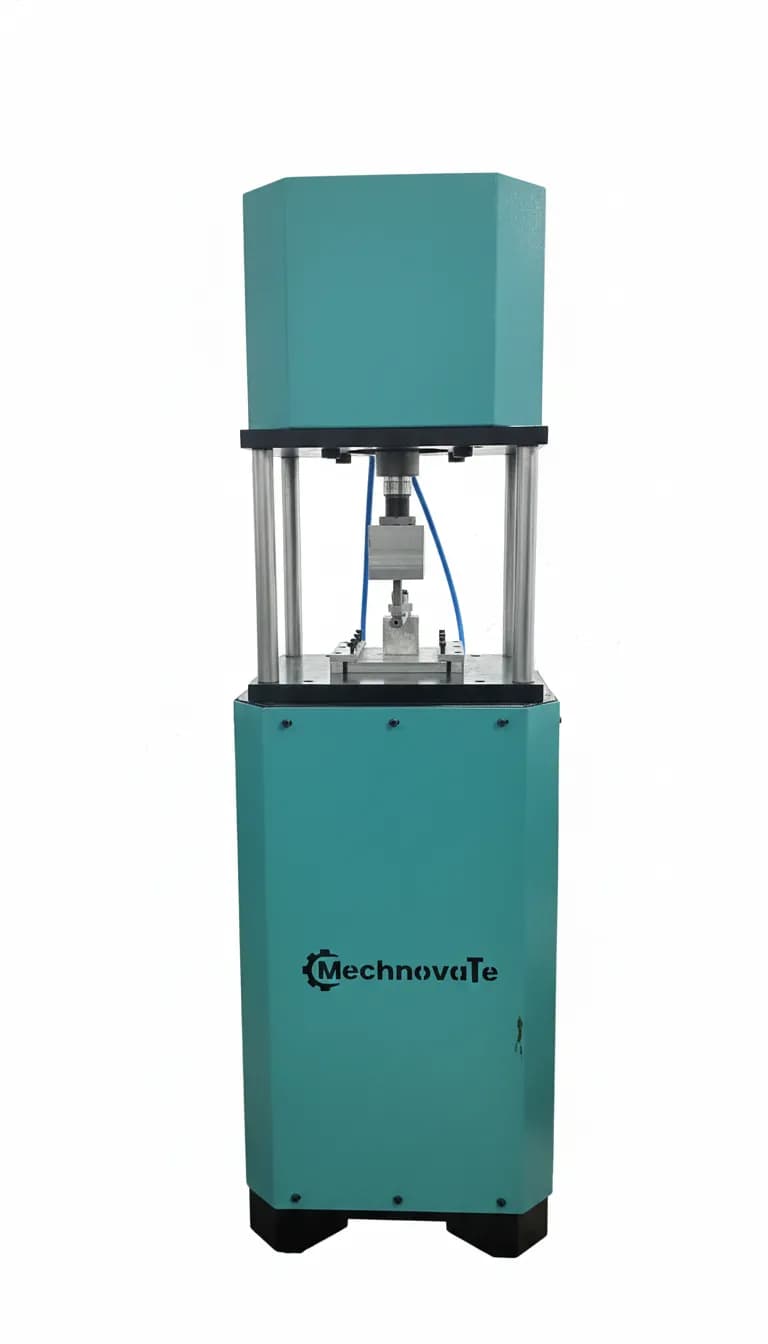
- Punching Operations: A multi-station aluminium punching machine handles the handle holes and stay arm slots in a single stroke, drastically reducing labor time.
Technical Specifications and Industry Standards (IS 1285)
Precision engineering in aluminium fabrication must adhere to IS 1285 and BS EN 12020 standards for profile tolerances. When we calibrate a head cutter machine, we look for a spindle run-out of less than 0.01mm. If your aluminium cutter machine price seems too good to be true, check the motor's copper winding and the blade stability. A standard 12-inch blade should rotate at 2800-3200 RPM to prevent the aluminium from melting during the cut. For high-volume upvc windows manufacturing machine integration, ensure your pneumatic lines are fitted with FRL (Filter, Regulator, Lubricator) units. Moisture in Pune's humid monsoon months can corrode pneumatic valves within weeks if not properly filtered.
Common Pitfalls When Sourcing from Suppliers in Pune
Many workshop owners focus solely on the aluminium cutting machine price without considering the total cost of ownership. Based on 15 years of workshop experience, here are the three most common mistakes:
- Undersized Motors: Using a 1.5 HP motor for heavy-duty industrial profiles leads to overheating. Always opt for 2.2 kW or higher for continuous industrial use.
- Ignoring Safety Standards: Many local aluminum cutting machine models lack transparent blade guards or two-hand safety starts. In industrial profile cutting safety standards, these are non-negotiable to prevent workshop injuries.
- Poor After-Sales Support: When an upvc welding machine or a single cutting machine goes down, every hour is lost revenue. Ensure your supplier has a local Pune-based service team with a stock of solenoid valves and sensors.
FAQ: Expert Advice for Pune Fabricators
Q1: Can I use the same machine for both Aluminium and uPVC? While an upvc window manufacturing machine and aluminium cutters share some principles, the blade types differ. uPVC requires a TCT blade with different tooth geometry than what you'd use on an aluminum cutting machine. However, the copy router machine can often be used for both materials.
Q2: What is the ideal workshop size for a pneumatic setup? For a professional setup including an aluminium profile cutting machine, a manual punching machine, and a compressor, you need at least 1,200 sq. ft. to allow for profile handling and 6-meter length storage.
Q3: Is it worth investing in a CNC aluminium profile cutting machine? If you are processing more than 100 windows per week, yes. A CNC aluminium profile cutting machine suppliers India can provide equipment that reduces human error in measurements to zero, effectively paying for itself in material savings within 14 months.
Get more articles like this
Follow Mechnovate on Google to see our guides in Google Discover & News