Manual vs Automatic: Best Aluminium Window Machinery Suppliers in Chennai
Deciding between manual and automatic setups is the single most critical investment decision for a growing workshop. In Chennai’s competitive fabrication market, the threshold for moving from a single-head manual setup to an automatic production line is typically 15 to 20 window frames per 8-hour shift. If your current throughput consistently hits this volume, manual bottlenecks like re-measuring errors and blade deflection will begin to erode your profit margins. As engineers at Mechnovate, we have seen that the shift to automation isn't just about speed; it is about achieving the 0.1mm tolerance required for premium thermal-break profiles.
Deciding Between Manual and Automatic Aluminium Window Machinery
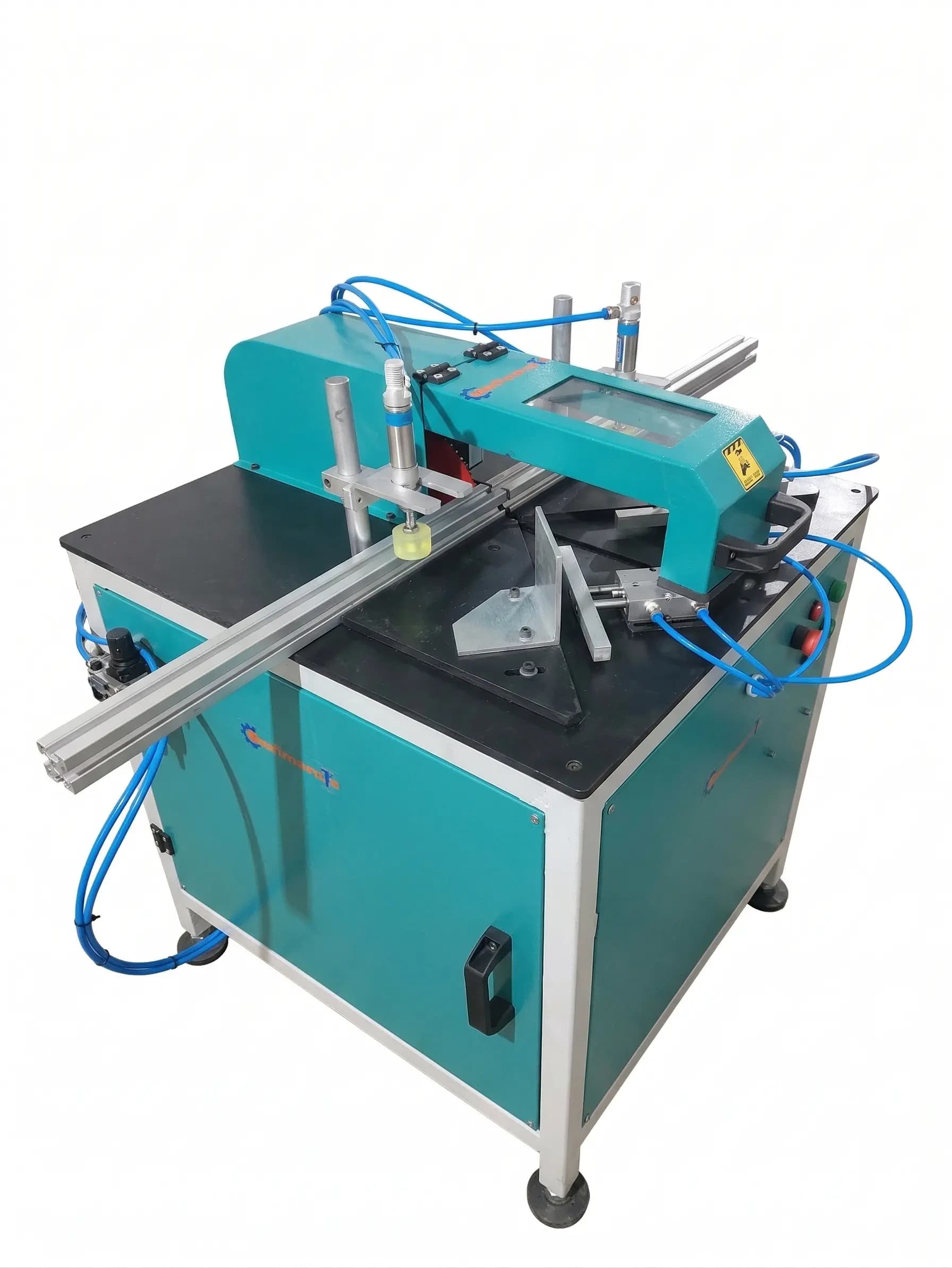
Manual machines, such as a standard 12-inch aluminium cutting machine or a manual punching machine, are excellent for startups focusing on domestic repair or small-scale residential projects. However, manual processing relies heavily on the operator's skill in setting the miter angle and maintaining a consistent feed rate. In a manual environment, we often see a 'measurement fatigue' where errors increase by 4% during the final two hours of a shift. This leads to wasted material, especially when dealing with high-cost 1.5mm to 2.0mm gauge profiles.
Automatic systems, particularly an automatic double head cutting saw for aluminium profiles, eliminate the human error associated with repetitive measurement. These machines use pneumatic clamping and PLC-controlled indexing to ensure every cut is identical. For workshops in Chennai looking to scale, the initial cost of an automatic aluminium window production line price is offset by the 25% reduction in scrap material. Furthermore, automatic machines allow for simultaneous cutting of both ends of a profile, effectively doubling your output while maintaining strict adherence to industrial profile cutting safety standards ISO standards.
Technical Benchmarks: Single Cutting vs. Automatic Double Head Systems
When evaluating an aluminium profile cutting machine, the technical specifications dictate the longevity of your workshop. A standard heavy duty aluminium profile end milling machine should operate at a minimum of 2800 RPM to ensure a burr-free finish. Manual single-head cutters are versatile for varying angles, but they lack the rigidity for high-volume production of heavy-duty commercial sections. In contrast, a 45 degree double head cutting machine ensures that the miter joints are airtight, which is critical for the structural integrity of large casement windows.
Key technical considerations for your machinery include:
- Blade Diameter and Type: A 12-inch or 450mm carbide-tipped blade is standard, but check the tooth geometry for aluminium vs. uPVC.
- Pneumatic Pressure: Most automatic machines require a stable 6-8 bar pressure; Chennai workshops must invest in quality moisture separators to prevent solenoid valve failure.
- Motor Power: Ensure the head cutting machine features at least a 2.2kW motor for cutting through thick-walled architectural profiles without overheating.
- Cooling Systems: Automatic spray mist lubrication is essential to prevent chip welding on the blade teeth during high-speed operation.
Case Study: Improving Yield in a Chennai Window Fabrication Unit
Last year, we assisted a mid-sized unit in Ambattur that was struggling with a 12% waste rate using a basic aluminium cutter machine. They were producing approximately 12 windows a day with three manual operators. We implemented a transition to a semi-automatic line, including a high speed copy router for aluminium windows and an aluminium window corner crimping machine price. Over a six-week period, we tracked the metrics of their output and material utilization.
By the end of the trial, the results were measurable and significant:
- Output Increase: Production jumped from 12 to 38 frames per day with the same labor count.
- Waste Reduction: Precision engineering reduced profile offcuts from 12% to under 2.5%.
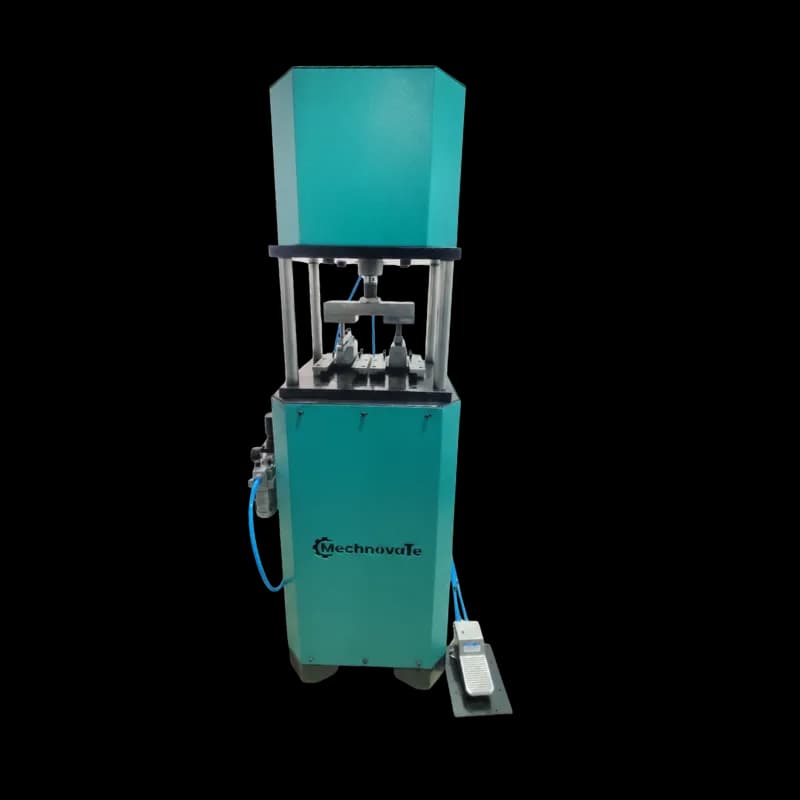
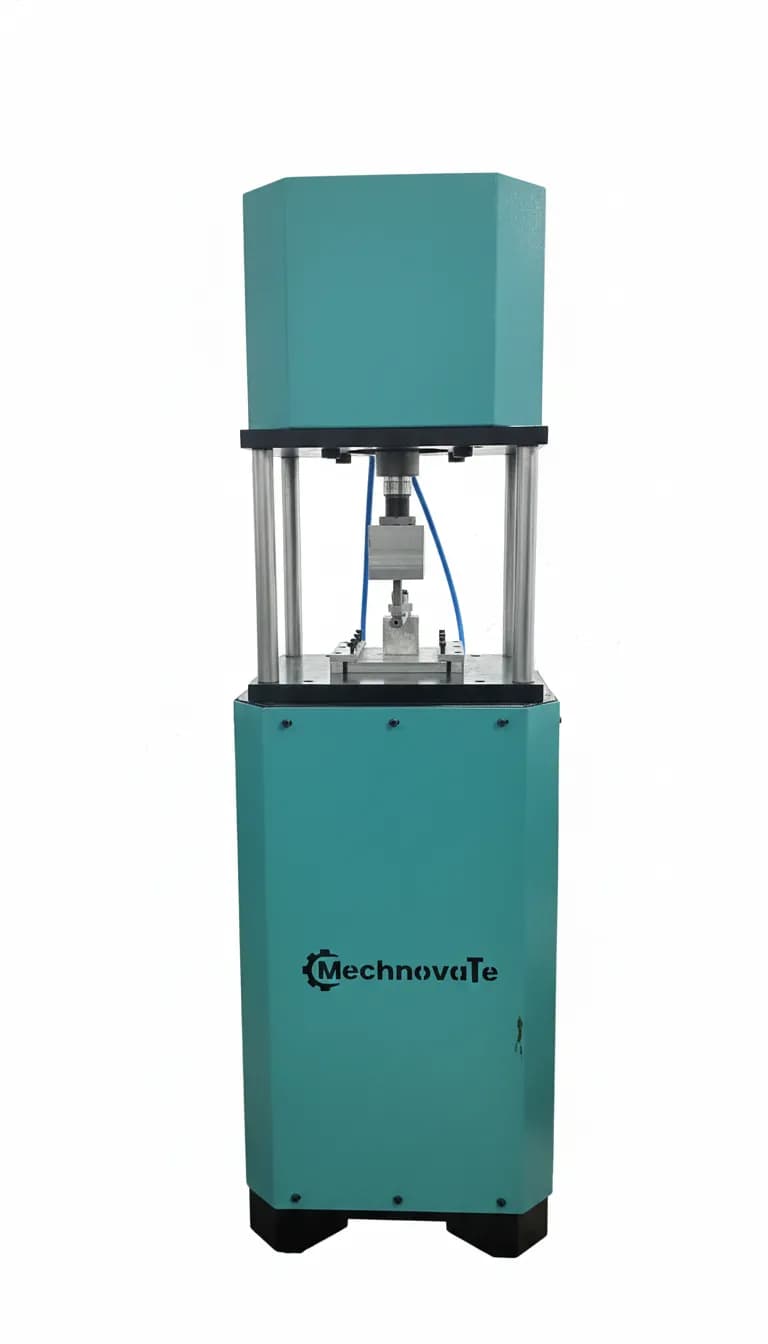
- Labor Efficiency: The automatic corner crimping machine eliminated the need for manual screw-fastening of cleats, saving 8 minutes per frame.
- Quality Consistency: Rejection rates from site supervisors dropped to zero due to the perfect 45-degree miter joints.
Best Aluminium Window Machinery Suppliers in Chennai: What to Inspect
Choosing the right partner among uPVC window machinery manufacturers in Chennai requires more than just looking at the aluminium cutting machine price. You must evaluate the supplier's ability to provide localized technical support and spare parts. In the high-humidity environment of Chennai, electronic components in CNC uPVC window fabrication machine price in India models can fail if not properly tropicalized. Ask your supplier if their control panels are IP54 rated to protect against dust and moisture ingress.
When scouting for the best aluminium window machinery suppliers in Chennai, verify these three pillars:
- Service Response Time: Does the supplier have a dedicated uPVC window machine service center in Tamil Nadu?
- Component Origin: Are the pneumatic cylinders and PLC units from reputable global brands (like Airtac or Schneider) or unbranded clones?
- Training Support: Will they provide on-site training for your staff on uPVC welding machine calibration and maintenance?
Common Mistakes in Workshop Expansion
One of the most frequent errors we see in Chennai workshops is over-investing in a high-speed head cutter machine while neglecting the secondary processing equipment. A fast saw is useless if your copy router machine or aluminium punching machine creates a bottleneck. Always aim for a balanced production line. Another mistake is ignoring the 'manual punching machine' vs 'pneumatic punching' debate; for high-volume sliding windows, a pneumatic multi-station punch is mandatory for slot accuracy.
Avoid these pitfalls during your procurement process:
- Undersized Air Compressors: An automatic upvc window plant cost India often doesn't include the compressor, but an undersized unit will cause the machines to stall during peak loads.
- Poor Floor Leveling: CNC and double-head machines require a perfectly leveled concrete floor; even a 2mm tilt can lead to frame misalignment.
- Ignoring Blade Sharpening: Using a dull blade on an expensive aluminum cutting machine will burn the motor and ruin the profile finish.
FAQ: Critical Questions for Modern Fabricators
What is the average cost of setting up uPVC window manufacturing unit in India? A basic manual starter kit (welder, cutter, router, cleaner) begins around ₹3.5 to ₹5 Lakhs. A fully automatic uPVC window manufacturing unit cost can range from ₹18 Lakhs to over ₹45 Lakhs depending on the CNC capabilities and output requirements.
How does Chennai's climate affect aluminium window machinery? High humidity leads to rapid oxidation of untreated steel parts and potential short-circuiting in non-sealed control boards. Ensure your machinery is powder-coated and that you use high-grade pneumatic oil to prevent internal corrosion of the valves.
Should I choose a 12-inch or 16-inch aluminium cutting machine? A 12-inch blade is sufficient for standard residential profiles. However, if you are moving into commercial curtain walling or heavy-duty sliding systems, a 16-inch or 500mm blade is necessary to handle the increased profile depth and width.
Is a CNC corner cleaner necessary for a startup? For startups, a manual or semi-automatic corner cleaner is sufficient. A CNC uPVC window corner cleaning machine price India is only justified once you are producing more than 40-50 windows per day, as it replaces the labor of three manual cleaners.
Get more articles like this
Follow Mechnovate on Google to see our guides in Google Discover & News