Kanpur Workshop Guide: Double Head Cutting Machine vs Manual Saws
Why the Right Cutting Technology Defines Kanpur's Fabrication Success
In the competitive aluminium fabrication hubs of Dada Nagar and Panki Industrial Area, the difference between a profitable contract and a loss-making project often comes down to the millimetre. While a manual 12-inch aluminium cutter machine is the starting point for many, scaling to meet the demands of modern residential projects in Kanpur requires an upgrade to precision engineering. For a workshop processing more than 25 window frames a day, the automatic double head cutting machine price is not a cost—it is an investment that eliminates the 5-7% material waste typical of manual operations.
Case Study: Upgrading a Panki Industrial Estate Workshop
Last year, we assisted a mid-sized firm in Kanpur that was struggling with 45-degree alignment issues using manual chop saws. Over a six-week period, we replaced three manual stations with one Double Head Cutting Machine and tracked the metrics.
Before the Upgrade:
- Output: 18 frames per 8-hour shift.
- Waste: 8.2% due to inaccurate measurements and manual 're-trimming'.
- Precision: Variation of +/- 1.5mm per cut.
After the Upgrade:
- Output: 55 frames per 8-hour shift.
- Waste: 1.4% (Direct material savings of approximately ₹14,000 per month).
- Precision: Consistent +/- 0.1mm tolerance.
This shift allowed the client to move from local residential repairs to high-volume commercial contracts, effectively paying off the automatic double head cutting machine price India market average within 9 months.
Technical Specifications: Manual vs. Automatic Double Head Cutting
When evaluating an aluminium profile cutting machine, the engineering reasoning behind the price difference lies in the mechanical stability and synchronization.
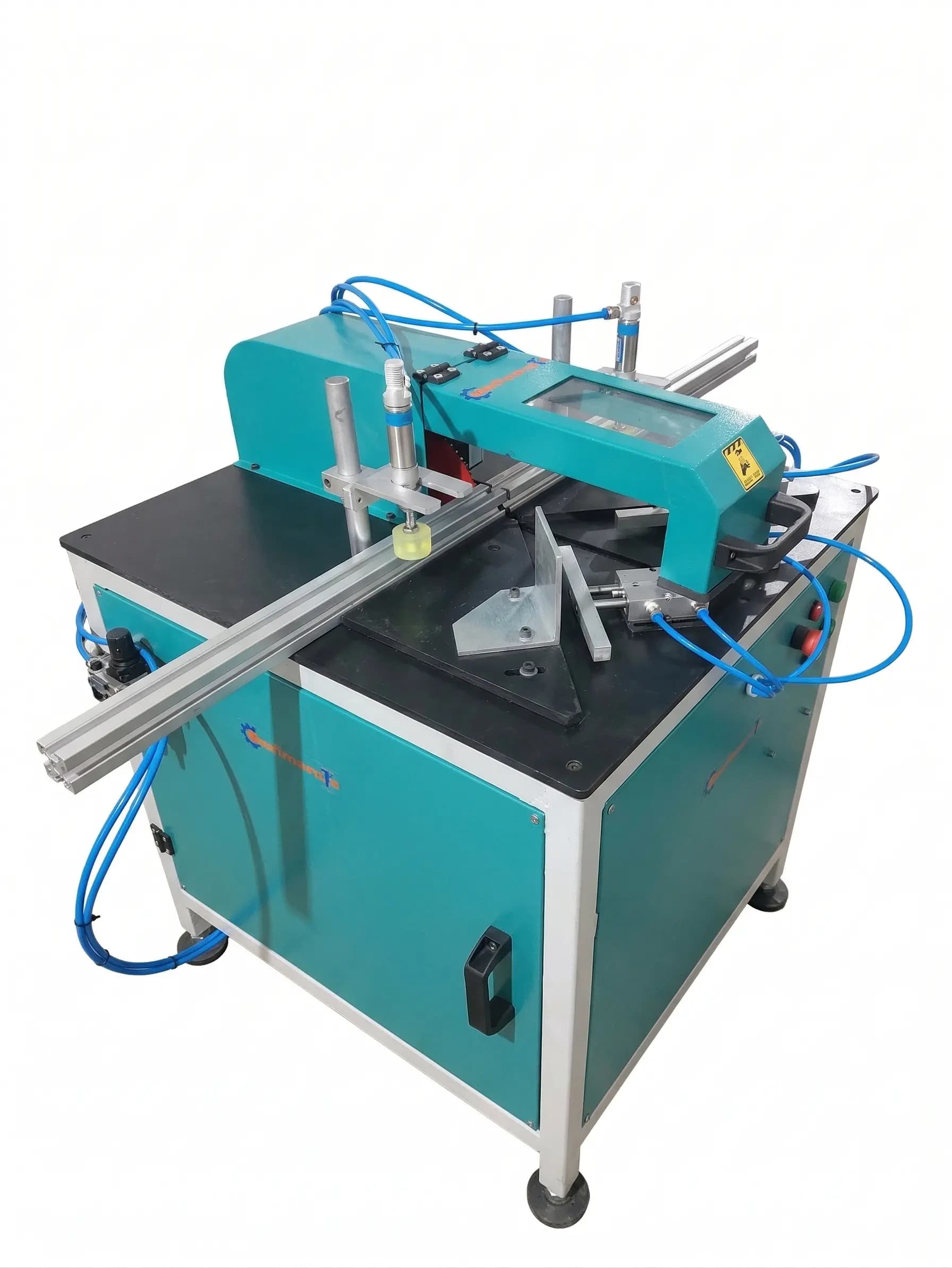
- Blade Synchronization: A uPVC Cutting Machine uses two independent heads that cut both ends of a profile simultaneously. This ensures the internal length is perfectly consistent, a feat impossible with a single-head manual saw.
- Blade Diameter and RPM: Most manual saws use a 10 or 12-inch blade. Industrial-grade automatic units utilize 450mm to 500mm blades rotating at 2800-3200 RPM, which reduces burr formation and heat buildup in the aluminium profile.
- Pneumatic Clamping: Manual saws rely on hand-tightening or basic clamps, leading to profile 'chatter'. Automatic units feature vertical and horizontal pneumatic clamps (operating at 6-8 bar) that ensure the profile remains stationary during the entire feed cycle.
Industrial Profile Cutting Safety Standards and ISO Compliance
Safety is often overlooked in small Kanpur workshops, yet adhering to Industrial profile cutting safety standards is critical for ISO 9001 certification. Manual saws expose operators to high-speed blades and flying swarf. In contrast, an automatic uPVC Window Manufacturing Machine includes fully enclosed cutting chambers and automatic safety hoods.
For businesses aiming for export-quality finish or large-scale government contracts, following BS EN 12020 standards for profile tolerances is mandatory. Achieving these tolerances with a manual punching machine or a basic 12-inch aluminium cutter is virtually impossible over a long production run.
Common Mistakes to Avoid When Investing in Machinery
Based on 15 years in the field, here are the most frequent errors I see fabricators make:
- Undersizing the Compressor: An automatic double head cutting machine requires stable air pressure. Using a small reciprocating compressor leads to 'clamping flutter', which ruins the 45-degree angle.
- Ignoring Blade Quality: Even the best aluminium cutting machine price can be negated by using low-grade blades. Always use TCT (Tungsten Carbide Tipped) blades specifically designed for non-ferrous metals.
- Neglecting the Cooling System: For aluminium cutting, a mist lubrication system is essential. Cutting dry increases friction, leads to poor surface finish, and shortens the life of your aluminium window machinery.
Strategic Growth: Beyond the Cutting Station
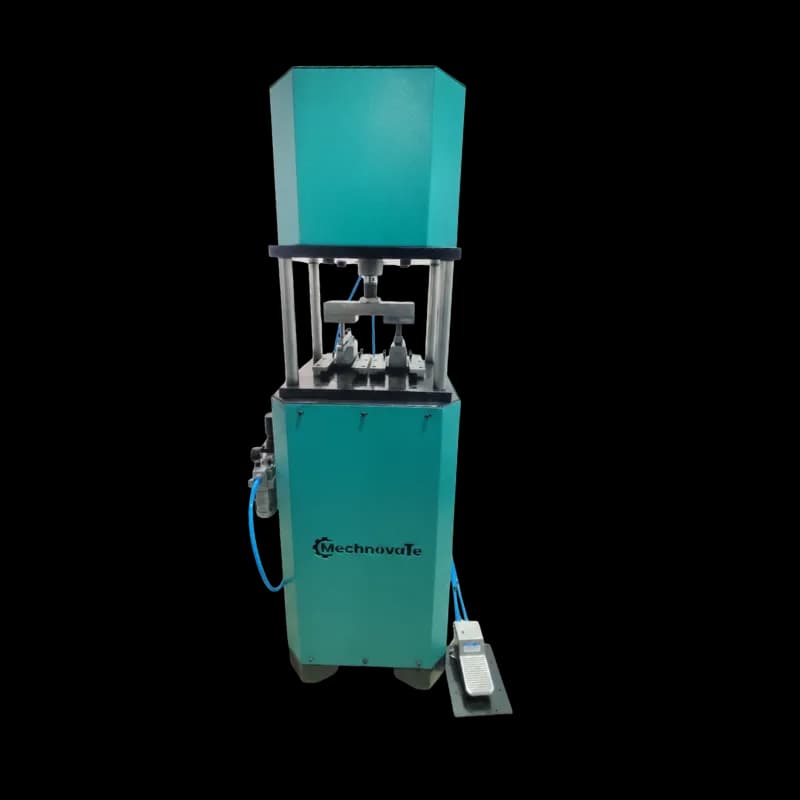
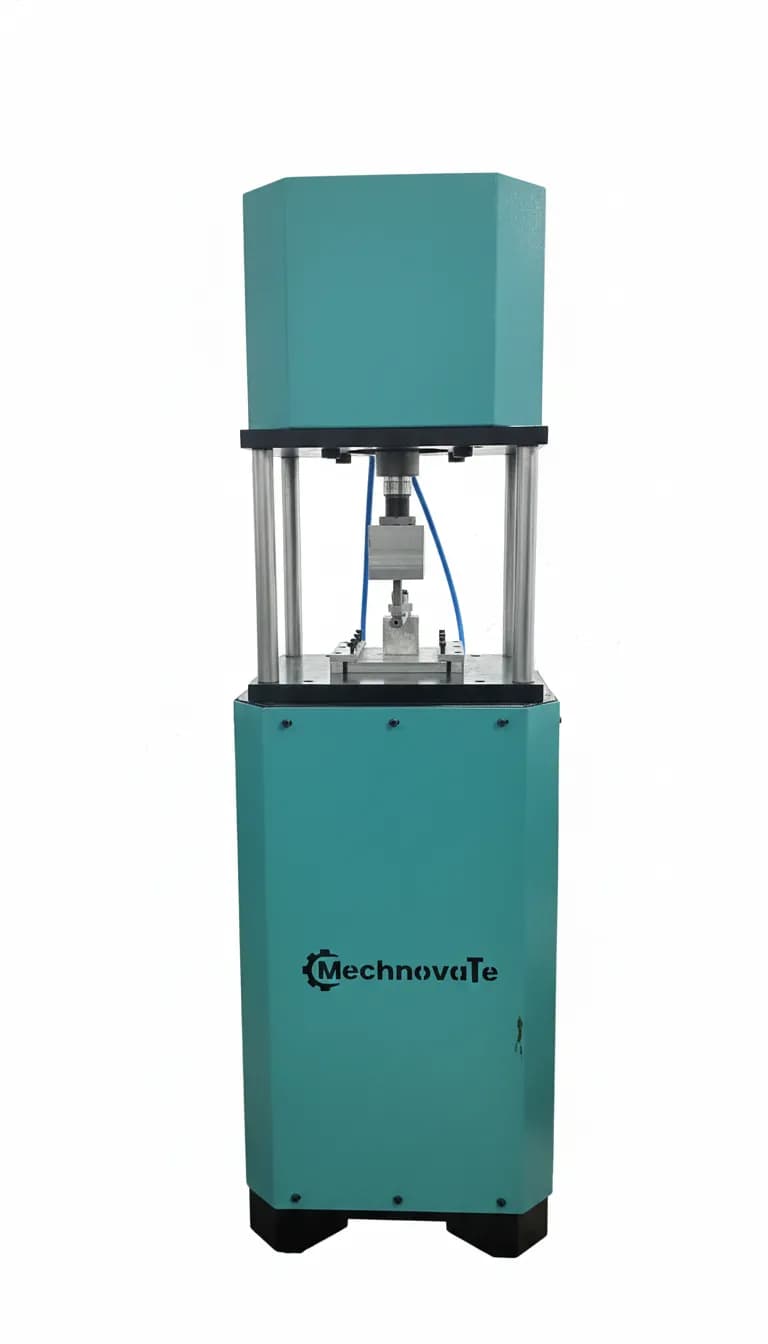
To build a complete production line in Uttar Pradesh, the cutting machine is just the first step. To ensure a seamless workflow, consider how the cut profiles will be processed next. A Copy Router Machine is necessary for hardware slots, while an Aluminium Punching Machine handles the corner joints and drainage holes with far more speed than manual drilling.
FAQ: Fabricator Questions on Workshop Scaling
Q: What is the average automatic double head cutting machine price in India for a startup? A: For a reliable entry-level automatic unit with 450mm blades, prices typically range from ₹4,50,000 to ₹6,50,000. High-end CNC-integrated models can exceed ₹12,00,000.
Q: Can I use the same machine for both uPVC and Aluminium? A: While the mechanical action is similar, the blade tooth count and cooling requirements differ. If you use a uPVC machine for aluminium, you must install a lubrication system and change to an aluminium-specific blade to avoid melting the profile or damaging the motor.
Q: How much space do I need for a double head miter saw? A: Most machines are 4 to 5 metres long. You need at least 2 metres of clearance on both ends to handle long 6-metre profile extrusions safely.
Q: Is a manual punching machine sufficient for a small Kanpur workshop? A: For low-volume jobs (5-10 windows/day), a manual punching machine is cost-effective. However, for anything more, the speed of a pneumatic aluminium profile punching machine is required to prevent a bottleneck in your production line.
Get more articles like this
Follow Mechnovate on Google to see our guides in Google Discover & News