Industrial Efficiency: Aluminium Corner Crimping ROI in Surat
The Direct Impact of Automatic Crimping on Surat Workshop ROI
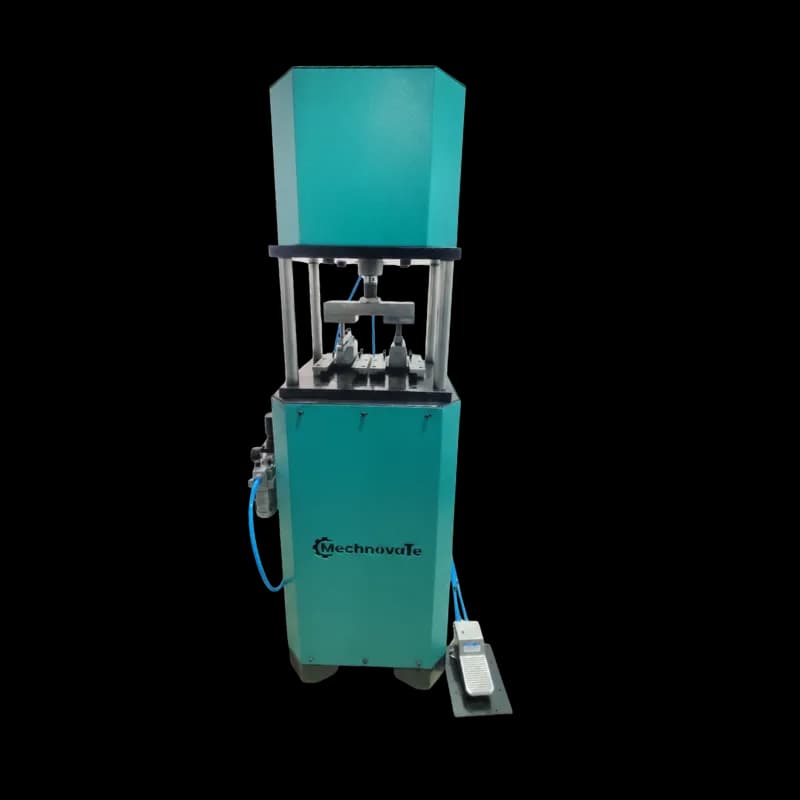
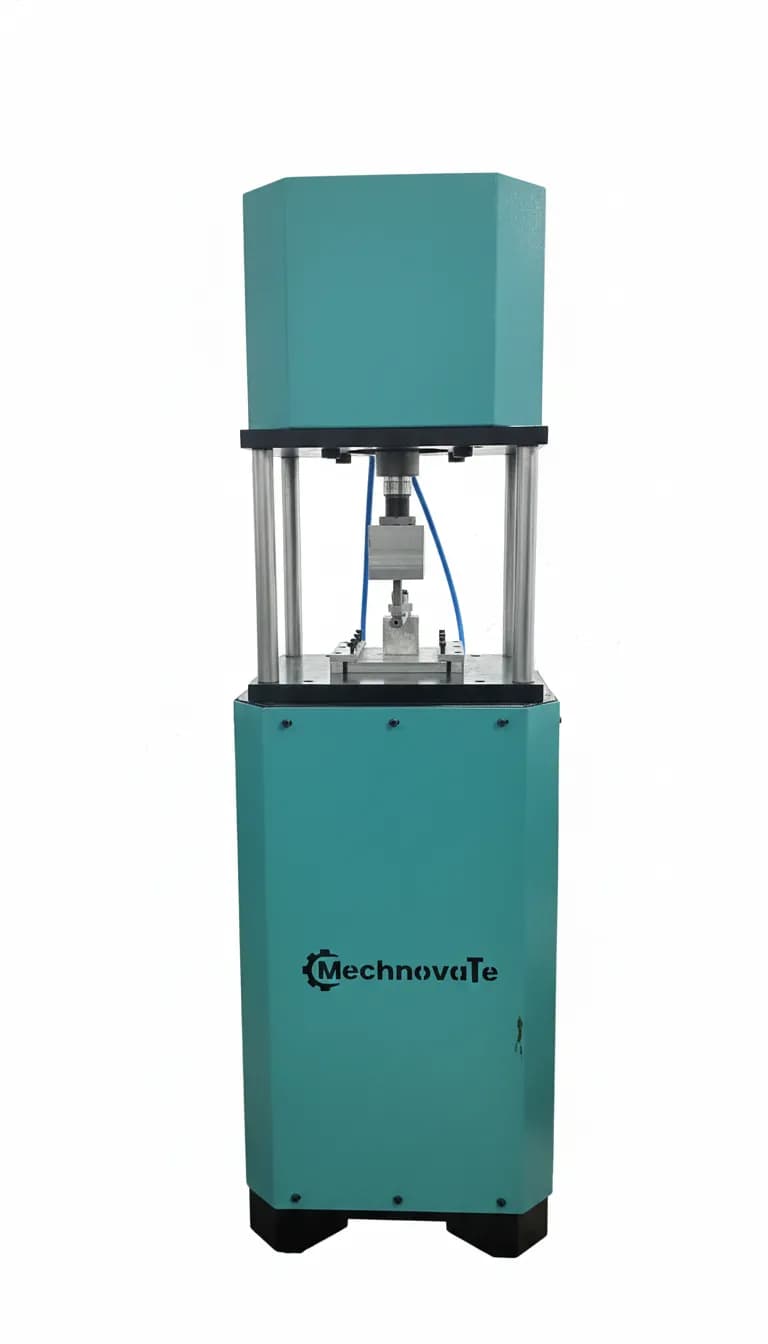
In the high-intensity fabrication clusters of Surat and Ahmedabad, the difference between a profitable workshop and one that struggles with overheads lies in the efficiency of the assembly line. For a fabricator handling high-volume commercial projects, switching from manual mechanical joining to an automatic aluminium corner crimping machine typically reduces frame assembly time from 12 minutes to under 50 seconds per corner. This is not merely a speed enhancement; it is a structural revolution. While manual joints often suffer from 1-2mm gaps due to uneven screw tension, a hydraulic crimper delivers consistent 48kN pressure, ensuring zero-gap joints that meet IS 1285 and BS EN 12020 standards. In our direct consulting experience across Gujarat, workshops that automate their crimping line see a full return on investment (ROI) within 8 to 14 months, depending on their shift volume and the thickness of the profiles being processed.
Case Study: Transformation in Sachin GIDC Industrial Area
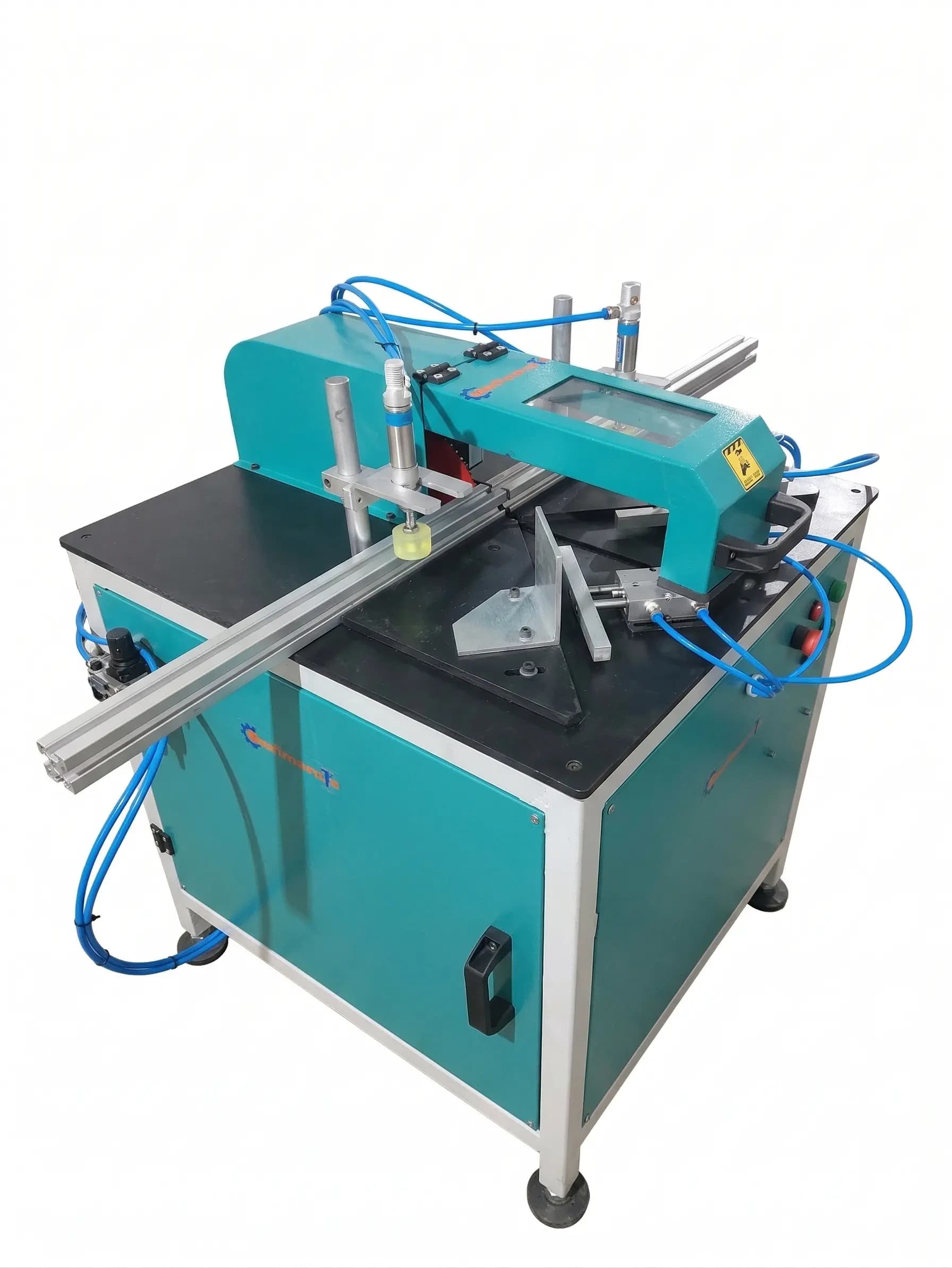
Last year, we worked with a Tier-2 fabricator in the Sachin GIDC area of Surat who was struggling with a 15% rejection rate on high-end powder-coated sections due to visible joint gaps and structural instability in 2.5mm profiles. We integrated our automatic aluminium corner crimping machine price Gujarat into their production line alongside a heavy duty aluminium profile end milling machine. Over a six-week testing period, we recorded the following metrics: frame assembly output increased from 40 frames to 175 frames per day; cutting waste dropped from 8% to 2.2% due to better alignment; and the labor requirement for the joining station was reduced from four technicians to just one operator. The consistency of the hydraulic feed eliminated the 'human fatigue' factor that previously caused misaligned corners during the demanding afternoon shifts in Gujarat's heat.
Technical Mastery: Engineering the Perfect Corner Joint
When evaluating an automatic aluminium window production line price, you must look beyond the motor's horsepower. A senior engineer analyzes the synchronization mechanism. Our machines utilize a proprietary mechanical linkage system that ensures the left and right punching heads move in perfect unison, preventing profile distortion—a common flaw in cheaper, non-synchronized imports. Key specifications for Surat’s high-growth workshops include a maximum crimping width of 120mm to handle heavy-duty curtain wall profiles and an adjustable internal positioner that accommodates thermal break profiles without crushing the polyamide strip. To maintain ISO 9001 quality levels, the machine must operate at 6-8 bar pneumatic pressure with a hydraulic intensification ratio that provides at least 2.2kW of punching power. This level of precision engineering ensures that the mitre joint is cold-welded at the molecular level, providing a weather-tight seal that is impossible to achieve with manual punching.
Common Mistakes in Aluminium Window Fabrication and Joining
Through 15 years of field maintenance, we have identified several recurring failures in Indian workshops. First is the neglect of blade calibration. Even the best aluminum window machine manufacturers in Ahmedabad cannot compensate for a bad cut. If your automatic double head cutting saw for aluminium profiles is off by even 0.3 degrees, the crimper will stress the profile during the punch, leading to micro-cracks in the powder coating. Second, fabricators often use the wrong hydraulic oil. In Gujarat’s 40°C+ ambient temperatures, low-viscosity oil leads to seal failure and pressure drops. We mandate the use of ISO VG 46 grade hydraulic oil with a high flash point to ensure the crimping force remains constant from the first frame of the morning to the last frame of the night. Finally, failing to use a copy router machine to pre-mill internal clearances can lead to internal stresses that 'pop' the joint weeks after installation during thermal expansion cycles.
The Math of Scale: Why Surat Fabricators are Automating
To understand the ROI, consider a typical residential project in Surat requiring 200 windows. With manual joining, you spend roughly 40 hours just on corner assembly, with a high risk of air leakage complaints. With an automatic crimper, that time drops to roughly 3 hours of machine time. This allows a workshop to take on 10x the project volume without increasing floor space. Furthermore, the ability to market 'Machine-Crimped Corners' allows you to charge a premium of 15-20% per square foot because architects and developers recognize the superior air-tightness and water-resistance ratings. In the humid coastal climate of Gujarat, this structural integrity is not a luxury—it is a necessity to prevent oxidation inside the profiles. Integrating an aluminium profile punching machine suppliers in Uttar Pradesh or Gujarat-based service with your line ensures that every drainage slot and corner joint is perfectly aligned with the window's structural axis.
Industrial Profile Cutting Safety Standards and ISO Compliance
Safety is often overlooked in the race for production speed. Any cutting machine automatic unit must comply with ISO safety standards regarding operator hand placement. Our automatic crimping machines feature dual-button operation, ensuring both hands are clear of the hydraulic path before the 5-ton force is engaged. Additionally, the use of pneumatic clamping before the hydraulic punch ensures the profile doesn't 'kick'—a common cause of injury in manual shops. For workshops looking to export their finished windows or take on government contracts, these safety and quality certifications are mandatory. Investing in a uPVC window manufacturing machine line or an aluminium line requires a partner who understands these regulatory nuances, not just a vendor who sells hardware.
Maintenance Guide for Long-Term Machine Reliability
To ensure your aluminium cutting machine 12 inch or your corner crimper lasts 20+ years, follow this engineering maintenance protocol. 1. Weekly: Check the tension of the mechanical synchronization bars. 2. Monthly: Inspect the hydraulic fluid for particulate contamination; Surat’s dust can be abrasive to cylinder seals. 3. Quarterly: Re-grind the tool steel punching knives. 4. Annually: Full system pressure test and recalibration of the pneumatic regulators. This discipline ensures that your automatic upvc window plant cost India remains a performing asset rather than a maintenance liability. We have seen machines in the Surat industrial belt that are still producing 0.1mm tolerance joints after 12 years of service, simply due to following this rigorous schedule.
FAQ: Essential Questions for New Workshop Owners
Q: Does an automatic crimper work with all aluminium series (e.g., 20mm to 100mm)? A: Yes, our machine features adjustable internal mandrels and multi-step knives that can be configured for slimline casement windows or heavy-duty 100mm sliding door profiles. The height of the crimping point can be adjusted with 0.1mm precision.
Q: What power supply is required for a hydraulic crimping unit in a Gujarat workshop? A: Most industrial crimpers require a 3-phase 380V/50Hz supply to run the hydraulic pump efficiently. For smaller workshops, 220V versions are available, but they typically offer lower crimping force and slower cycle times.
Q: Can I use the same machine for both thermal-break and non-thermal-break profiles? A: Absolutely. However, for thermal-break profiles, you must adjust the pressure settings to ensure you are crimping the aluminium walls without deforming the internal polyamide thermal barrier. Our machines include a dual-pressure regulator specifically for this purpose.
Q: Is it difficult to find trained operators for CNC and automatic machinery in Surat? A: While the machines are high-tech, the user interface is designed for simplicity. We provide a 3-day training program that takes a manual laborer and turns them into a certified machine operator, covering everything from profile setup to basic maintenance.**
Get more articles like this
Follow Mechnovate on Google to see our guides in Google Discover & News