Industrial Aluminium Window Machinery in Ahmedabad: Scaling Guide
Transitioning to Industrial Capacity: The Direct Solution for Gujarat Fabricators
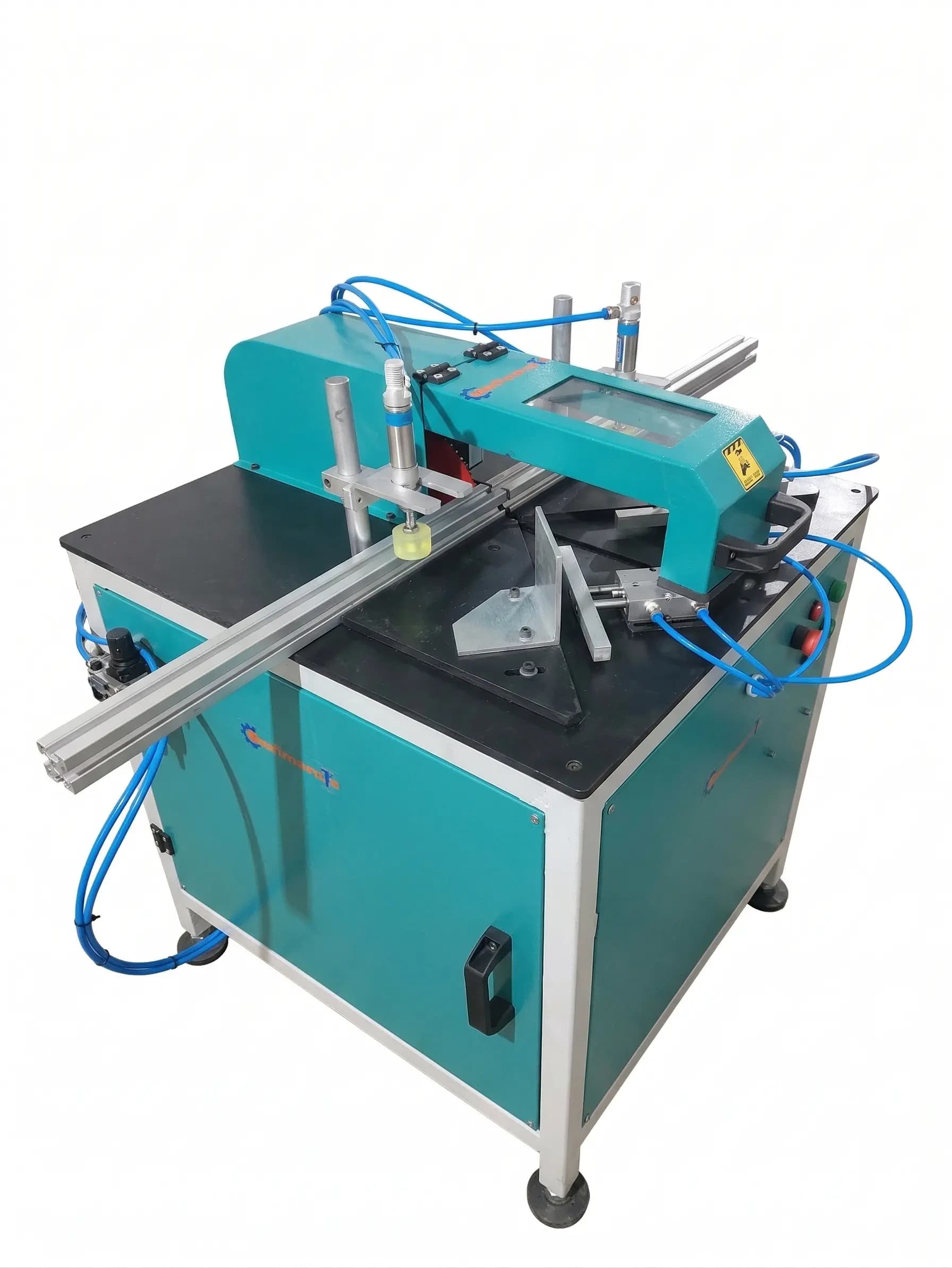
Scaling from a mid-sized workshop to a high-volume industrial plant in Gujarat requires more than just adding labor; it necessitates a shift from manual 12-inch saws to automated, precision-engineered systems. For fabricators targeting 80+ frames per shift, the standard single-head setup creates a bottleneck at the 45-degree miter cut and corner joining stages. The most effective way to scale is by integrating an Automatic Double Head Cutting Machine which allows for simultaneous cutting of both ends of a profile, effectively doubling output while maintaining a length tolerance of ±0.2mm. In the Ahmedabad market, where competition on window quality and lead times is fierce, this jump in precision reduces secondary processing (like filing or gap-filling) by 90%.
Comparison of Machinery for High-Volume Fabrication
When evaluating aluminium window machinery manufacturers in Ahmedabad Gujarat, you must look beyond the motor horsepower. Industrial-grade equipment is distinguished by its vibration dampening, pneumatic stability, and feed control.
- Cutting Speed and Precision: High-volume plants require a miter saw with a minimum 450mm or 500mm blade. Unlike basic 12-inch cutters, these machines handle thicker thermal-break profiles without blade deflection.
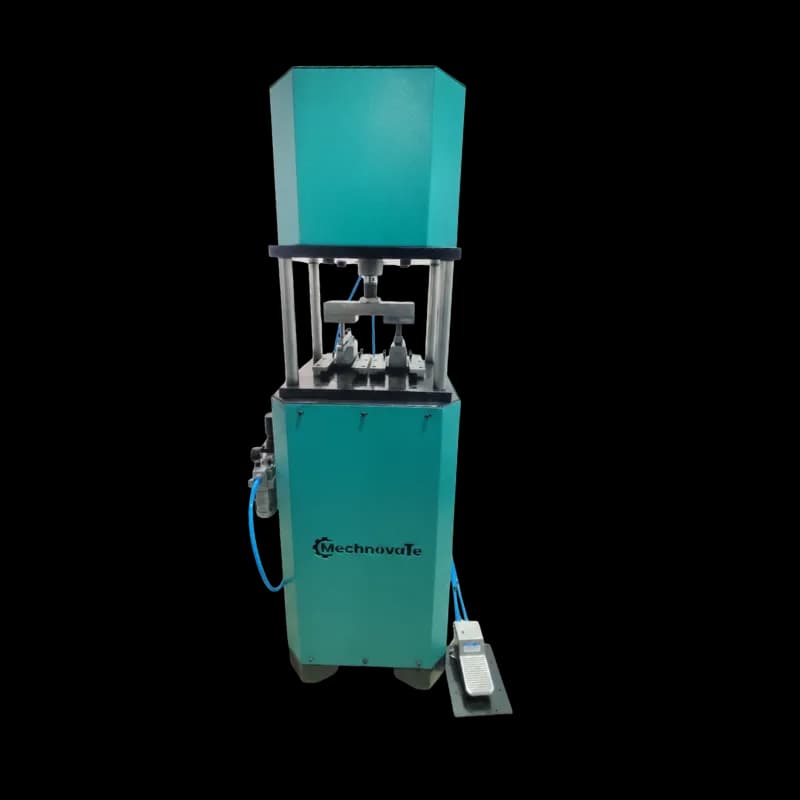
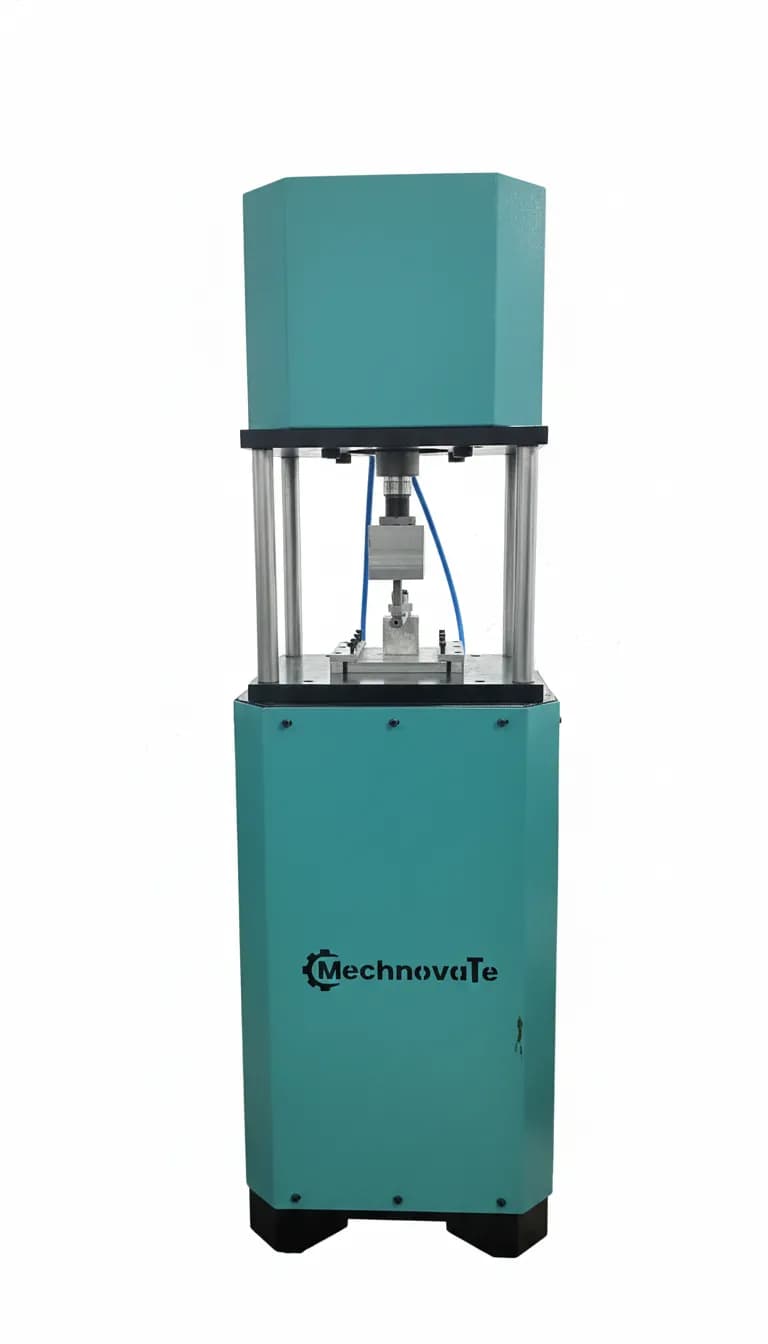
- Corner Joining Tech: The transition from mechanical screw-fixing to using an Aluminium Corner Crimping Machine is non-negotiable for industrial contracts. A hydraulic crimper ensures a water-tight, structurally sound joint that meets ISO standards for wind load.
- Milling and Routing: A Copy Router Machine with a high-speed spindle (12,000 RPM+) prevents burr formation on lock-hole cutouts, reducing manual cleanup time.
Case Study: 300% Output Increase in Sanand, Ahmedabad Facility
In early 2023, Mechnovate consulted for a fabrication unit in Sanand that was struggling to meet a 2,000-window order for a commercial project. Their original setup relied on three manual 12-inch aluminium cutters and two hand-punching machines.
- The Baseline: 22 frames per 8-hour shift, 14% material waste due to measurement errors, and 3 inconsistent corners per 10 frames.
- ** The Intervention:** We replaced the manual saws with a 45 degree double head cutting machine and integrated a heavy-duty aluminium profile end milling machine.
- The Results: Output jumped to 88 frames per shift. Material waste dropped to 2.5% because the digital readouts eliminated human error. The labor cost per frame decreased by 60%, allowing the client to recoup the machinery investment in under 7 months.
Engineering Specifications for Scaling Success
To compete at an industrial level in Gujarat, your technical specifications must align with international fabrication standards like BS EN 12020.
- Blade Stability: Ensure your automatic double head cutting saw for aluminium profiles uses a tungsten carbide tipped (TCT) blade with a hydro-pneumatic feed. This ensures the blade enters the profile at a constant velocity, preventing the 'snagging' common in manual operations.
- Pressure Dynamics: Look for machines with a triple-clamping system (two vertical, one horizontal) that operates at a consistent 6-8 bar pressure. This prevents profile rotation during the cut, which is the leading cause of poor miter joints.
- Punching Precision: An aluminium profile punching machine should offer multi-station dies to handle drainage, handle holes, and stay-arm slots in one cycle, rather than repositioning the profile multiple times.
Avoiding Common Mistakes in the Ahmedabad Machinery Market
Many fabricators prioritize the initial aluminium cutting machine price over the total cost of ownership. In Gujarat, several local manufacturers assemble machines using low-grade casting or reconditioned motors. These machines often lose their alignment after 6 months of 10-hour shifts.
What to Watch Out For:
- Inadequate Support Tables: Ensure the machine includes at least 3 meters of automatic profile support. Without it, long profiles sag, leading to inaccurate miter angles.
- Manual Lubrication: For high-speed cutting, a mist spray lubrication system is vital. Manual oiling leads to uneven cooling and shortened blade life.
- Lack of Safety Interlocks: Industrial profile cutting safety standards (ISO) require two-hand operation and safety hoods. Do not compromise on these to save 5% on the price.
Frequently Asked Questions (FAQ)
Q1: What is the typical cost of setting up uPVC window manufacturing unit in India for high volume? An industrial-scale plant typically ranges from ₹15 Lakhs to ₹45 Lakhs depending on the level of CNC automation. This includes a four-corner welder, CNC corner cleaner, and automatic V-cutting machines.
Q2: Can I use the same machine for both uPVC and Aluminium? While some cutting machines can handle both, the blade geometry and RPM requirements differ. Aluminium requires higher torque and constant lubrication, whereas uPVC requires specific V-cutting and welding equipment that aluminium cannot use.
Q3: Why is a double head miter saw better than a single head for large projects? A double head saw cuts both ends of the profile simultaneously. More importantly, it ensures that the length of the window is identical across 100 units because the distance between the two heads is fixed by a digital controller, eliminating manual measuring tape discrepancies.
Q4: How often should I calibrate my corner crimping machine? For industrial volumes, we recommend a weekly check of the hydraulic pressure and knife alignment. A deviation of even 0.5mm in the crimping blade can lead to visible gaps in the window frame after powder coating.
Q5: Is there a service center for Mechnovate in Gujarat? Yes, we maintain a dedicated service team in Ahmedabad and Surat to provide 24/48-hour onsite technical support, ensuring that industrial production lines never face extended downtime.
Get more articles like this
Follow Mechnovate on Google to see our guides in Google Discover & News