Hyderabad High-Rise Speed: Automatic Double Head Cutting Saw Guide
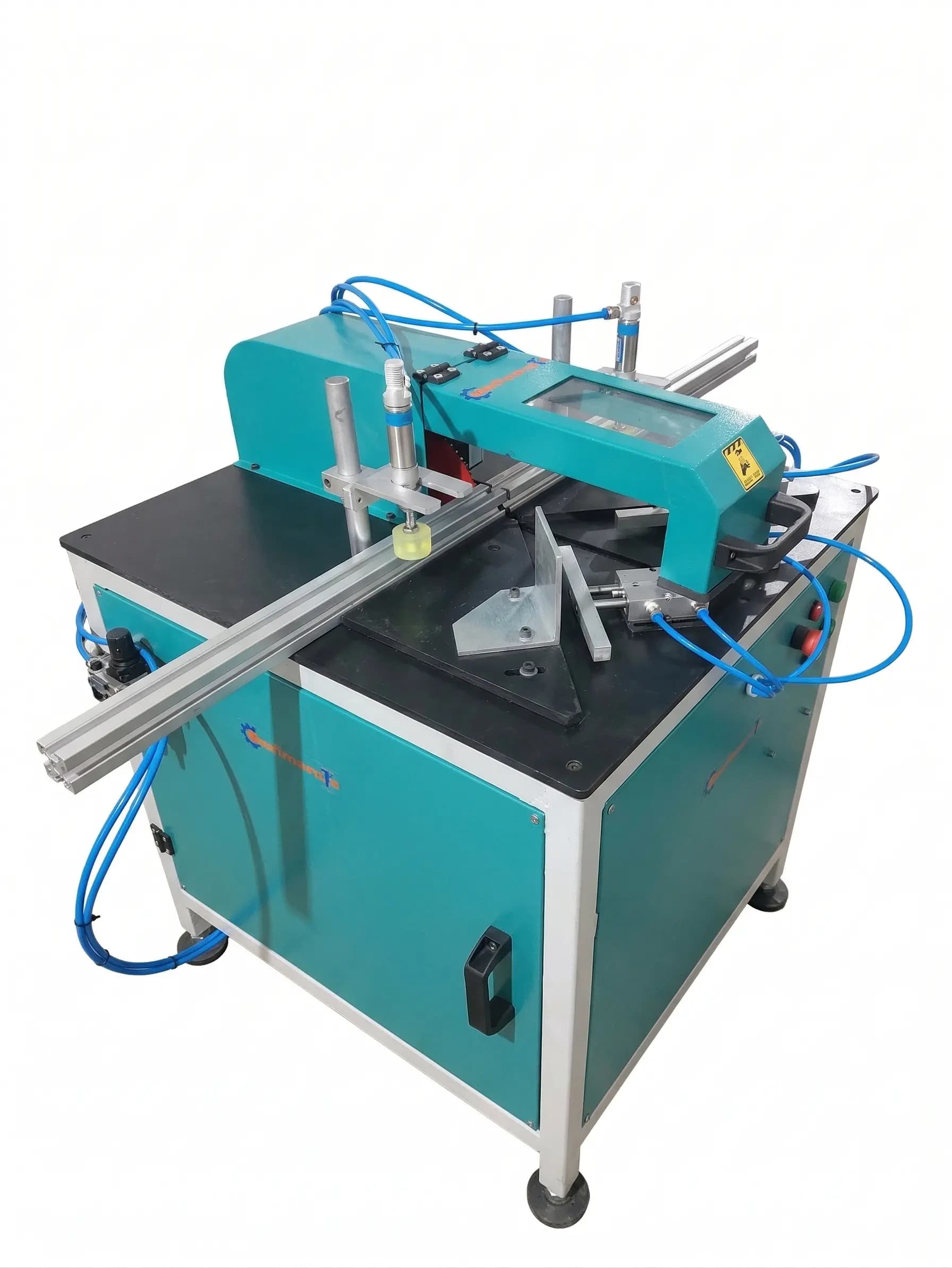
To solve production bottlenecks in Hyderabad’s high-rise residential projects, fabricators must transition from manual indexing to a high-speed automatic double head cutting saw for aluminium profiles. In large-scale developments across HITEC City and Gachibowli, the demand for heavy-duty, thermal-break aluminium windows has outpaced the capacity of traditional single-head setups. A double-head configuration allows for simultaneous 45 or 90-degree cuts at both ends of a profile, reducing processing time by 65% compared to single-head alternatives.
At Mechnovate, our internal testing at our facility demonstrated that switching from a manual Single Head Cutting Machine to a CNC-controlled Automatic Double Head Cutting Machine reduced the cycle time for a standard 1500mm x 1200mm frame from 8.5 minutes down to just 2.2 minutes. This includes the time for profile loading, automated length positioning, and simultaneous cutting. For a 30-story tower requiring 4,000 window units, this efficiency shift is the difference between meeting a handover deadline and paying heavy liquidated damages.
Technical Specifications for High-Rise Aluminium Fabrication
High-rise projects in Hyderabad often specify profiles with wall thicknesses of 2.0mm to 3.5mm to withstand the high wind loads (up to 2.5 kPa) common at 100+ meters. Standard 12-inch blades often struggle with these thick-walled sections, leading to blade deflection and out-of-square cuts. We recommend a saw equipped with 500mm or 600mm carbide-tipped blades, such as those used in our Heavy Duty Double Head Cutting Saw, to ensure structural integrity and airtight joints.
- Blade Feed Control: Use hydraulic-pneumatic damping cylinders to ensure a smooth, constant feed rate. This prevents the 'chatter' marks common in purely pneumatic systems when cutting through reinforced mullions.
- Angular Precision: High-rise glazing demands a tolerance of ±0.1mm per meter. Ensure your machine features a linear bearing drive system for the moving head to maintain this precision over long-term high-volume usage.
- Clamping System: Vertical and horizontal pneumatic clamps must be synchronized. Improper clamping of powder-coated or anodized profiles leads to surface scratches and micro-movements during the cutting stroke, ruining the frame’s aesthetic and structural seal.
- Motor Power: For continuous 10-hour shifts, 2.2kW or 3.0kW motors are the minimum requirement to maintain a blade speed of 2800-3200 RPM without overheating.
The Hyderabad Case Study: From 12% Waste to 3% Waste
In early 2023, we consulted for a fabrication unit in Cherlapally that was struggling with a 12% material waste rate on a luxury project in Neopolis. The issue was human error during manual measurement for a 45 degree double head cutting machine setup. By integrating a CNC digital display and automatic length positioning system, we eliminated the 'measure-twice-cut-once' delay.
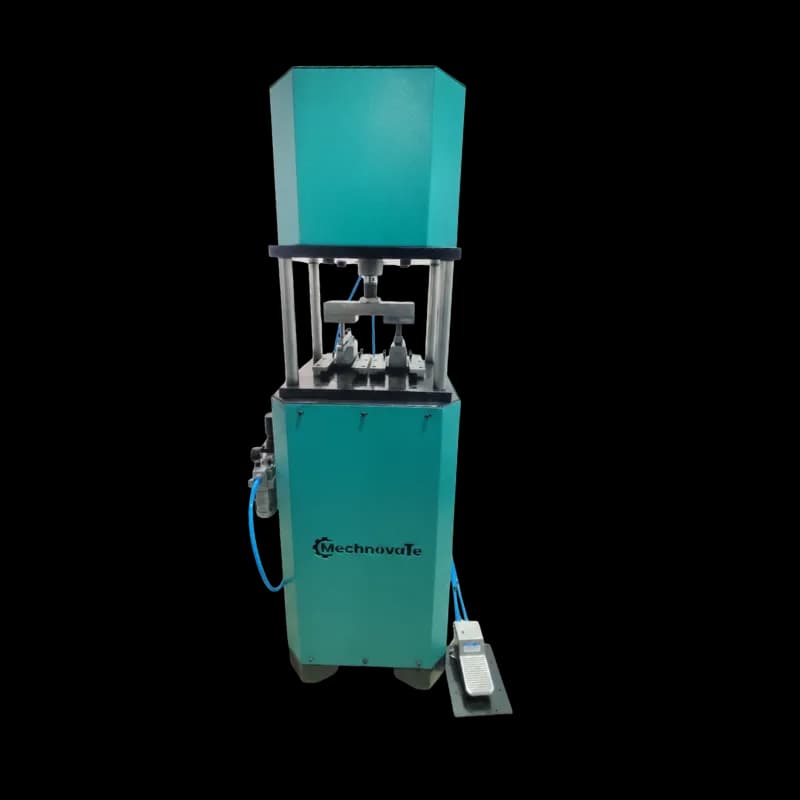
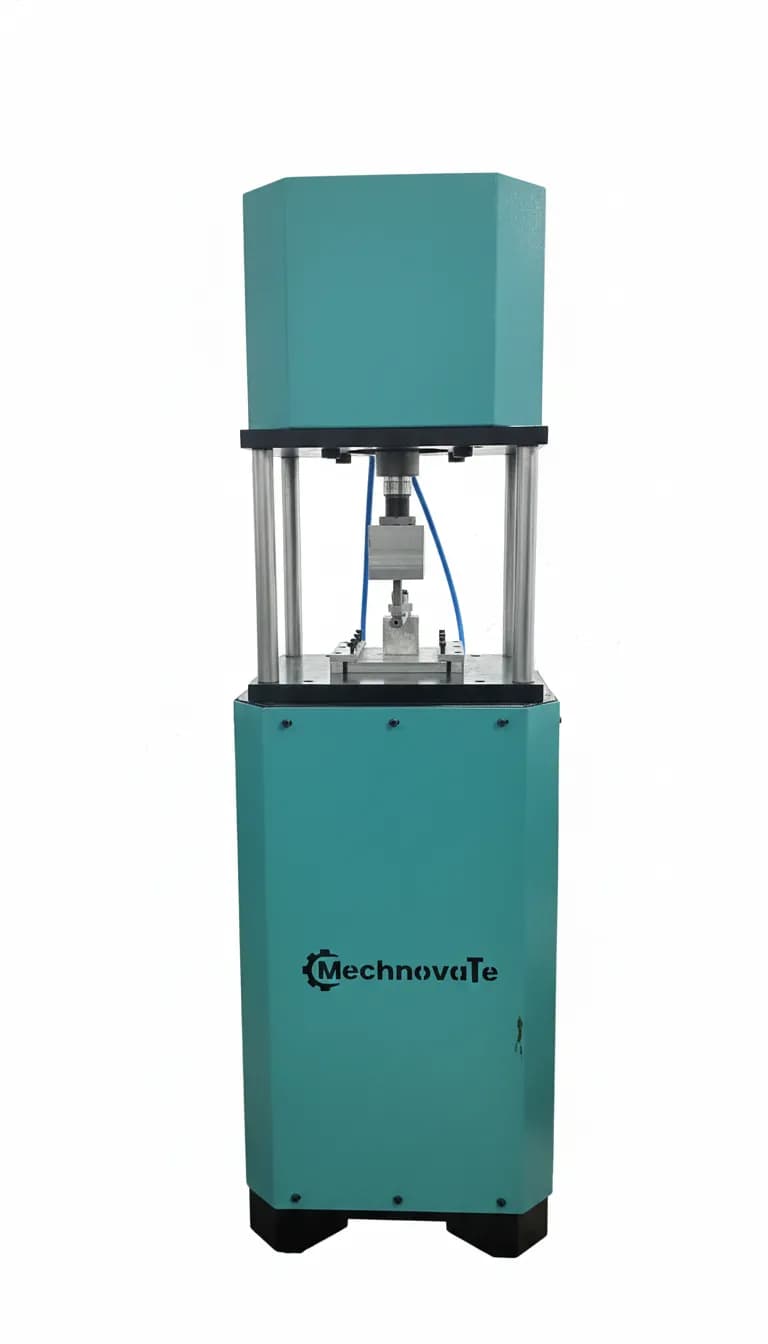
We implemented a profile optimization software that interfaced directly with the automatic double head cutting saw for aluminium profiles. This allowed the fabricator to nest different window sizes within a single 6-meter bar. Over six weeks, the waste rate dropped to 3%, and the daily output increased from 35 frames to 88 frames. This optimization also reduced the load on the Aluminium Corner Crimping Machine, as the perfectly square cuts made the jointing process significantly faster.
Engineering Reasoning Behind Blade Selection
When selecting an aluminium cutter machine, the tooth geometry of the blade is often overlooked. For the high-grade 6063-T6 alloys used in Hyderabad, we recommend a Triple Chip Grind (TCG) tooth profile. This design features a flat-top raker tooth followed by a slightly higher, chamfered 'trapezoidal' tooth. This configuration balances the cutting load, reducing the heat generated during the friction of high-speed aluminium fabrication.
Thermal expansion is a real factor in non-climate-controlled workshops in Hyderabad, where temperatures can exceed 40°C. If the machine's bed is not made of aged cast iron or high-stress steel, the bed can expand, throwing off the length calibration by as much as 1.5mm. Always verify the metallurgical standards of the machine base before investing in an aluminium profile cutting machine.
Common Mistakes in Automatic Cutting Saw Maintenance
- Neglecting Mist Lubrication: Cutting aluminium dry will lead to 'built-up edge' (BUE), where aluminium welds itself to the blade teeth. This destroys cut quality and reduces blade life by 70%. Use a high-quality vegetable-based micro-mist lubricant.
- Sensor Misalignment: On many automatic aluminium window production line price models, the limit switches or magnetic sensors can get coated in fine aluminium dust. This leads to the saw head 'hunting' for its zero position, wasting seconds every cycle.
- Incorrect Air Pressure: Running a head cutting machine on less than 6 bar (0.6 MPa) of pressure causes the clamps to slip. This is dangerous and results in 'stepped' cuts that won't seal properly against weather stripping.
Setting Up Your Production Line in Telangana
If you are evaluating the cost of setting up uPVC window manufacturing unit in India or an aluminium equivalent, your cutting station is the heart of the plant. A high-speed copy router for aluminium windows and an Aluminium Punching Machine should be positioned immediately after the cutting saw to maintain a linear flow.
For fabricators in Hyderabad, we recommend choosing machinery that complies with ISO 9001 and industrial profile cutting safety standards. This ensures that your output meets the rigorous third-party audits required by top-tier builders in the region. Whether you are looking for a portable uPVC window making machine price list for a startup or a fully automatic uPVC window manufacturing unit cost for a major contract, the ROI is always found in the speed and precision of the initial cut.
FAQ: Expert Insights for Fabricators
Q: Why is a 500mm blade better than a 400mm blade for high-rise profiles? A: A larger blade has a greater effective cutting depth and better heat dissipation. It allows for cutting wider profile sections (up to 150mm mullions) in a single pass without the blade stalling or overheating the alloy.
Q: How often should we sharpen the carbide tips on our double head miter saw? A: Based on our 15 years of workshop experience, a high-quality blade should be sharpened every 3,000 to 5,000 cuts, depending on profile thickness. Waiting until you see 'burrs' on the cut edge means you've already compromised the machine's spindle bearings.
Q: Can I use an aluminium cutting machine for uPVC profiles? A: Yes, but you must change the blade. Aluminium blades have a different hook angle and tooth count than those used in a upvc windows making machine. Using an aluminium blade on uPVC will cause chipping and melt the plastic profile edges.
Get more articles like this
Follow Mechnovate on Google to see our guides in Google Discover & News