High-Speed Copy Router Guide for Jaipur Heritage Hotels
Why Precision Engineering Defines Jaipur’s Heritage Hospitality
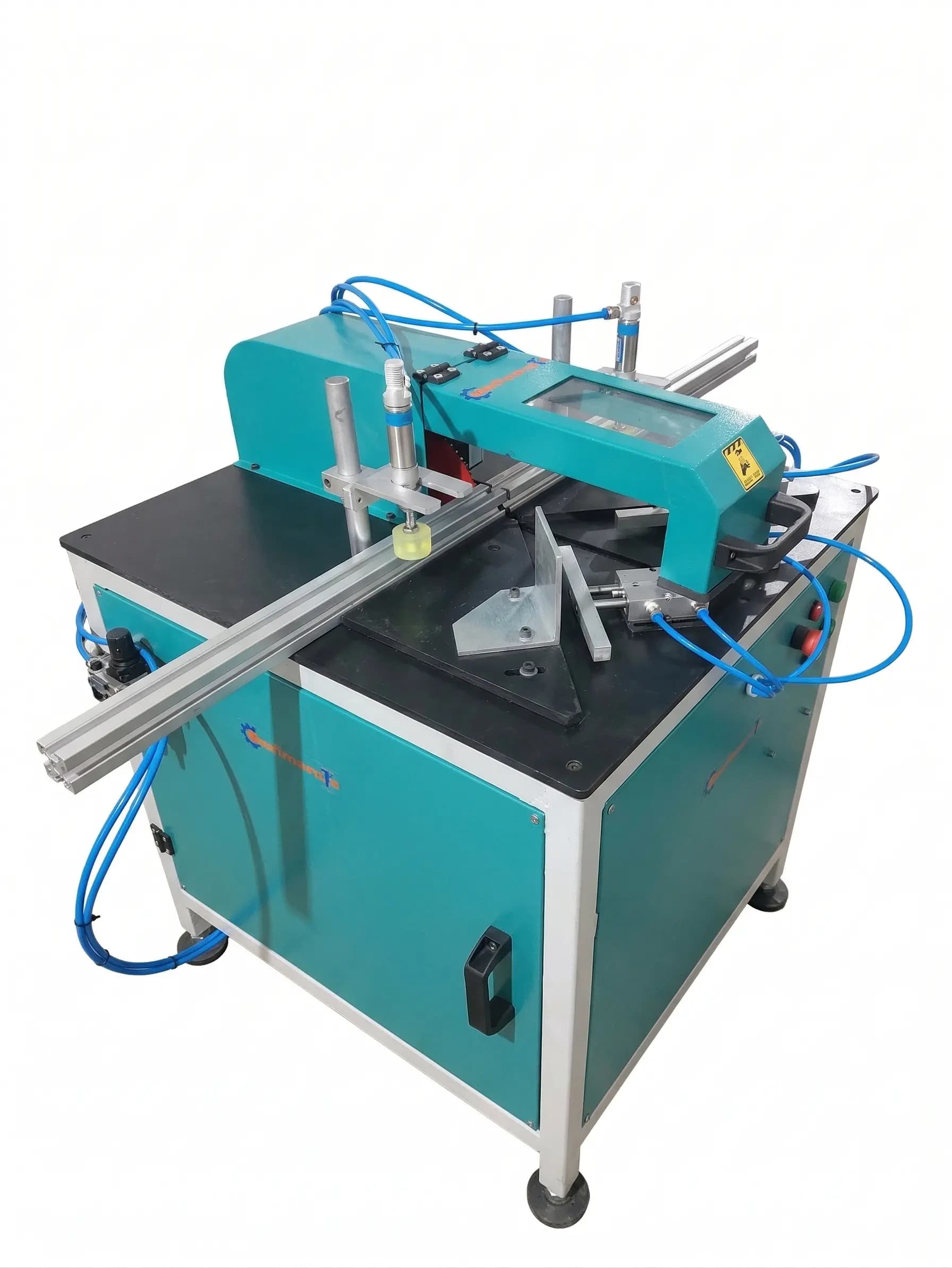
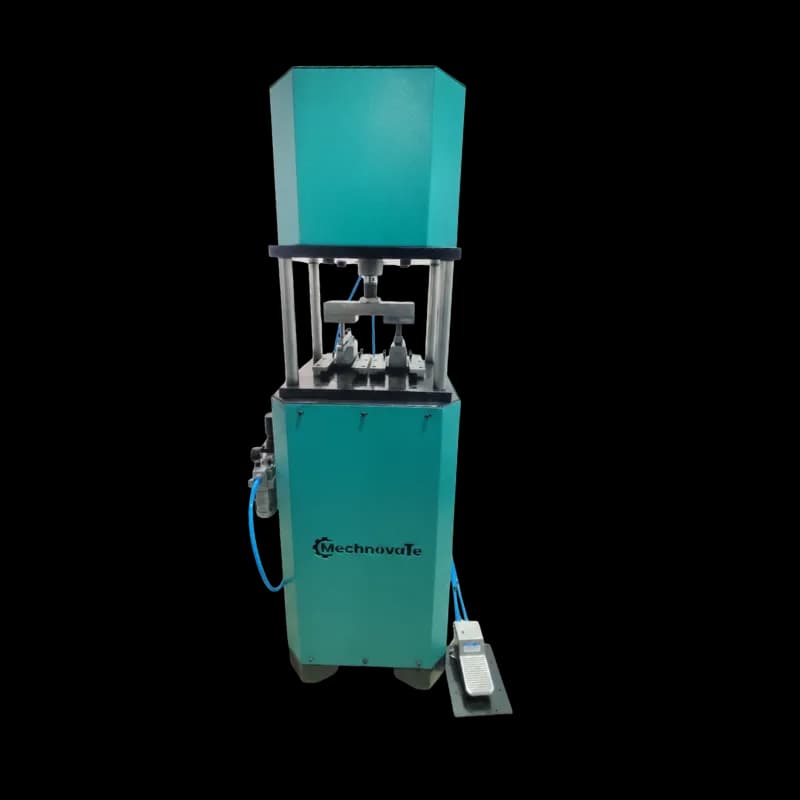
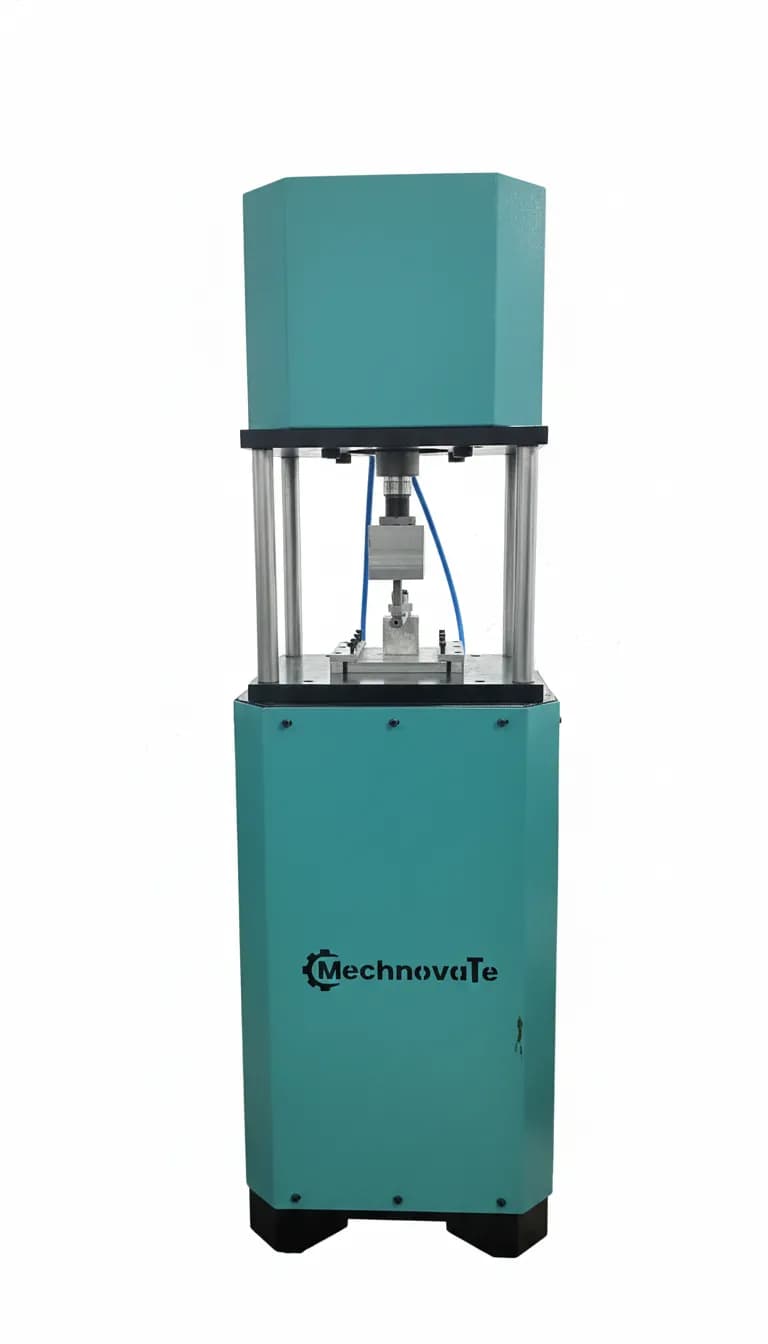
Fabricating windows for Jaipur’s heritage hotels requires a level of precision engineering that standard commercial grade tools cannot achieve. When restoring or building luxury properties like those near Amer Fort, the aluminium fabrication must mimic traditional aesthetics while delivering modern thermal performance. A high-speed copy router for aluminium windows is the critical link in this process, ensuring that slots for multipoint locks and water drainage are milled with sub-millimeter accuracy.
In our experience, the high ambient temperatures in Rajasthan (often exceeding 45°C) affect both the profile expansion and the viscosity of the cooling lubricants used in machining. Choosing a Copy Router Machine that can handle continuous operation without spindle run-out is the difference between a high-end finish and a rejected batch of frames. This guide explores the technical necessities for fabricators targeting the premium Jaipur market.
Technical Specifications for High-Output Aluminium Fabrication
To meet the rigorous standards of IS 1285 and BS EN 12020, a copy router must maintain a specific power-to-speed ratio. We recommend a spindle motor of at least 1.5 kW operating at 12,000 to 18,000 RPM. This ensures that the cutter shears the aluminium cleanly rather than tearing it, which is essential for the thin-walled, high-grade alloys used in slim-profile heritage windows.
- Spindle Speed: 12,000 RPM minimum for burr-free milling.
- Operating Pressure: 6-8 bar pneumatic clamping to prevent profile vibration.
- Milling Capacity: A minimum horizontal travel of 250mm to accommodate modern long-handle hardware.
- Cooling System: Automatic pulse-mist lubrication to protect the aluminium profile cutting machine bits from overheating.
Using an underpowered aluminum cutting machine leads to 'chatter marks' on the profile, which are impossible to hide with powder coating. For Jaipur's luxury projects, these imperfections are unacceptable, leading to costly rework and material waste.
The Mechnovate Case Study: Precision Results in Jaipur
Last year, we assisted a fabricator in Jaipur who was struggling with a 15% rejection rate on a boutique hotel project. Their existing manual punching machine was deforming the thin-walled thermal break profiles. We implemented a high-speed copy router integrated with a pneumatic template system and conducted a 6-week performance audit.
- Before: 15% material waste, 22 minutes per frame for hardware milling, inconsistent slot depths.
- After: 2% material waste, 6 minutes per frame, 100% hardware fitment accuracy.
- The Solution: We transitioned them to a Double Head Miter Saw for primary cuts and a high-speed router for all secondary processing, ensuring the structural integrity of the corner joints remained intact.
Common Mistakes in Aluminium Window Machinery Selection
One of the most frequent errors we see in the Indian market is the attempt to use uPVC window manufacturing machines for high-grade aluminium work. While uPVC machinery operates at different torque levels, aluminium requires much higher rigidity and specific chip-evacuation strategies. A upvc windows making machine lacks the structural mass to dampen the vibrations generated when milling hardened aluminium alloys.
Another mistake is neglecting the pneumatic supply. A copy router machine requires a stable air volume; fluctuations in pressure can cause the clamps to loosen slightly during the milling cycle, resulting in ruined profiles. Always ensure your compressor is rated for 20% more than your total peak demand to maintain consistent precision engineering standards.
Maintenance Protocols for Rajasthan’s Environment
Dust is the primary enemy of precision machinery in Jaipur. Fine desert sand can act as an abrasive on the linear guides of your aluminium cutting machine price. We recommend a daily 'blow-down' procedure followed by the application of a dry-film lubricant that does not attract grit.
- Daily: Clear all aluminium swarf from the motor housing to prevent overheating.
- Weekly: Check the tension on the drive belts and the fluid level in the mist-lubricator.
- Monthly: Calibrate the template-to-stylus ratio to ensure the 1:1 scale is perfectly maintained.
Adhering to these ISO 9001-aligned maintenance steps extends the life of your upvc window manufacturing machine and aluminium tools by up to 40%, significantly lowering your long-term upvc machine price list considerations through reduced downtime.
FAQ: Fabricator Queries on Copy Routing
Q: Can I use the same copy router for both aluminium and uPVC?
A: Yes, provided the machine has variable speed control. Aluminium requires higher RPMs and lubrication, whereas uPVC can be milled at lower speeds without cooling to prevent the plastic from melting and clogging the bit.
Q: What is the ideal bit diameter for heritage window hardware?
A: Most premium hardware for heritage hotels requires a 5mm or 8mm bit. We suggest using solid carbide bits to maintain sharp edges when working with powder-coated surfaces.
Q: How do I justify the cost of an automatic copy router over a manual punching machine?
A: An automatic aluminium window production line price is higher, but it eliminates human error. For heritage projects where a single damaged profile can cost ₹5,000+, the machine typically pays for itself within the first 300 frames produced.
Get more articles like this
Follow Mechnovate on Google to see our guides in Google Discover & News