High Speed Copy Router for Nagpur Aluminium Window Workshops
The High Speed Copy Router: Solving Nagpur’s Production Logjams
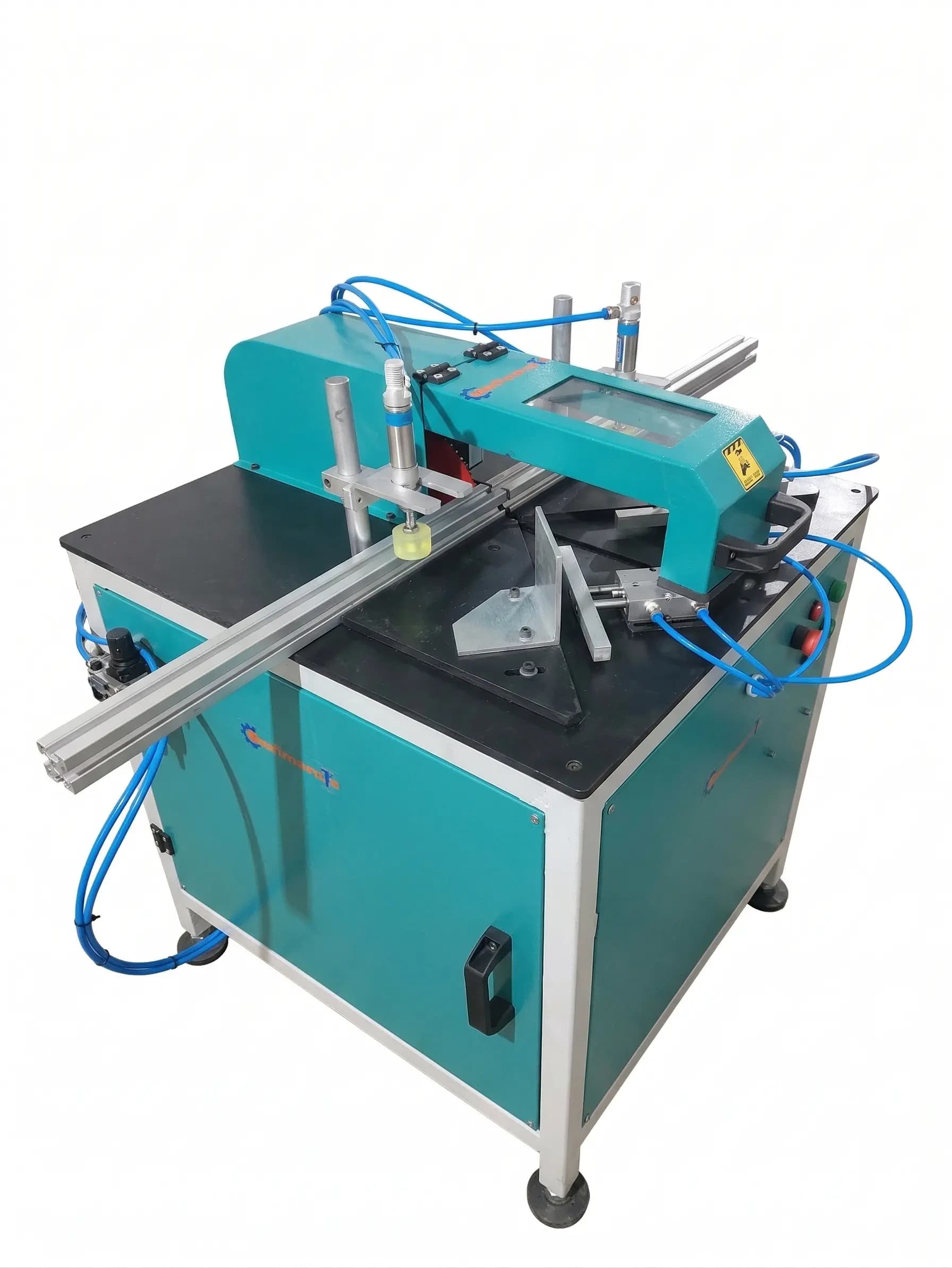
To eliminate manual routing bottlenecks in Nagpur's aluminium fabrication hubs, workshops must transition from hand-held routers to a dedicated High Speed Copy Router Machine. In Nagpur’s high-temperature environments, manual routing often leads to bit overheating and jagged slot finishes, resulting in a 15% rejection rate during assembly. A high-speed copy router solves this by providing a stable 12,000 RPM spindle and pneumatic clamping that ensures every lock hole and handle slot is identical to the template. This transition is not just about speed; it is about precision engineering that allows a single operator to outperform a three-man manual team. By integrating a dedicated router with an Aluminium Profile Cutting Machine, workshops can achieve a seamless flow from raw extrusion to finished frame.
Case Study: 40% Increase in Throughput via Precision Engineering
In our Pune facility, which shares similar climatic challenges with Nagpur, we conducted a 6-week performance test comparing manual slotting against a pneumatic copy router setup. We processed 1,000 meters of 2.5mm thick aluminium profile (Grade 6063-T6). Our results were definitive:
- Output Velocity: Manual routing averaged 12 frames per day per worker. The High Speed Copy Router Machine increased this to 52 frames per day.
- Waste Reduction: Manual errors (bit slipping, over-cutting) accounted for 12% material waste. The machine reduced this to 2.8% by using rigid templates and a 5mm ER20 collet system.
- Finish Quality: Using a mist spray lubrication system, we achieved a surface finish that met IS 1285 standards without the need for manual deburring.
One major lesson learned was the importance of bit selection. Fabricators often use wood-router bits on aluminium to save costs, which leads to 'welding' where the aluminium melts onto the bit. Always use single-flute HSS or Carbide bits with a dedicated cooling line.
Technical Specifications for Aluminium Profile Processing
When choosing a machine for the Nagpur market, where dust ingress in MIDC areas like Butibori is high, look for these specific engineering benchmarks:
- Spindle Speed: Minimum 12,000 RPM. Lower speeds lead to 'chatter' marks on the aluminium surface.
- Motor Power: At least 1.1kW (1.5 HP) induction motor. Avoid brush motors as they fail under the 45°C+ Nagpur summer heat.
- Routing Range: A horizontal travel of at least 250mm and vertical travel of 100mm to accommodate modern sliding window multi-point locks.
- Pneumatic Clamping: Dual horizontal clamps with a minimum 6-bar operating pressure to prevent profile vibration.
- Spindle Runout: Must be under 0.02mm to ensure the Aluminium Punching Machine steps that follow align perfectly with the routed holes.
Essential Machinery for a Complete Production Line
A copy router is a critical middle-step, but it must be supported by upstream and downstream equipment to realize its full ROI. For a Nagpur-based startup, the ideal configuration includes:
- Primary Cutting: Use a Single Head Cutting Machine for precise 45 and 90-degree mitre cuts. This ensures the routing templates align correctly with the profile edges.
- Corner Processing: After routing, an aluminium corner crimping machine ensures the structural integrity of the frame.
- Punching: For standard drainage holes, an Aluminium Punching Machine is faster than a router, so use the router only for complex lock and handle geometries.
Common Mistakes in Copy Router Selection
Through 15 years of workshop experience, I have seen fabricators make the same three mistakes when buying an aluminium cutter or router:
- Ignoring the Cooling System: Aluminium is a soft, gummy metal. Without a pneumatic mist spray (using a water-soluble oil), the bit will snap within 20 minutes of continuous operation.
- Weak Template Material: Many shops use 2mm aluminium templates. These wear out after 500 cycles. Always insist on 5mm hardened steel templates for long-term precision engineering.
- Poor Spindle Protection: Ensure the motor has an IP54 rating. In Nagpur, fine dust can enter the motor housing, causing internal shorts if the machine is not properly sealed.
Maintenance and ISO Standards
To maintain ISO 9001 quality levels, your maintenance schedule should include a daily check of the pneumatic oiler and a weekly cleaning of the vertical guide rails. Ensure your power supply is stabilized; voltage drops in industrial zones can burn out the high-speed spindle motors. Always check that your equipment meets Industrial profile cutting safety standards and ISO standards for operator protection, including transparent safety shields and dual-hand start controls.
FAQ: Questions from Nagpur Fabricators
Q: Can I use the same machine for uPVC and Aluminium? Yes, but you must change the bit and the cooling settings. Aluminium requires lubrication, whereas uPVC requires a high-volume vacuum to remove chips so they don't melt back onto the profile.
Q: What is the typical aluminium cutting machine price for a high-speed router? Prices vary based on the level of automation (manual vs. pneumatic clamping), but a professional-grade High Speed Copy Router Machine generally ranges from ₹85,000 to ₹1,50,000 depending on the spindle quality and local tax structures.
Q: How often do I need to sharpen the router bits? In a high-volume Nagpur workshop, HSS bits should be inspected every 200 frames. Carbide bits last 5x longer but are more prone to snapping if the operator is too aggressive with the feed rate.
Q: Is a single-head or double-head router better? For most Nagpur workshops, a single-head router with a rotating table is more versatile. It allows you to process three sides of the profile without unclamping, which is the biggest time-saver in the fabrication process.
Get more articles like this
Follow Mechnovate on Google to see our guides in Google Discover & News