High-Rise Window Joint Gaps: Bhopal Crimping Machine Guide
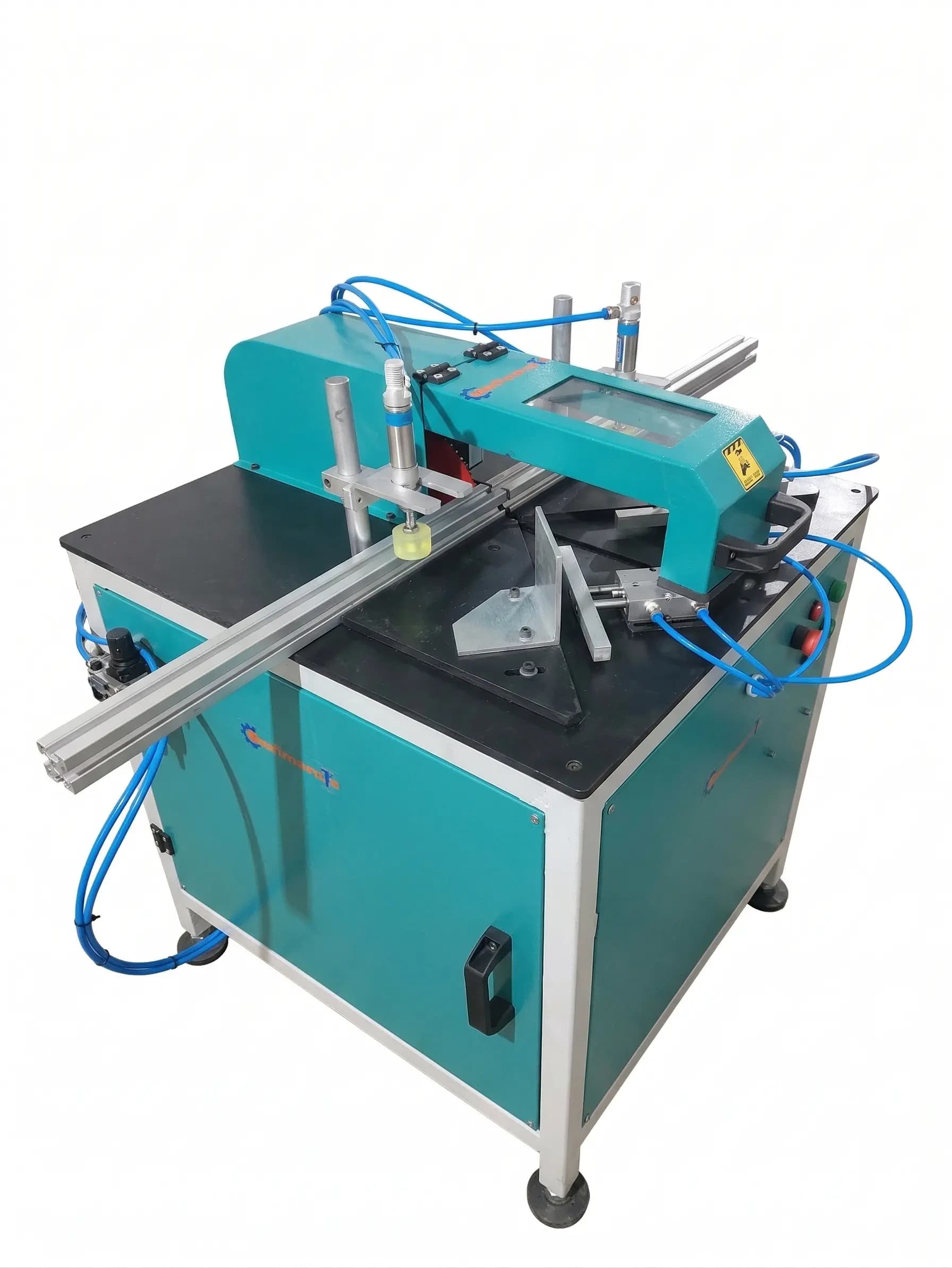
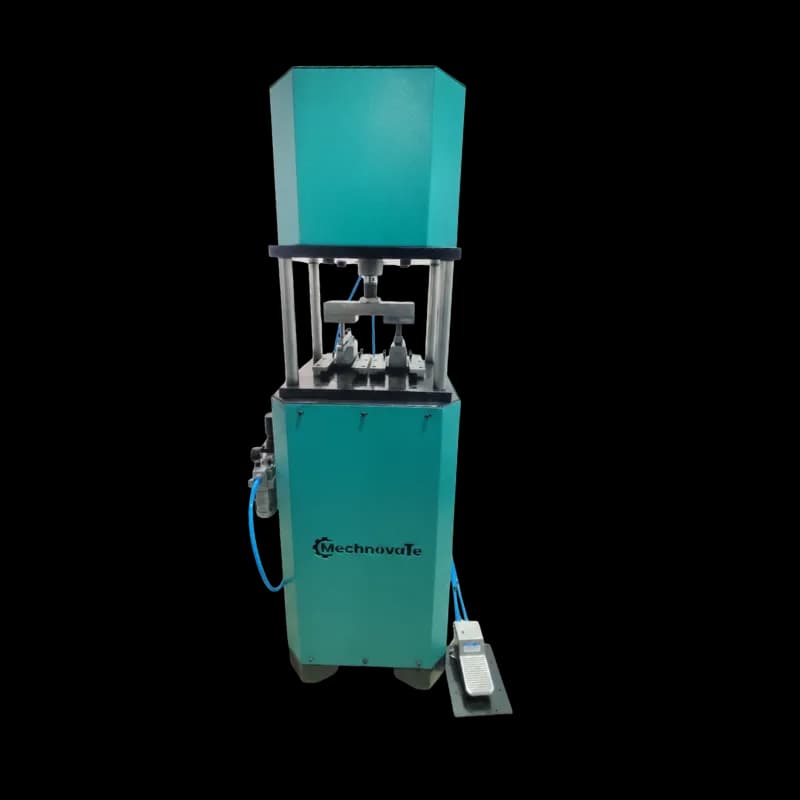
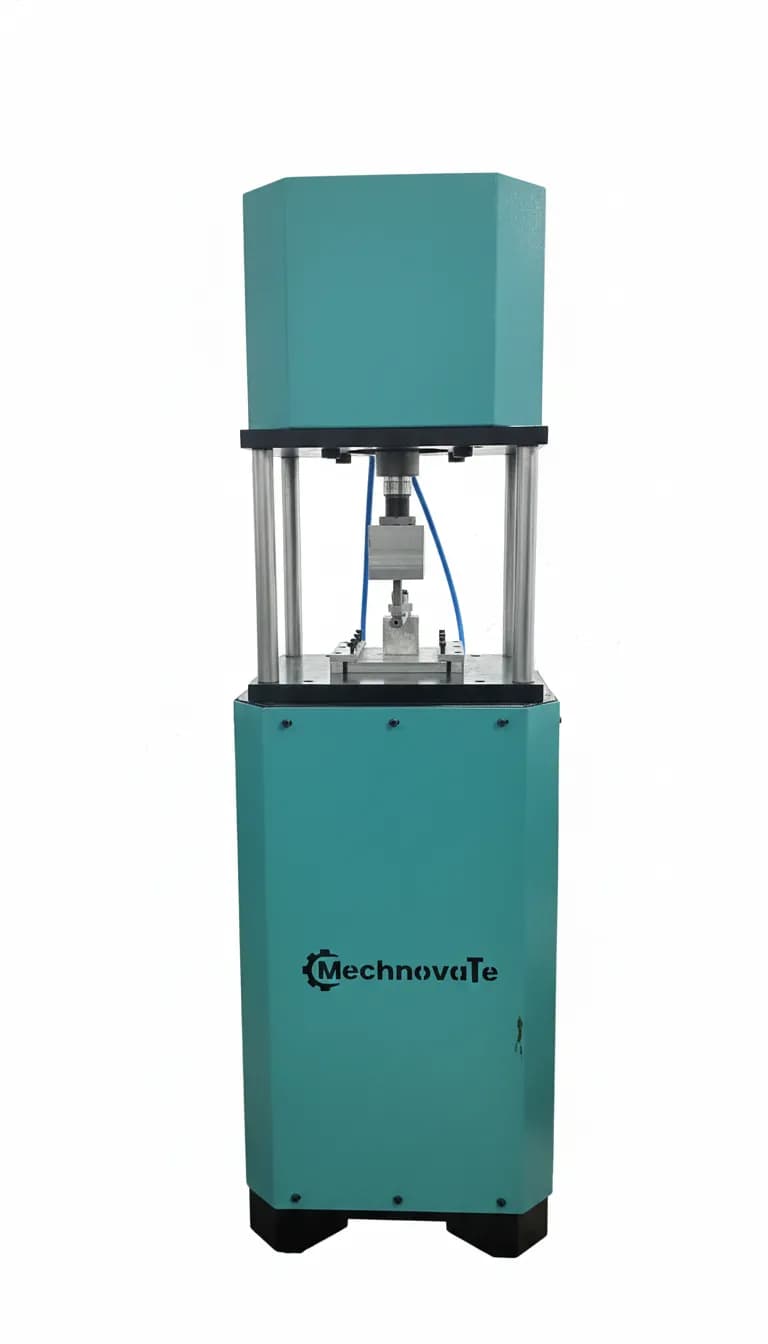
Eliminating visible joint gaps in high-rise window systems requires a hydraulic corner crimping machine capable of maintaining 80-100 bar pressure with sub-0.1mm tolerance. For workshops in Bhopal dealing with high-wind load requirements, the structural integrity of a window corner isn't just about aesthetics; it is a safety mandate. When fabricating for a 15-story or 20-story structure, a gap as small as 0.3mm can lead to air whistling, water seepage, and eventual frame failure under cyclic wind pressure. Achieving a seamless finish starts with the transition from manual punching to a precision Aluminium Corner Crimping Machine.
Why Joint Gaps Kill High-Rise Projects in Bhopal
In the Bhopal market, especially for premium residential developments in Arera Colony and Hoshangabad Road, the demand for slim-profile, high-performance windows is surging. However, many fabricators still rely on manual screws or low-pressure pneumatic crimpers. These methods fail to provide the molecular-level bite required between the aluminium profile and the internal corner cleat.
When we analyzed a failed façade project near Mandideep last year, the 'gap' wasn't a cutting error; it was a result of 'spring-back' during the crimping process. If your aluminium window corner crimping machine price research led you to a machine with insufficient hydraulic clamping, the aluminium profile will slightly revert to its original shape after the knives retract. This creates a hairline gap that expands over time. To avoid this, Bhopal workshops must prioritize machines with adjustable knife positions and synchronized hydraulic power units that comply with IS 1285 and BS EN 12020 standards.
Case Study: Reducing Rejects in a Bhopal High-Rise Project
During a 12-week consultation for a large-scale fabrication unit in the Govindpura Industrial Area, we addressed a 15% rejection rate on corner joints for a 22-story project. The workshop was using a standard aluminium cutting machine 12 inch for miters, but the corners were opening up post-installation.
Our Intervention Process:
- Equipment Upgrade: We replaced their entry-level pneumatic press with a heavy-duty hydraulic corner crimping machine featuring a 3kW motor.
- Calibration: We synchronized the double head miter saw for aluminium profiles price with the crimper's knife thickness to ensure the 'bite' occurred exactly at the cleat's center.
- Pressure Optimization: We increased the working pressure from 60 bar to 95 bar for 2.5mm thick high-rise profiles.
- Result: Cutting waste dropped from 8% to 2%, and joint gap complaints were eliminated entirely. The output increased from 35 frames to 55 frames per day.
Technical Specifications for Bhopal’s Fabrication Standards
When selecting machinery, you must look beyond the generic label of 'aluminum window fabrication machinery'. High-rise projects demand specific engineering tolerances. A high-quality aluminium punching machine or crimper should offer:
- Hydraulic Force: Minimum 48kN to 60kN for 2mm+ wall thickness.
- Profile Processing Range: Ability to handle heights up to 120mm to accommodate reinforced mullions.
- Knife Adjustment: Micro-metric adjustment for the knifing depth to ensure the cleat is engaged without deforming the outer surface.
- Power Stability: Given Bhopal’s industrial voltage fluctuations, ensure the machine uses Schneider or Siemens electrical components and a heavy-duty hydraulic oil pump (using ISO VG 46/68 oil).
If your workshop also handles uPVC, integrating a upvc window manufacturing machine alongside your aluminium line is a common strategy. However, remember that the structural requirements for upvc windows machinery differ vastly. While a upvc welding machine creates a fused joint, aluminium relies on the mechanical 'cold-weld' of the crimping process.
Choosing the Right Aluminium Window Corner Crimping Machine Price vs. Value
The aluminium window corner crimping machine price in the Indian market typically ranges from ₹3,50,000 for basic single-head units to over ₹8,50,000 for automatic high-speed lines. For a Bhopal-based startup, a mid-range hydraulic machine (around ₹4.5L to ₹5.5L) offers the best ROI.
Cost vs. Capability Comparison:
- Entry-Level (Pneumatic): Good for residential casement windows. Not recommended for high-rises due to pressure limitations.
- Standard Hydraulic: The 'workhorse' for Bhopal workshops. Handles most high-rise profiles with ease. Includes a manual punching machine as a secondary tool.
- Automatic Production Lines: Includes an automatic aluminium window production line price analysis. These are for fabricators doing 100+ windows a day and looking for CNC-level precision.
Don't forget the importance of the preparatory phase. Even the best crimper can't fix a bad cut. Investing in an automatic double head cutting machine price India search is vital to ensuring your 45-degree miters are perfect before they reach the crimper.
Common Mistakes in Corner Crimping Selection
- Ignoring Profile Height: Many Bhopal fabricators buy a machine that can't accommodate larger sliding door profiles. Ensure your machine can handle a minimum of 100mm-120mm profile height.
- Under-powering the Pump: A 1.5kW motor is often insufficient for continuous 10-hour shifts. Look for 2.2kW or 3kW motors for long-term durability.
- Skipping the End Milling: For high-rise windows, the mullion must fit perfectly. A heavy duty aluminium profile end milling machine is essential to prepare the profiles before they are joined.
- Poor Quality Cleats: Even with a high-end aluminium cutting machine, using cheap, recycled aluminium cleats will cause joint failure under thermal expansion.
Maintenance and Safety: ISO Standards
Following Industrial profile cutting safety standards ISO standards is non-negotiable. Always ensure the machine has a dual-hand safety start button to prevent hand injuries. The hydraulic oil should be changed every 1500 working hours to maintain the 0.01mm repeatability that precision engineering requires. For those expanding into upvc window manufacturing machinery, the maintenance routine changes from oil-centric to heater-plate-centric cleaning.
FAQ: Expert Insights for Bhopal Fabricators
Q1: Can I use a pneumatic crimper for 15th-floor balcony windows? A: No. Pneumatic machines rarely provide the consistent pressure (80+ bar) required to withstand the high wind loads at that height. You risk joint separation over time.
Q2: What is the lead time for an automatic aluminium corner crimping machine in Bhopal? A: Most reputable manufacturers offer delivery within 10-15 days, including on-site installation and technician training at your facility.
Q3: Does the machine price include the knifing sets? A: Standard machines come with one set of knives. However, for diverse profiles (casement vs. sliding), you may need custom-ground knives. Always factor this into your initial budget.
Q4: Is there a service center for uPVC window machinery in Madhya Pradesh? A: Yes, Mechnovate and other major manufacturers provide local service support in Bhopal and Indore, ensuring your upvc window manufacturing machines have minimal downtime.
Get more articles like this
Follow Mechnovate on Google to see our guides in Google Discover & News