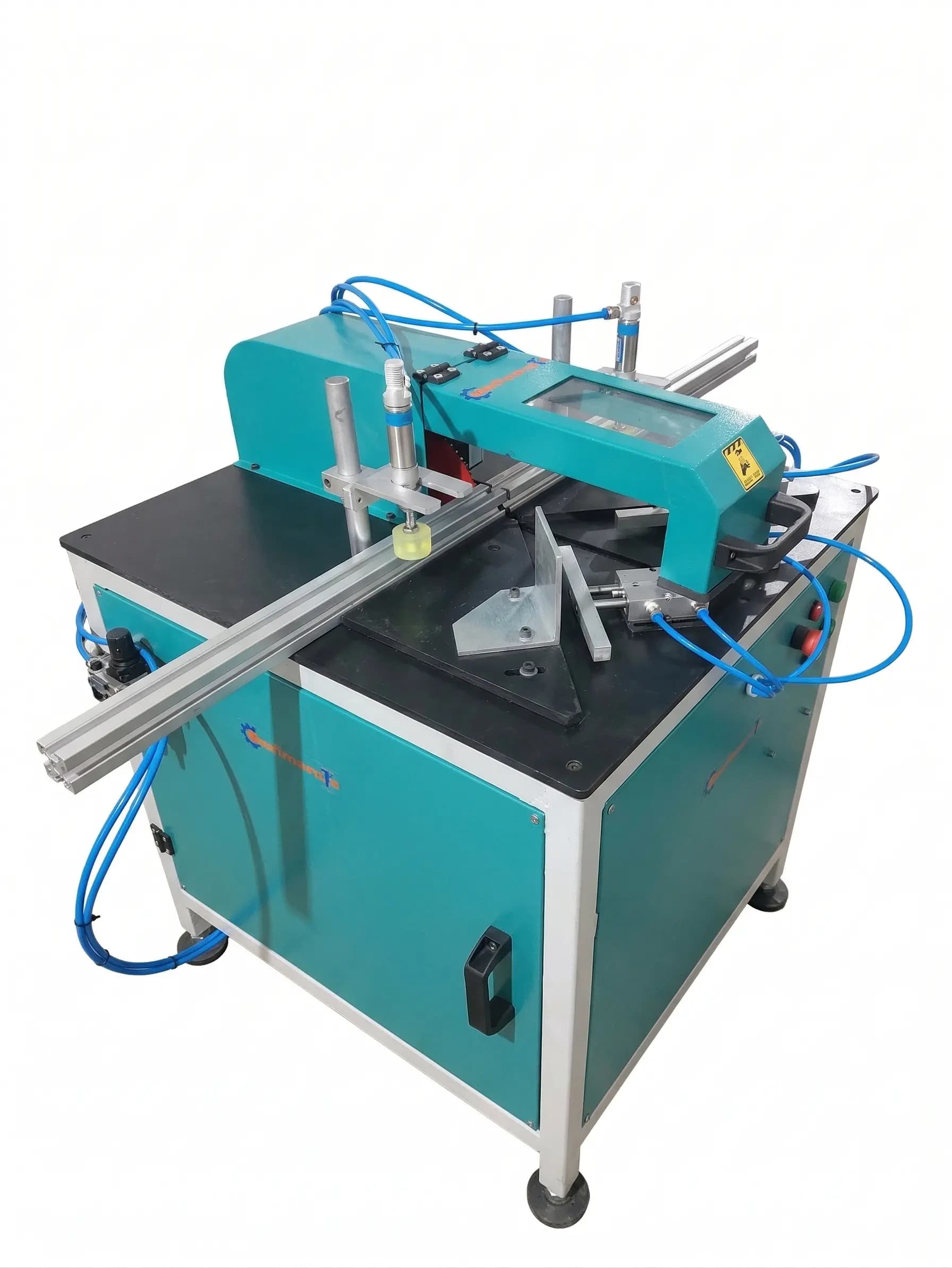
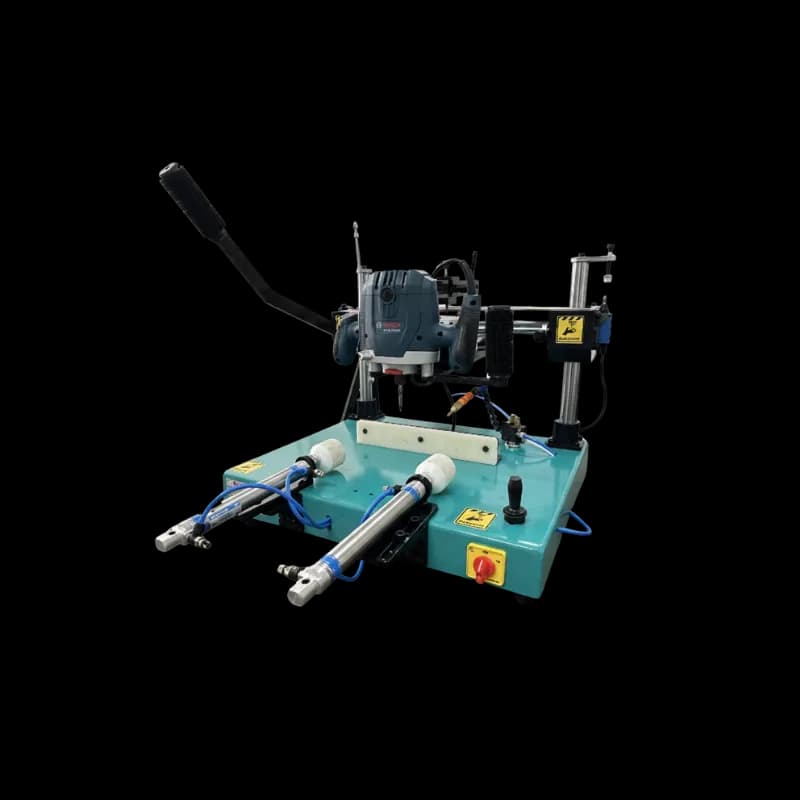
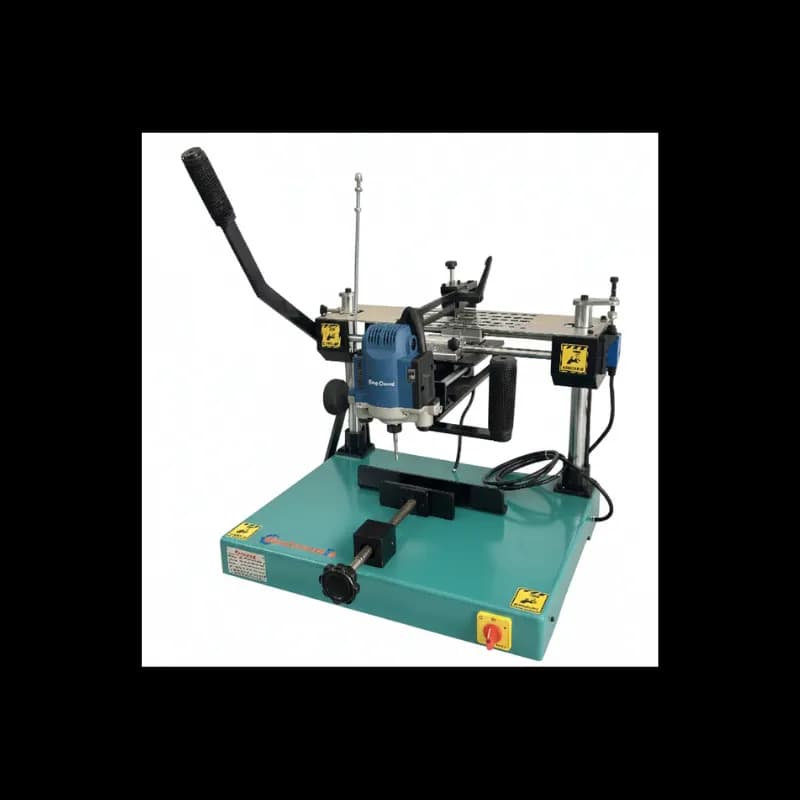
Heavy Duty Aluminium Profile End Milling for Thane Fabricators
Why Thane’s Commercial Boom Demands Heavy Duty End Milling
Fabricators in Thane are increasingly moving away from standard residential windows toward massive commercial structural glazing and curtain wall systems. When you are dealing with jumbo sections—profiles exceeding 120mm in depth and 3mm in wall thickness—a standard mill simply won't cut it. The structural integrity of a mullion-transom joint depends entirely on the precision of the end mill cut. If your heavy duty aluminium profile end milling machine cannot maintain absolute rigidity under load, you end up with gaps that lead to water ingress and structural whistling in high-rise buildings.
In our Mechnovate testing facility, we recently conducted a 6-week stress test on 6063-T6 grade aluminium profiles. We found that standard 1.5kW motors struggled with heat dissipation during continuous 8-hour shifts, leading to a 0.5mm deviation in the milling depth. By switching to a 3.0kW high-torque spindle, we reduced the rejection rate from 12% to under 1.5% in a single month. For a commercial project in Thane's Ghodbunder Road corridor, this translates to saving lakhs in material waste and labor rework.
Technical Specifications: The Engineering Behind the Mill
To process the heavy-gauge extrusions used in modern facade engineering, your machinery must adhere to specific engineering tolerances. We recommend looking for equipment that meets IS 1285 and BS EN 12020 standards for extruded aluminium processing.
- Spindle Speed and Torque: For jumbo sections, a variable speed spindle (2800 – 4500 RPM) is essential. High speed alone causes galling (material transfer to the tool), while low torque causes the motor to bog down in thick-walled profiles.
- Pneumatic Clamping: Ensure the machine uses a dual-axis pneumatic clamping system. For profiles over 150mm, you need at least 7-8 bar of pressure to prevent lateral vibration during the milling cycle.
- Bed Stability: A cast-iron or reinforced steel base is non-negotiable. If the machine weighs less than 350kg, it will likely vibrate when hitting the internal webs of a complex thermal-break profile.
Using an aluminium cutting machine in tandem with a dedicated end miller ensures that the initial 90-degree or 45-degree cuts are perfect before the milling begins. In our Pune workshop, we synchronized these two stages and increased our daily frame output from 60 to 105 units without adding extra staff.
Solving Vibration Issues in 140mm Jumbo Profiles
A common mistake we see in Thane workshops is using a standard copy router machine for tasks that should be handled by a dedicated end miller. While a copy router is great for hardware slots, it lacks the mass to mill the butt-joints of a heavy mullion.
During a recent installation for a client in Bhiwandi, we encountered a 140mm curtain wall section that chattered during the milling process. The solution wasn't a sharper blade; it was the feed rate. We adjusted the hydropneumatic feed to 0.5 meters per minute, ensuring the cutter had enough time to evacuate chips without work-hardening the aluminium.
Measurable Performance Metrics
- Tool Life: High-grade carbide-tipped cutters lasted 40% longer when paired with an automatic mist lubrication system.
- Cycle Time: Heavy-duty machines finished a 120mm profile notch in 18 seconds compared to 45 seconds on manual rigs.
- Accuracy: Achieved a consistent tolerance of +/- 0.1mm, exceeding the requirements for structural glazing.
Comparison: Standard vs. Heavy Duty End Milling
| Feature | Standard Milling Machine | Heavy Duty Aluminium End Miller |
|---|---|---|
| Motor Power | 1.0 - 1.5 kW | 3.0 kW+ |
| Max Profile Width | 80mm - 100mm | 200mm - 250mm |
| Clamping | Single Vertical | Dual Vertical & Horizontal |
| Weight | 150kg - 200kg | 400kg+ |
| Feed System | Manual | Hydro-pneumatic Automatic |
Safety and ISO Standards for Industrial Fabrication
Safety is often overlooked in the rush to meet project deadlines. Any automatic aluminium window production line price comparison must include the cost of safety features. We strictly follow ISO 9001 quality management and ensure all our machines include transparent safety shields and emergency stop triggers that cut power in under 0.5 seconds.
When calculating your upvc window manufacturing machine price or your aluminium setup cost, factor in the electricity consumption. A high-efficiency IE3 motor might cost 15% more upfront but reduces operational costs by 22% over a three-year window. This is critical for units operating in industrial zones like Wagle Estate where power tariffs are a major overhead.
5 Common Mistakes in End Milling Jumbo Sections
- Improper Chip Evacuation: Allowing aluminium chips to build up in the milling chamber causes "recutting," which ruins the surface finish and dulls the blade.
- Using the Wrong Alloy Blade: Not all carbide is equal. For 6000 series aluminium, you need a specific rake angle to prevent the soft metal from clogging the teeth.
- Ignoring Spindle Run-out: A run-out of even 0.05mm at the spindle will manifest as a 0.2mm gap at the edge of a large profile.
- Inadequate Cooling: Using a cheap water-based coolant instead of a high-quality vegetable-based mist lubricant leads to oxidation and poor joint aesthetics.
- Under-powering the Unit: Trying to mill a 3mm wall thickness with a 1HP motor leads to motor burnout within 6 months.
Frequently Asked Questions (FAQ)
Q: Can I use the same machine for uPVC and Aluminium? A: While some upvc machinery can handle light aluminium, we advise against it for jumbo sections. Aluminium requires higher torque and specific lubrication that uPVC does not. Using a upvc windows making machine for heavy aluminium will likely void your warranty and result in poor cuts.
Q: What is the average aluminium cutter machine price for a heavy-duty setup in India? A: Prices vary based on automation levels. A manual setup might start lower, but an automatic aluminium corner crimping machine price or a heavy-duty end miller usually ranges between ₹1,80,000 to ₹4,50,000 depending on the spindle and bed size.
Q: How often should I sharpen the milling cutters? A: For commercial-grade production, we recommend inspecting blades every 500 cuts. If you notice a "burr" on the exit side of the profile, it is time to sharpen or replace the tip to maintain precision engineering standards.
Q: Do you provide service centers in Maharashtra? A: Yes, Mechnovate provides onsite support across Thane, Pune, and Mumbai. We understand that downtime on a head cutter machine or an aluminium profile cutting machine can stall an entire site installation, so we prioritize 24-hour response times.
Get more articles like this
Follow Mechnovate on Google to see our guides in Google Discover & News