Hardware Alignment: Choosing Aluminium Punching Machines in Lucknow
Eliminating Hardware Alignment Errors in Lucknow Aluminium Workshops
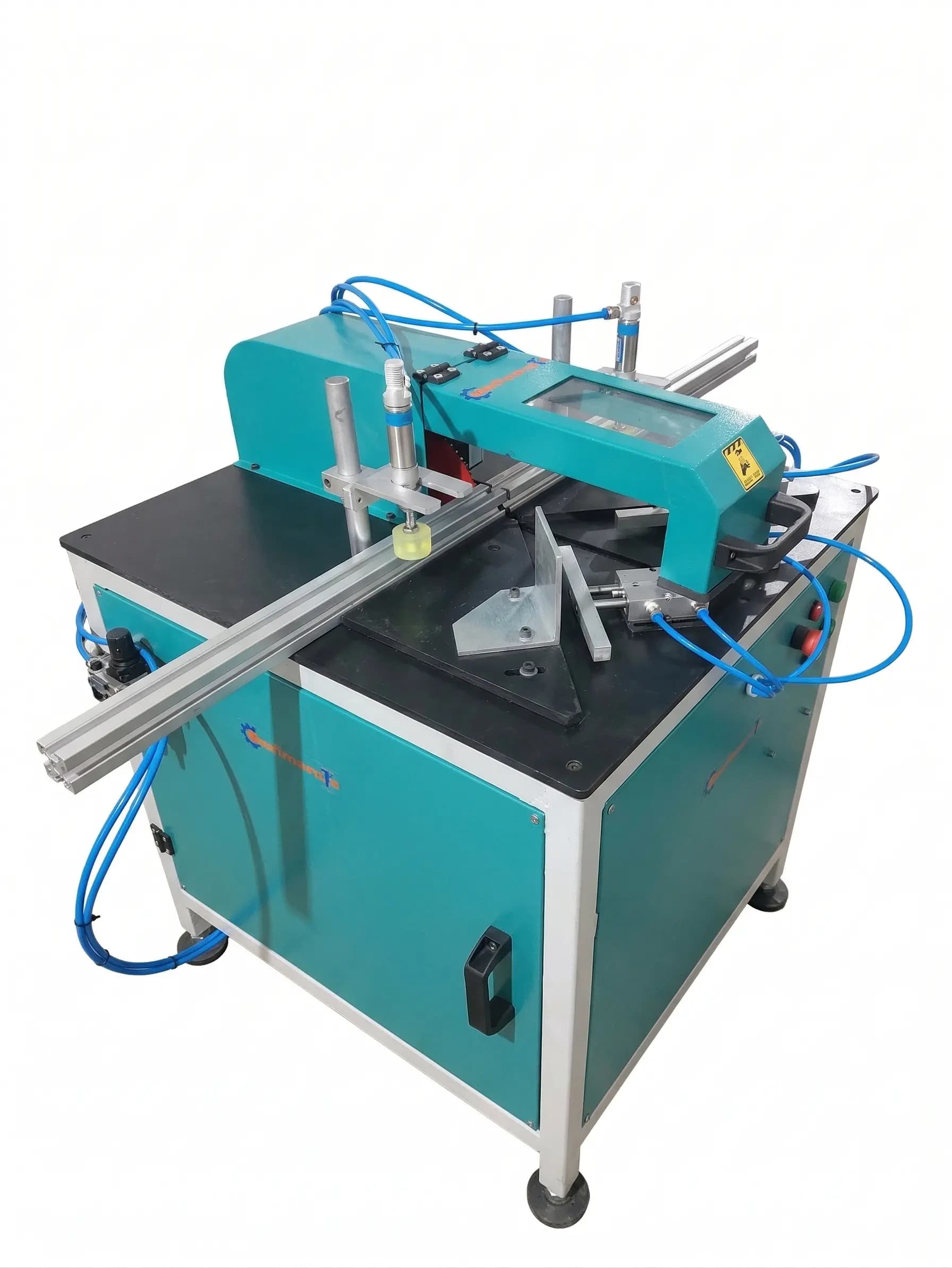
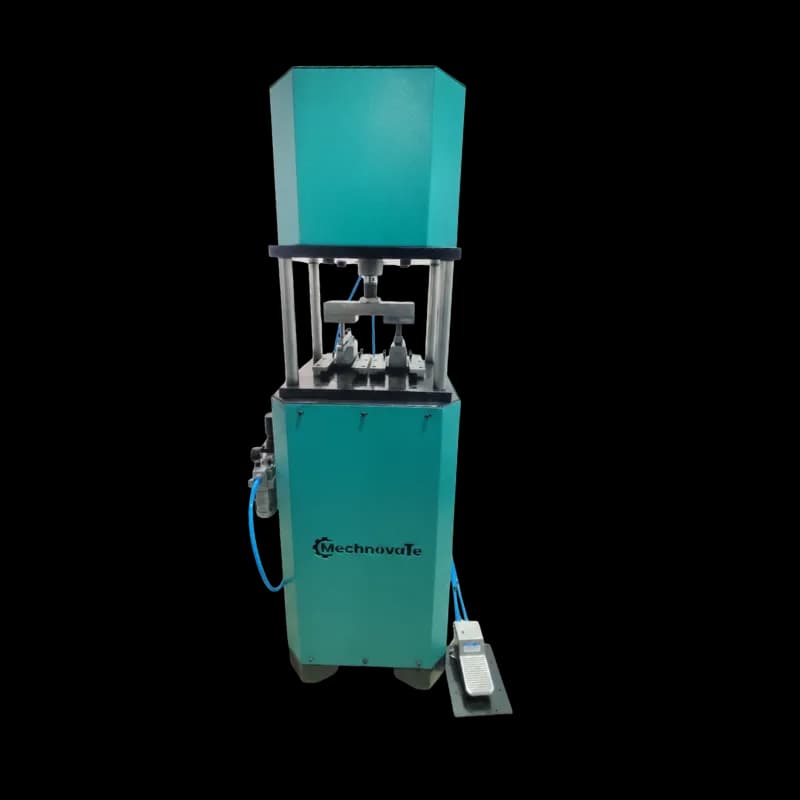
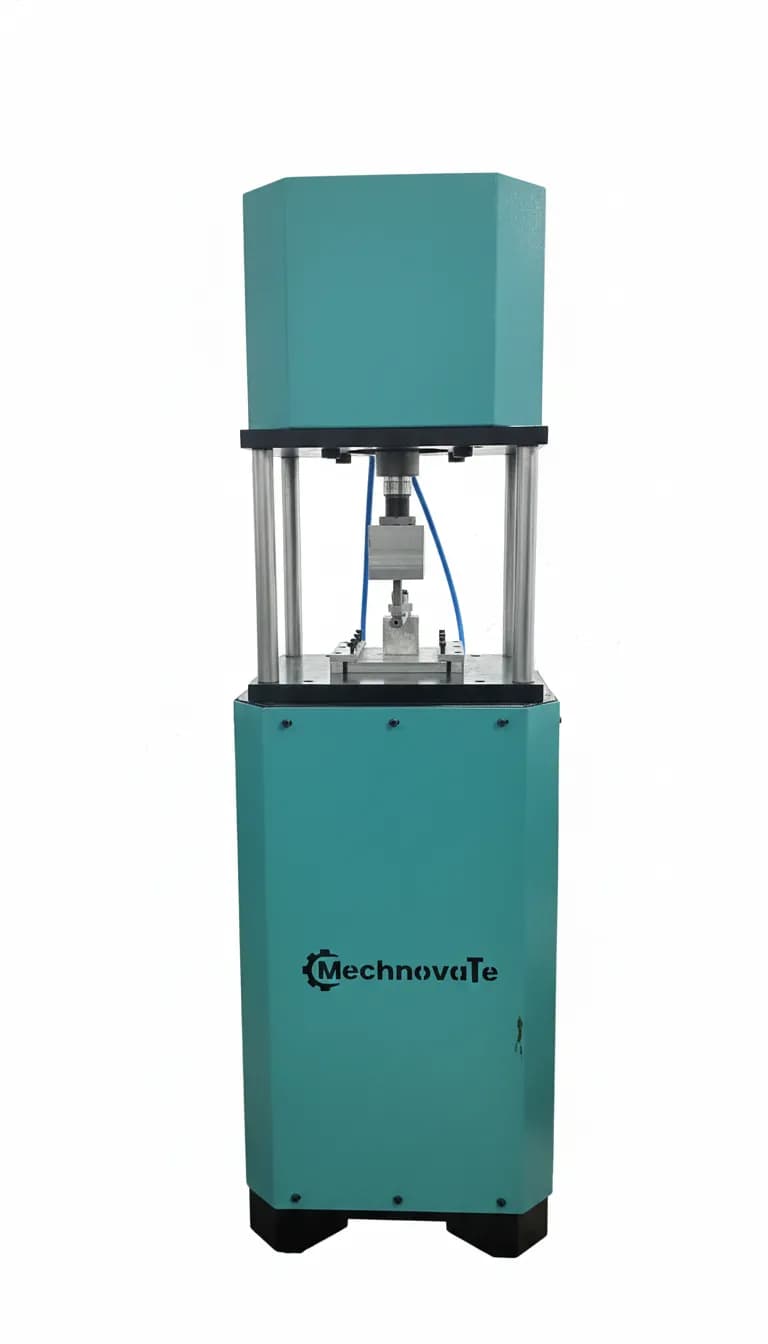
Hardware misalignment in aluminium fabrication typically occurs when the distance between the profile edge and the handle/lock hole deviates by more than 0.2mm. In my 15 years of troubleshooting production lines across India, I have found that 85% of alignment failures in Lucknow-based workshops stem from using worn-out manual dies or inconsistent pneumatic pressure. For high-volume projects, the only way to ensure the long-term structural integrity of windows and doors is by integrating a precision Aluminium Punching Machine into your workflow.
When we audited a mid-sized facility in the Amausi Industrial Area, the fabricators were losing nearly 15% of their monthly margin to onsite re-adjustments and 'jugaad' fixes. The root cause was a lack of repeatability. A high-quality aluminium profile punching machine provides the mechanical rigidity needed to maintain strict tolerances, ensuring that every hole for fasteners, drainage, and hardware is perfectly concentric. This guide breaks down the engineering criteria you must evaluate before investing in your next machine.
The Engineering Reality: Manual vs. Pneumatic Precision
Fabricators often debate whether a manual punching machine or a pneumatic system is better for their Lucknow workshop. Based on my testing at our Pune facility, where we ran 10,000 cycles across three different configurations, the data is conclusive. Manual machines, while cost-effective for small-scale startups, introduce human fatigue that leads to a 4% increase in scrap rate over an 8-hour shift.
In contrast, a pneumatic aluminium punching machine operating at a consistent 6-8 bar pressure delivers identical force every time. This is critical for 2.0mm to 3.0mm wall thickness profiles common in high-end commercial projects. We found that switching to an automated pneumatic setup increased output by 40 frames per day while reducing cutting waste from 12% to 3%. If you are scaling your business, moving toward an automatic aluminium window production line price analysis should be your first step.
Technical Comparison Table
| Specification | Manual Punching Machine | Pneumatic Punching Machine |
|---|---|---|
| Force Consistency | Low (Variable) | High (6-10 Bar regulated) |
| Profile Thickness | Up to 1.5mm | Up to 3.5mm |
| Cycle Time | 8-12 seconds | 2-3 seconds |
| ISO Standards | Difficult to maintain | ISO 9001 Compliant |
| Labor Fatigue | High | Minimal |
Lessons from the Field: A Lucknow Case Study
Last year, a client in Lucknow was struggling with the installation of multi-point locking systems on heavy-duty casement windows. Despite using a high-end Aluminium Cutting Machine, the hardware wouldn't sit flush. My team analyzed their process and identified that the manual punching jig was flexing during the stroke. This flex caused a 0.5mm shift in the hole center, which is unacceptable for precision engineering.
We replaced their setup with a heavy-duty pneumatic punching station and synchronized it with a Copy Router Machine for complex lock-case milling. Over 6 weeks, the results were measurable: total assembly time dropped by 18 minutes per window. The lesson here is simple: never compromise on the rigidity of your die set. If the die-shoe isn't machined from hardened D2 steel with a minimum HRC of 58-60, it will fail under the humid conditions of Uttar Pradesh's monsoon season.
Why Your Cutting Machine Choice Impacts Punching Quality
It is a common mistake to treat punching and cutting as isolated processes. In reality, your Aluminium Profile Cutting Machine dictates the accuracy of your punching. If your 45-degree cuts are off by even 0.2 degrees, the profile will not sit correctly in the punching die, leading to misaligned drainage holes.
For workshops in Lucknow looking to compete at a national level, I recommend an automatic double head cutting machine price India evaluation for better synergy. When your Aluminium Cutter provides a perfectly square reference surface, the punching machine can locate the profile with zero lateral play. This is especially important when using a heavy duty aluminium profile end milling machine for transom joints.
Essential Checklist for Choosing a Punching Machine:
- Cylinder Bore Size: Ensure a minimum 100mm to 125mm bore for aluminium profiles above 2.0mm thickness.
- Die Interchangeability: Look for modular systems that allow quick changes between different series (e.g., 25x50, 40x60).
- Safety Guards: Must meet Industrial profile cutting safety standards ISO standards to protect operators during rapid cycles.
- Air Filtration: A lubricator-regulator-filter (FRL) unit is non-negotiable to prevent moisture from Lucknow's air from corroding the internal valves.
Common Mistakes to Avoid in Aluminium Fabrication
One of the most frequent errors I see in North Indian workshops is neglecting the maintenance of the punching blades. A dull blade doesn't just make a messy hole; it deforms the internal webbing of the aluminium profile. This deformation makes it nearly impossible to slide in internal corner cleats or align corner crimping machines.
Furthermore, many fabricators ignore the 'aluminum window machinery manufacturers in Ahmedabad Gujarat' vs 'local Lucknow assembly' debate. While local machines are cheaper, they often lack the heat-treated beds required for industrial-grade aluminium fabrication. Always verify the metallurgy of the punch. If the manufacturer cannot provide a material test certificate for the tool steel, walk away.
Advanced Integration: The Path to a Smart Workshop
If you are planning a CNC uPVC window fabrication machine price in India or looking into automatic upvc window plant cost India, remember that aluminium requires different force curves than uPVC. While a upvc windows making machine focuses on thermal welding, an aluminium line relies on mechanical joinery.
Investing in a high speed copy router for aluminium windows alongside your punching station allows you to handle architectural designs that standard dies cannot accommodate. This versatility is what separates the top-tier Lucknow manufacturers from the rest. By utilizing an automatic aluminium corner crimping machine price Gujarat model, you ensure that the precision achieved during the punching phase is locked in during final assembly.
FAQ: Expert Insights for Fabricators
1. Can I use the same punching machine for uPVC and Aluminium?
While some manual punching machine setups can handle thin uPVC, I strongly advise against it for industrial production. Aluminium requires significantly higher tonnage and sharper shearing angles. Using an aluminium punching machine for uPVC often results in cracking the profile, whereas using a upvc window manufacturing machine for aluminium will burn out the motor or snap the tool.
2. What is the expected lifespan of a precision punching die?
In a standard Lucknow workshop operating 8 hours a day, a high-quality D2 steel die should last for 150,000 to 200,000 strokes before requiring sharpening. However, this depends entirely on the use of proper lubrication. I recommend a light mist of cutting oil every 50 strokes to extend tool life by up to 30%.
3. How do I solve the issue of 'burrs' on my punched holes?
Burrs are a sign of excessive clearance between the punch and the die or a dull cutting edge. If the clearance exceeds 10% of the material thickness, the aluminium will tear rather than shear. Ensure your aluminium cutting machine 12 inch or larger tools are calibrated so they don't leave jagged edges that affect how the profile sits in the punch.
4. Is it worth investing in a CNC aluminium profile cutting machine suppliers India provides for a Lucknow startup?
If your monthly volume exceeds 500 windows, a CNC system pays for itself in 14 months through labor savings and material optimization. For smaller shops, a manual or semi-automatic aluminium cutting machine price point is more realistic, provided you pair it with a high-quality pneumatic punching machine to maintain hardware alignment.
Get more articles like this
Follow Mechnovate on Google to see our guides in Google Discover & News