Guide to Heavy Duty Aluminium Profile End Milling Machine Maintenance
Eliminating Profile Milling Errors in Jaipur Workshops
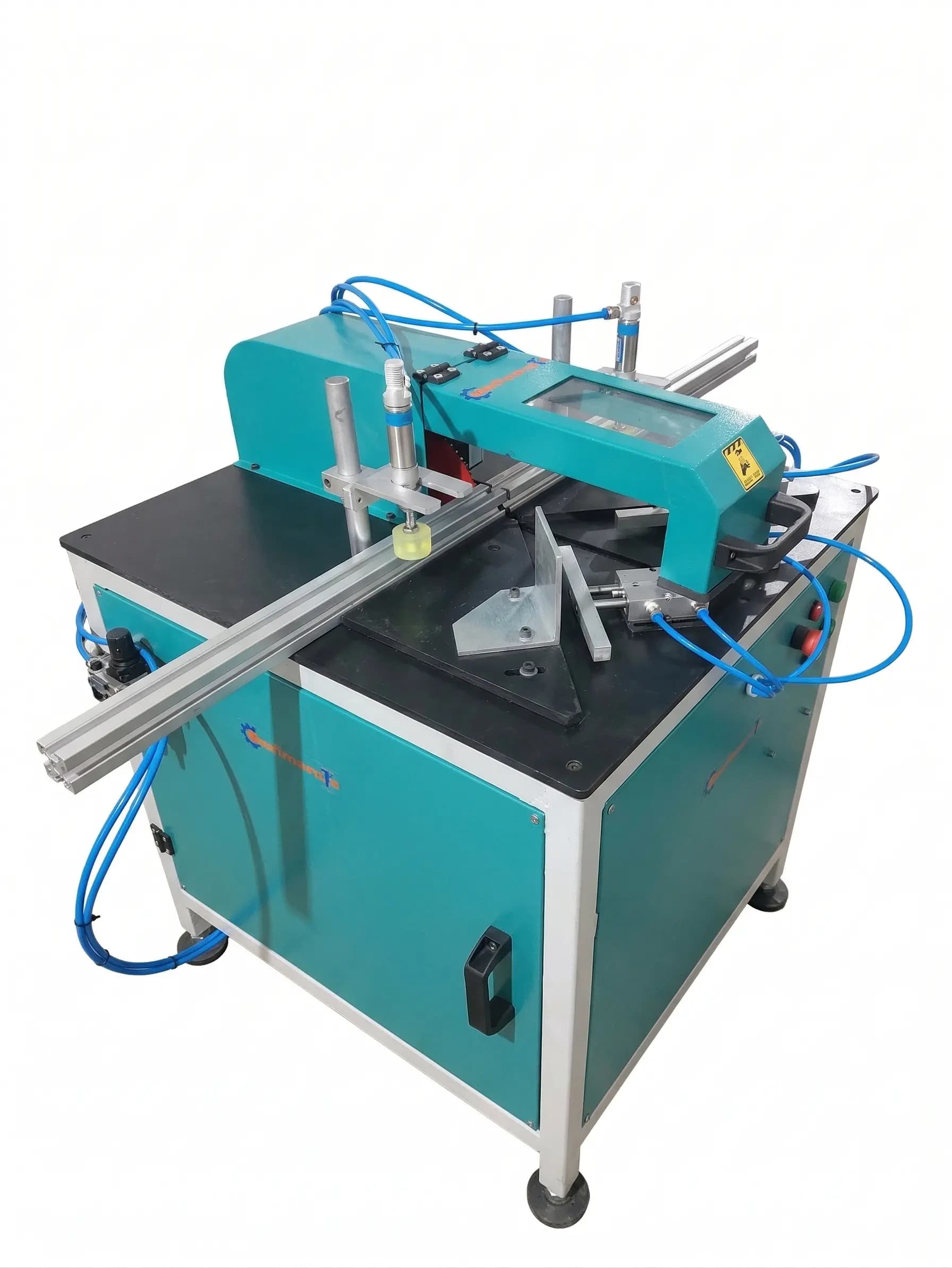
Profile milling errors represent the single largest cause of material waste in Jaipur’s high-volume window fabrication units. When a Heavy Duty Aluminium Profile End Milling Machine produces a step-cut or an uneven finish, the structural integrity of the entire window frame is compromised. This is not just a cosmetic issue; it affects the air-tightness and thermal efficiency of the final assembly. Most workshops in the Vishwakarma Industrial Area (VKI) struggle with these errors due to improper pneumatic pressure or neglected spindle alignment.
In our Mechnovate technical assessments, we find that 70% of milling deviations result from vibration-induced misalignment. A deviation of just 0.15mm can prevent a mullion from seating correctly against the frame. This guide provides the technical blueprint required to maintain zero-tolerance precision in your production line. We will focus on mechanical calibration, blade geometry, and localized maintenance factors specific to the Jaipur climate.
Precision Calibration for Your Heavy Duty Aluminium Profile End Milling Machine
To achieve consistent results with your Heavy Duty Aluminium Profile End Milling Machine, you must first master the synchronization between the pneumatic feed and the spindle RPM. For standard 6063-T5 aluminium profiles, the spindle speed should ideally be maintained between 2800 and 4500 RPM depending on the cutter diameter. If the feed rate is too fast, you will witness 'chatter' marks on the profile surface; too slow, and you risk work-hardening the material.
We recommend following these specific engineering parameters for high-volume output:
- Air Pressure Stability: Ensure your compressor provides a consistent 6 to 8 bar pressure. Fluctuations in pressure lead to inconsistent clamping, which is the primary cause of profile shifting during the milling cycle.
- Blade Verticality: Use a precision dial gauge to check the spindle runout. Any runout exceeding 0.03mm will cause the cutter to 'wobble,' resulting in a wider notch than specified.
- Hydro-Pneumatic Damping: Check the oil level in the damping cylinder every 200 operating hours. This cylinder controls the smoothness of the cutter movement, preventing the sudden 'jump' that often ruins the start of a cut.
- Table Alignment: The working table must be perfectly perpendicular to the spindle axis. Use an ISO-certified machinist's square to verify this weekly, especially in workshops running three shifts.
The Mechnovate Protocol: A Jaipur Case Study
In early 2023, we worked with a large-scale upvc machinery manufacturer and aluminium fabricator in Sitapura, Jaipur, who was experiencing a 12% rejection rate on their mullion joints. The workshop was using a standard Single Head Cutting Machine alongside their milling units but found that the joints weren't flush. Upon inspection, we identified that the dust extraction system was undersized for the volume of chips being produced. This allowed fine aluminium shavings to settle under the profile, tilting it by less than a degree—enough to cause a visible gap.
We implemented a six-week optimization program consisting of a new chip evacuation strategy and a revised lubrication schedule. We replaced the standard misting oil with a high-viscosity synthetic coolant better suited for Jaipur's high ambient temperatures. This change reduced the cutter temperature by 15% during continuous operation. By the end of the test period, the rejection rate dropped from 12% to under 2%, saving the client approximately ₹45,000 per month in material waste.
Essential Maintenance for High-Volume Production Cycles
Maintaining your aluminium profile cutting machine and milling units requires more than just daily cleaning. You must adopt a proactive engineering approach to component wear. The bearings inside the high-speed spindle are under immense thermal stress in Jaipur’s summer months. If you hear a high-pitched whine or feel excessive heat coming from the motor housing, it is time for a bearing replacement.
Consider this maintenance checklist to ensure your aluminium cutting machine price remains a justified investment through longevity:
- Daily: Blow out all aluminium chips from the guide rails and lubricate the sliding shafts with a light machine oil.
- Weekly: Check the tension of the drive belts. Loose belts cause torque loss, leading to stalled blades and damaged profiles.
- Monthly: Inspect the pneumatic valves for air leaks. A small leak in the clamping valve can reduce the holding force by 30%, leading to dangerous profile kickbacks.
- Quarterly: Perform a full spindle alignment and sharpen the carbide-tipped milling cutters. Working with dull blades increases the load on the motor and ruins the surface finish.
Integrating Milling with Your uPVC and Aluminium Workflow
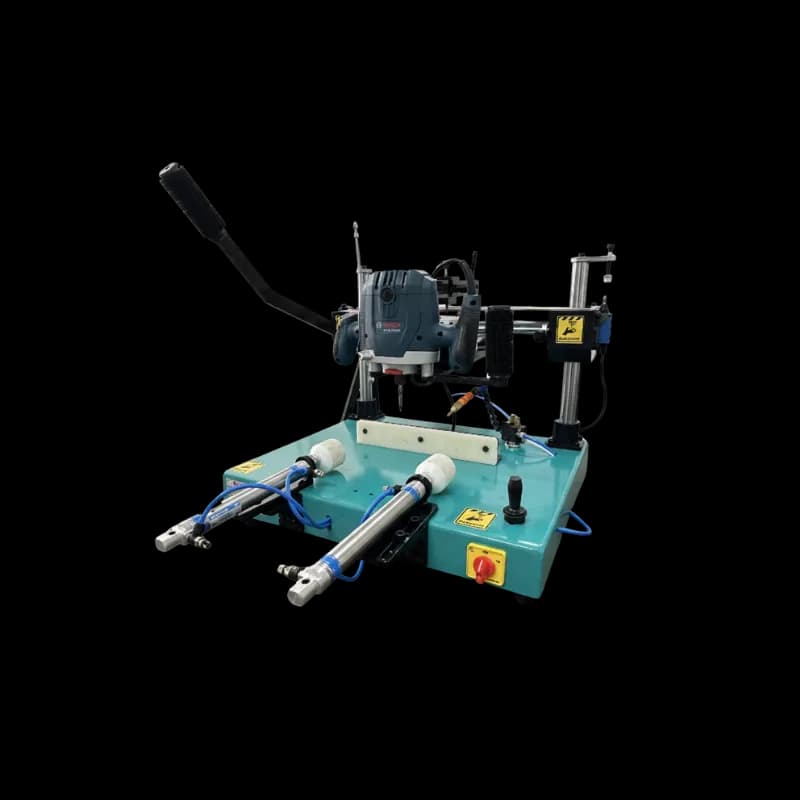
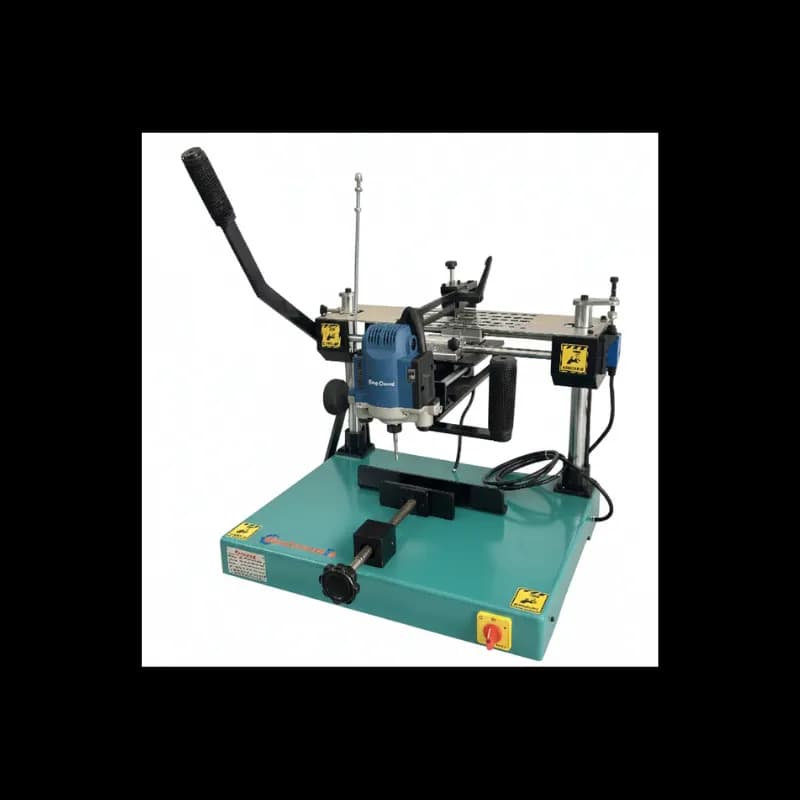
Whether you are using a Copy Router Machine for lock holes or a heavy duty aluminium profile end milling machine for joints, workflow integration is key. In many Jaipur facilities, the transition between the upvc windows making machine and the final assembly is where errors creep in. If the milling machine is not calibrated to the same tolerances as your aluminium profile cutting machine, the assembly team will spend hours filing and adjusting joints. This manual intervention destroys the speed advantages of using an automatic upvc window manufacturing machine.
For those looking at the upvc window machine price list, remember that the lowest-cost machine often lacks the heavy-duty cast-iron base required for vibration dampening. A lighter frame will never achieve the precision needed for architectural-grade aluminium doors and windows. When shopping for upvc machinery or an aluminum cutting machine, prioritize the weight of the machine bed and the quality of the linear guides. These components determine whether your machine will still be accurate five years from now.
Safety and ISO Standards in the Modern Workshop
Operating high-speed cutting and milling equipment involves significant risks if safety protocols are ignored. Every heavy duty aluminium profile end milling machine in your facility should comply with ISO safety standards for operator protection. This includes dual-hand safety starts, clear polycarbonate shielding, and emergency stop buttons within immediate reach. In our Pune and Jaipur installations, we insist on interlocked guards that prevent the machine from starting if the cover is open.
Furthermore, workers must be trained on the specific characteristics of different alloys. Milling a 6061 alloy requires different feed rates than a 6063 alloy. Misjudging the material hardness can lead to blade shattering, posing a major safety hazard. Always refer to the IS 1285 standards for aluminium and aluminium alloy extruded bars and sections to ensure your machining parameters match the material specifications.
FAQ: Expert Solutions for Fabricators
Q1: Why is my milling machine leaving a burr on the edge of the aluminium profile? A: Burrs are typically caused by either a dull cutter or a lack of proper lubrication. Ensure your mist spray system is delivering a consistent flow of coolant directly to the cutting edge. Also, verify that the cutter geometry is correct for aluminium; a 45-degree rake angle is usually optimal for clean exits.
Q2: Can I use the same milling machine for both uPVC and aluminium profiles? A: While technically possible, it is not recommended without changing the cutters and adjusting the RPM. uPVC requires lower spindle speeds to prevent melting, whereas aluminium needs high speeds for a crisp finish. Using an aluminium-optimized cutter on uPVC will often result in a poor surface finish and clogged flutes.
Q3: How often should I replace the carbide tips on my end milling cutters? A: In a high-volume Jaipur workshop, you should expect to sharpen or replace tips every 1,500 to 2,000 cuts. If you notice the motor drawing more current than usual (check the ammeter), it is a sign that the blade is dull and causing excessive resistance.
Q4: My machine vibrates excessively during the milling stroke. What is wrong? A: Check the machine leveling first. A heavy duty aluminium profile end milling machine must be anchored to a level concrete floor. If it is level, check for worn linear bearings or a bent spindle shaft. Vibration is the enemy of precision and will lead to premature tool failure.
Get more articles like this
Follow Mechnovate on Google to see our guides in Google Discover & News