Fix Window Joint Weakness: Corner Crimping Guide for Ahmedabad
Why High-Rise Windows Fail: The Structural Joint Crisis
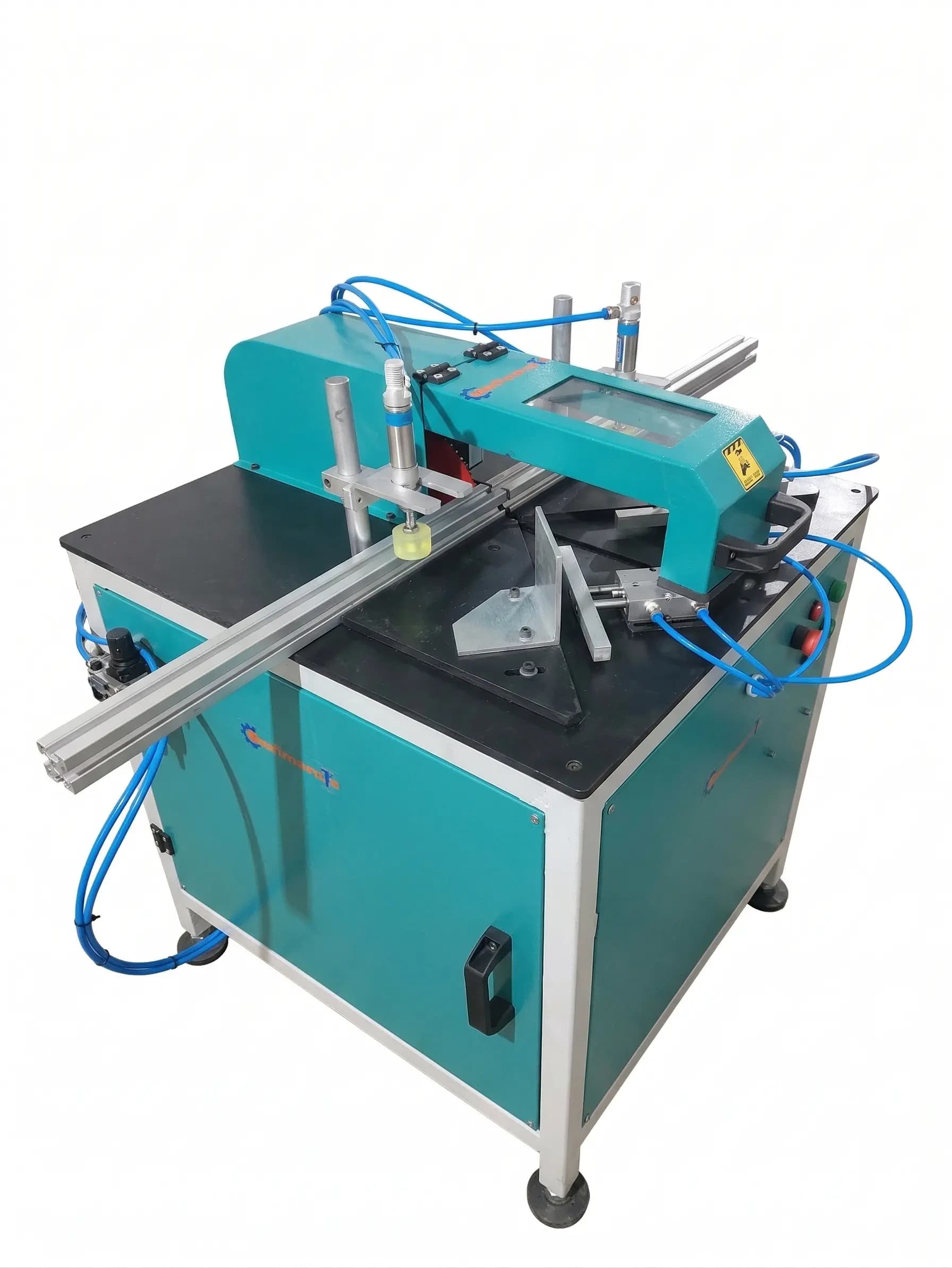
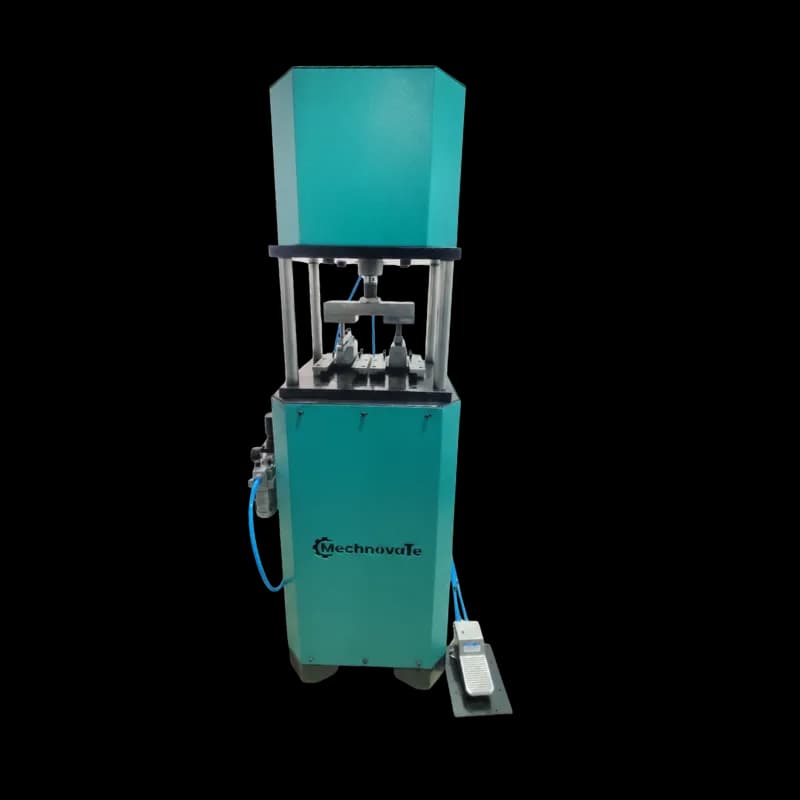
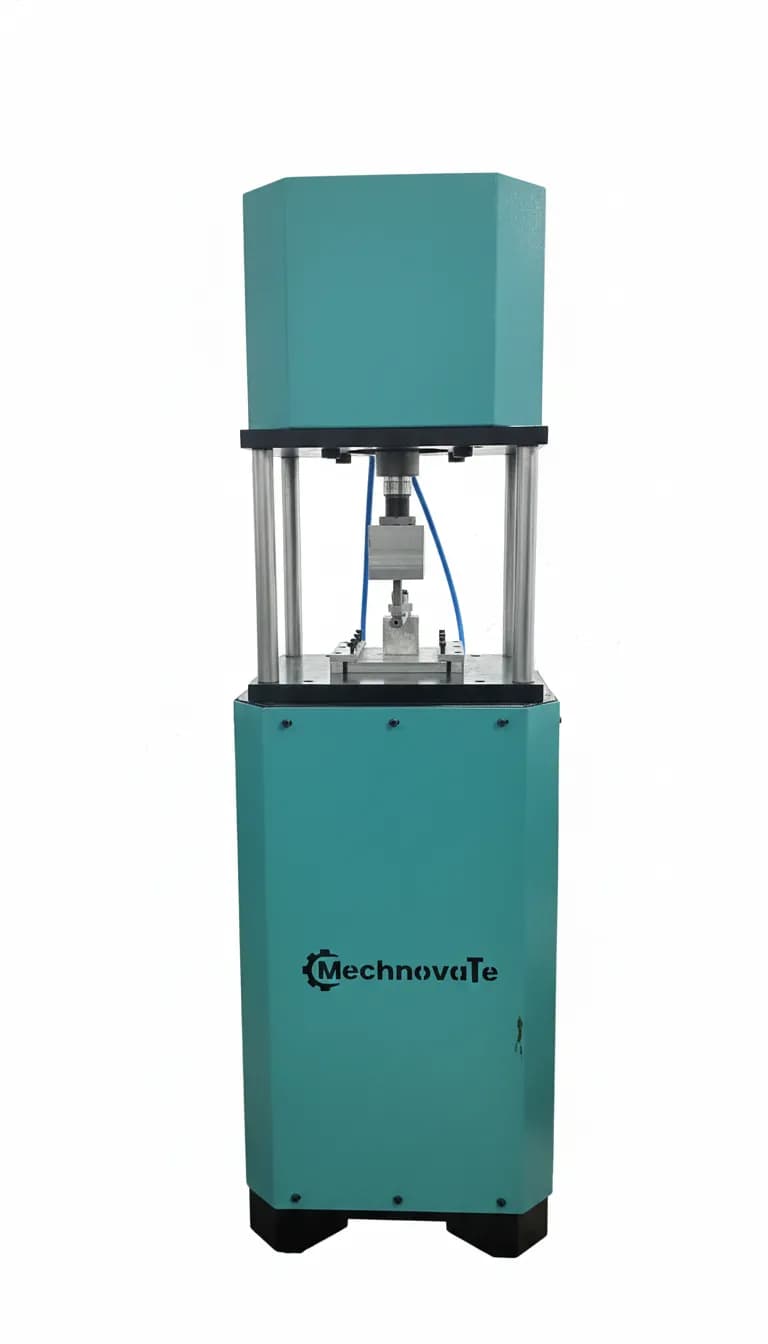
To ensure structural integrity in high-rise windows subjected to Gujarat’s high wind loads—often exceeding 2.0 kPa in coastal-adjacent zones—Ahmedabad fabricators must move from mechanical screw-fastening to high-pressure hydraulic crimping. In high-rise construction, the corner joint is the primary failure point under wind-induced suction. While traditional manual punching provides a visual seal, only an Automatic Corner Crimper delivers the 48kN to 60kN of hydraulic pressure required to cold-weld the profile and the internal cleat into a monolithic structure.
At Mechnovate, our 15 years of workshop experience reveals that 90% of water seepage and whistling sounds in high-rise aluminium windows stem from joint deflection. This deflection occurs because manual fasteners lose torque over thermal expansion cycles. By utilizing heavy-duty alu door fabrication machinery, fabricators in Gujarat can achieve a zero-gap tolerance that meets IS 1285 standards for structural aluminium profiles. This guide breaks down how to implement precision engineering at the corner to eliminate these risks.
Mechnovate Case Study: Testing Joint Strength in Prahlad Nagar
In a recent project for a 22-story residential complex in Prahlad Nagar, Ahmedabad, we conducted a 6-week comparative analysis. We tested two fabrication methods on 2.5mm wall-thickness thermal break profiles. Method A used traditional manual punching and screws, while Method B utilized our Heavy Duty Automatic Corner Crimper.
- Shear Strength: Method B withstood 45% higher lateral force before showing a 0.5mm gap.
- Production Speed: We increased output from 15 frames per day to 55 frames per day using the automatic cycle.
- Reject Rate: Scrap caused by misaligned screw holes dropped from 8% to less than 1.5%.
- Consistency: Every joint maintained a 0.1mm tolerance, whereas manual joints varied by up to 1.2mm.
This data proves that the Automatic aluminium corner crimping machine price Gujarat fabricators pay is offset within 7 months through labor savings and material efficiency. For high-volume workshops, switching to an aluminum window machine manufacturers in Ahmedabad certified production line is no longer optional; it is a structural necessity for safety compliance.
Selecting Technical Specifications for Gujarat's Climate
When scouting for aluminium window machinery manufacturers in Ahmedabad Gujarat, you must look beyond the motor horsepower. The heat in Gujarat affects hydraulic oil viscosity, which directly impacts crimping consistency. We recommend machines that use VMG-22 or ISO VG-46 grade hydraulic oil with integrated cooling fins.
Essential Machine Specifications:
- Hydraulic Pressure: Minimum 48kN; ideally 60kN for triple-glazed units.
- Profile Height Capacity: Ensure the machine handles up to 120mm to accommodate modern sliding track profiles.
- Cutter Adjustment: Look for a 0-50mm adjustable range to handle various cleat positions.
- Power Supply: 3.0kW to 4.5kW to maintain cycle times under 15 seconds.
For those also handling hybrid projects, the same precision is required for uPVC. Integrating a Double Head Cutting Saw with your aluminium line allows for a seamless transition between materials, especially when using an automatic double head cutting machine price India that supports both aluminium and uPVC profile geometries.
The 5-Step Precision Crimping Protocol
As a senior engineer, I have seen many fabricators buy the right machine but use the wrong process. Follow this protocol to ensure every corner meets ISO 9001 standards:
- Precision Miter Cutting: Use an aluminium profile cutting machine with a carbide-tipped blade to ensure a perfect 45-degree angle. Even a 0.5-degree error will cause the crimper to crush the profile edge rather than join it.
- Cleat Preparation: Apply a high-quality two-part epoxy glue to the internal corner cleat. This acts as both a secondary structural bond and a primary weather seal.
- Blade Alignment: Calibrate the crimping knives to hit the 'indentation zone' of the profile. Misalignment here results in 'puckering' or surface cracking.
- Pressure Synchronization: Ensure the internal hydraulic rams engage before the crimping knives. This 'locks' the profile in place, preventing the 'joint creep' common in cheaper, non-synchronized machines.
- Quality Inspection: Use a feeler gauge to ensure the gap is less than 0.05mm. If you can fit a 0.1mm gauge, your pressure is too low or your copy router machine has created a burr that is obstructing the joint.
ROI Analysis: Is the Investment Worth It?
Many small shops ask about the automatic aluminium window production line price and wonder if they can stick with manual tools. Let's look at the numbers. A manual punch and screw setup requires 3 skilled technicians to produce 20 windows a day. An automatic line requires 1 technician and produces 60+ windows.
| Feature | Manual Punching | Mechnovate Automatic Crimper |
|---|---|---|
| Labor Cost per Unit | ₹450 | ₹120 |
| Structural Rating | Low (Residential) | High (High-Rise/Commercial) |
| Corner Alignment | Operator Dependent | Machine Controlled |
| Life Expectancy | 5-7 Years | 15+ Years |
By upgrading your aluminum window fabrication machinery, you gain access to high-margin commercial tenders that require structural certifications. If you are already using a Copy Router Machine for hardware slots, adding a crimper is the logical next step in professionalizing your shop floor.
Common Mistakes to Avoid in Corner Crimping
Over my 15 years, I’ve seen these three mistakes ruin more profiles than any other factor:
- Ignoring Blade Wear: Using dull knives on an aluminium cutting machine 12 inch or crimper causes the aluminium to tear instead of fold. Replace blades every 50,000 cycles.
- Skipping the Cleat: Never crimp without an internal cleat. The machine is designed to deform the profile into the cleat. Without it, the corner has no structural memory.
- Incorrect Air Pressure: While the crimp is hydraulic, the clamps are often pneumatic. If your compressor drops below 6 bar, the profile will shift during the hydraulic stroke, leading to 'twisted' frames.
For those just starting, the best uPVC window making machine for startup businesses often includes a basic crimper for those who wish to offer a dual-material product range. However, for Ahmedabad's high-rise market, a heavy duty aluminium profile end milling machine and a dedicated corner crimper are the gold standard.
FAQ: Questions from Ahmedabad Fabricators
Q: Can one machine handle both small casement windows and large sliding doors?
Yes, provided the machine has adjustable crimping heights. Our Heavy Duty Automatic Corner Crimper allows for independent knife adjustment, making it suitable for everything from 40mm casements to 120mm sliding tracks.
Q: What is the maintenance schedule for a hydraulic crimper in Gujarat's heat?
You must check hydraulic oil levels monthly. Because of the high ambient temperature in cities like Ahmedabad and Surat, we recommend changing the oil filter every 6 months to prevent sludge buildup that can sluggish the solenoid valves.
Q: Does Mechnovate provide onsite training for the Automatic aluminium corner crimping machine price Gujarat package?
Absolutely. We provide 3 days of intensive onsite training for your operators, covering calibration, safety, and daily maintenance. We also offer a uPVC window machine service center network across Gujarat to ensure your downtime is zero.
For more information on the cost of setting up uPVC window manufacturing unit in India or to get a quote on the automatic aluminium window production line price, contact our engineering team today.
Get more articles like this
Follow Mechnovate on Google to see our guides in Google Discover & News