Eliminating Structural Weakness in Surat High-Rise Facades
The Engineering Solution for High-Rise Facade Integrity in Surat
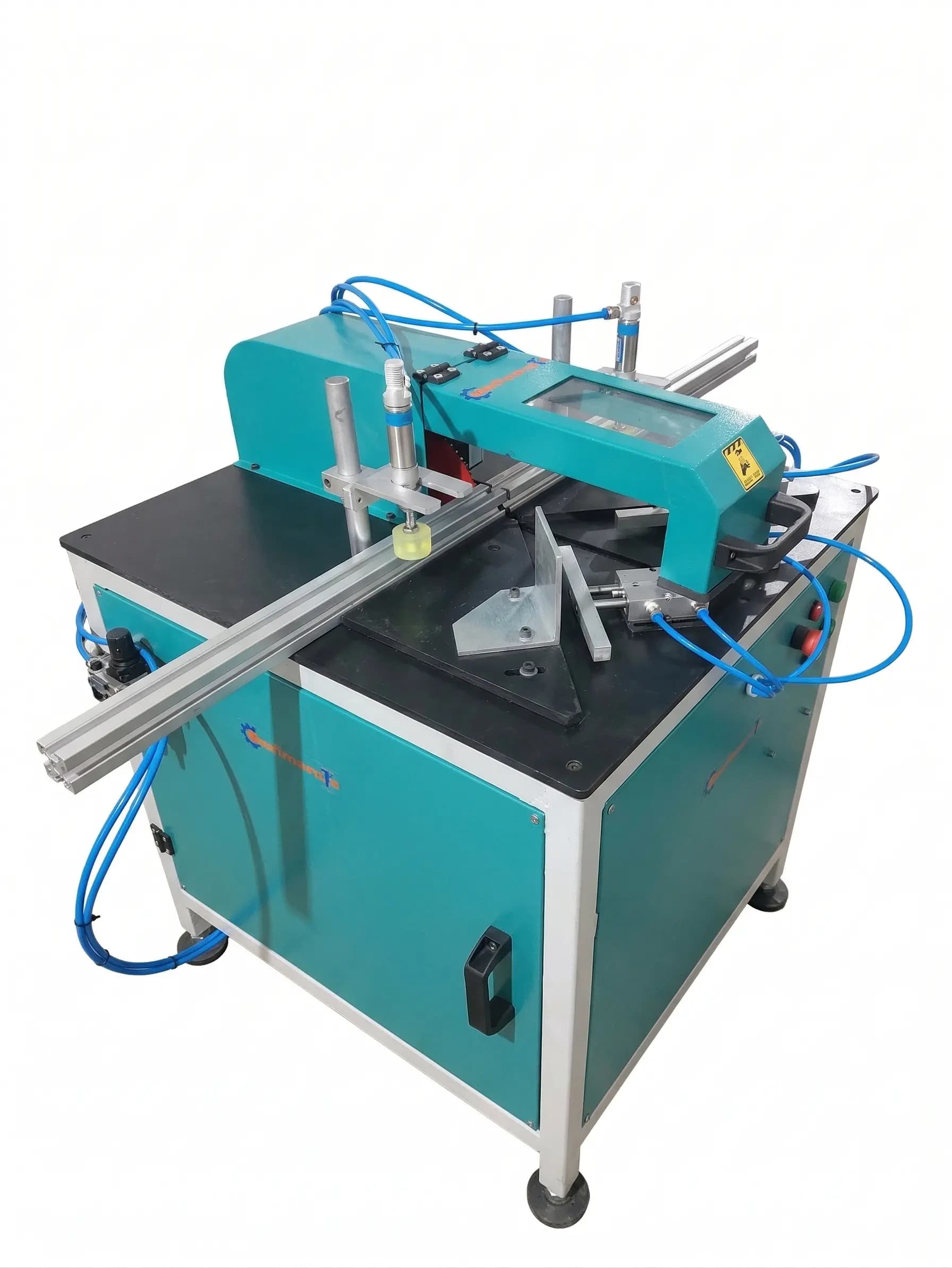
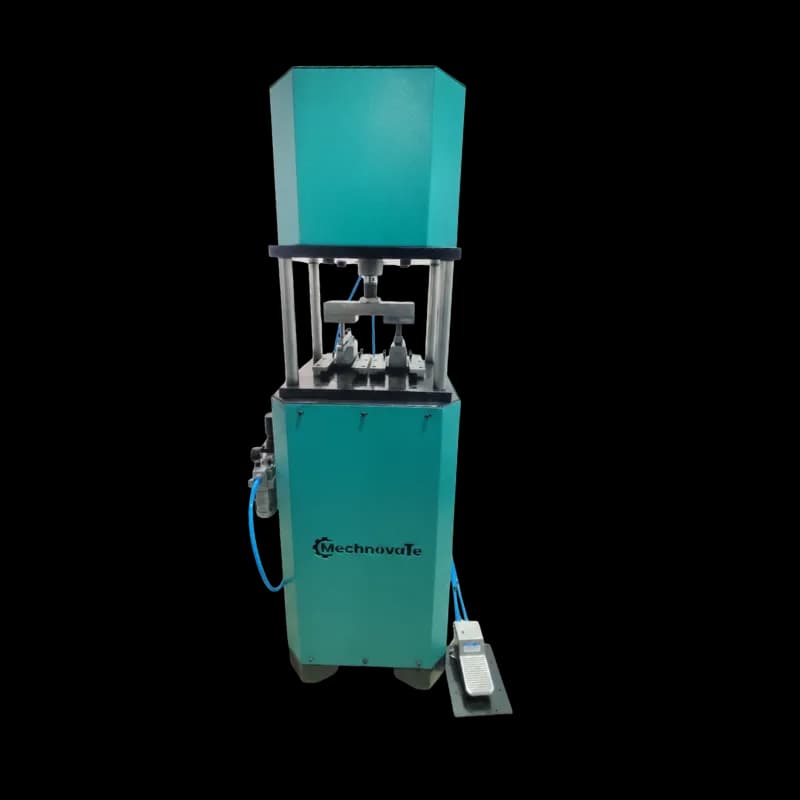
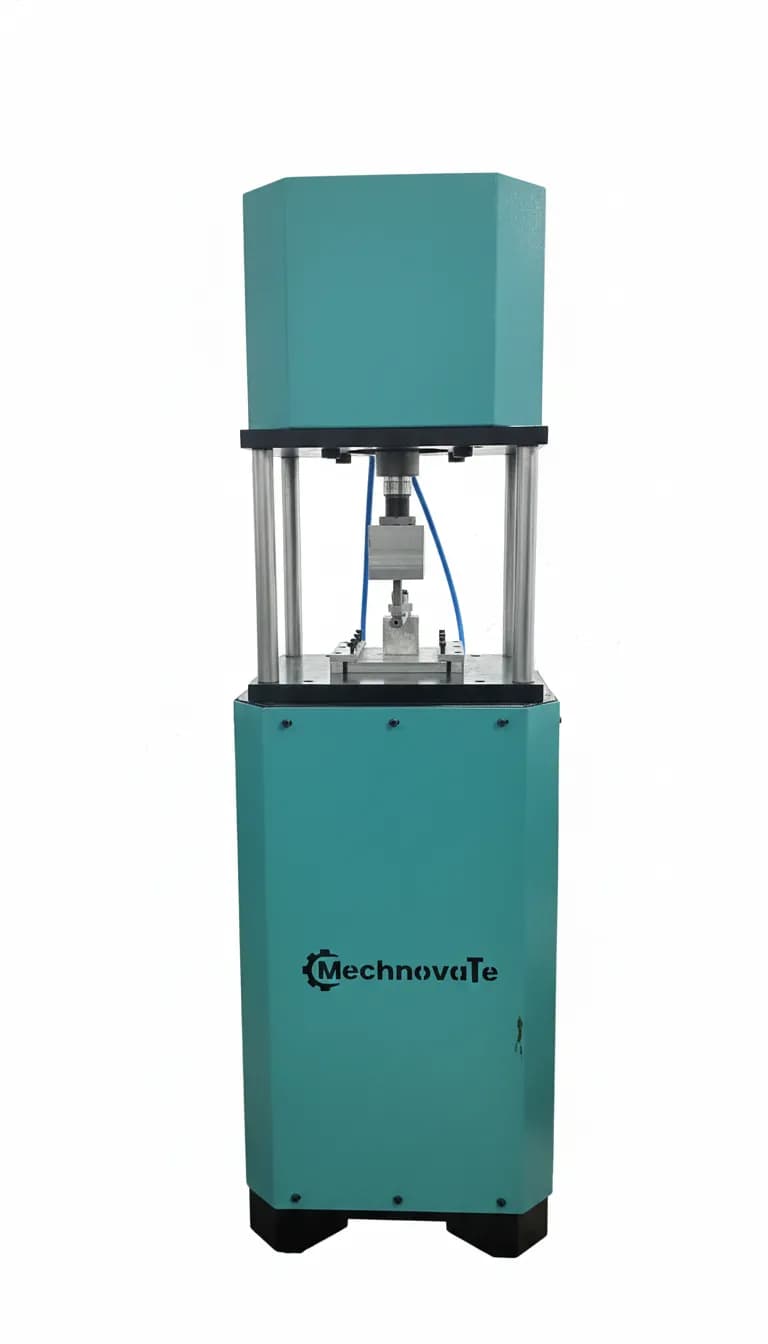
Surat’s coastal environment and rapid vertical development subject aluminium facades to wind loads exceeding 2.5 kPa. Standard mechanical fastening or manual punching often leads to joint separation and water ingress under these conditions. To eliminate these structural weaknesses, fabricators must implement a high-pressure Automatic Aluminium Corner Crimping Machine. This machinery uses synchronized hydraulic cylinders to cold-weld the corner cleat into the profile, ensuring a 90-degree bond that withstands cyclic thermal expansion and high-velocity wind pressure. For aluminium window machinery manufacturers in Surat Gujarat, the shift from manual to automatic crimping is no longer an option but a structural necessity for modern high-rise compliance.
Case Study: Reducing Rejection Rates in a Surat Residential Project
In our facility near Ahmedabad, we recently consulted for a Surat-based fabricator struggling with a 15% joint failure rate on a 30-storey facade project. Their reliance on a manual punching machine resulted in inconsistent joint gaps of up to 1.2mm, leading to air infiltration. We integrated an automatic aluminium window production line, replacing their manual tools with a CNC-controlled crimping unit.
The results were immediate and measurable:
- Joint gap deviation was reduced from 0.8mm to less than 0.05mm.
- Production speed increased from 22 frames per shift to 58 frames per shift.
- The aluminium cutting machine waste was reduced by 4% due to better alignment with the crimping process.
- Material cost savings of nearly 7% were realized by eliminating the need for excessive structural silicone to hide poor joints.
Technical Specifications for High-Performance Crimping
Achieving structural stability requires more than just machine power; it requires precision engineering of the hydraulic sequence. For 6063-T6 aluminium profiles commonly used in industrial aluminum door manufacturing equipment, we recommend the following parameters:
- Hydraulic System Pressure: 45-70 Bar depending on wall thickness.
- Crimping Force: Approximately 80kN to 100kN to ensure the cleat deforms exactly into the extrusion notch.
- Knife Adjustment: Micro-metric adjustment between 0-20mm to accommodate various profile depths.
- Profile Compatibility: Ability to handle profile heights up to 120mm for heavy-duty facade sections.
Using an Aluminium Profile Punching Machine prior to crimping is essential for creating the precise slots required for the cleat. When the automatic aluminium corner crimping machine price Gujarat is factored against the cost of structural failure or glass breakage due to frame racking, the ROI is typically realized within 8-12 months for mid-sized fabricators.
5 Common Crimping Mistakes to Avoid
As a senior engineer with 15 years in the workshop, I have seen these recurring errors compromise alu door fabrication machinery performance:
- Inconsistent Knife Height: If the internal crimping knives are not perfectly symmetrical, the frame will "twist" under pressure, causing the glass to sit unevenly.
- Ignoring Oil Viscosity: Surat’s high humidity and heat require ISO VG 46 grade hydraulic oil. Thin oil leads to pressure fluctuations and weak joints.
- Over-Crimping: Applying 90 bar of pressure to a 1.2mm profile will cause the aluminium to crack or the cleat to shear. Always calibrate pressure to the specific profile alloy.
- Worn Knife Edges: Using dull knives increases the motor load and creates burrs that prevent a flush finish. Sharpen knives every 5,000 cycles.
- Improper Miter Cutting: If your aluminium cutting machine 12 inch or double head miter saw for aluminium profiles price evaluation didn't prioritize 0.1-degree accuracy, even the best crimper cannot fix a bad 45-degree cut.
Maximizing ROI with the Right Machinery Mix
Setting up a unit involves more than just a crimper. The cost of setting up uPVC window manufacturing unit in India or an aluminium equivalent must include a Heavy Duty Aluminium Profile End Milling Machine for transom joints. For those looking at the best uPVC window making machine for startup businesses, the logic remains the same: precision at the corner is the foundation of the window's lifespan. Whether you are looking for an aluminium window fabrication machine suppliers Pune or an aluminum machinery manufacturers in Ahmedabad, prioritize machines that offer PLC control over manual levers to ensure every joint on the 20th floor is as strong as the one on the ground floor.
FAQ: Critical Questions for Surat Fabricators
Q: Can I use the same machine for both uPVC and Aluminium? No. Aluminium requires hydraulic crimping (cold welding), while uPVC requires a upvc welding machine (heat welding). The structural requirements and physical properties of the materials are fundamentally different.
Q: What is the ideal automatic aluminium window production line price? A complete line, including a 45 degree double head cutting machine, crimper, and copy router, typically starts at ₹8 Lakhs for entry-level industrial grades, scaling up based on CNC automation levels.
Q: How do I maintain joint strength during Surat’s monsoon? Ensure your crimping knives are coated to prevent corrosion and use high-quality cleats that match the thermal expansion coefficient of your 6063-T5 aluminium profiles. Regular checks of the aluminium punching machine dies will also ensure clean slots that don't collect moisture.
Get more articles like this
Follow Mechnovate on Google to see our guides in Google Discover & News