Eliminating Slotting Errors: Aluminium Punching Guide for Lucknow
Eliminating Manual Slotting Errors: A Guide to Choosing Aluminium Profile Punching Machines for Lucknow Fabricators
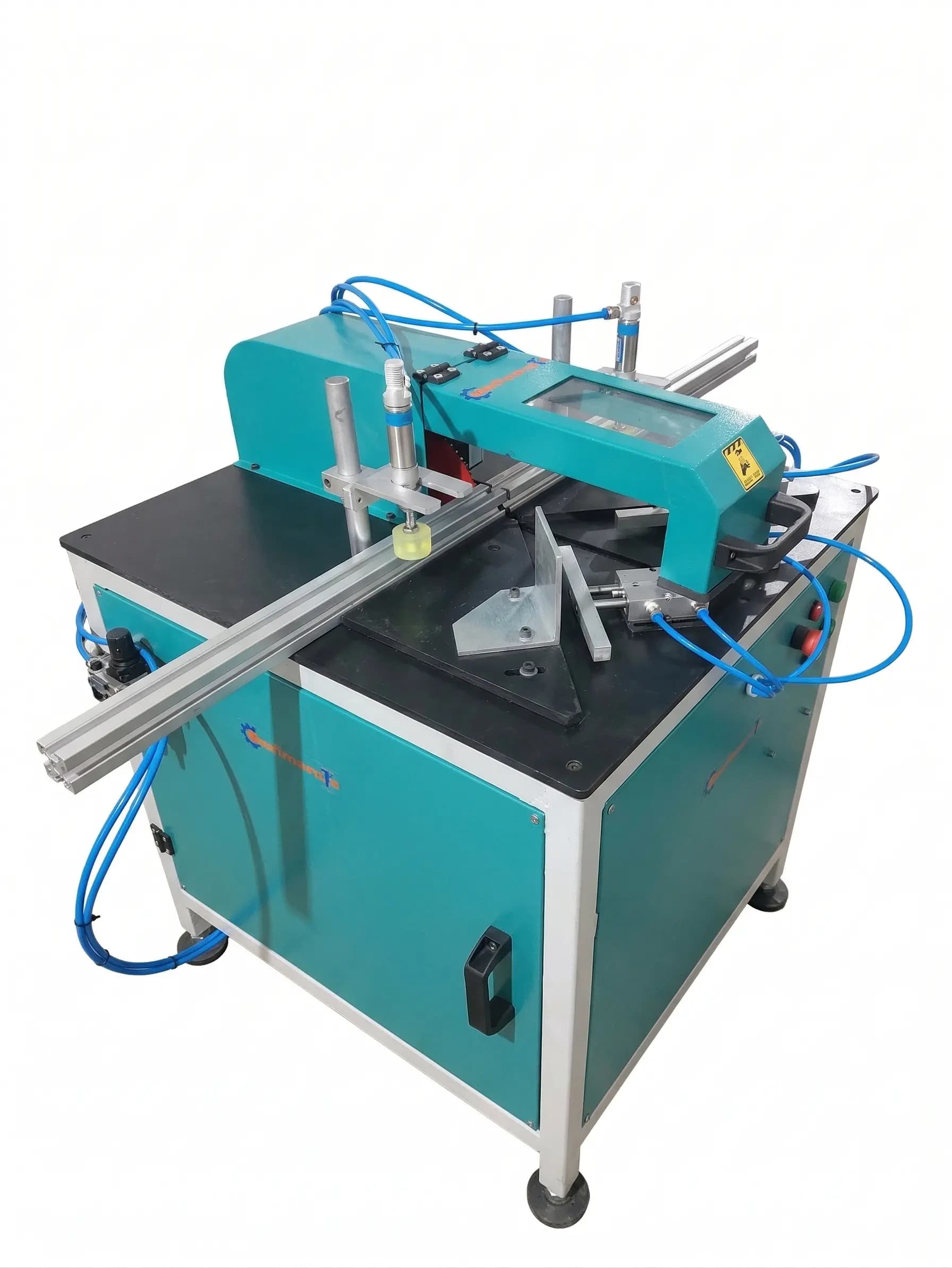
Manual slotting errors in Lucknow's aluminium fabrication shops typically stem from jig slippage and operator fatigue, leading to a 15% material waste rate in high-volume residential projects. For a senior engineer, the 'hidden' cost of manual fabrication isn't just the scrap metal; it is the 120-minute rework cycle for every misaligned lock-set. In this guide, we will analyze why transitioning from manual drilling to an Aluminium Punching Machine is the single most effective technical upgrade for Lucknow-based fabricators looking to scale.
Precision Engineering in Lucknow: The Physics of Slotting Inaccuracy
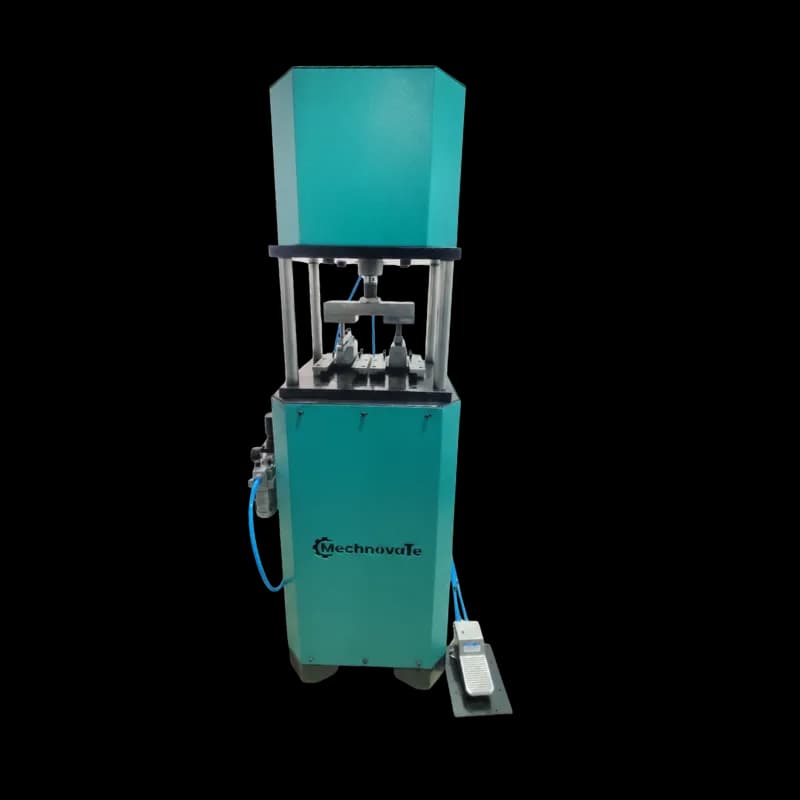
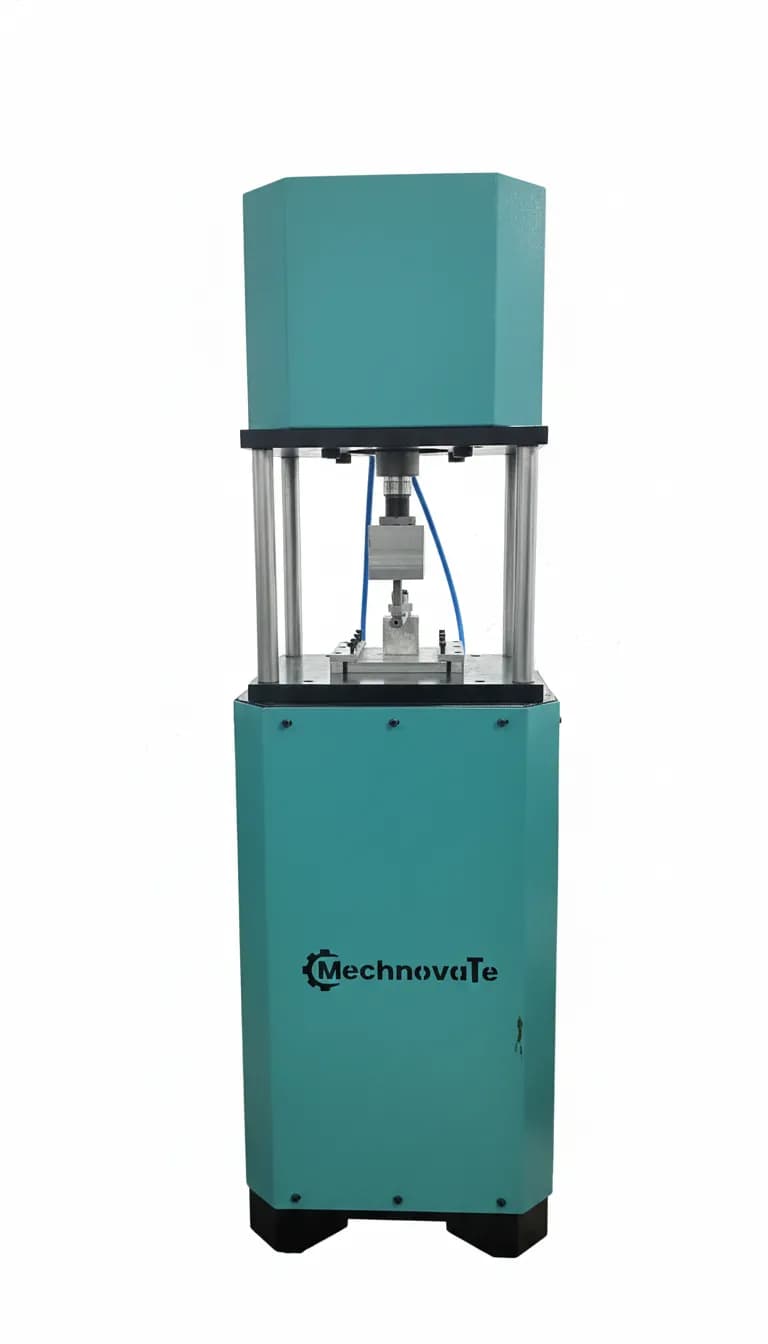
When fabricators in industrial areas like Amausi or Chinhat use a manual drill or a standard 12-inch aluminium cutter machine for slotting, they encounter the 'wander' effect. The drill bit, even when guided by a template, follows the path of least resistance across the 6063-T5 aluminium profile's surface. This results in a slot that is often 1.5mm to 2mm off-center. In contrast, a dedicated aluminium profile punching machine uses a hardened D2 steel die set that applies a localized shear force of 6-8 bar (pneumatic) or up to 100 bar (hydraulic), ensuring the material is sheared before it has time to deflect.
Why Manual Methods Fail Technical Inspections
- Burr Accumulation: Manual drilling creates significant internal burrs that catch on locking mechanisms, leading to premature hardware failure.
- Heat Deformation: High-speed drilling without constant coolant application can locally anneal the profile, reducing the structural integrity of the window frame.
- Repeatability: A manual worker can maintain ±0.5mm tolerance for the first 10 frames, but by frame 40, fatigue pushes this to ±2.0mm.
Case Study: Scaling a Workshop in Amausi Industrial Area
In 2023, our engineering team conducted a 6-week efficiency audit at a mid-sized Lucknow facility. They were using a Single Head Cutting Machine and manual templates for all hardware slots. We replaced their manual station with a multi-station pneumatic punching unit. The results were measurable: production increased from 18 windows per shift to 55, while the 'lock-stiffness' customer complaints dropped to zero. The cost of setting up this uPVC window manufacturing unit was offset by the savings in labour and material waste within exactly seven months.
The Technical Blueprint: Choosing Your Machine Specifications
When evaluating an aluminium punching machine, do not just look at the price tag. You must evaluate the machine based on the 'Stroke Length' and 'Punching Force.' For standard 25-series and 35-series profiles used in Lucknow, a pneumatic force of 15kN to 20kN is usually sufficient. However, if you are handling architectural-grade heavy-duty door sections, you may require a hydraulic system that provides constant pressure throughout the cycle.
Key Specifications for Professional Fabricators
- Die Material: Demand H13 or D2 steel with a hardness of 58-60 HRC. Anything less will dull within 5,000 cycles on aluminium.
- Cycle Time: A high-speed unit should complete a full punch-and-return cycle in under 1.5 seconds.
- Clearance: Ensure the die clearance is optimized for the profile wall thickness (typically 1.2mm to 2.0mm) to avoid 'tearing' the metal.
- Safety Standards: Look for ISO 9001 certified manufacturers and machines that include shielded foot pedals to prevent accidental triggers.
Beyond Slotting: Integrating the Copy Router Machine
While a punching machine handles standardized slots with lightning speed, complex or non-standard hardware often requires a high-speed copy router for aluminium windows. The combination of a dedicated punching machine for water holes and handle slots, alongside a copy router for bespoke shapes, creates a high-performance production line. This integration is common among the best uPVC window making machines for small businesses in Uttar Pradesh looking to compete with national brands.
Comparison: Manual vs. Pneumatic vs. Hydraulic Systems
| Feature | Manual Jig/Drill | Pneumatic Punching | Hydraulic Punching |
|---|---|---|---|
| Accuracy | ±2.0mm | ±0.1mm | ±0.05mm |
| Labor Input | High (180 sec/slot) | Low (2 sec/slot) | Low (3 sec/slot) |
| Initial Cost | Very Low | Moderate | High |
| Best For | Casual Repairs | 25-100 Frames/Day | Heavy Industrial |
| Maintenance | Constant Template Replacement | Weekly Oiling | Monthly Filter/Oil Checks |
Common Mistakes When Purchasing Machinery in Lucknow
One major error is choosing an aluminium cutting machine 12 inch for primary processing and then neglecting the punching stage. Fabricators often spend their entire budget on a head cutter machine and leave the slotting to manual labor. This creates a bottleneck. In Lucknow's humid climate, manual slots that aren't perfectly clean often trap moisture, leading to oxidation inside the profile. Ensure your supplier provides a comprehensive upvc machine price list that includes the cost of specialized dies for the specific profile series you use.
Maintenance Tips for Longevity
- Air Quality: In Lucknow, dust and humidity are high. Use an FRL (Filter-Regulator-Lubricator) unit to keep your pneumatic lines clean.
- Tooling Alignment: Check the alignment of the punch and die every 1,000 cycles to prevent 'edge rolling.'
- Lubrication: Use a light spray of specialized aluminium cutting oil on the die once every 50 punches to extend tool life by 300%.
FAQ: Questions Lucknow Fabricators Ask
Q1: Can I use the same punching machine for both aluminium and uPVC? Technically, yes, but the die clearances for uPVC are different due to the material's elasticity. Using an aluminium die on uPVC may result in 'chipping' or cracking the profile, especially in winter. For uPVC, a dedicated uPVC window manufacturing machine is recommended.
Q2: What is the average aluminium cutting machine price in India for a startup? A basic setup including a 12-inch cutter and a manual punching machine starts around ‡85,000, but a professional-grade automatic line for a scaling business in Uttar Pradesh typically ranges from ‡4.5 Lakhs to ‡12 Lakhs.
Q3: How long do the punching dies last before they need sharpening? With proper lubrication and alignment, high-quality D2 steel dies can withstand 50,000 to 80,000 punches before requiring professional sharpening. If you notice the 'punching noise' becoming a 'crunching noise,' it's time to inspect the edges.
Get more articles like this
Follow Mechnovate on Google to see our guides in Google Discover & News