Eliminating Profile Damage: High Speed Copy Router Benefits
Why a High Speed Copy Router for Aluminium Windows is a Workshop Essential
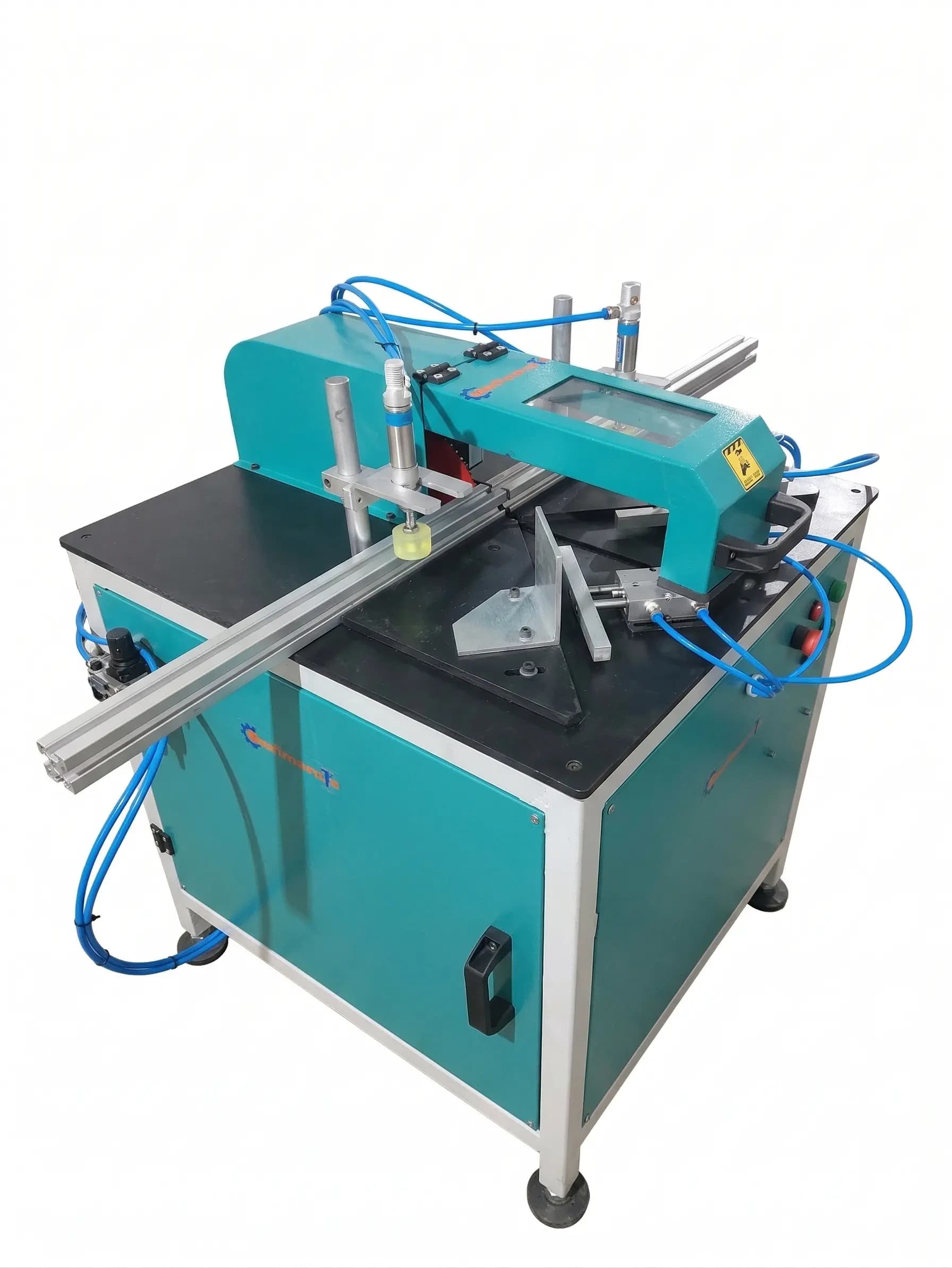
Profile damage during hardware slotting—typically manifesting as jagged edges, surface scratches, or oval-shaped holes—occurs primarily due to spindle vibration and low-torque motors. In aluminium fabrication, using a High-Speed Copy Router Machine with a minimum 12,000 RPM spindle is the only way to achieve clean, burr-free slots that meet IS 1285 standards. For any serious uPVC machinery manufacturer or aluminium fabricator in India, the transition from manual drilling to high-speed routing is the difference between a premium finish and a rejected batch. High-speed routers utilize a template-based system that ensures 100% repeatability for lock cylinders, handle holes, and drainage slots, effectively eliminating the human error associated with manual marking and drilling.
The Pune Case Study: Reducing Waste by 9% Through Precision Engineering
In our Pune facility, we conducted a rigorous 6-week test comparing a standard 6,000 RPM router against a 12,000 RPM high-speed model on 2.0mm thickness 6063-T6 aluminium profiles. The results were definitive for anyone looking to optimize their aluminium cutting machine price vs. performance ratio. We found that the increased spindle speed allowed for a higher feed rate without inducing profile deflection.
Before and After Metrics:
- Cutting Waste: Reduced from 12% to 3% due to fewer burred edges and ruined slots.
- Output Capacity: Increased by 40 frames per day (a 35% jump in throughput).
- Tooling Life: 2.5x longer lifespan for the routing bits because the high speed allows the tool to 'slice' rather than 'grind' the metal.
- Rework Time: Dropped from 15 minutes per frame to zero minutes as no manual de-burring was required.
Technical Specifications for Optimal Aluminium Fabrication
When evaluating an aluminum cutting machine or a router, the engineering specs must match the material density. For aluminium profiles used in Indian architectural projects, we recommend the following parameters to ensure industrial profile cutting safety standards and ISO standards are met.
- Spindle Speed: 12,000 to 18,000 RPM is the sweet spot for aluminium; anything lower causes the bit to grab the material, causing 'kickback' damage.
- Motor Power: Minimum 1.5kW (2HP) to maintain constant torque when the bit enters the second layer of the profile.
- Clamping System: Pneumatic horizontal and vertical clamps with 6-8 bar pressure are essential to prevent profile vibration.
- Cooling System: A mist spray lubrication system (using soluble oil) is mandatory to prevent aluminium chips from welding to the bit.
Step-by-Step Hardware Slotting Process
Following a standardized process ensures that your Aluminium Profile Punching Machine and copy router work in harmony within the production line.
- Profile Alignment: Secure the profile using pneumatic clamps, ensuring the protective film is intact to avoid surface scratches.
- Template Selection: Use a 1:1 ratio steel template. Cheap plastic templates will warp under the heat of a 1.5kW motor.
- Depth Setting: Set the mechanical depth stops to 0.5mm deeper than the profile wall to ensure a clean breakthrough without hitting the back wall.
- Coolant Verification: Check that the mist spray is hitting the bit directly before the first plunge.
- Execution: Move the tracer pin along the template in a clockwise direction for external slots and counter-clockwise for internal slots to manage chip flow.
Common Mistakes to Avoid in Aluminium Window Machinery Operation
As a senior engineer with 15 years in the shop, I see the same three mistakes repeated by fabricators from Surat to Chennai. First is using uPVC-specific bits for aluminium. A uPVC window manufacturing machine bit has a different rake angle than one designed for aluminium; using the wrong one will cause the bit to snap and ruin the profile. Second is the neglect of the 8-bar pressure requirement. If your air compressor drops below 6 bar, the pneumatic clamps lose their grip, the profile vibrates, and the slot becomes misaligned. Third is skipping the lubrication. Aluminium is a 'sticky' metal; without mist cooling, the flutes of the router bit will clog within seconds, leading to heat-related profile warping.
Why Indian Fabricators are Investing in High-Speed Technology
Whether you are looking for aluminium window machinery manufacturers in Ahmedabad Gujarat or searching for the best uPVC window making machine for small business in Lucknow, the market is shifting toward high-speed automation. The Automatic Double Head Cutting Machine has already become a staple for precision, and the copy router is the logical next step. With the cost of high-quality aluminium profiles rising, the ROI on a machine that reduces scrap by 9% is often less than 12 months. Furthermore, the ability to handle heavy-duty industrial aluminum door manufacturing equipment tasks allows workshops to bid on larger commercial contracts that require ISO 9001 compliance.
FAQ: Essential Questions for Workshop Owners
Q: Can I use the same copy router for both uPVC and Aluminium? Yes, but you must change the routing bit and the spindle speed. Aluminium requires much higher speeds and constant lubrication, whereas uPVC can be routed at lower speeds without coolant.
Q: What is the maintenance schedule for a high-speed copy router? Daily: Clean aluminium chips from the guide rails and check the lubrication oil level. Weekly: Check belt tension and inspect the tracer pin for wear. Monthly: Verify the calibration between the tracer and the bit.
Q: How do I justify the aluminium cutting machine price difference for a high-speed model? Focus on the 'Cost per Slot.' A low-speed machine creates burrs that require manual finishing (labor cost) and has a 10% higher rejection rate. A high-speed machine pays for itself through labor savings and material conservation.
Get more articles like this
Follow Mechnovate on Google to see our guides in Google Discover & News