sales@mechnovate.co.in
+91-9265699061
Back to Blog
7/9/2026

Eliminating Measurement Errors in Surat Aluminium Window Workshops

Eliminating Measurement Errors in Surat Aluminium Window Workshops

Solving the Accuracy Crisis in Surat Window Fabrication Units

Measurement errors in aluminium fabrication are the single greatest drain on profitability for workshops in Surat's industrial hubs like Udhna and Ichchhapore. When a fabricator relies on manual measurement or single-head saws, a deviation of even 1.5mm results in air gaps, poor insulation, and rejected sites. The solution is the integration of an Automatic Double Head Cutting Machine which synchronizes two blades to ensure both ends of a profile are cut to the exact millimetre simultaneously. At Mechnovate, our field tests with local Surat partners show that transitioning from manual stops to a CNC-controlled double head system reduces material scrap by an average of 10-12% immediately. This guide explores the engineering behind these machines and how they solve the specific challenges of high-volume window production.

Case Study: Boosting Throughput at a Varachha-Based Workshop

In Q3 of last year, we worked with a high-growth fabrication unit in Surat that was struggling with a 15% rework rate due to miter joint misalignments. We replaced their legacy Aluminium Cutter Machine 12 Inch setup with a heavy-duty 45-degree double head cutting machine featuring a 500mm blade.

Over a 6-week observation period, the results were definitive:

  1. Waste Reduction: Profile waste dropped from 14.5% to 2.8% due to the precision of the digital positioning system.
  2. Output Increase: The workshop moved from 30 window frames per 8-hour shift to 78 frames, a 160% increase.
  3. Labor Efficiency: Two operators who previously spent hours measuring and marking profiles were reassigned to the Aluminium Profile Punching Machine and assembly stations.

The lesson learned was that human fatigue in manual measurement is inevitable, especially in Surat's humid climate where concentration dips toward the end of a shift; automation is the only way to maintain IS 1285 and ISO 9001 quality standards consistently.

Technical Specifications for High-Performance Aluminium Cutting

When evaluating an aluminium cutting machine price, fabricators often overlook the engineering nuances that dictate long-term accuracy. A professional-grade automatic double head cutting saw for aluminium profiles must maintain a length tolerance of ±0.1mm and an angle tolerance of ±2 arc minutes. This requires a stable cast-iron base to dampen vibrations and high-precision linear guide rails for the moving head.

Key specifications to demand include:

  • Motor Power: Minimum 2.2kW per head to maintain RPM under load.
  • Blade Diameter: 450mm to 600mm carbide-tipped blades for clean, burr-free cuts.
  • Clamping System: Vertical and horizontal pneumatic clamps to prevent profile rotation during the cut.
  • Feed Rate: Adjustable hydro-pneumatic damping to ensure smooth blade entry into the aluminium profile.

For complex architectural designs common in Surat’s new residential projects, a machine capable of automatic 45 and 90-degree tilting is essential. This eliminates the need for manual adjustment, which is where most angular errors occur.

Common Pitfalls: Why Your 'Automatic' Saw Might Still Fail

Simply buying a head cutting machine does not guarantee perfection if your operational standards are lax. We frequently see workshops ignore three critical factors:

  1. Pneumatic Pressure Fluctuations: If your shop air drops below 6 bar, the clamping force weakens, causing the profile to shift slightly. Always use a dedicated air receiver tank for your uPVC Machinery and aluminium lines.
  2. Blade Geometry Neglect: Using the wrong tooth count for thin-walled profiles causes 'biting' and deformation. We recommend 100-120 teeth for standard window profiles.
  3. Debris Accumulation: Aluminium chips in the guide rails will eventually throw off the digital measurement calibration. Daily cleaning is a non-negotiable protocol.

The Financials: ROI for Surat Fabricators

The automatic aluminium window production line price may seem high initially, but the Return on Investment (ROI) is typically achieved within 14 to 18 months in a busy Surat workshop. By eliminating the 'second cut'—the practice of cutting slightly long and then trimming to fit—you save roughly 5mm of profile per cut. Across 500 windows, that is 100+ meters of high-grade aluminium saved. Furthermore, the ability to offer perfectly square joints allows you to command a premium price for 'luxury' or 'system' windows, differentiating your brand from the 'local-cut' competitors.

Integrating a Copy Router Machine alongside your double-head saw further streamlines the process by ensuring that all hardware slots are as precise as the frame dimensions themselves.

FAQ: Expert Insights for Fabricators

Q: Can I use the same double head saw for uPVC profiles? A: While theoretically possible, it is not recommended. Aluminium saws use higher RPMs and different blade geometries. For uPVC, a dedicated uPVC Welding Machine and uPVC-specific saw are required to prevent melting or shattering of the profile edges.

Q: What is the maintenance schedule for the digital positioning system? A: You should recalibrate the length sensor every 30 days using a certified master gauge. Check the electrical connections for the PLC every 90 days to prevent signal interference from workshop dust.

Q: Is 450mm blade size sufficient for Surat's residential window profiles? A: For standard sliding and casement series, 450mm is adequate. However, if you are moving into curtain walling or heavy-duty thermal break profiles, we recommend upgrading to a 500mm or 600mm blade to ensure a full cut in a single pass.

Eliminating Measurement Errors in Surat Aluminium Window Workshops

Solving the Accuracy Crisis in Surat Window Fabrication Units Measurement errors in aluminium fabrication are the single greatest drain on profitability for workshops in Surat's industrial hubs like Udhna and Ichchhapore. When a fabricator relies on manual measurement or single-head saws, a deviation of even 1.5mm results in air gaps, poor insulation, and rejected sites. The solution is the integration of an Automatic Double Head Cutting Machine which synchronizes two blades to ensure both ends of a profile are cut to the exact millimetre simultaneously. At Mechnovate, our field tests with local Surat partners show that transitioning from manual stops to a CNC-controlled double head system reduces material scrap by an average of 10-12% immediately. This guide explores the engineering behind these machines and how they solve the specific challenges of high-volume window production. Case Study: Boosting Throughput at a Varachha-Based Workshop In Q3 of last year, we worked with a high-growth fabrication unit in Surat that was struggling with a 15% rework rate due to miter joint misalignments. We replaced their legacy Aluminium Cutter Machine 12 Inch setup with a heavy-duty 45-degree double head cutting machine featuring a 500mm blade. Over a 6-week observation period, the results were definitive: Waste Reduction: Profile waste dropped from 14.5% to 2.8% due to the precision of the digital positioning system. Output Increase: The workshop moved from 30 window frames per 8-hour shift to 78 frames, a 160% increase. Labor Efficiency: Two operators who previously spent hours measuring and marking profiles were reassigned to the Aluminium Profile Punching Machine and assembly stations. The lesson learned was that human fatigue in manual measurement is inevitable, especially in Surat's humid climate where concentration dips toward the end of a shift; automation is the only way to maintain IS 1285 and ISO 9001 quality standards consistently. Technical Specifications for High-Performance Aluminium Cutting When evaluating an aluminium cutting machine price, fabricators often overlook the engineering nuances that dictate long-term accuracy. A professional-grade automatic double head cutting saw for aluminium profiles must maintain a length tolerance of ±0.1mm and an angle tolerance of ±2 arc minutes. This requires a stable cast-iron base to dampen vibrations and high-precision linear guide rails for the moving head. Key specifications to demand include: Motor Power: Minimum 2.2kW per head to maintain RPM under load. Blade Diameter: 450mm to 600mm carbide-tipped blades for clean, burr-free cuts. Clamping System: Vertical and horizontal pneumatic clamps to prevent profile rotation during the cut. Feed Rate: Adjustable hydro-pneumatic damping to ensure smooth blade entry into the aluminium profile. For complex architectural designs common in Surat’s new residential projects, a machine capable of automatic 45 and 90-degree tilting is essential. This eliminates the need for manual adjustment, which is where most angular errors occur. Common Pitfalls: Why Your 'Automatic' Saw Might Still Fail Simply buying a head cutting machine does not guarantee perfection if your operational standards are lax. We frequently see workshops ignore three critical factors: Pneumatic Pressure Fluctuations: If your shop air drops below 6 bar, the clamping force weakens, causing the profile to shift slightly. Always use a dedicated air receiver tank for your uPVC Machinery and aluminium lines. Blade Geometry Neglect: Using the wrong tooth count for thin-walled profiles causes 'biting' and deformation. We recommend 100-120 teeth for standard window profiles. Debris Accumulation: Aluminium chips in the guide rails will eventually throw off the digital measurement calibration. Daily cleaning is a non-negotiable protocol. The Financials: ROI for Surat Fabricators The automatic aluminium window production line price may seem high initially, but the Return on Investment (ROI) is typically achieved within 14 to 18 months in a busy Surat workshop. By eliminating the 'second cut'—the practice of cutting slightly long and then trimming to fit—you save roughly 5mm of profile per cut. Across 500 windows, that is 100+ meters of high-grade aluminium saved. Furthermore, the ability to offer perfectly square joints allows you to command a premium price for 'luxury' or 'system' windows, differentiating your brand from the 'local-cut' competitors. Integrating a Copy Router Machine alongside your double-head saw further streamlines the process by ensuring that all hardware slots are as precise as the frame dimensions themselves. FAQ: Expert Insights for Fabricators Q: Can I use the same double head saw for uPVC profiles? A: While theoretically possible, it is not recommended. Aluminium saws use higher RPMs and different blade geometries. For uPVC, a dedicated uPVC Welding Machine and uPVC-specific saw are required to prevent melting or shattering of the profile edges. Q: What is the maintenance schedule for the digital positioning system? A: You should recalibrate the length sensor every 30 days using a certified master gauge. Check the electrical connections for the PLC every 90 days to prevent signal interference from workshop dust. Q: Is 450mm blade size sufficient for Surat's residential window profiles? A: For standard sliding and casement series, 450mm is adequate. However, if you are moving into curtain walling or heavy-duty thermal break profiles, we recommend upgrading to a 500mm or 600mm blade to ensure a full cut in a single pass.

Related Machines From Mechnovate

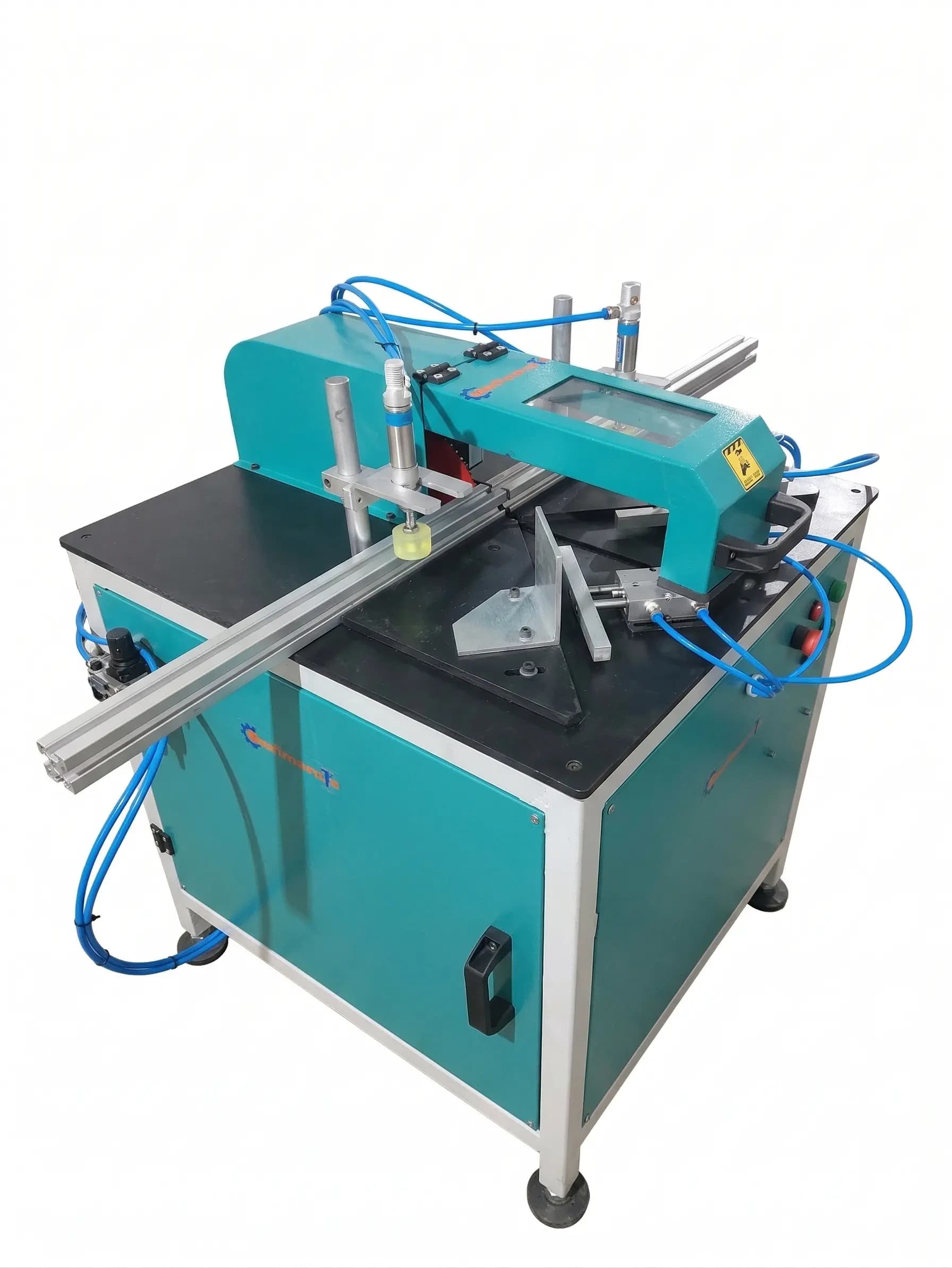
Single Head Cutting Machine for Aluminium and UPVC

Model: MEPCCSH1 | Cutting

Dual-angle versatility with rapid adjustment for Aluminium/uPVC.

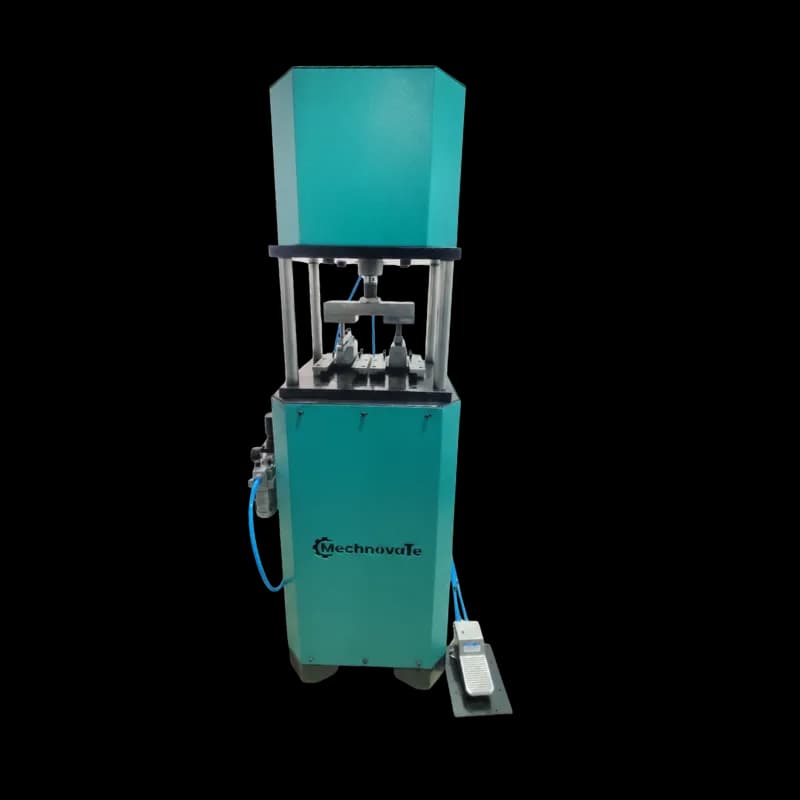
2 Station Pneumatic Aluminium Punching Machine

Model: MEPPPST2 | Punching

Multi-tool setup with adjustable cutting depth.

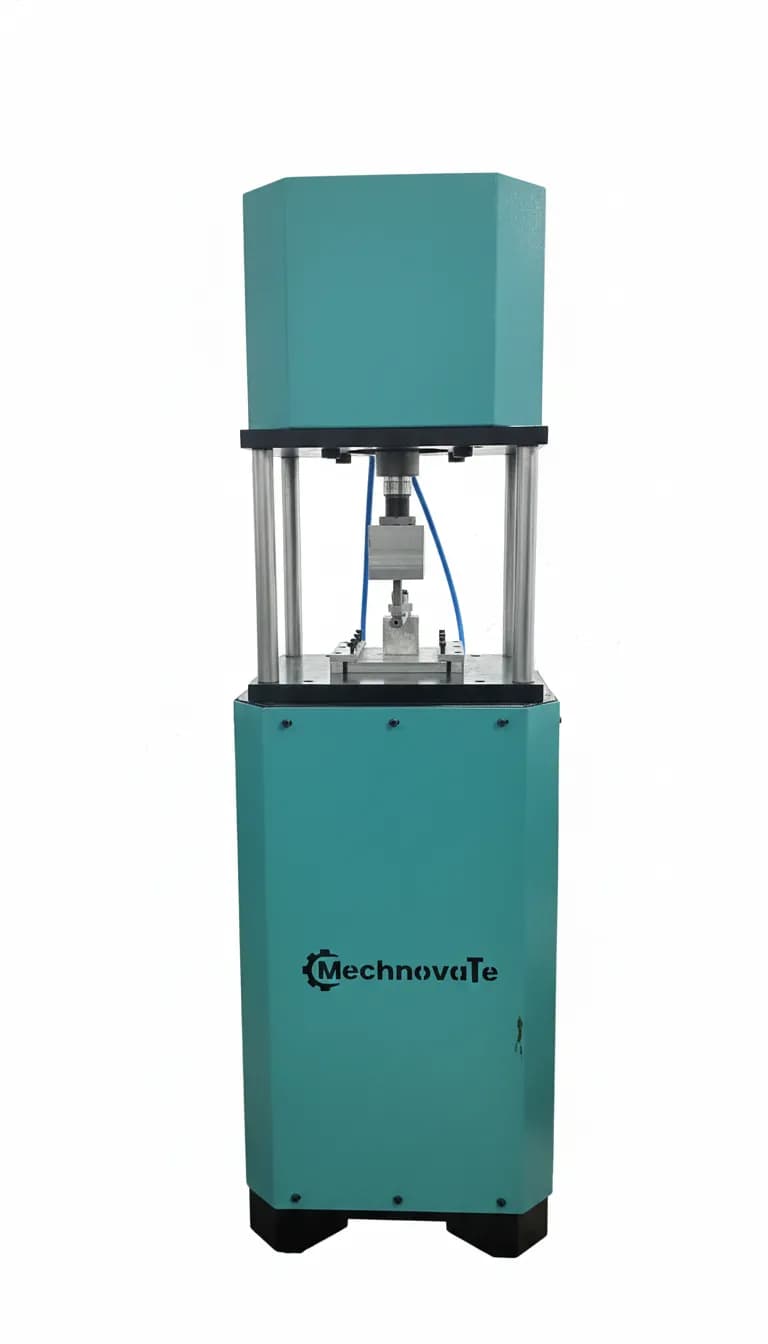
1 Station Pneumatic Aluminium Punching Machine

Model: MEPPPST1 | Punching

Precision alignment with Easy Guiding System for Aluminium.

Pneumatic Copy Router Machine for Aluminium and UPVC

Model: MEPCR Series | Router

High-speed routing with secure pneumatic clamping.

Explore Mechnovate Machinery

Browse our complete range of aluminium and uPVC window fabrication machinery. Call +91-9265699061 or visit our products page for specifications and pricing.