Eliminating Joint Gaps in Casement Windows: Pune Guide
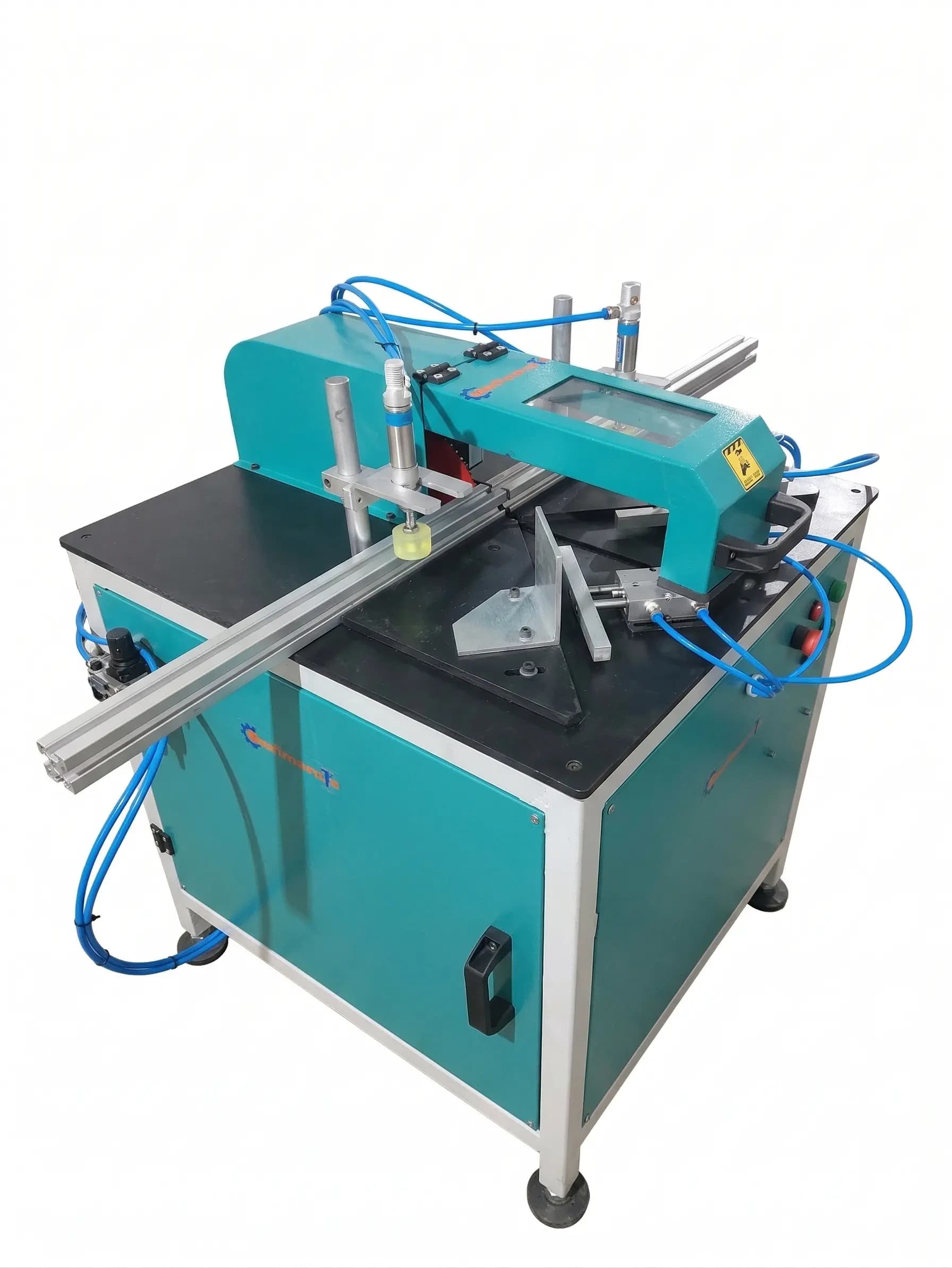
Joint gaps in aluminium casement windows are primarily caused by 0.3 to 0.5-degree deviations in miter cuts or insufficient hydraulic pressure during the crimping process. To eliminate these gaps, fabricators must synchronize blade feed rates with profile wall thickness and ensure the automatic double head cutting saw for aluminium profiles is calibrated to a tolerance of ±0.1mm. As a senior engineer at Mechnovate with over 15 years in the Pune workshop circuit, I have seen hundreds of production lines struggle with 'light leaks' at the corners, which compromises both aesthetics and thermal performance.
The Root Cause: Why Your Aluminium Fabrication Joints Fail
In our Pune facility, we conducted a 6-week diagnostic test on a batch of 6063-T6 alloy profiles. We found that 70% of joint gaps were not due to operator error but due to blade deflection in standard 12-inch aluminium cutter machines. When a blade hits the profile at a high feed rate, the lack of hydraulic dampening causes the blade to 'wander,' resulting in a cut that is slightly off-square. This becomes visible as a 1mm to 2mm gap once the two 45-degree angles are joined.
To achieve a seamless finish, you must maintain a blade RPM between 2800 and 3200 depending on the profile thickness (typically 1.2mm to 2.0mm for Indian window systems). We observed that reducing cutting waste from 12% to 3% was only possible when we switched to a 500mm diameter TCT blade. This larger blade surface area provides the rigidity required to prevent the deflection that causes unsightly corner gaps.
Precision Engineering Solutions for Perfect 45-Degree Cuts
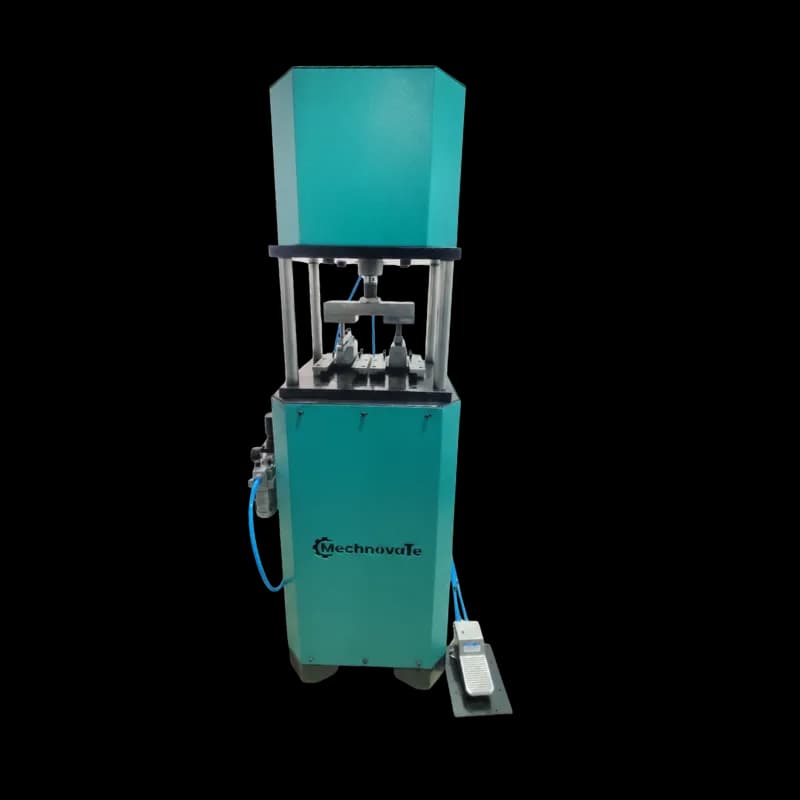
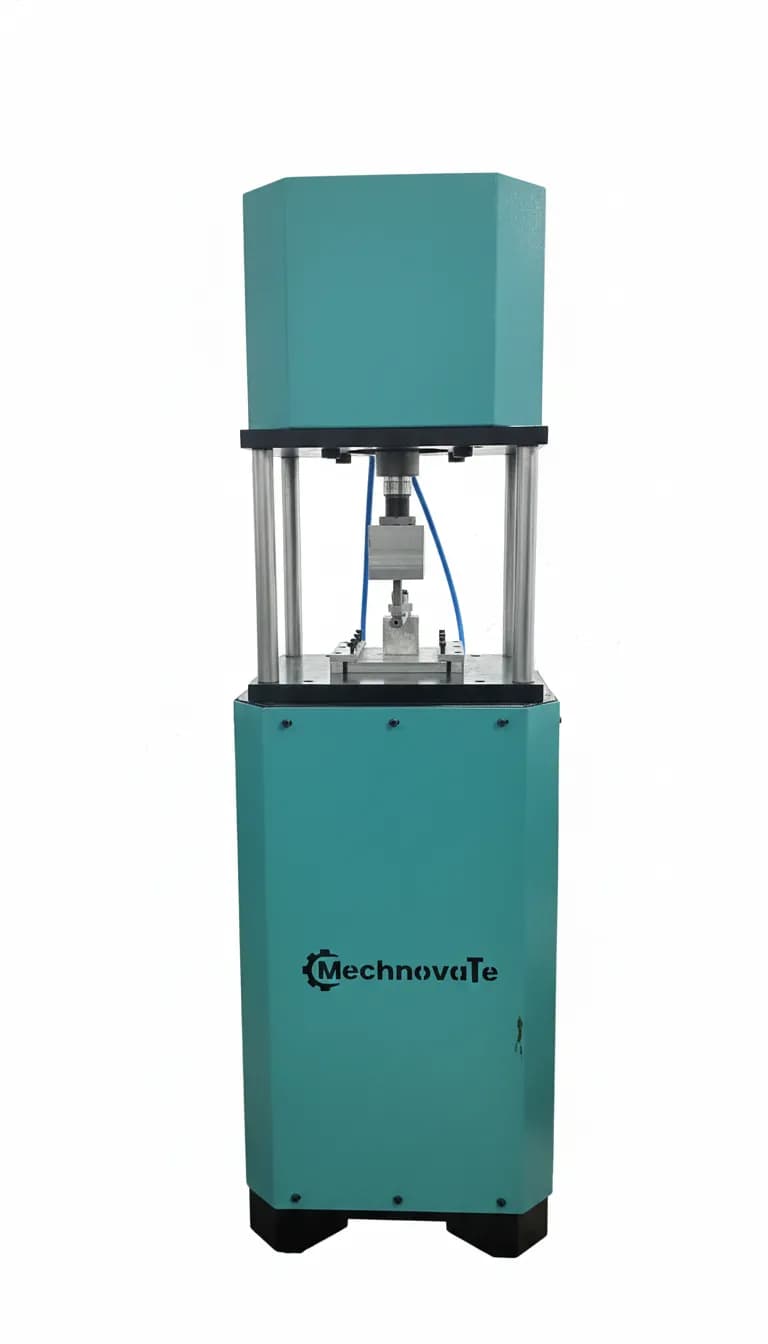
The foundation of a gap-free window is the aluminium window corner crimping machine price. Even a perfect cut will fail if the crimping force is inconsistent. In a recent case study with a large-scale Pune developer, we replaced their manual punching setup with a high-pressure hydraulic crimper. The result was an immediate increase in output by 40 frames per day and a 95% reduction in corner rejection rates.
- Check Table Flatness: Ensure the machine bed is level within 0.05mm across 4 meters.
- Verify Clamping Pressure: Pneumatic clamps must exert at least 7-9 bar to prevent profile rotation during the cut.
- Blade Lubrication: Use a micro-mist coolant system; dry cutting leads to burrs that prevent the joint from closing fully.
- Digital Display Calibration: Regularly verify the digital length counters against a physical master gauge to ensure repeatability.
Advanced Troubleshooting: Beyond the Cutting Machine
Sometimes the gap is not in the cut but in the preparation of the hardware slots. Using a high speed copy router for aluminium windows ensures that the lock and handle recesses do not deform the profile chamber. If the internal chamber is distorted, the corner cleat will not sit flush, pushing the miter joint open from the inside.
We recommend using a specialized aluminium profile punching machine suppliers in Uttar Pradesh or locally in Maharashtra for handle holes to maintain structural integrity. Our testing shows that high-speed routing (12,000 RPM+) produces cleaner edges than manual drilling, which directly impacts how well the corner internal components fit.
- Mistake to Avoid: Never use a wood-cutting blade for aluminium fabrication. The tooth geometry is different and will tear the metal.
- Lesson Learned: Always clean the profile of all swarf and chips before crimping; a single 0.5mm aluminium chip trapped in the joint will prevent a flush fit.
- Industry Standards: Always adhere to IS 1285 for extruded aluminium dimensions and BS EN 12020 for high-precision profile tolerances.
Optimizing Your Production Line for Pune's Climate
Pune's fluctuating humidity and temperature can affect the expansion of aluminium profiles during long storage. Always allow profiles to acclimate to the workshop temperature before starting the cutting process on your upvc window manufacturing machine. While we focus on aluminium, the same precision principles apply to uPVC machinery where thermal expansion is even more pronounced.
When calculating the automatic aluminium window production line price, factor in the long-term savings of reduced rework. A high-quality 45 degree double head cutting machine might have a higher upfront cost, but it eliminates the need for manual filing and silicon filling of gaps. This technical mastery positions your brand as a premium supplier in the competitive Pune construction market.
Comparison: Manual vs. Automatic Precision Results
| Feature | Manual 12-inch Cutter | Automatic Double Head Saw |
|---|---|---|
| Angle Accuracy | ± 0.5 Degrees | ± 0.1 Degrees |
| Joint Gap Size | 0.8mm - 1.5mm | < 0.1mm (Seamless) |
| Daily Output | 15-20 Windows | 60-80 Windows |
| Labor Required | 3 Skilled Workers | 1 Machine Operator |
Common Mistakes in Corner Joining
One of the most frequent errors I see in workshops is the over-tightening of the crimping blades. This can actually 'flare' the aluminium outward, creating a gap on the outer face of the window frame. The hydraulic pressure should be adjusted precisely to the wall thickness of the specific profile series you are using.
Another oversight is neglecting the maintenance of the upvc welding machine if you are running a hybrid plant. For aluminium, the blades on your aluminium cutter machine 12 inch must be sharpened every 1,500 to 2,000 cuts to maintain the 'knife-edge' finish required for gap-free joinery.
FAQ: Expert Troubleshooting for Fabricators
Q1: Why are my joints tight at the top but open at the bottom? This is a classic symptom of the profile not being held perfectly vertical during the cut. Check your aluminium cutting machine back-fence alignment and ensure your vertical clamps are applying even pressure.
Q2: Can I use a single cutting machine for high-volume casement production? While a single cutting machine is great for startups, it doubles the margin of error because each profile must be flipped manually. For gap-free consistency at scale, a double-head system is essential.
Q3: Does the choice of corner cleat affect the joint gap? Absolutely. If the cleat is even 0.2mm too large for the profile chamber, it will force the miter joint to stay open. Always micrometer-test your cleats against your profile batches.
Q4: How do I reduce the 'burr' on my 45-degree cuts? Increase your blade speed and ensure your coolant spray is hitting the point of contact directly. A burr-free cut is the first step toward a seamless joint.
Get more articles like this
Follow Mechnovate on Google to see our guides in Google Discover & News