Eliminating Gaps in uPVC Mullions: V Cutting Machine Guide
Eliminating Gaps in uPVC Mullions: V Cutting Machine for uPVC Windows Price and Precision Guide for Hyderabad Workshops
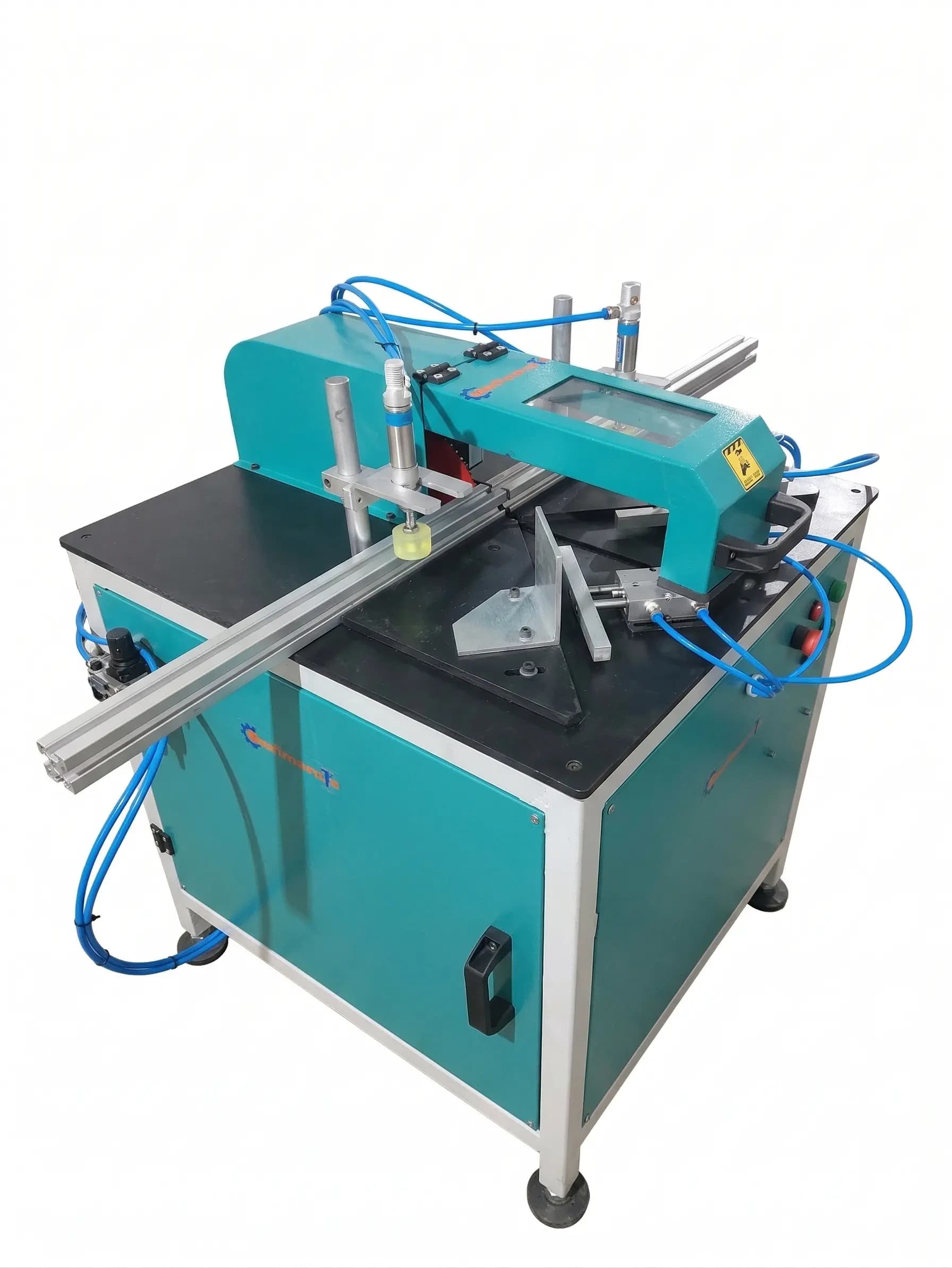
Eliminating visible gaps in uPVC mullion joints is the difference between a premium window and a customer complaint. In Hyderabad’s competitive fabrication market, achieving a seamless 90-degree V-notch transition requires more than just a sharp blade; it requires a specialized V-Cutting Machine calibrated for high-speed profile processing. By switching from manual notch-cutting to an automated V-cutting system, workshops can reduce mullion rejection rates from 8% to under 0.5% while ensuring airtight thermal performance.
The 2-Millimeter Nightmare: A Hyderabad Case Study
Last year, our team assisted a high-volume workshop in Cherlapally, Hyderabad, that was struggling with consistent 'light leaks' at the mullion-to-frame intersection. Despite using a standard Double Head Cutting Machine for outer frames, their mullion joints showed a 1.5mm to 2mm gap after welding. This gap wasn't just an aesthetic flaw; it compromised the structural integrity and wind-load resistance of their larger 3-track sliding units.
We implemented a 6-week optimization protocol using a Mechnovate-spec V-cutting system. We found that by strictly controlling the pneumatic feed rate to 0.4 meters per second and utilizing a 3.0 kW high-torque motor, we could eliminate the 'profile chatter' that caused the gaps. The results were immediate: fabrication speed increased by 45 frames per day, and material waste was reduced from 12% to a record 2.8% due to the precision of the notch depth. This transition proved that the right upvc windows making machine configuration is the foundation of profitability.
Technical Precision: Engineering the Perfect V-Notch
Achieving an ISO 9001-compliant joint requires a deep understanding of the engineering tolerances within your upvc machinery. Most low-cost upvc windows machines fail because they lack the rigid clamping systems necessary to prevent profile torsion during the cut. To eliminate gaps, your workshop must adhere to these specific technical parameters:
- Blade RPM and Material Heat: For standard multi-chamber uPVC profiles (60mm to 80mm series), the blade speed should be maintained between 2800 and 3200 RPM. Anything lower risks melting the profile; anything higher causes chipping.
- Pneumatic Stability: The system must operate on a stable 6-8 bar pressure line. Fluctuations in air pressure during the stroke will result in an uneven V-cut, making it impossible for the mullion to seat flush against the frame.
- Profile Thickness Tolerances: Always calibrate your upvc cutting machine based on the specific wall thickness of your profile (standard IS 1285 compliance). Even a 0.2mm variance in profile wall thickness can throw off a V-cut if the machine is not micro-adjustable.
- Angle Accuracy: The 90-degree V-notch must be absolute. We recommend using a degree cutting machine with a reinforced cast-iron base to dampen vibrations that naturally occur in lighter, portable units.
V Cutting Machine for uPVC Windows Price Factors in Hyderabad
When evaluating the v cutting machine upvc windows price, Hyderabad manufacturers must look beyond the initial sticker price and calculate the Total Cost of Ownership (TCO). A cheap upvc window manufacturing machine often hidden costs in the form of frequent blade replacements and motor burnout.
- Entry-Level Systems (₹85,000 - ₹1,20,000): Typically manual or semi-automatic. Suitable for small startups producing 5-10 windows a day. Often lacks the precision needed for large-scale commercial projects.
- Mid-Range Precision Systems (₹1,50,000 - ₹2,50,000): Features automatic pneumatic clamping and higher-grade TCT blades. This is the sweet spot for most growing Hyderabad workshops looking for an automatic upvc window plant cost India efficiency.
- High-Speed Production Lines (₹3,50,000+): Fully integrated CNC units with digital positioning. These are essential for manufacturers supplying high-rise residential projects where tolerance for error is zero.
Common Mistakes in Mullion Fabrication
In my 15 years of workshop experience, I have seen thousands of dollars wasted on preventable errors. If you are aiming for a precision engineering standard, avoid these common pitfalls:
- Neglecting the Counter-Profile: Using a generic V-blade for a specific profile brand often leads to poor fitment. Always ensure your upvc windows manufacturing machine uses blades ground specifically for the chamber geometry of your profile provider.
- Over-clamping: Applying too much pneumatic pressure can deform the uPVC profile before the cut is even made. This leads to a 'spring-back' effect where the notch appears correct but expands once the pressure is released.
- Ignoring Blade Cooling: While uPVC doesn't require the same lubrication as an aluminium cutting machine, air-cooling the blade prevents heat buildup that can soften the profile edges, leading to 'burrs' that interfere with the weld.
Why Mechnovate is the Preferred uPVC Machinery Manufacturer
As a leading upvc machinery manufacturer, Mechnovate focuses on the structural longevity of the machine. We don't just sell an aluminium cutter machine or a upvc welding machine; we provide a production solution. Our machines are engineered to handle the voltage fluctuations common in industrial zones like Pashamylaram and Jeedimetla, ensuring your upvc window machine stays operational 24/7. Whether you need a single cutting unit or a fully automatic uPVC window manufacturing unit cost analysis, our Hyderabad-based support team provides on-site calibration to ensure your mullions are always gap-free.
Frequently Asked Questions (FAQ)
1. Can I use an aluminium cutter machine for uPVC V-cutting? No. While an aluminium profile cutting machine is excellent for straight cuts, the V-notch required for uPVC mullions requires a specific vertical-and-horizontal blade configuration that standard aluminum cutting machine units lack. Attempting this often results in jagged edges and poor thermal sealing.
2. How often should the blades on a V-cutting machine be sharpened? For a high-output workshop in Hyderabad, we recommend blade inspection every 2,000 cuts. Using dull blades on a upvc window manufacturing machinery line increases the motor load and results in 'fuzzy' cuts that prevent a clean weld.
3. Is a portable uPVC window welding machine sufficient for mullions? While a portable uPVC window welding machine for startups is great for site repairs, it often lacks the clamping force required to align a V-notched mullion perfectly. For factory production, a stationary upvc welding machine is required to ensure the 90-degree intersection remains square during the heating and cooling cycles.
Get more articles like this
Follow Mechnovate on Google to see our guides in Google Discover & News